 Gender Reassignment
Why Nutrition Matters After a Hair Transplant
Introduction
Hair transplantation has become one of the most effective and scientifically advanced solutions for restoring hair in individuals experiencing permanent hair loss. Modern techniques such as Follicular Unit Extraction (FUE), Bio FUE, and other advanced hair restoration procedures can produce natural-looking, long-lasting results when performed by experienced surgeons. However, surgery itself is only one part of the journey. The body's ability to heal, establish a healthy blood supply, and support the growth of newly transplanted follicles plays an equally important role in determining the final outcome.
One of the most frequently overlooked aspects of hair transplant recovery is nutrition. While no specific food can make transplanted hair grow faster overnight, the body requires adequate nutrients to repair surgical wounds, reduce inflammation, produce collagen, maintain healthy circulation, and support the natural hair growth cycle. Poor nutrition before or after surgery may delay healing, reduce energy available for tissue repair, and contribute to deficiencies that affect overall hair health.
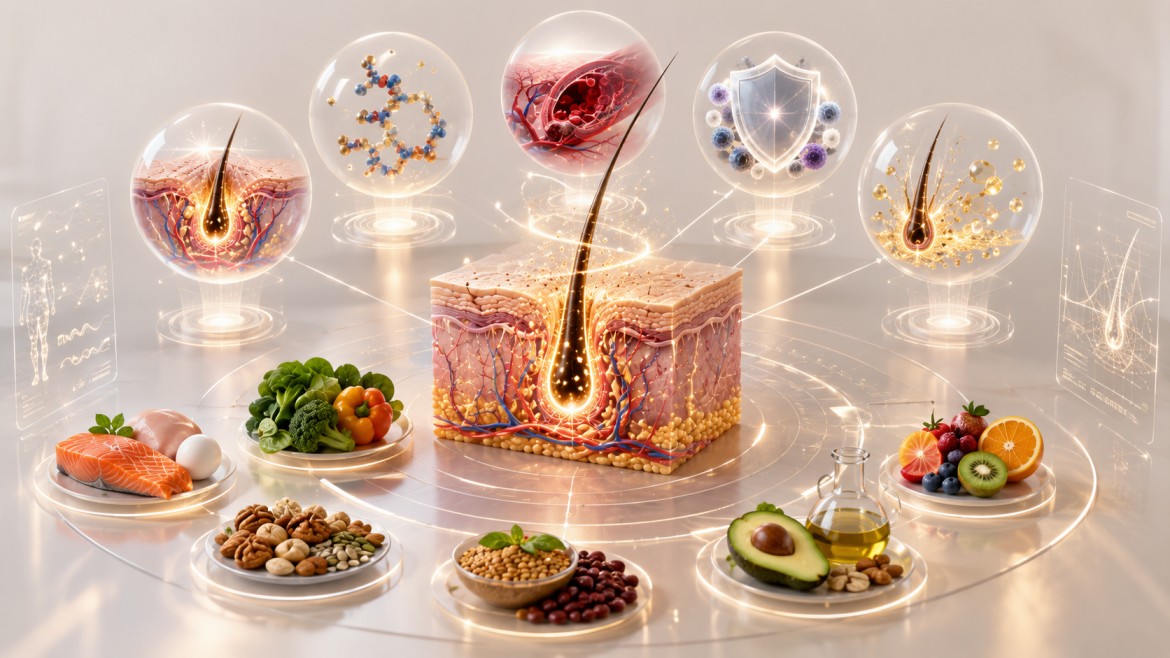
Hair follicles are among the most metabolically active structures in the human body. They require a continuous supply of proteins, vitamins, minerals, essential fatty acids, and antioxidants to function efficiently. During the recovery period after a hair transplant, these nutritional demands become even greater because the scalp is simultaneously healing while newly transplanted follicles begin establishing themselves within their new environment.
It is equally important to understand that diet alone cannot determine the success or failure of a hair transplant. Surgical technique, graft handling, blood supply, scalp health, genetics, postoperative care, and patient compliance all contribute to the final result. Nutrition should therefore be viewed as one component of a comprehensive recovery strategy rather than a standalone solution.
At Hair & Shape Clinic, patients receive detailed guidance regarding nutrition, recovery, scalp care, medications, and lifestyle modifications following hair transplantation. Our goal is to optimize the healing environment so that every graft has the best possible opportunity to survive and produce healthy long-term growth.
Why Nutrition Matters After a Hair Transplant
Hair transplantation creates thousands of tiny recipient sites in the scalp where follicular grafts are carefully implanted. Although these incisions are extremely small, they still represent surgical wounds that require healing.
The body immediately begins a complex repair process involving inflammation, blood clot formation, collagen production, new blood vessel formation, and tissue remodeling.
All of these biological processes depend on adequate nutrition.
Proper nutrition supports:
Wound healing.
Collagen synthesis.
New blood vessel formation.
Immune function.
Oxygen delivery.
Cellular repair.
Healthy hair follicle activity.
When nutritional requirements are met, the scalp is better equipped to recover efficiently following surgery.
How Hair Follicles Receive Nutrition
Unlike many tissues, hair shafts themselves are not living structures.
The living portion of the hair exists deep within the follicle beneath the skin surface.
Hair follicles receive oxygen and nutrients through an extensive network of microscopic blood vessels surrounding the follicle.
These nutrients are used for:
Cell division.
Protein production.
Keratin synthesis.
Pigment production.
Hair shaft formation.
Tissue maintenance.
Following transplantation, newly implanted follicles temporarily rely on diffusion before establishing a stronger blood supply from the surrounding scalp.
Supporting healthy circulation during this period is an important part of postoperative recovery.
The Role of Protein in Hair Growth
Protein is the single most important dietary component for healthy hair production.
Hair is composed primarily of keratin, a structural protein produced by specialized cells within the hair follicle.
Without adequate protein intake, the body may prioritize vital organs over hair production, potentially contributing to increased hair shedding and slower recovery.
Good dietary protein sources include:
Eggs.
Fish.
Chicken.
Lean meat.
Greek yogurt.
Cottage cheese.
Lentils.
Beans.
Soy products.
Most healthy adults recovering from surgery benefit from consuming sufficient high-quality protein throughout the day, although individual requirements vary depending on body weight, activity level, and medical conditions.
Vitamins That Support Hair Transplant Recovery
Vitamins contribute to numerous biological processes involved in healing and hair follicle function.
Vitamin C
Vitamin C supports collagen production, wound healing, and antioxidant protection.
It also improves iron absorption from plant-based foods.
Dietary sources include:
Citrus fruits.
Kiwi.
Strawberries.
Bell peppers.
Broccoli.
Vitamin D
Vitamin D plays an important role in immune regulation and normal hair follicle cycling.
Low vitamin D levels have been associated with certain forms of hair loss, although supplementation should only be undertaken when deficiency is confirmed.
Sources include:
Sunlight exposure.
Fatty fish.
Egg yolks.
Fortified dairy products.
Vitamin A
Vitamin A contributes to healthy skin and scalp function.
However, excessive vitamin A supplementation can actually contribute to hair shedding.
For this reason, supplementation should always remain within medically recommended limits.
Vitamin E
Vitamin E acts as an antioxidant that helps protect cells from oxidative stress.
Natural sources include:
Almonds.
Sunflower seeds.
Spinach.
Avocados.
Obtaining vitamins through a balanced diet is generally preferred unless supplementation is recommended by your healthcare provider.
Minerals That Contribute to Healthy Hair Growth
Several minerals are involved in normal hair follicle activity and tissue repair.
Iron
Iron supports oxygen transport to rapidly dividing cells, including those within the hair follicle.
Iron deficiency is a recognized cause of diffuse hair shedding, particularly in women.
Zinc
Zinc contributes to:
Cell division.
Tissue repair.
Immune function.
Protein synthesis.
Deficiency may interfere with normal hair growth and wound healing.
Selenium
Selenium functions as an antioxidant and supports normal thyroid function.
Excessive selenium intake, however, may contribute to hair loss, highlighting the importance of balanced nutrition.
Magnesium
Magnesium participates in hundreds of enzymatic reactions involved in energy production and tissue repair.
A varied diet typically provides adequate amounts for most individuals.
Healthy Fats and Hair Follicle Function
Dietary fats are essential for hormone production, cell membrane integrity, and absorption of fat-soluble vitamins.
Omega-3 fatty acids may help support normal inflammatory balance within the body.
Healthy fat sources include:
Salmon.
Sardines.
Walnuts.
Flaxseeds.
Chia seeds.
Olive oil.
Avocados.
Including healthy fats as part of a balanced diet supports overall health and recovery following surgery.
Foods That Support Hair Transplant Recovery
Although no specific food can guarantee better graft survival, consuming a balanced, nutrient-rich diet helps provide the building blocks required for normal healing and hair follicle function.
Consider including foods such as:
Lean Protein
Chicken, fish, eggs, tofu, paneer, legumes, and Greek yogurt provide amino acids required for keratin production and tissue repair.
Fresh Fruits
Berries, oranges, kiwi, papaya, and guava provide vitamin C and antioxidants that support collagen formation and immune function.
Green Leafy Vegetables
Spinach, kale, broccoli, and other leafy vegetables provide iron, folate, magnesium, and several essential vitamins.
Whole Grains
Brown rice, oats, quinoa, and whole wheat products provide sustained energy during recovery.
Nuts and Seeds
Almonds, walnuts, flaxseeds, pumpkin seeds, and sunflower seeds contribute healthy fats, vitamin E, zinc, and magnesium.
Healthy Oils
Olive oil and other unsaturated fats support cellular function and overall health.
A varied diet is generally more beneficial than relying heavily on a single "superfood."
Foods and Habits That May Slow Recovery
Certain dietary habits may interfere with overall healing if consumed excessively.
Excessive Alcohol
Alcohol can contribute to dehydration and may interfere with normal wound healing during the immediate postoperative period.
Most surgeons recommend avoiding alcohol for a period before and after surgery according to individualized medical advice.
Smoking
Although not a dietary factor, smoking deserves special mention because nicotine reduces blood flow to the scalp and may negatively affect healing and graft survival.
Avoiding smoking before and after surgery is strongly recommended.
Highly Processed Foods
Frequent consumption of foods high in refined sugars, unhealthy fats, and excessive sodium may contribute to systemic inflammation and poor overall nutrition.
Crash Diets
Very low-calorie diets can place the body under metabolic stress, increasing the risk of temporary hair shedding and slowing recovery.
Patients should avoid aggressive dieting immediately before and after a hair transplant.
Can Weight Loss Affect Hair Transplant Results?
Many individuals begin weight loss programs around the same time they decide to improve their appearance with a hair transplant.
Moderate, medically supervised weight loss is generally compatible with hair restoration.
However, rapid or extreme weight loss may contribute to telogen effluvium, a temporary form of diffuse hair shedding caused by physiological stress.
This type of shedding usually affects existing hair rather than transplanted follicles, but maintaining adequate nutrition throughout the recovery period remains important for overall scalp health.
If you are planning significant weight loss, discuss your goals with your surgeon so that surgery and recovery can be appropriately timed.
Do Hair Supplements Improve Hair Transplant Success?
The market contains hundreds of supplements claiming to accelerate hair growth after transplantation.
Current scientific evidence does not support the idea that supplements alone can dramatically improve graft survival in individuals without nutritional deficiencies.
Supplements should never replace:
A balanced diet.
Proper surgical technique.
Postoperative medications.
Scalp care.
Healthy lifestyle habits.
When deficiencies are identified through clinical assessment or laboratory testing, targeted supplementation may be beneficial under medical supervision.
Lifestyle Habits That Work Together With Good Nutrition
Nutrition is only one component of successful hair transplant recovery.
Other healthy habits also contribute to optimal healing.
Follow Postoperative Instructions
Carefully following washing instructions, medication schedules, and activity restrictions helps protect newly transplanted grafts.
Get Adequate Sleep
Sleep supports immune function, tissue repair, hormone regulation, and overall recovery.
Manage Stress
High levels of physical or emotional stress may contribute to temporary hair shedding.
Relaxation techniques, regular sleep, and gradual return to normal activities can support recovery.
Stay Physically Active
Light walking is usually encouraged soon after surgery, while strenuous exercise should only resume when approved by your surgeon.
Attend Follow-Up Appointments
Regular follow-up allows your surgeon to monitor healing, answer questions, and address any concerns early.
Common Nutrition Myths After Hair Transplant Surgery
Several misconceptions surround diet and hair transplantation.
Myth: Eating More Protein Makes Hair Grow Faster
Protein is essential for healthy hair production, but consuming excessive amounts does not accelerate graft growth beyond the body's natural biological processes.
Myth: Supplements Are Mandatory
Many patients recover successfully without supplements when they maintain a balanced diet and have no nutritional deficiencies.
Myth: Certain Foods Can Prevent Shock Loss
Shock loss is primarily related to the normal healing response following surgery rather than individual foods.
Nutrition supports overall recovery but cannot completely prevent this temporary phenomenon.
Myth: Hair Growth Begins Immediately After Surgery
Transplanted follicles usually enter a resting phase before beginning new hair growth several months later.
This timeline is determined by the normal hair growth cycle rather than diet alone.
When Should You Speak to Your Hair Transplant Surgeon About Nutrition?
Although most patients can follow a balanced diet without difficulty, certain individuals may benefit from additional nutritional guidance.
You should discuss nutrition with your surgeon if you:
Follow a restrictive diet.
Are vegetarian or vegan with known nutritional deficiencies.
Have experienced previous unexplained hair loss.
Have gastrointestinal disorders affecting nutrient absorption.
Have diabetes or other metabolic conditions.
Are planning significant weight loss.
Have recently undergone bariatric surgery.
Take medications that affect nutrient absorption.
A personalized nutritional assessment may help identify factors that could influence recovery.
Why Choose Hair & Shape for Hair Transplant Surgery?
Successful hair restoration extends beyond the operating room. Surgical precision, careful graft handling, postoperative care, patient education, and overall health all contribute to long-term outcomes. Optimizing recovery means creating the best possible environment for transplanted follicles to establish themselves and progress through their natural growth cycle.
At Hair & Shape Clinic, every patient receives individualized guidance before and after surgery. Along with advanced hair transplant techniques, we provide comprehensive recommendations regarding nutrition, scalp care, medications, activity, and recovery to support healthy healing and long-term hair growth. Our focus is on evidence-based care, realistic expectations, and natural-looking results that last.
Final Thoughts
Diet and nutrition play an important supporting role in hair transplant recovery, but they are only one part of a much larger picture. A balanced diet provides the protein, vitamins, minerals, healthy fats, and hydration needed for normal wound healing and healthy hair follicle function. However, nutrition cannot compensate for poor surgical technique, inadequate postoperative care, or unrealistic expectations.
The most successful outcomes are achieved when advanced surgical expertise is combined with healthy lifestyle habits, appropriate nutrition, careful follow-up, and patience throughout the natural hair growth cycle. If you are considering a hair transplant or preparing for surgery, discussing your nutritional status with your surgeon can help ensure your body is well prepared for recovery.
Hydration Is More Important Than Many People Realize
Water plays a critical role in nearly every biological process involved in healing.
Adequate hydration supports:
Blood circulation.
Nutrient transport.
Temperature regulation.
Cellular repair.
Skin health.
Overall recovery.
While hydration alone cannot improve graft survival, maintaining adequate fluid intake supports the body's natural healing mechanisms following surgery.
Can Nutritional Deficiencies Affect Hair Growth?
Yes.
Certain nutritional deficiencies may contribute to poor hair quality or increased shedding.
Common deficiencies associated with hair health include:
Iron deficiency.
Vitamin D deficiency.
Zinc deficiency.
Protein deficiency.
Vitamin B12 deficiency.
However, taking supplements without confirmed deficiencies is not always beneficial and may sometimes be harmful.
Blood investigations may be recommended when nutritional deficiencies are suspected.
Should You Take Supplements After a Hair Transplant?
Many patients assume supplements are automatically necessary after hair transplantation.
In reality, supplementation should be individualized.
Patients with documented nutritional deficiencies may benefit from medically supervised supplementation.
Others may obtain all required nutrients through a balanced diet containing adequate protein, fruits, vegetables, whole grains, healthy fats, and lean protein sources.
Unnecessary supplementation, particularly with excessive doses of vitamin A, selenium, or certain herbal products, may produce unwanted side effects or even contribute to hair shedding.
A personalized nutritional assessment remains the safest approach.