 Gender Reassignment
Liposuction In Mumbai
Targeted fat removal to sculpt and define stubborn problem areas.
Introduction
Stubborn fat deposits can persist even in individuals who maintain a healthy diet, exercise regularly, and have achieved a stable body weight. While weight loss reduces overall body fat, certain localized fat pockets are genetically programmed to resist lifestyle changes. These areas commonly include the abdomen, flanks, thighs, hips, arms, back, chin, chest, knees, and neck, often preventing the body from achieving balanced and well-defined contours.
Liposuction, also known as lipoplasty or body contouring surgery, is a cosmetic surgical procedure designed to permanently remove localized fat deposits from specific areas of the body. Rather than serving as a treatment for obesity or general weight loss, liposuction is intended to improve body proportions by sculpting areas that do not respond adequately to diet and exercise.
Modern liposuction has evolved significantly over the past few decades. Today's techniques focus not only on removing unwanted fat but also on preserving surrounding tissues, minimizing trauma, promoting faster recovery, and creating smooth, natural body contours. Depending on the patient's anatomy and treatment goals, liposuction may be performed using suction-assisted, power-assisted, ultrasound-assisted, or laser-assisted technologies.
Successful liposuction requires far more than fat removal. Every individual has unique fat distribution, skin elasticity, muscle definition, body proportions, and aesthetic goals. Careful surgical planning ensures that fat is removed strategically to enhance natural contours rather than simply reducing volume.
At Hair & Shape Clinic, every patient undergoes a comprehensive body contour analysis before treatment is recommended. Fat distribution, skin quality, body composition, muscle anatomy, and overall proportions are carefully evaluated to develop an individualized treatment plan. The objective is to create harmonious, naturally sculpted body contours while preserving smooth transitions, skin quality, and long-term aesthetic balance.
What Is Liposuction?

Liposuction is a body contouring procedure that removes localized fat deposits from selected areas of the body using specialized suction techniques.
The procedure is designed to improve body shape rather than reduce overall body weight.
Liposuction may be performed on areas including:
Abdomen.
Waist and flanks.
Hips.
Thighs.
Buttocks.
Upper arms.
Back.
Chest.
Chin and neck.
Knees.
Calves in selected patients.
The removed fat cells are permanently eliminated from the treated area. However, maintaining a stable body weight remains important because the remaining fat cells can still enlarge if significant weight gain occurs.
The primary goal of liposuction is to improve body proportions by enhancing the natural contours of the body.
Why Do Stubborn Fat Deposits Develop?
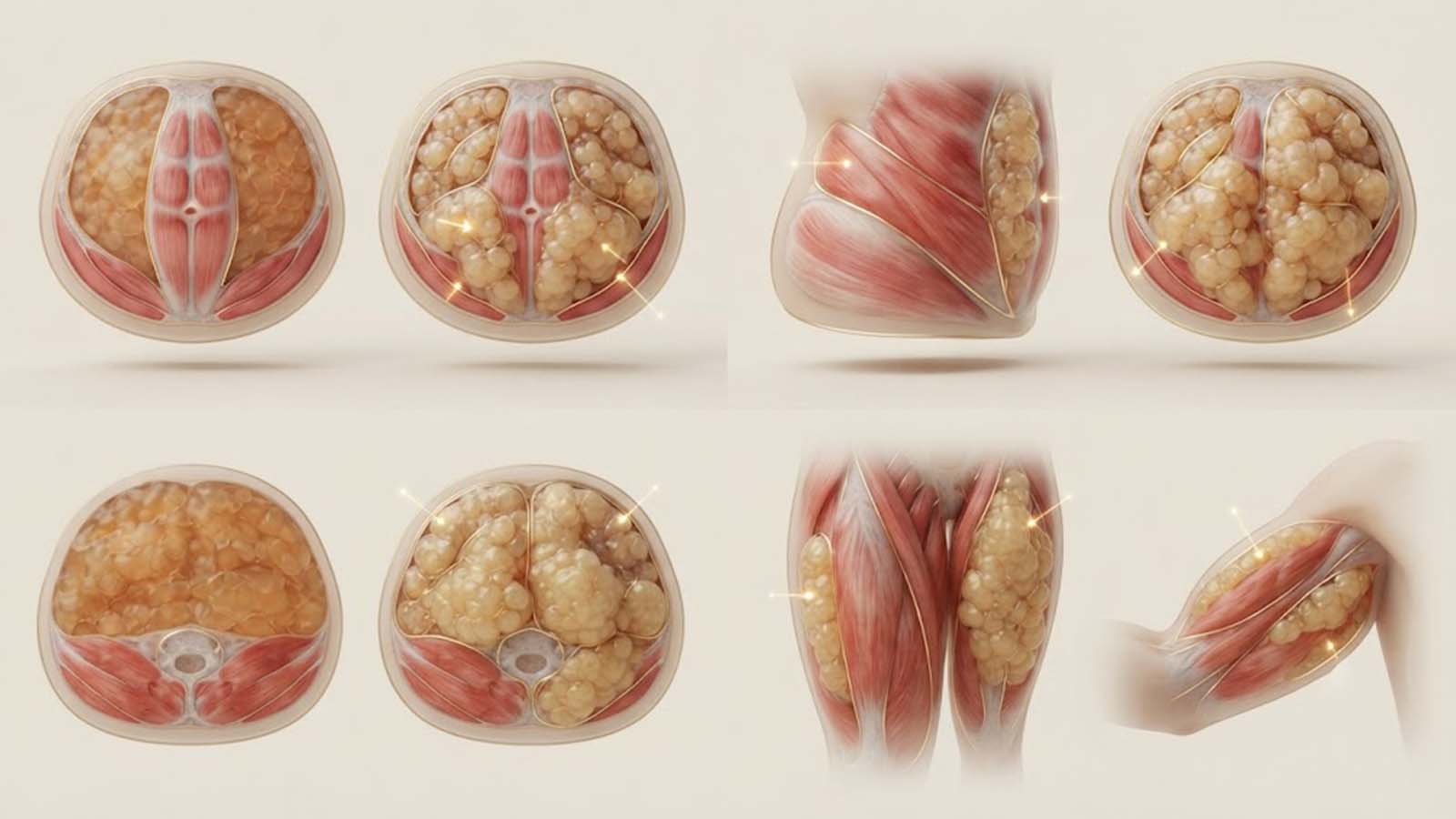
Localized fat accumulation develops due to a combination of biological, hormonal, and genetic factors.
Genetics
The distribution of body fat is largely determined by inherited traits.
Some individuals naturally store excess fat around the abdomen, thighs, hips, or flanks regardless of their body weight.
Hormonal Influences
Hormones regulate where fat is deposited and how easily it is mobilized.
Hormonal differences explain why fat distribution often differs between men and women.
Ageing
As metabolism gradually slows with age, fat distribution changes while muscle mass may decline.
This often contributes to increased fat accumulation in specific body regions.
Weight Fluctuations
Repeated cycles of weight gain and weight loss may alter fat distribution and affect skin elasticity.
Lifestyle
Although diet and exercise improve overall health, certain localized fat deposits remain resistant even in physically active individuals.
Understanding these biological factors helps determine whether liposuction is likely to provide meaningful contour improvement.
Understanding Fat Anatomy
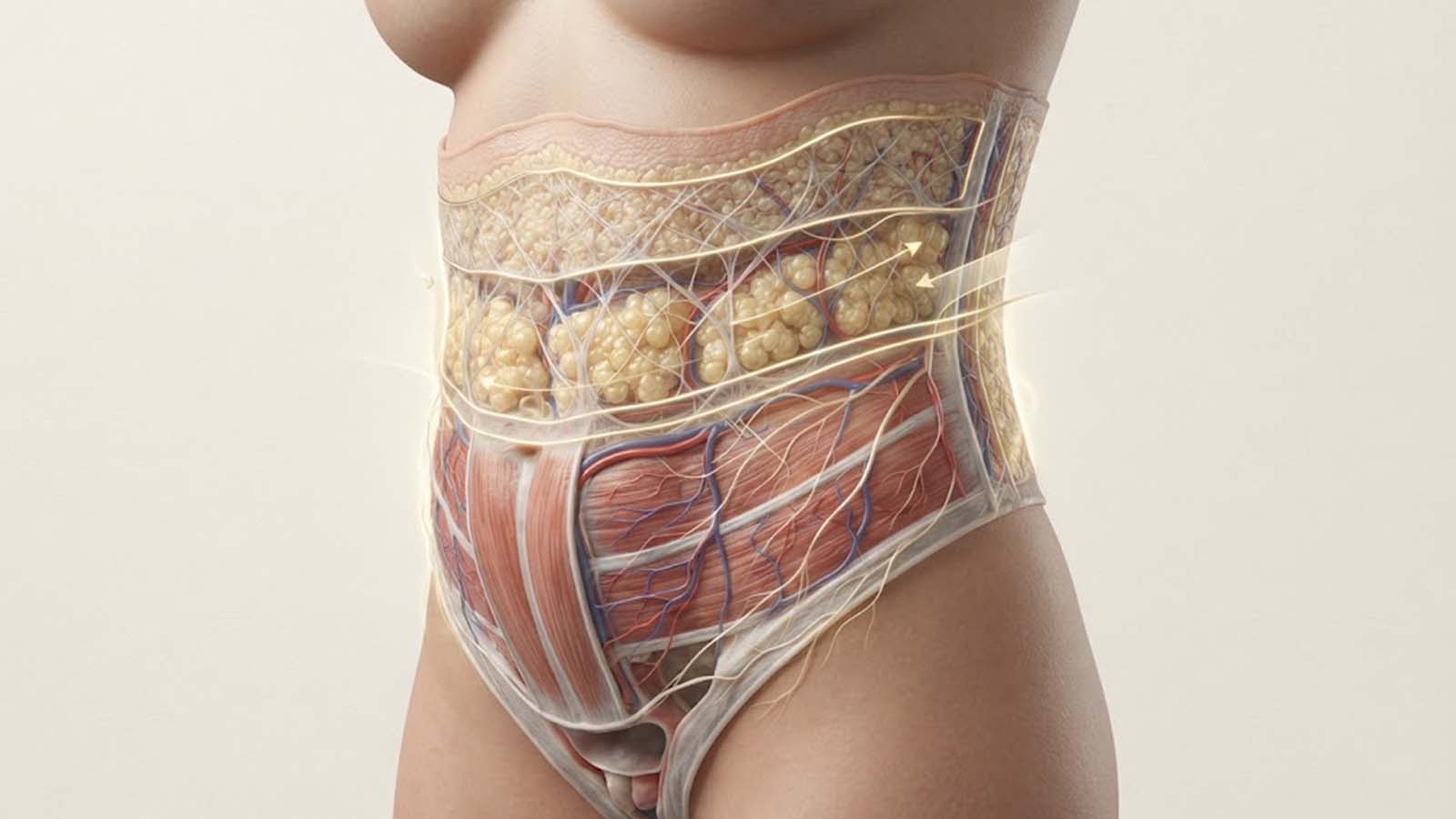
Successful liposuction requires an in-depth understanding of the body's fat layers and surrounding anatomical structures.
Subcutaneous Fat
This is the layer of fat located directly beneath the skin.
It is the primary target during cosmetic liposuction.
Deep Fat Compartments
Certain body regions contain deeper fat compartments that contribute significantly to body contour.
These areas may require careful sculpting to achieve balanced results.
Skin Envelope
Skin elasticity plays a major role in postoperative contour.
Good skin quality allows the skin to contract more effectively after fat removal.
Connective Tissue
Fibrous septae connect the skin to underlying structures.
Preserving these tissues helps maintain smooth body contours and reduces irregularities.
Muscles
Underlying muscles determine the body's natural definition.
Liposuction enhances existing muscular contours but does not create muscles that are not already present.
Blood Vessels and Lymphatics
Careful preservation of vascular and lymphatic structures minimizes swelling, bruising, and recovery time.
A detailed understanding of these anatomical layers allows surgeons to sculpt the body while preserving healthy tissue and maintaining natural transitions.
How Does Liposuction Improve Body Contours?
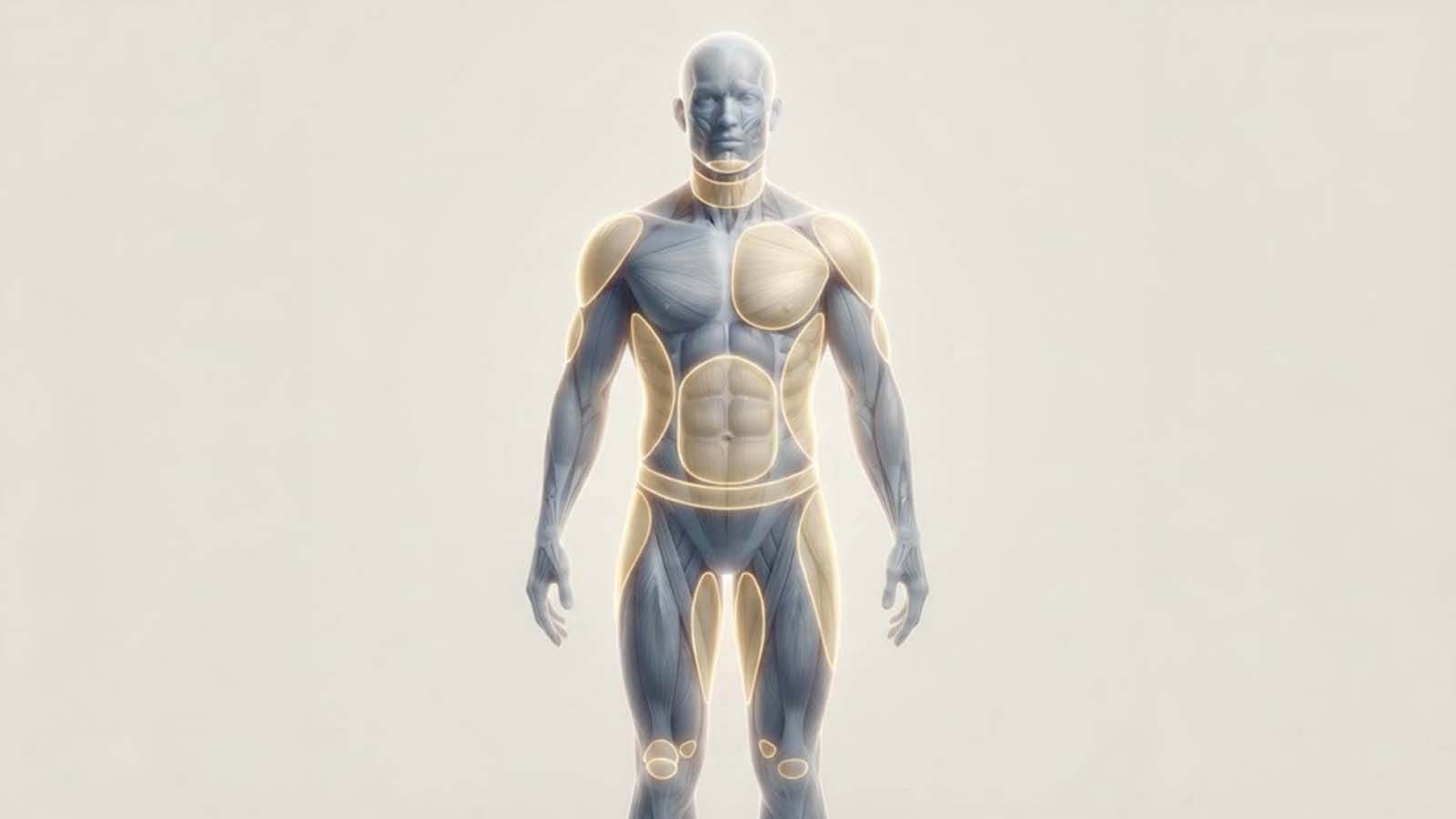
Liposuction selectively removes localized fat deposits while preserving surrounding tissues.
Rather than reducing overall body size, the procedure improves body proportions through strategic contouring.
Benefits may include:
Flatter Abdomen
Removal of localized abdominal fat creates a smoother abdominal profile.
Better Waist Definition
Contouring of the flanks improves the waistline and torso proportions.
Slimmer Thighs
Reducing inner or outer thigh fat improves leg contours and comfort.
Improved Arm Contours
Upper arm liposuction creates a more streamlined appearance.
Better Neck and Jawline Definition
Removal of fat beneath the chin enhances facial profile and jawline visibility.
Improved Body Proportions
Strategic fat removal creates better balance between the upper and lower body.
The objective is to create smooth, natural contours that complement the patient's existing anatomy rather than producing an artificial appearance.
Who Is a Good Candidate for Liposuction?
Liposuction is most appropriate for individuals who are close to their ideal body weight but have localized fat deposits that persist despite healthy lifestyle habits.
You may be a suitable candidate if you:
Have stubborn fat pockets.
Maintain a stable body weight.
Have good skin elasticity.
Are physically healthy.
Do not smoke or are willing to stop during recovery.
Have realistic expectations.
Understand that liposuction is not a weight-loss procedure.
Patients with significant obesity or poor skin elasticity may benefit from alternative or additional body contouring procedures.
What Concerns Can Liposuction Address?
Liposuction may improve several aesthetic concerns.
Localized Fat Deposits
Removes stubborn fat resistant to diet and exercise.
Poor Body Proportions
Creates improved balance between different body regions.
Love Handles
Contours the waist and flanks.
Double Chin
Improves neck definition and facial profile.
Upper Arm Fullness
Reduces excess fat for slimmer arm contours.
Thigh Contouring
Improves both inner and outer thigh shape.
Male Chest Fullness
May improve pseudogynecomastia caused primarily by excess fatty tissue.
Personalized Liposuction Planning
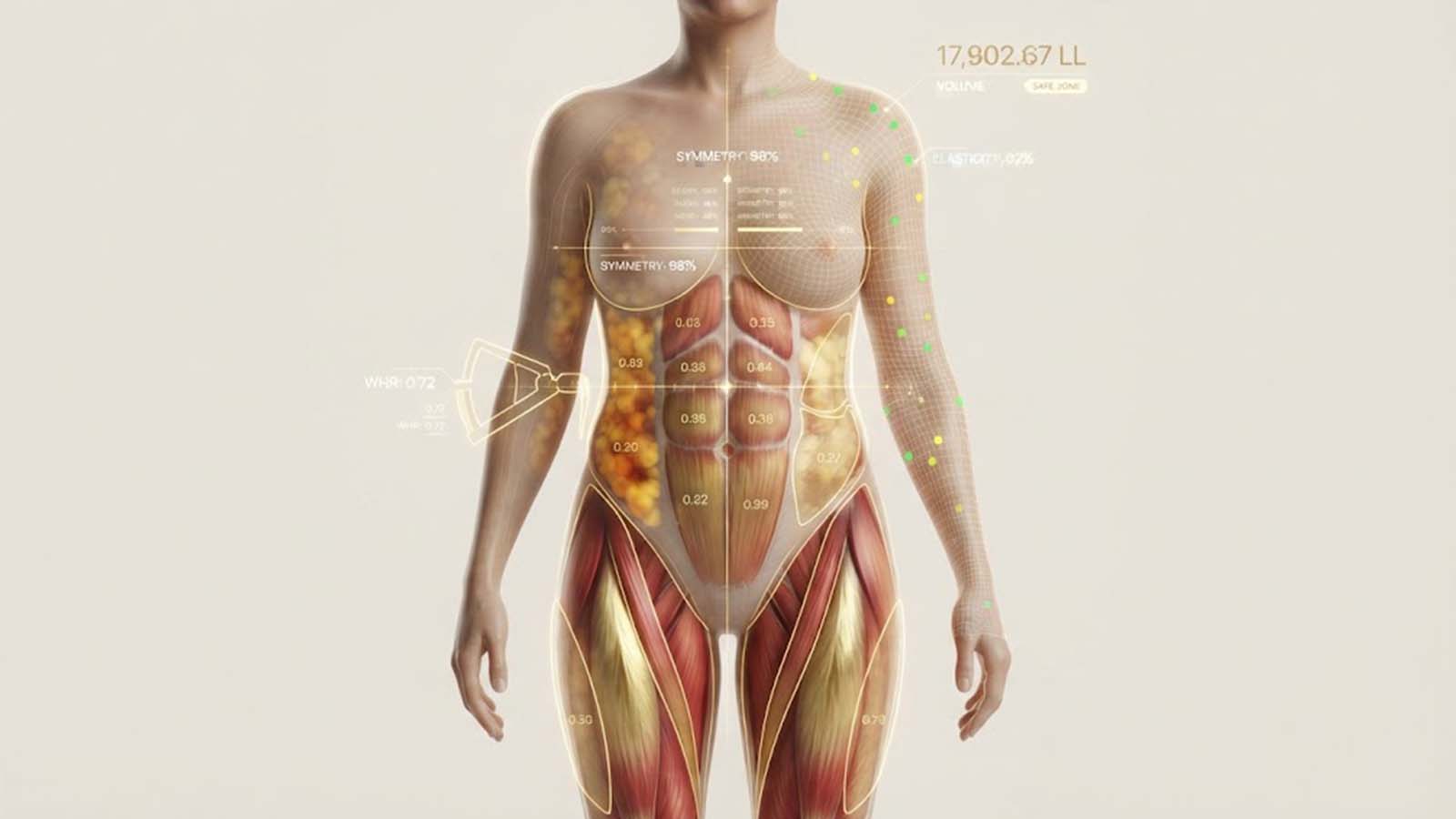
No two bodies store fat in the same way. Some patients accumulate fat predominantly around the abdomen and waist, while others are more affected in the thighs, arms, back, or neck. Skin elasticity, muscle definition, body fat percentage, previous weight changes, age, and overall body proportions all influence the surgical approach and the amount of fat that can be safely removed while maintaining smooth contours.
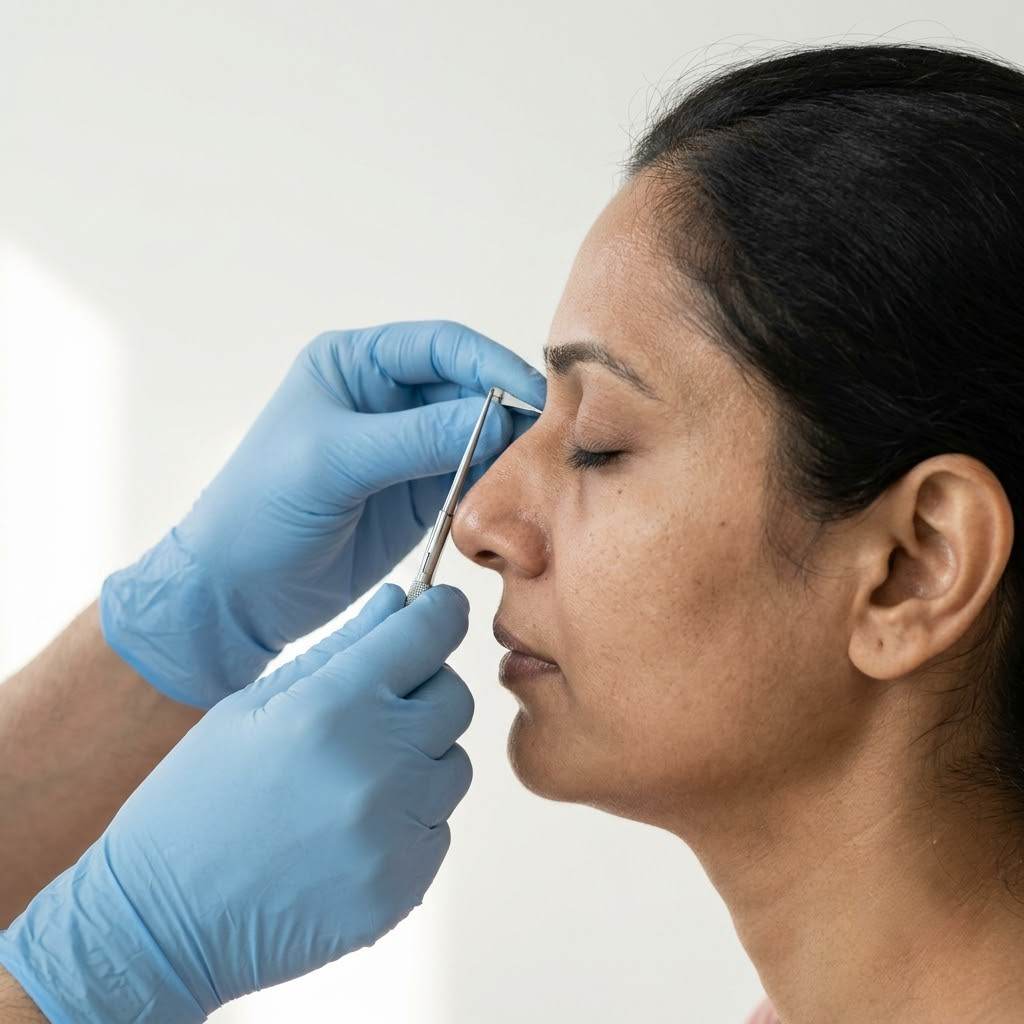
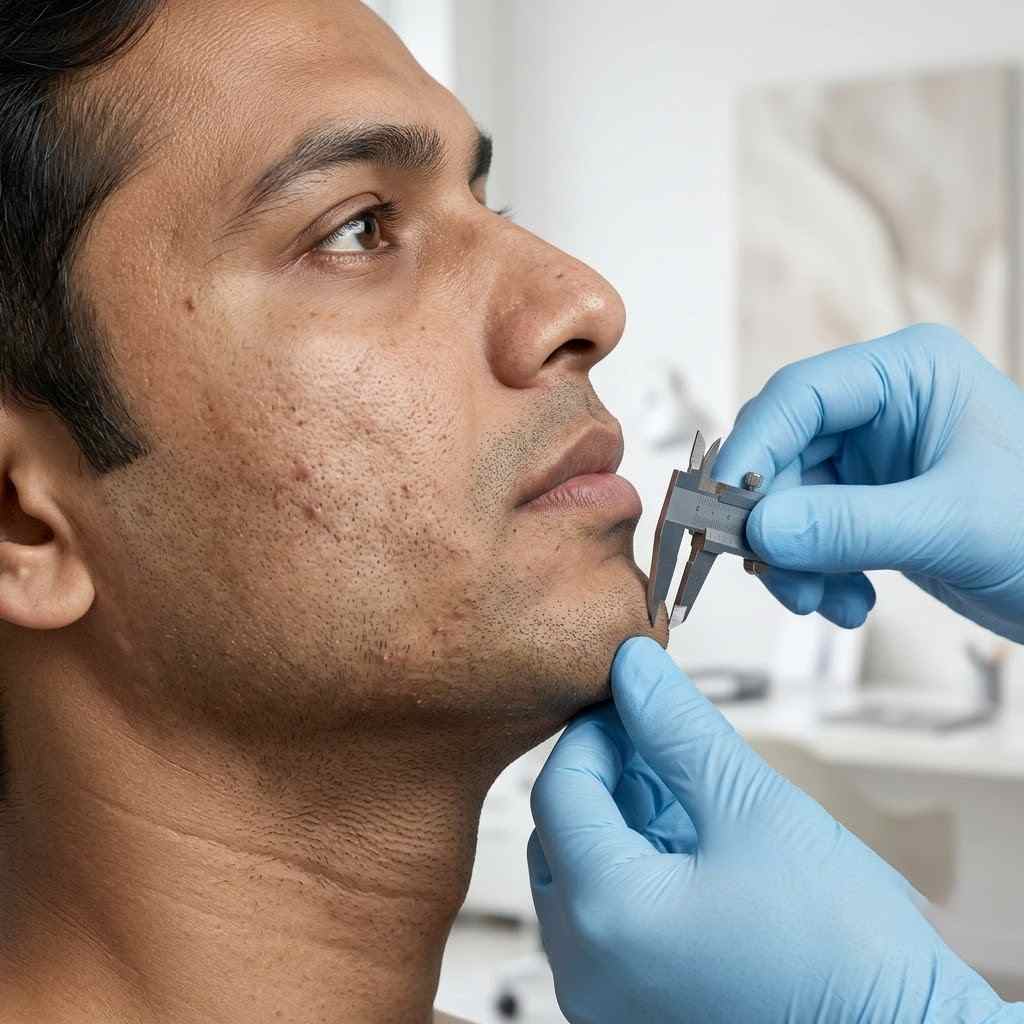
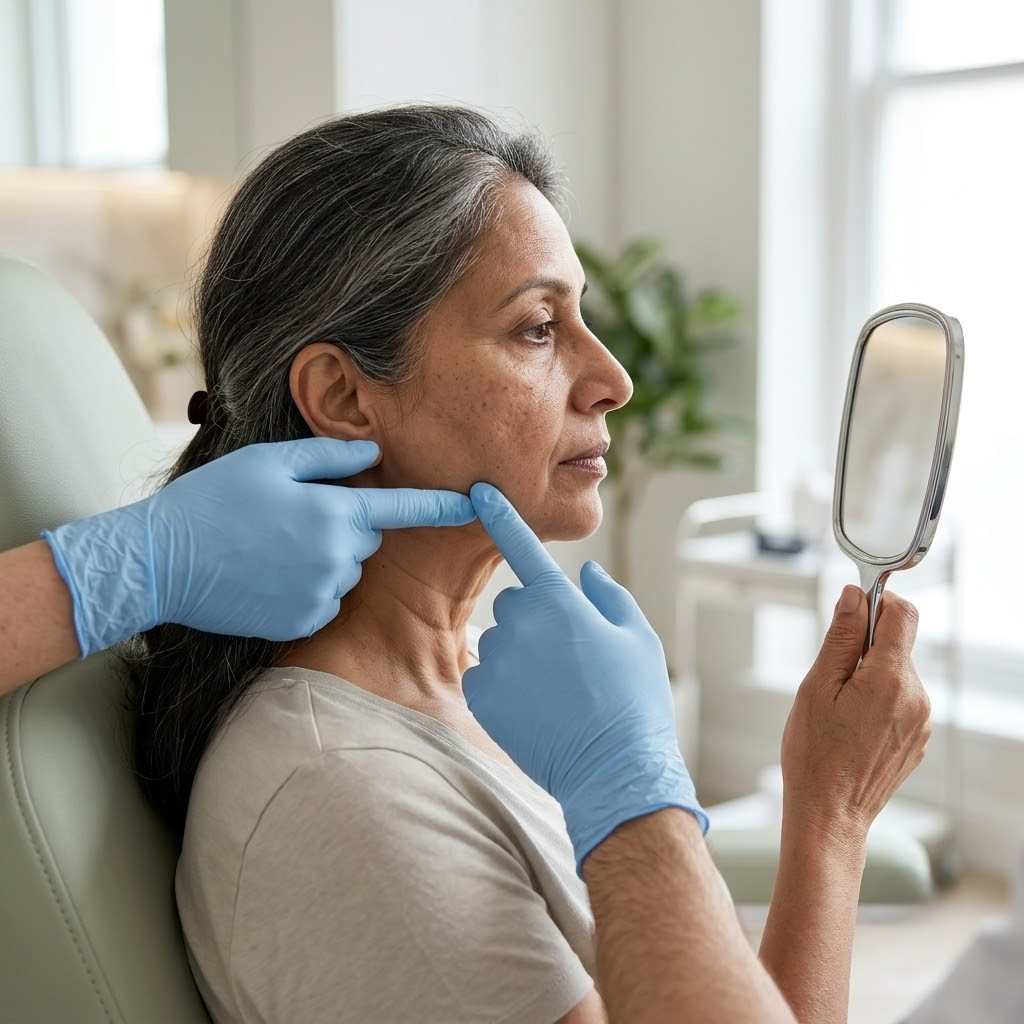
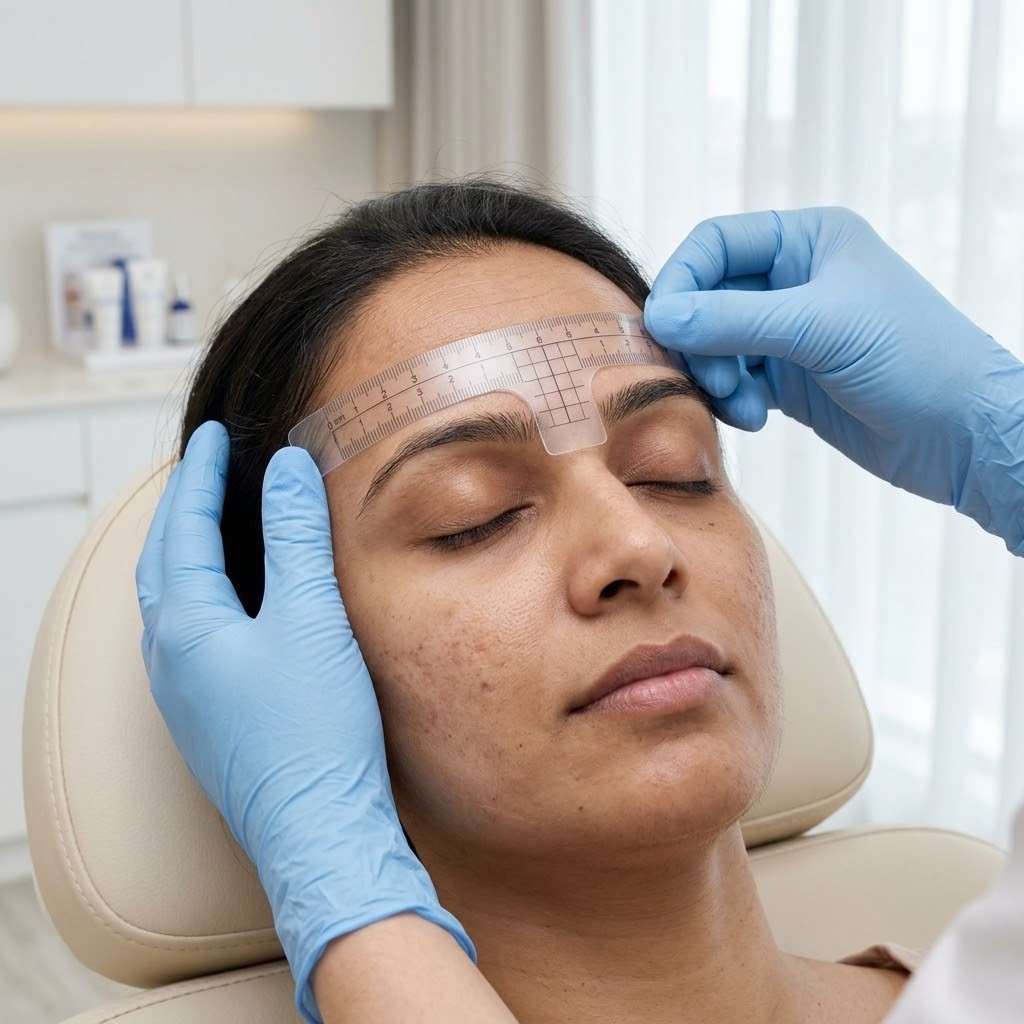
At Hair & Shape Clinic, every patient undergoes a comprehensive body contour assessment before liposuction is recommended. The quality of the skin, location of fat deposits, thickness of the subcutaneous fat layer, muscle definition, and natural body proportions are carefully evaluated to determine the most appropriate treatment plan. Areas requiring contour enhancement are mapped precisely so that fat removal is balanced and harmonious rather than excessive.
The objective is not simply to remove fat but to sculpt natural-looking body contours that complement the patient's anatomy, preserve skin quality, and provide long-lasting aesthetic improvement.
What Happens During Liposuction?
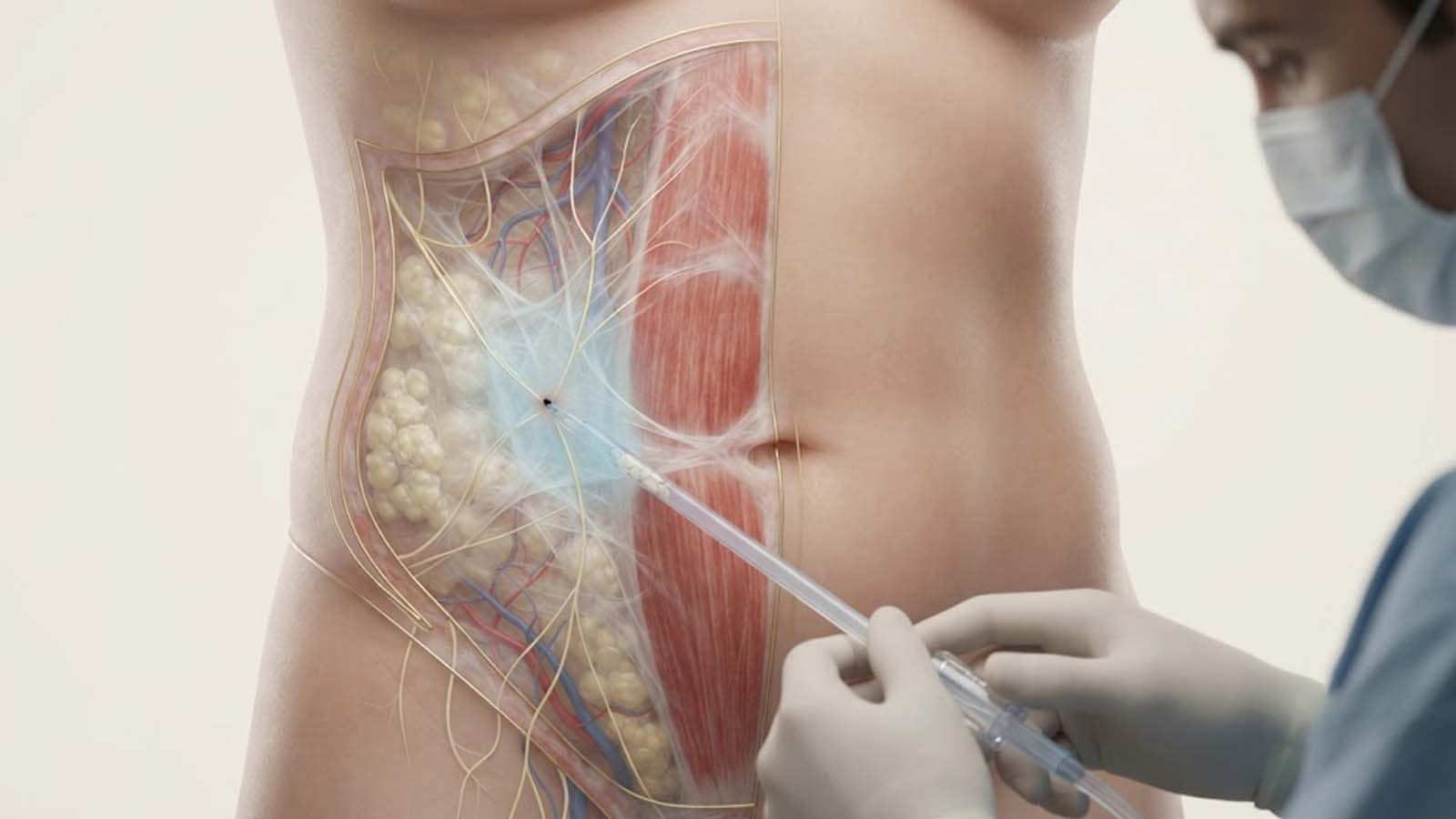
Liposuction is performed in an accredited operating facility under sterile conditions using carefully planned body contouring techniques. Depending on the number of treatment areas, the amount of fat being removed, and whether liposuction is combined with other procedures, surgery generally takes between one and four hours.
Every procedure is individualized according to the patient's anatomy, fat distribution, skin quality, and desired body contours.
A typical liposuction procedure includes the following stages.
Step 1: Preoperative Planning
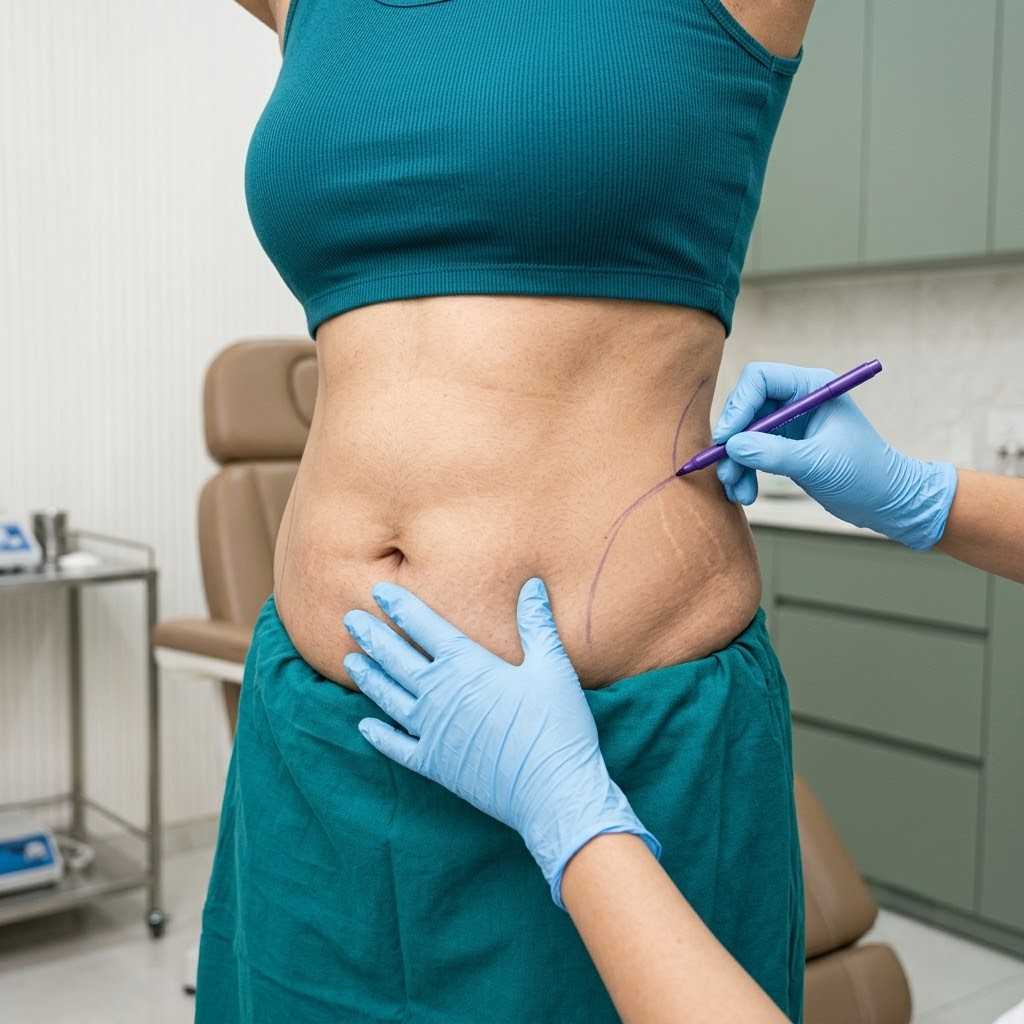
Before surgery, detailed markings are made while the patient is standing.
The surgeon carefully evaluates:
Treatment areas.
Fat thickness.
Body symmetry.
Natural body proportions.
Skin elasticity.
Muscle definition.
Areas requiring contour enhancement.
Safe fat removal limits.
These markings serve as a surgical roadmap to achieve balanced, natural-looking body contours.
Step 2: Anaesthesia
Depending on the number and size of the treatment areas, liposuction may be performed under local anaesthesia with sedation or general anaesthesia.
Throughout the procedure, your vital signs are continuously monitored to ensure safety.
Step 3: Tumescent Solution
A specially prepared tumescent solution containing saline, local anaesthetic, and a medication that reduces bleeding is introduced into the treatment area.
This solution:
Minimizes blood loss.
Improves patient comfort.
Reduces bruising.
Helps loosen fat cells for easier removal.
The tumescent technique has significantly improved the safety and precision of modern liposuction.
Step 4: Fat Removal
Small hidden incisions, usually only a few millimetres long, are made near the treatment area.
A thin hollow tube called a cannula is inserted beneath the skin.
The surgeon carefully moves the cannula through the fat layer to selectively remove fat while preserving blood vessels, connective tissue, nerves, and the natural contour of the body.
Rather than removing the maximum amount of fat possible, the focus is on achieving smooth, symmetrical, and aesthetically pleasing contours.
Step 5: Body Sculpting
After the desired amount of fat has been removed, the surgeon carefully evaluates the body from multiple angles.
Minor contour adjustments may be performed to ensure smooth transitions between treated and untreated areas while maintaining natural body proportions.
Step 6: Closure
Most liposuction incisions are extremely small and may require only a single suture or may be left to heal naturally depending on the technique used.
Compression garments are applied immediately after surgery to reduce swelling, support healing, and help the skin adapt to its new contours.
Types of Liposuction
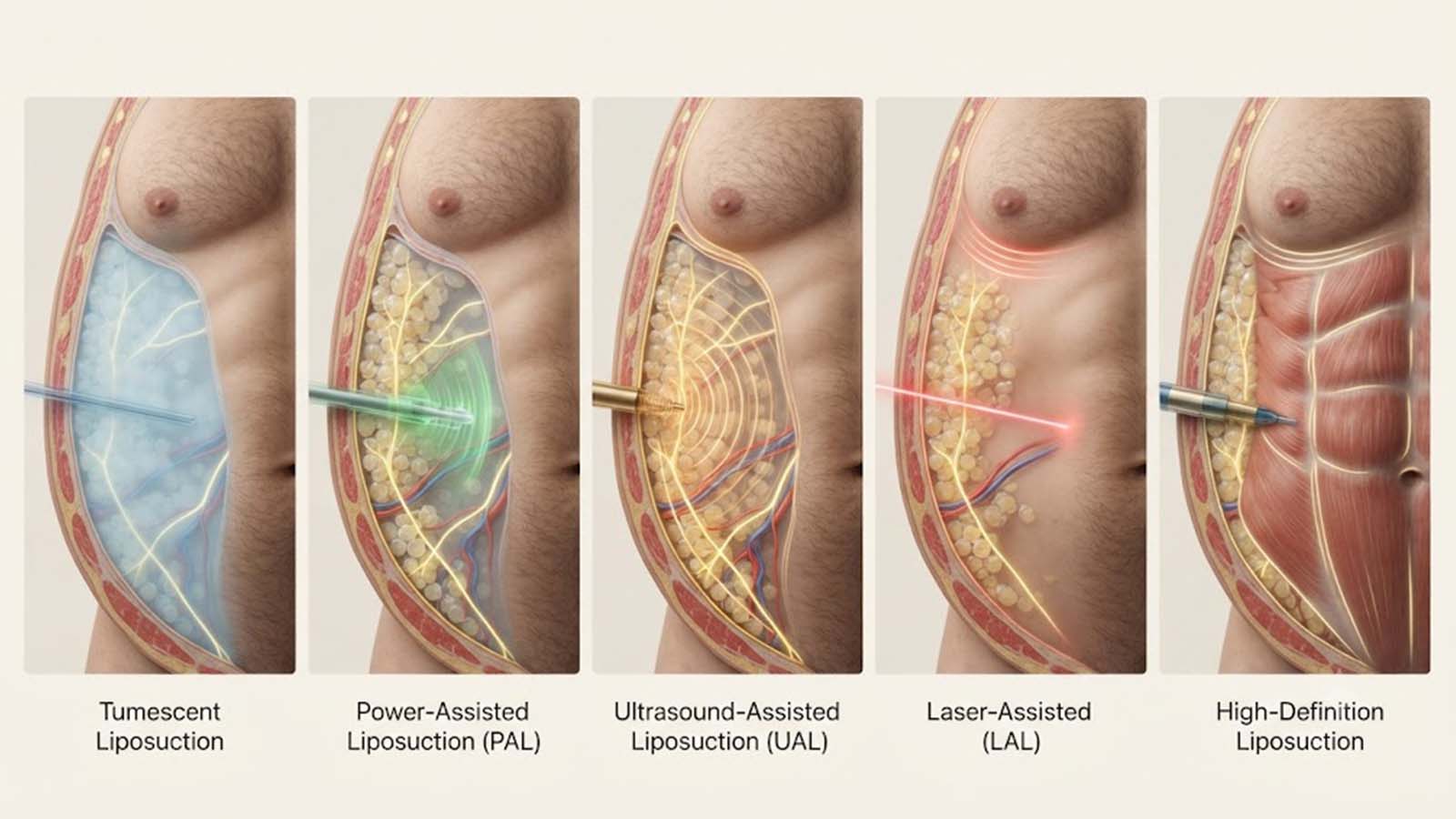
Several liposuction techniques are available, each suited to different treatment goals and anatomical considerations.
Tumescent Liposuction
This is the most commonly performed technique worldwide.
A large volume of tumescent solution is introduced before fat removal, improving safety, reducing bleeding, and facilitating smoother contouring.
Power-Assisted Liposuction (PAL)
A specialized vibrating cannula helps loosen fat more efficiently.
This technique is particularly useful for treating larger areas or denser fat deposits while reducing surgeon fatigue.
Ultrasound-Assisted Liposuction (UAL)
Ultrasound energy liquefies fat before removal.
It may be beneficial in fibrous areas such as the male chest, upper back, or revision liposuction cases.
Laser-Assisted Liposuction (LAL)
Laser energy is used to disrupt fat cells before suction.
Some patients may experience mild skin-tightening effects, although results vary depending on skin quality.
High-Definition Liposuction
This advanced contouring technique selectively removes fat around natural muscle boundaries to enhance muscular definition.
Rather than simply reducing fat, high-definition liposuction creates a more athletic appearance in carefully selected patients.
What Results Can You Expect After Liposuction?

Although swelling temporarily masks the final outcome, many patients notice improved body contours immediately after surgery.
As healing progresses, the results become increasingly refined.
Improved Body Shape
Localized fat removal creates smoother and more balanced body proportions.
Better Waist Definition
Abdominal and flank contouring often produces a more defined waistline.
Slimmer Body Contours
The treated areas appear leaner and more proportionate.
Enhanced Muscle Definition
Natural muscle contours become more visible once excess fat is removed.
Better Clothing Fit
Many patients find clothing fits more comfortably and appears better tailored to their body.
Long-Lasting Results
The fat cells removed during liposuction do not regenerate.
Maintaining a stable body weight helps preserve results for many years.
Final contours continue to improve over three to six months as swelling gradually resolves and the skin contracts around the treated areas.
What Is Recovery Like After Liposuction?
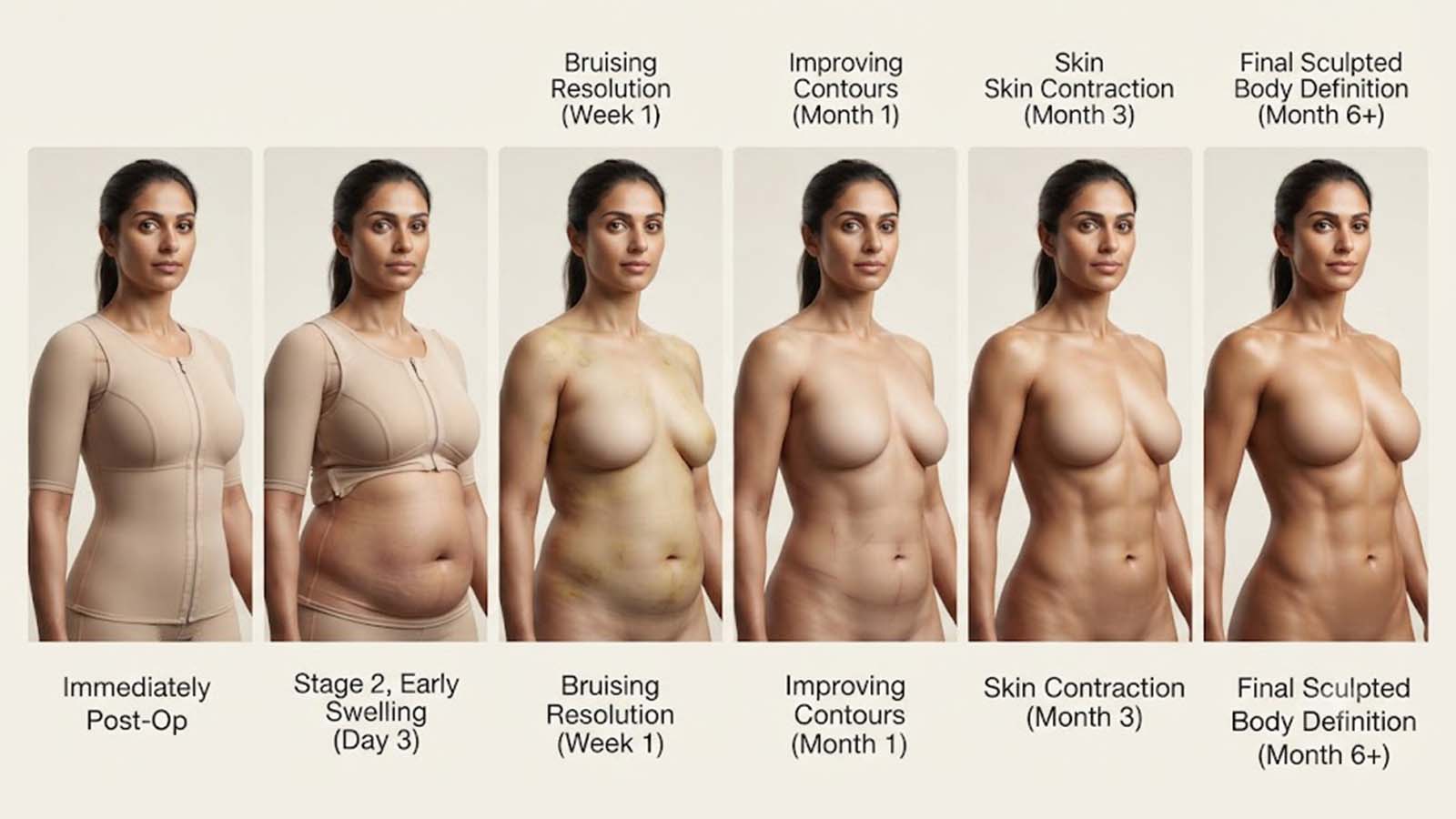
Recovery depends on the number of treatment areas, the volume of fat removed, and individual healing characteristics.
Healing generally progresses through several stages.
Immediately After Surgery
Patients commonly experience:
Swelling.
Bruising.
Mild soreness.
Temporary fluid drainage from incision sites.
Tightness in the treated areas.
These symptoms are expected and gradually improve.
First Week
Compression garments are worn continuously to minimize swelling and support skin contraction.
Walking is encouraged soon after surgery to promote healthy circulation.
Two to Six Weeks
Bruising steadily fades.
Swelling gradually decreases.
Most patients return to work and light daily activities within several days to two weeks, depending on the extent of treatment.
Exercise is resumed gradually according to the surgeon's recommendations.
Several Months
Residual swelling continues to improve.
The skin adapts to the newly sculpted contours.
Scars become less noticeable over time.
Long-Term Healing
Final body contours typically become visible between three and six months after surgery as healing is completed.
Are There Any Risks or Limitations?
Liposuction is generally considered safe when performed by an experienced plastic surgeon, but every surgical procedure carries potential risks.
Possible complications include:
Bleeding.
Infection.
Swelling.
Bruising.
Temporary numbness.
Fluid accumulation (seroma).
Contour irregularities.
Skin laxity.
Pigment changes around incision sites.
Blood clots in rare cases.
Need for revision surgery.
It is also important to understand the limitations of liposuction.
Liposuction is not a treatment for obesity, loose skin, cellulite, or significant weight loss. Patients with severe skin laxity may require additional body contouring procedures such as a tummy tuck, arm lift, or thigh lift to achieve optimal results.
Maintaining a healthy diet, regular exercise, and a stable body weight are essential for preserving long-term outcomes.
How Much Does Liposuction Cost in Mumbai?
The cost of liposuction varies according to the number of treatment areas, the volume of fat removed, the surgical technique used, and whether liposuction is combined with other body contouring procedures.
Factors influencing treatment cost include:
Number of treatment areas.
Volume of fat removal.
Type of liposuction.
Anaesthesia.
Operating facility charges.
Compression garments.
Postoperative care.
Following a comprehensive consultation, your surgeon will provide a personalized treatment plan outlining the recommended procedure, anticipated recovery, expected outcomes, and associated costs.
Why Choose Hair & Shape for Liposuction?
Successful liposuction is an exercise in precision rather than volume. The goal is not to remove as much fat as possible but to sculpt balanced body contours that complement the patient's natural anatomy. Achieving smooth transitions, preserving skin quality, and maintaining symmetry require a detailed understanding of fat anatomy, body proportions, and advanced contouring techniques.
At Hair & Shape Clinic, every patient undergoes a comprehensive body contour evaluation before surgery is recommended. Fat distribution, skin elasticity, muscle definition, body composition, and overall proportions are carefully assessed to develop an individualized surgical plan. Modern liposuction techniques focus on selective fat removal while preserving healthy connective tissue and supporting natural skin contraction, resulting in refined, harmonious contours that look athletic rather than overcorrected.
Why Does Personalized Liposuction Planning Matter?
Every body stores fat differently, making individualized planning essential for achieving natural, long-lasting results.
Fat Distribution Is Unique to Every Individual
Some patients benefit from abdominal contouring, while others require treatment of the flanks, thighs, arms, back, or multiple areas to restore balanced body proportions.
Skin Elasticity Influences the Final Result
Patients with firm, elastic skin typically experience better skin contraction after fat removal, while those with reduced elasticity may require additional skin-tightening procedures.
Body Contouring Is More Than Fat Removal
The surgeon must preserve natural curves, smooth transitions, and anatomical landmarks to create results that appear balanced and realistic.
Safe Fat Removal Is a Priority
Removing excessive amounts of fat may increase the risk of contour irregularities and compromise healing. Surgical planning focuses on achieving aesthetic improvement while remaining within safe medical limits.
Long-Term Results Depend on Lifestyle
Although removed fat cells do not return, maintaining a healthy weight through balanced nutrition and regular physical activity helps preserve your new body contours for years.
International Patients Seeking Liposuction in Mumbai
Hair & Shape Clinic welcomes patients from across India and around the world seeking advanced body contouring procedures.
Our international patient pathway is designed to provide a seamless experience from consultation through recovery.
Before You Travel
Virtual consultations, medical history review, clinical photographs, and discussion of your aesthetic goals help determine the most appropriate treatment plan before your visit.
During Your Stay
Your treatment includes an in-person consultation, personalized body contour analysis, liposuction surgery, postoperative monitoring, compression garment guidance, wound care instructions, and recovery planning before returning home.
Returning Home
Follow-up consultations can often be conducted remotely. Continued guidance regarding compression garment use, activity progression, scar care, swelling management, healing milestones, and long-term body contour maintenance helps support a smooth recovery wherever you live.
What to Expect
Consultation
A detailed assessment of your goals, suitability, and a personalised plan.
Preparation
Clear pre-treatment guidance so you arrive fully prepared and at ease.
The Procedure
Your treatment, performed by our specialists with comfort and safety first.
Aftercare
Structured recovery support and follow-ups to protect your results.
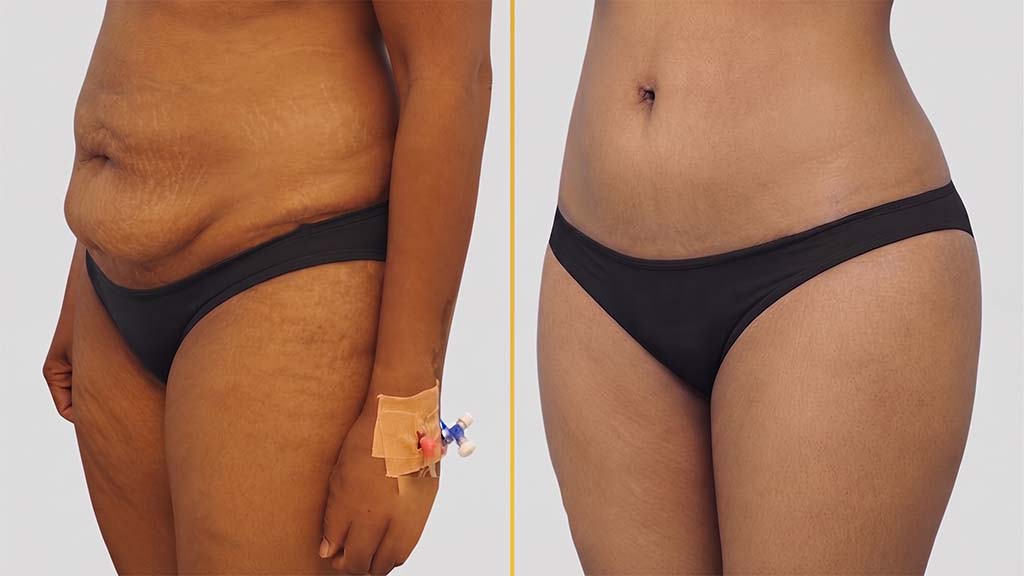
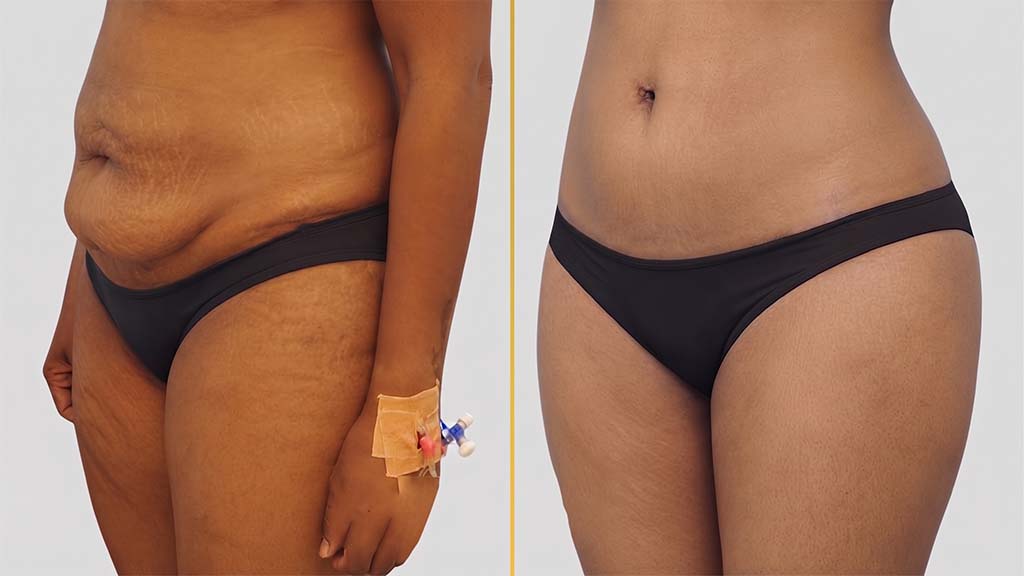
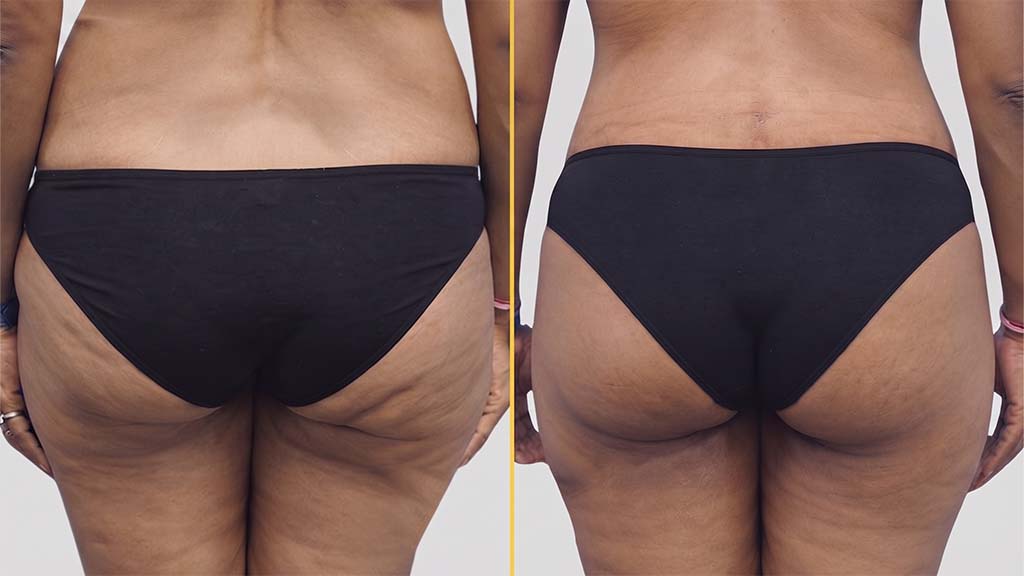
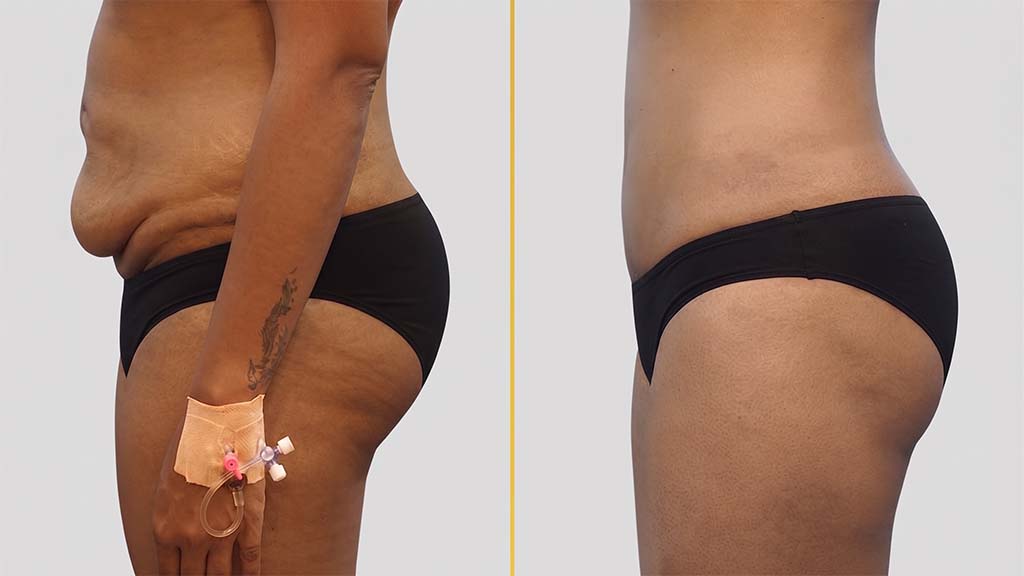
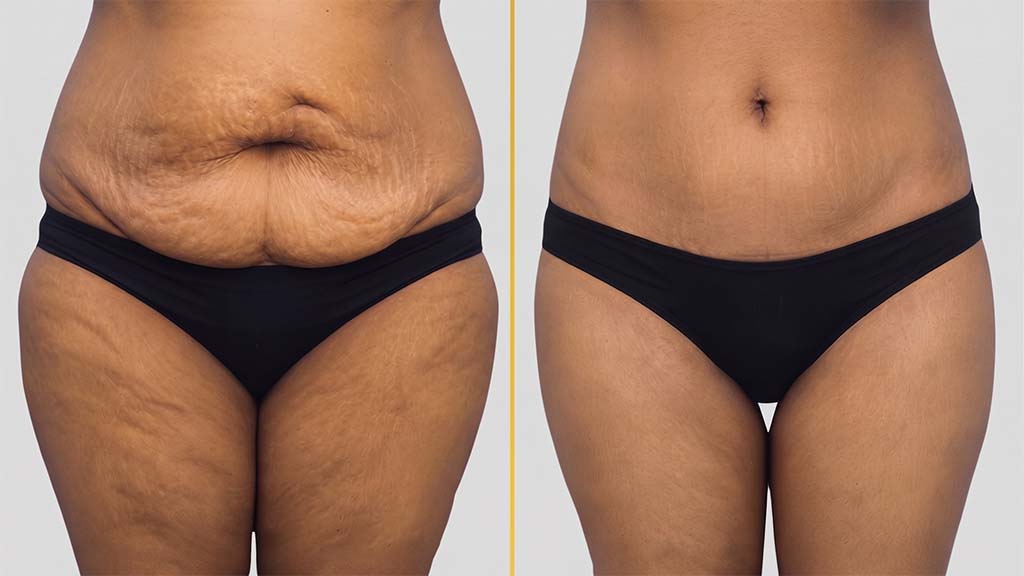
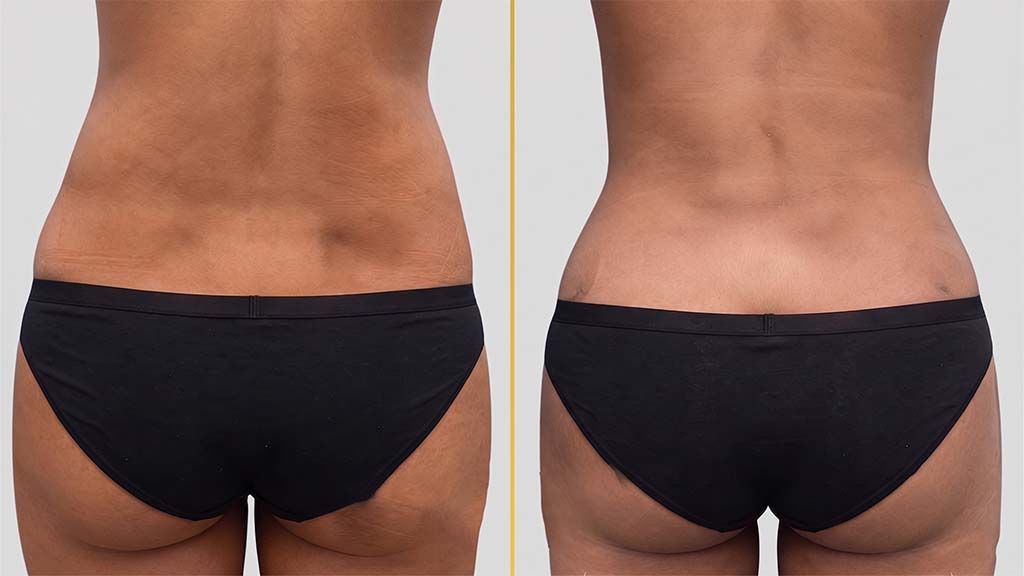
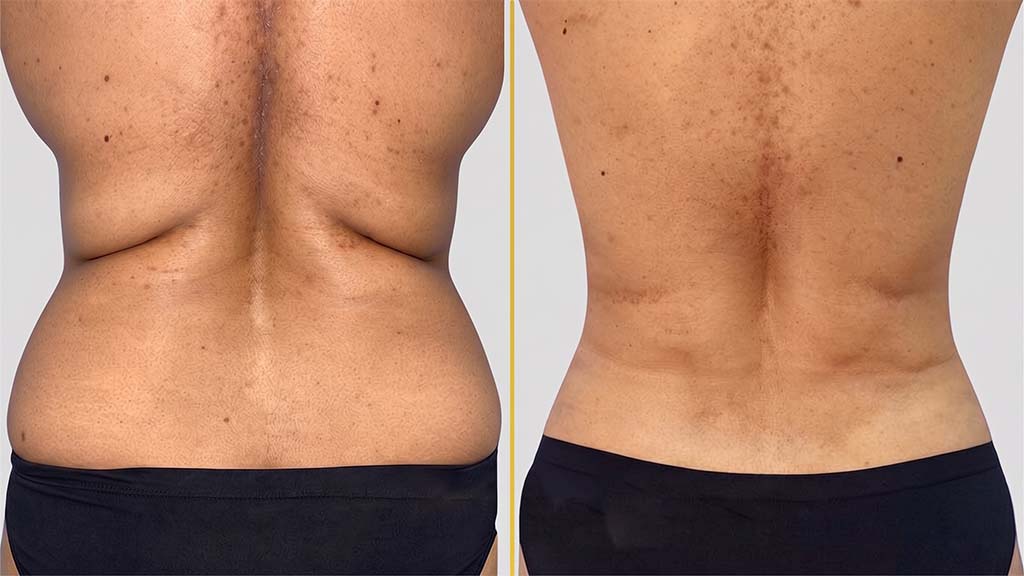
Before & After Transformations
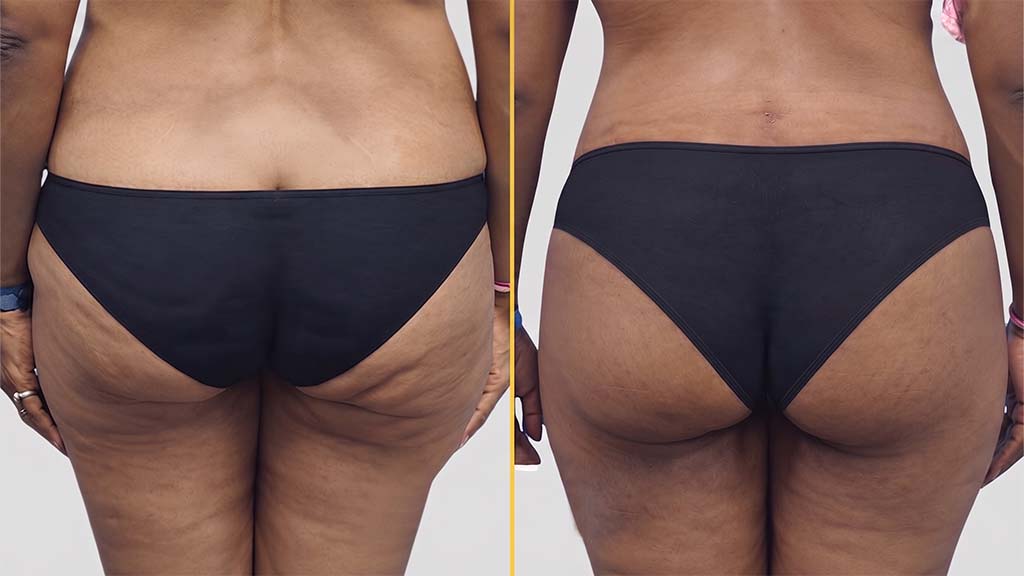
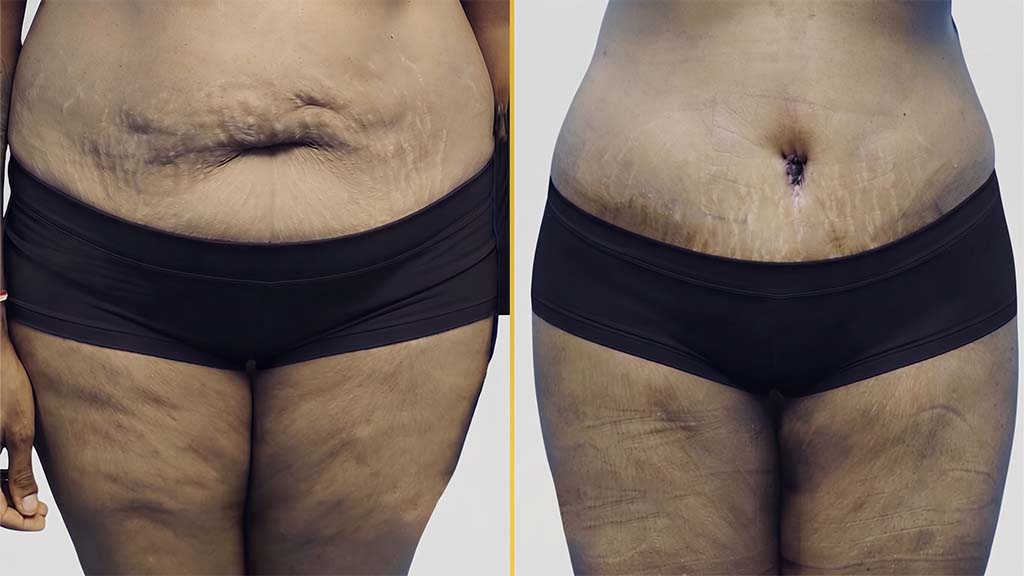
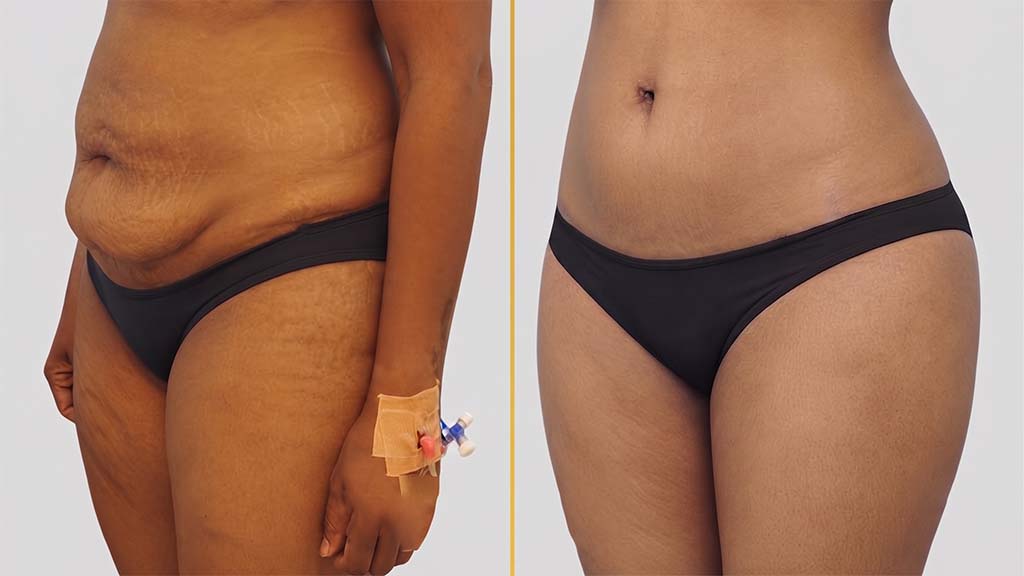
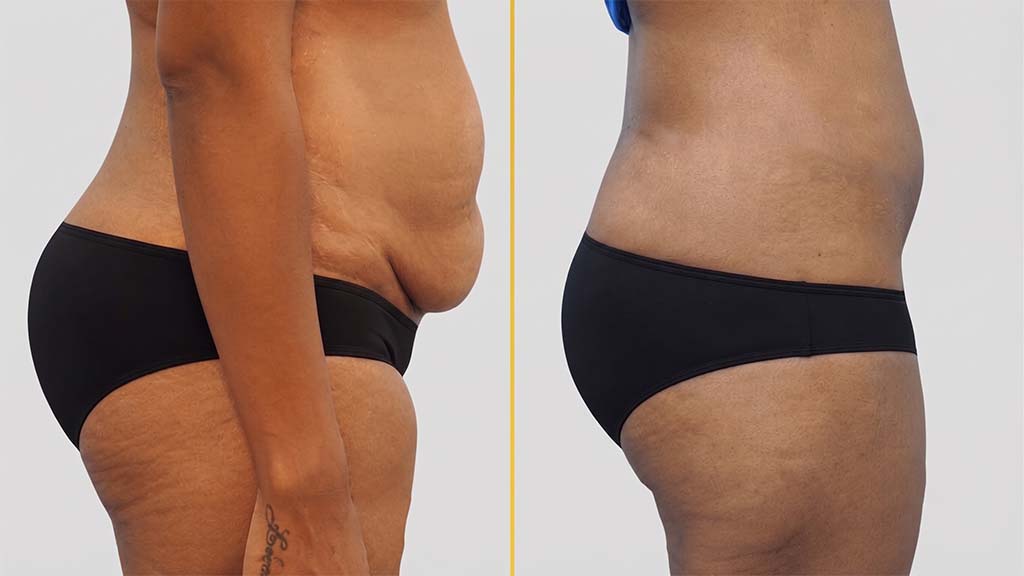
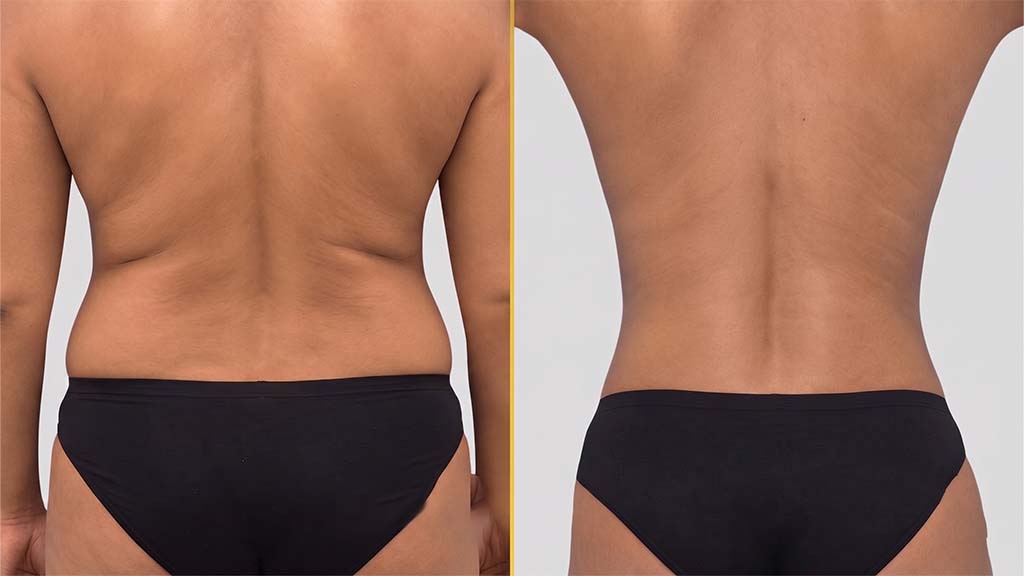
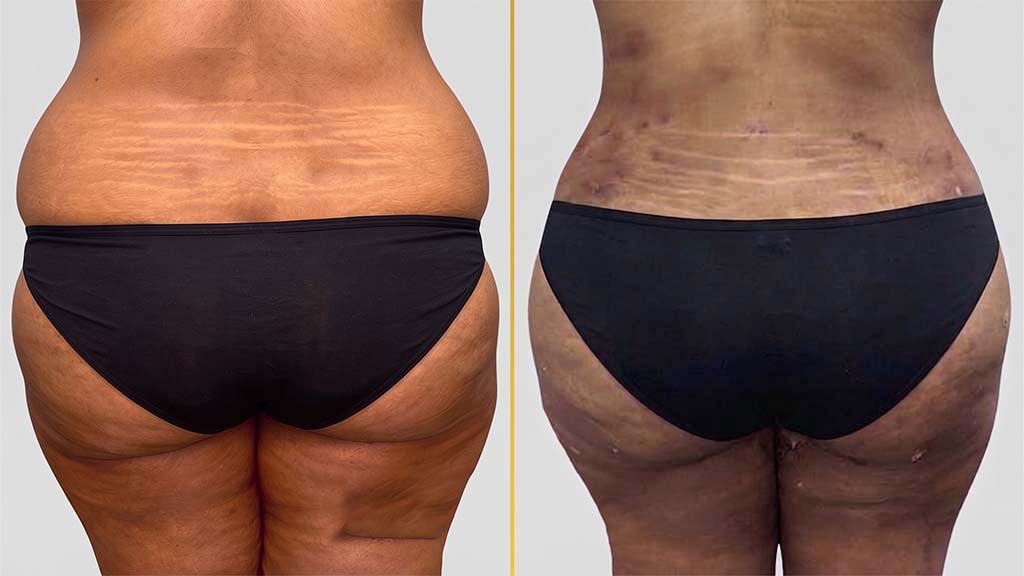
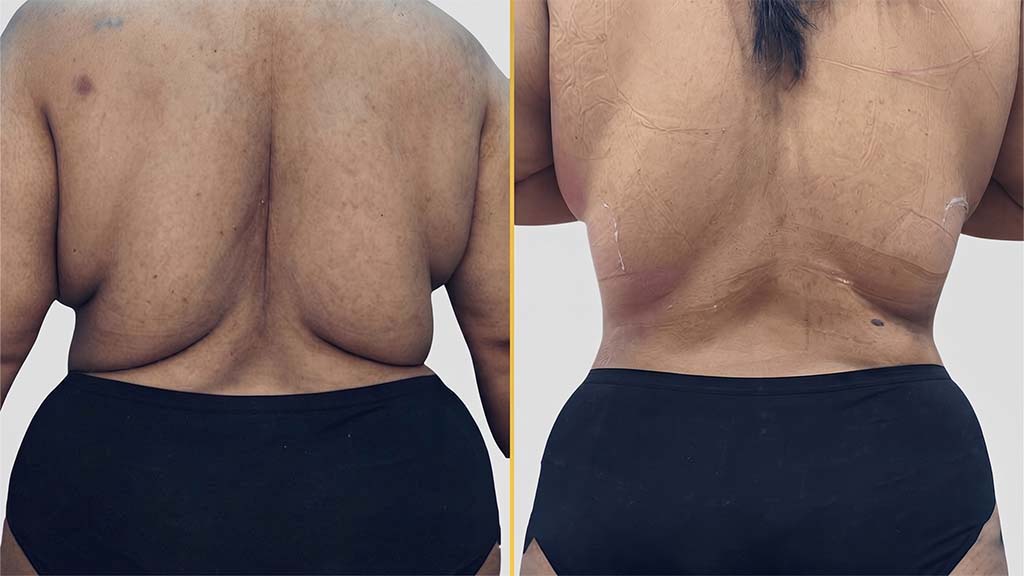
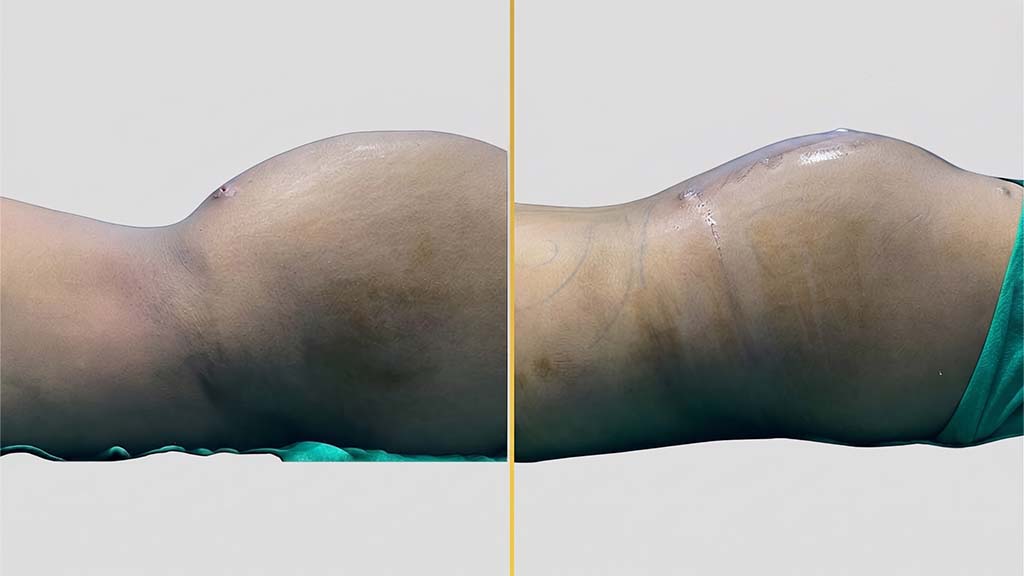
Frequently Asked Questions
Everything you need to know about Liposuction. Still curious? Our team is one message away.
How long do liposuction results last?
The improvements achieved through liposuction are generally long-lasting when supported by a stable weight and healthy lifestyle. Ageing and future weight fluctuations may continue to influence body shape over time.
Will my results look natural?
Natural-looking outcomes depend on careful surgical planning, balanced fat removal, and respect for individual anatomy. The goal is to improve body proportions, not create an over-corrected appearance.
Does liposuction tighten loose skin?
Liposuction primarily removes fat rather than tightening skin. The appearance of the skin after surgery depends on factors such as elasticity, age, and overall tissue quality. During consultation, these factors are carefully evaluated before recommending treatment.
Which body areas can be treated with liposuction?
Depending on individual anatomy, liposuction may be performed on areas such as the abdomen, waist, flanks, thighs, arms, back, chin, and other regions with localized fat deposits.
Can fat return after liposuction?
Fat cells removed during liposuction do not regenerate. However, remaining fat cells can still enlarge if significant weight gain occurs. Maintaining a stable weight and healthy lifestyle helps preserve long-term results.
Is liposuction a weight-loss procedure?
No. Liposuction is designed to improve body contour by removing localized fat deposits that remain resistant to diet and exercise. It is not intended to replace weight loss or obesity treatment.
Begin Your Liposuction Journey
Book a consultation today and let our specialists craft a plan built entirely around you.