 Gender Reassignment
Vitiligo In Mumbai
Repigmentation therapies and supportive care for even skin tone.
Vitiligo Treatment in Mumbai
Vitiligo is a chronic skin condition characterized by the loss of melanocytes, the specialized cells responsible for producing melanin, the natural pigment that gives skin, hair, and eyes their color. As melanocytes are gradually destroyed or become non-functional, sharply defined white patches develop on different areas of the body. These patches may remain stable for years in some individuals, while in others they may slowly enlarge or appear in new locations over time.
Although vitiligo primarily affects skin pigmentation, it is far more than a cosmetic concern. The condition can have a profound psychological and emotional impact, influencing self-confidence, social interactions, and overall quality of life. Importantly, vitiligo is not contagious, cannot be spread through physical contact, and is not caused by poor hygiene or skin infections.
Current medical research suggests that vitiligo is an autoimmune disorder in which the body's immune system mistakenly attacks healthy melanocytes. Genetic predisposition, autoimmune diseases, oxidative stress, environmental triggers, skin injury, and certain inflammatory processes may all contribute to its development. Because the disease behaves differently in every individual, treatment requires careful evaluation and personalized planning.
Modern dermatology offers several evidence-based treatment options that aim to stabilize disease progression, stimulate melanocyte regeneration, encourage repigmentation, and improve cosmetic appearance. Depending on the severity and type of vitiligo, treatment may include topical medications, phototherapy, excimer laser therapy, surgical melanocyte transplantation, camouflage techniques, and individualized skincare.
At Hair & Shape Clinic, every Vitiligo Treatment begins with a comprehensive dermatological assessment. The type of vitiligo, disease activity, body surface involvement, skin type, previous treatments, associated autoimmune conditions, and individual treatment goals are carefully evaluated before developing a personalized management plan. Our objective is not only to restore pigmentation wherever medically possible but also to preserve healthy skin, stabilize disease activity, and support long-term skin health through evidence-based care.
What Is Vitiligo?
Vitiligo is a chronic autoimmune pigmentation disorder in which melanocytes are progressively destroyed or become inactive, leading to areas of skin that lose their natural color.
Unlike tanning or temporary pigmentation changes, vitiligo represents a true loss of pigment-producing cells.
The condition may affect:
Face.
Lips.
Hands.
Fingers.
Arms.
Legs.
Feet.
Neck.
Around the eyes.
Around the mouth.
Genital region.
Scalp and hair.
Any other area of the body.
Some individuals develop only a few isolated patches, while others experience more extensive pigment loss affecting larger areas.
Although vitiligo has no permanent cure at present, many patients achieve meaningful repigmentation and long-term disease control through individualized dermatological treatment.
Why Does Vitiligo Develop?
Vitiligo develops through a complex interaction of immune dysfunction, genetics, and environmental influences.
Several biological mechanisms contribute to the condition.
Autoimmune Response
The immune system mistakenly attacks healthy melanocytes, gradually reducing pigment production.
Genetic Predisposition
Many patients have a family history of vitiligo or other autoimmune diseases, although not everyone with genetic susceptibility develops the condition.
Oxidative Stress
Excess free radicals may damage melanocytes and contribute to disease progression.
Environmental Triggers
Physical skin injury, severe sunburn, emotional stress, and certain chemical exposures may trigger or worsen vitiligo in susceptible individuals.
Associated Autoimmune Disorders
Vitiligo may occur alongside autoimmune thyroid disease, type 1 diabetes, pernicious anemia, alopecia areata, and certain other immune-mediated conditions.
Progressive Melanocyte Loss
As melanocytes disappear from affected areas, melanin production stops, producing sharply demarcated white patches.
Understanding these biological mechanisms helps guide modern treatments that focus on preserving remaining melanocytes and encouraging repigmentation where possible.
Understanding Skin Anatomy
Vitiligo primarily affects the pigment-producing structures within healthy skin.
Epidermis
The epidermis forms the skin's outer protective layer.
Melanocytes are located within its basal layer.
Melanocytes
Melanocytes produce melanin, which determines the natural color of the skin and helps protect against ultraviolet radiation.
Loss of these cells causes depigmented skin patches.
Melanin
Melanin absorbs ultraviolet light and contributes to normal skin coloration.
Without melanin, affected skin becomes white and more vulnerable to sunburn.
Hair Follicles
Hair follicles contain melanocyte reservoirs that may contribute to repigmentation during successful treatment.
Skin Barrier
Despite pigment loss, the overall barrier function of the skin usually remains normal.
Maintaining healthy skin is still important throughout treatment.
Understanding these structures helps explain why treatment aims to restore melanocyte function rather than simply covering the white patches.
How Does Vitiligo Treatment Improve Skin Health?
Modern vitiligo treatment focuses on stabilizing disease activity while encouraging natural repigmentation.
Benefits may include:
Disease Stabilization
Treatment may reduce or slow the appearance of new depigmented patches.
Repigmentation
Stimulates remaining melanocytes or melanocyte reservoirs to gradually restore skin color.
Improved Pigment Uniformity
Successful treatment helps reduce contrast between affected and unaffected skin.
Protection of Remaining Melanocytes
Early treatment may help preserve functioning melanocytes before additional pigment loss occurs.
Improved Psychological Well-Being
Visible improvement often enhances confidence, emotional well-being, and quality of life.
Long-Term Disease Control
Ongoing monitoring helps identify disease activity early and optimize treatment over time.
Rather than simply masking pigment loss, modern therapy aims to influence the biological mechanisms responsible for vitiligo wherever medically possible.
Who Is a Good Candidate for Vitiligo Treatment?
Anyone diagnosed with vitiligo may benefit from a comprehensive dermatological evaluation.
You may be a suitable candidate if you:
Have newly developed white patches.
Notice progressive pigment loss.
Have stable vitiligo seeking repigmentation.
Experience facial vitiligo.
Have localized or generalized vitiligo.
Have segmental vitiligo.
Want to improve cosmetic appearance and long-term disease control.
Patients with rapidly progressive disease may require early intervention to stabilize immune activity before focusing on repigmentation.
What Types of Vitiligo Can Be Treated?
Personalized treatment can help manage multiple forms of vitiligo.
Non-Segmental Vitiligo
The most common form, usually affecting both sides of the body in a symmetrical pattern.
Segmental Vitiligo
Typically affects one side of the body and often stabilizes after an initial period of progression.
Localized Vitiligo
Limited to one or a few isolated areas.
Generalized Vitiligo
Involves multiple body regions and is the most frequently encountered presentation.
Facial Vitiligo
Often responds well to appropriately selected medical therapies because facial skin contains numerous hair follicles that may provide melanocyte reservoirs.
Stable Vitiligo
Patients with no new lesions or disease progression for an extended period may be candidates for certain surgical repigmentation procedures where appropriate.
Personalized Vitiligo Treatment Planning
Vitiligo behaves differently in every individual. Some patients develop a few stable depigmented patches that remain unchanged for years, while others experience active disease with new lesions appearing over time. The type of vitiligo, disease activity, location of the patches, skin type, age, duration of the condition, associated autoimmune diseases, previous treatments, and cosmetic concerns all influence the most appropriate management strategy.
At Hair & Shape Clinic, every Vitiligo Treatment program begins with a comprehensive dermatological evaluation. Disease stability, pigment loss, body surface involvement, treatment history, skin biology, and long-term goals are carefully assessed before creating a personalized management plan. Depending on individual needs, treatment may combine topical therapies, phototherapy, laser treatment, surgical options for selected stable cases, and ongoing follow-up to encourage repigmentation, preserve healthy melanocytes, and achieve the best possible long-term outcomes.
What Happens During Vitiligo Treatment?
Vitiligo Treatment is highly individualized because every patient differs in disease activity, the extent of pigment loss, the location of affected areas, skin type, and response to therapy. While some patients have stable vitiligo with isolated white patches, others experience active disease with progressive depigmentation requiring early medical intervention.
The primary goals of treatment are to stabilize the autoimmune process, preserve remaining melanocytes, stimulate repigmentation where possible, and improve cosmetic appearance while maintaining healthy skin.
A typical Vitiligo Treatment program includes the following stages.
Step 1: Comprehensive Dermatological Assessment
Every treatment begins with a detailed evaluation of the condition.
Your dermatologist assesses:
Type of vitiligo.
Disease activity.
Distribution of white patches.
Body surface area involved.
Skin type.
Duration of the condition.
Hair pigmentation within affected areas.
Previous treatments.
Family history.
Associated autoimmune disorders.
Lifestyle and trigger factors.
This assessment helps determine the most appropriate treatment strategy.
Step 2: Skin Examination and Documentation
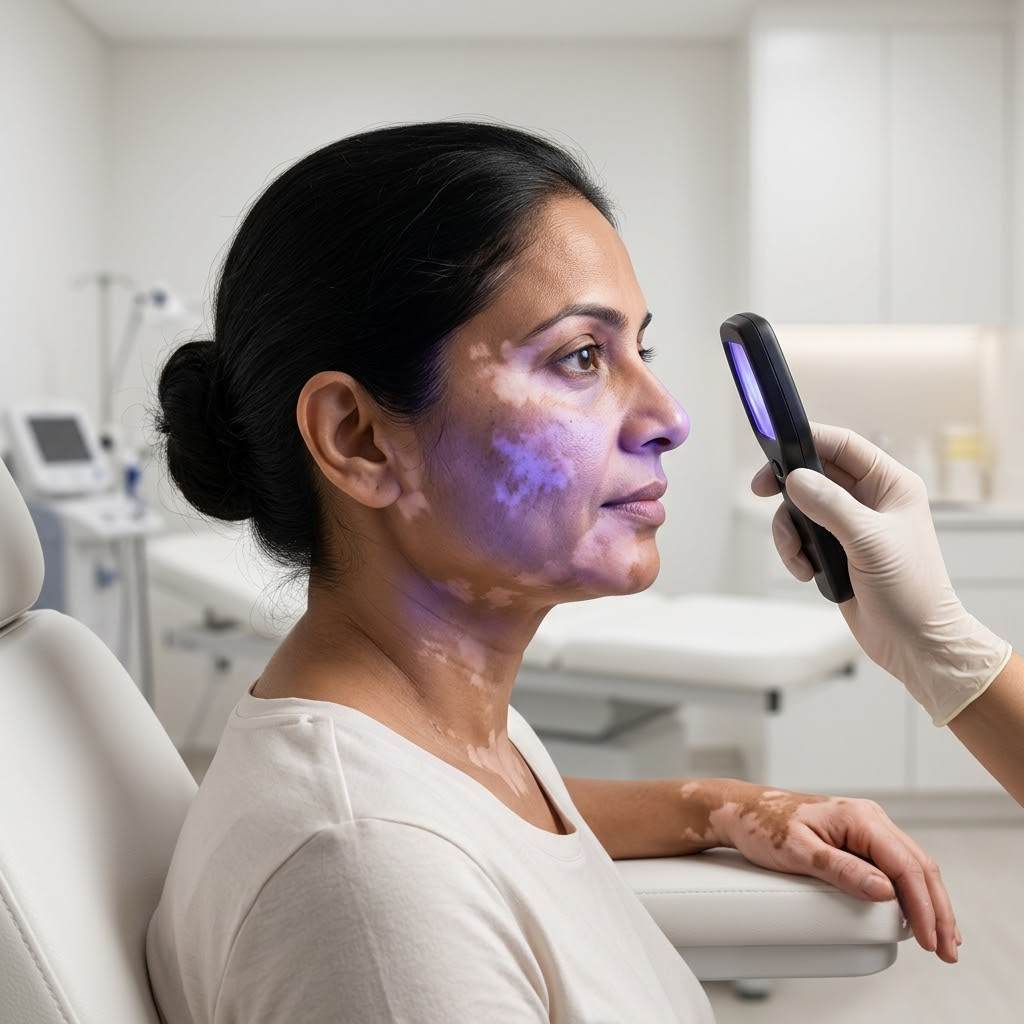
The affected areas are carefully examined under appropriate lighting.
Clinical photographs may be taken to document the size, location, and progression of depigmented patches, allowing treatment response to be monitored over time.
Step 3: Personalized Treatment Plan
Depending on your individual condition, treatment may include one or more of the following:
Medical-grade topical medications.
Phototherapy.
Excimer laser therapy.
Oral medications when indicated.
Surgical melanocyte transplantation for selected stable cases.
Medical camouflage guidance.
Medical-grade skincare.
Sun protection recommendations.
Each treatment plan is customized according to disease activity and long-term management goals.
Step 4: Stimulation of Repigmentation
Treatment aims to reduce immune-mediated melanocyte destruction while encouraging surviving melanocytes or melanocyte reservoirs within hair follicles to gradually produce new pigment.
Repigmentation usually begins around hair follicles and slowly expands into surrounding depigmented skin.
Step 5: Long-Term Monitoring
Vitiligo requires regular follow-up because disease activity may change over time.
Treatment protocols are adjusted according to the stability of the condition, the degree of repigmentation achieved, and the appearance of any new lesions.
Types of Vitiligo Treatments
Modern dermatology offers several evidence-based treatment options depending on disease severity and stability.
Medical-Grade Topical Therapy
Prescription creams and ointments help reduce immune activity and stimulate repigmentation in selected patients, particularly during the early stages of disease.
Phototherapy
Narrowband UVB phototherapy is one of the most widely used treatments for generalized vitiligo.
Controlled ultraviolet light stimulates melanocyte activity and promotes gradual repigmentation.
Excimer Laser Therapy
Excimer laser delivers targeted ultraviolet light to localized vitiligo patches while minimizing exposure to surrounding healthy skin.
It is particularly useful for limited areas of involvement.
Oral Medications
Certain oral medications may be prescribed during active disease to help reduce inflammation or stabilize rapidly progressing vitiligo when clinically appropriate.
Surgical Repigmentation Procedures
Patients with stable vitiligo that has not progressed for an extended period may be candidates for melanocyte transplantation or skin grafting procedures.
These techniques are reserved for carefully selected cases.
Medical Camouflage
Specialized cosmetic camouflage products can improve the appearance of depigmented areas while medical treatment continues.
Combination Therapy
Many patients achieve the best outcomes through a combination of topical medications, phototherapy, laser treatment, skincare, and long-term monitoring.
What Results Can You Expect?
Vitiligo treatment is a gradual medical process.
The degree of repigmentation varies depending on disease activity, location of the patches, treatment consistency, and individual biological response.
Stabilization of Disease
Treatment may reduce or slow the development of new depigmented patches.
Gradual Repigmentation
Pigment often begins to return gradually, particularly around hair follicles and the edges of existing lesions.
Improved Pigment Uniformity
As treatment progresses, the contrast between affected and unaffected skin may become less noticeable.
Better Cosmetic Appearance
Successful repigmentation often improves overall skin appearance and self-confidence.
Long-Term Disease Control
Regular follow-up and maintenance therapy help maintain treatment gains and identify new disease activity early.
It is important to understand that treatment responses vary. Some areas of the body, such as the face and neck, often respond more favorably than regions like the hands, feet, fingers, and areas over bony prominences, which may require longer treatment and may achieve more limited repigmentation.
What Is Recovery Like After Vitiligo Treatment?
Recovery depends on the treatment method included in your personalized management plan.
Immediately After Treatment
Patients undergoing topical therapy usually experience little or no downtime.
Phototherapy or excimer laser sessions may cause:
Mild redness.
Temporary warmth.
Mild skin dryness.
Temporary sensitivity.
These effects generally resolve within a short period.
During Treatment
Repigmentation develops gradually over several weeks or months.
Regular treatment sessions and adherence to prescribed medications are essential for optimal results.
Sun Protection
Depigmented skin lacks melanin and is more susceptible to ultraviolet damage.
Daily use of broad-spectrum sunscreen and protective clothing is strongly recommended.
Long-Term Maintenance
Successful vitiligo management often includes:
Regular dermatology follow-up.
Consistent use of prescribed medications.
Sun protection.
Trigger avoidance where possible.
Long-term monitoring for disease activity.
Are There Any Risks or Limitations?
Vitiligo treatments are generally safe when supervised by qualified dermatology professionals.
However, every medical treatment has potential risks.
Possible temporary side effects include:
Mild redness.
Skin irritation.
Dryness.
Temporary itching.
Increased sun sensitivity.
Mild pigment variation during repigmentation.
Medication-specific side effects depending on the treatment used.
It is equally important to understand the limitations of treatment.
There is currently no permanent cure for vitiligo. Not every patient achieves complete repigmentation, and some areas of the body respond better than others. Even after successful treatment, recurrence or the appearance of new depigmented patches remains possible because vitiligo is a chronic autoimmune condition.
How Much Does Vitiligo Treatment Cost in Mumbai?
The cost of Vitiligo Treatment depends on the type of vitiligo, disease severity, body surface area involved, treatment modality, and the duration of therapy.
Factors influencing treatment cost include:
Extent of depigmentation.
Type of treatment.
Number of phototherapy or laser sessions.
Topical or oral medications.
Surgical procedures when indicated.
Follow-up consultations.
Long-term maintenance therapy.
Following a comprehensive dermatological assessment, your dermatologist will recommend a personalized treatment plan and explain the associated costs before treatment begins.
Why Choose Hair & Shape for Vitiligo Treatment?
Managing vitiligo requires much more than restoring skin color. It demands a detailed understanding of autoimmune disease mechanisms, pigment cell biology, phototherapy, laser medicine, wound healing, and long-term disease monitoring. Successful treatment depends on accurately assessing disease activity, selecting evidence-based therapies, and adjusting treatment according to each patient's biological response over time.
At Hair & Shape Clinic, every Vitiligo Treatment program begins with a comprehensive dermatological evaluation. Disease type, stability, extent of pigment loss, associated autoimmune conditions, skin type, previous treatment history, and long-term goals are carefully assessed before creating a personalized management strategy. Our approach combines evidence-based therapies, individualized skincare, advanced pigment restoration techniques, and ongoing follow-up to help stabilize disease progression, encourage repigmentation wherever medically possible, and improve overall quality of life.
Why Does Personalized Vitiligo Treatment Planning Matter?
Vitiligo behaves differently in every individual, making personalized treatment planning essential for achieving safe and meaningful results.
Disease Activity Determines Treatment
Actively spreading vitiligo requires different management than stable disease that has remained unchanged for an extended period.
Patch Location Influences Response
Facial lesions often respond more favorably than depigmented areas on the hands, feet, fingers, or joints, requiring individualized expectations and treatment planning.
Skin Type Requires Careful Assessment
Natural skin tone influences treatment selection, monitoring, and the appearance of repigmentation throughout the healing process.
Associated Autoimmune Conditions Matter
Patients with thyroid disease or other autoimmune disorders may benefit from coordinated medical evaluation alongside dermatological treatment.
Long-Term Monitoring Improves Outcomes
Regular follow-up helps detect new disease activity early, adjust therapies appropriately, and maximize opportunities for successful repigmentation while minimizing unnecessary treatment.
International Patients Seeking Vitiligo Treatment in Mumbai
Hair & Shape Clinic welcomes patients from across India and around the world seeking evidence-based treatment for vitiligo and other pigmentary disorders.
Our international patient pathway is designed to provide comprehensive and personalized care throughout your treatment journey.
Before You Travel
Virtual consultations, medical history review, photographs of affected areas, and discussion of disease progression help determine the most appropriate treatment strategy before your visit.
During Your Stay
Your treatment includes a comprehensive dermatological assessment, personalized therapy, guidance on phototherapy or laser treatment where appropriate, skincare recommendations, and education regarding long-term disease management.
Returning Home
Follow-up consultations can often be conducted remotely. Continued guidance regarding medications, phototherapy schedules, sun protection, skincare, and long-term monitoring helps support sustained disease control and the best possible repigmentation outcomes wherever you live.
What to Expect
Consultation
A detailed assessment of your goals, suitability, and a personalised plan.
Preparation
Clear pre-treatment guidance so you arrive fully prepared and at ease.
The Procedure
Your treatment, performed by our specialists with comfort and safety first.
Aftercare
Structured recovery support and follow-ups to protect your results.
Frequently Asked Questions
Everything you need to know about Vitiligo. Still curious? Our team is one message away.
Who is a good candidate for professional vitiligo treatment?
Anyone with newly developed or existing white patches suspected to be vitiligo should consult a dermatologist for evaluation. Professional treatment is particularly beneficial for individuals with progressive vitiligo, cosmetically significant patches, or areas affecting the face, hands, or other visible parts of the body. A personalized treatment plan can help stabilize the condition, encourage repigmentation, and improve overall skin appearance and quality of life.
How long does it take to see results from vitiligo treatment?
The timeline varies depending on the type, location, and extent of vitiligo, as well as the treatment method used. Many patients begin to notice early signs of repigmentation within 3 to 6 months of consistent treatment, while more extensive cases may require longer-term therapy. Regular follow-up and adherence to the treatment plan are essential for achieving the best possible results.
Is vitiligo contagious or harmful to overall health?
No. Vitiligo is not contagious and cannot spread through touch, sharing personal items, or close contact. It is not an infection or a skin cancer. Although vitiligo itself is usually not physically harmful, it may be associated with other autoimmune conditions in some individuals, making a thorough medical evaluation by a dermatologist important.
Can vitiligo be treated successfully?
Yes. While there is currently no guaranteed permanent cure for vitiligo, many treatments can help slow disease progression and stimulate repigmentation. Depending on the extent and type of vitiligo, treatment options may include topical medications, phototherapy (NB-UVB), excimer laser therapy, oral medications in selected cases, surgical procedures, or combination therapies. Early treatment often leads to better outcomes.
What is vitiligo, and what causes it?
Vitiligo is a chronic skin condition in which the body's immune system mistakenly attacks melanocytes, the cells responsible for producing skin pigment (melanin). This results in well-defined white patches on the skin. The exact cause is not fully understood, but genetics, autoimmune conditions, oxidative stress, and environmental factors are believed to play important roles in its development.
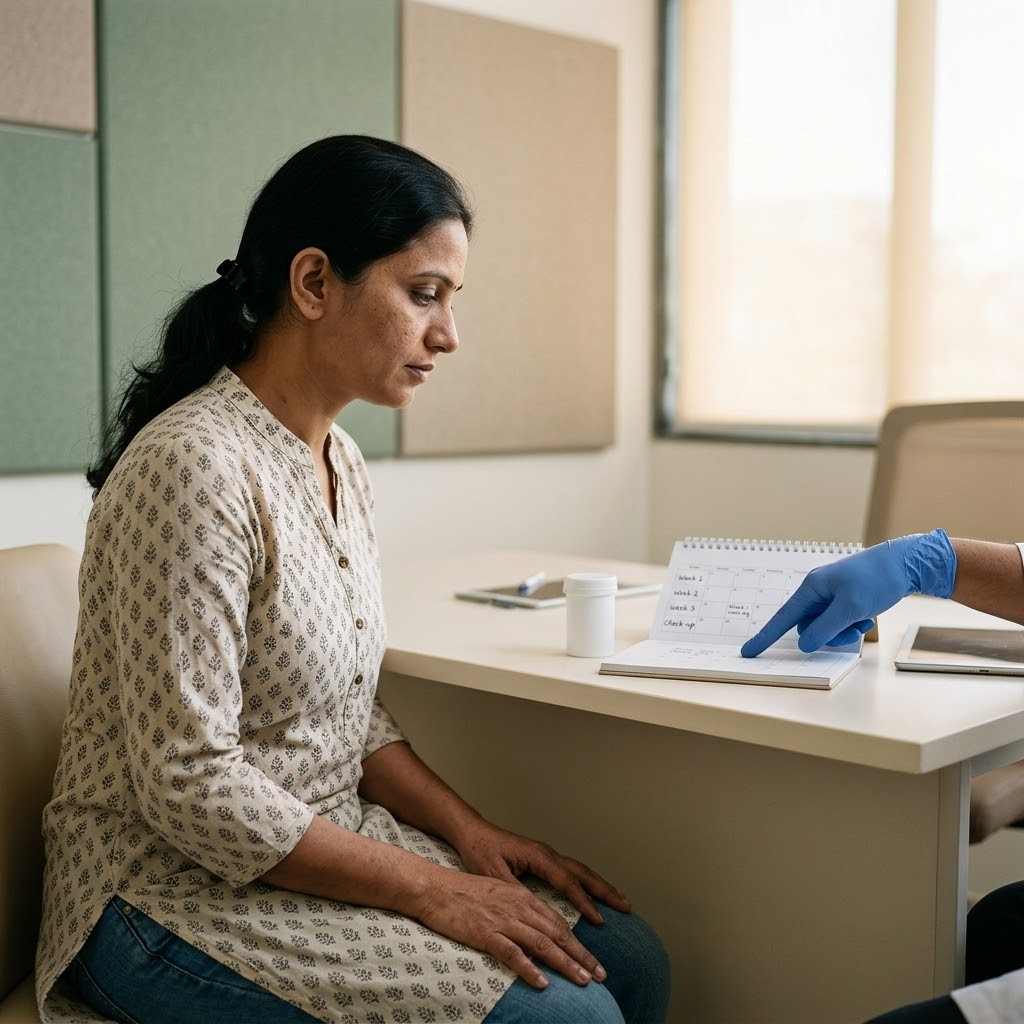

Begin Your Vitiligo Journey
Book a consultation today and let our specialists craft a plan built entirely around you.