
 Gender Reassignment
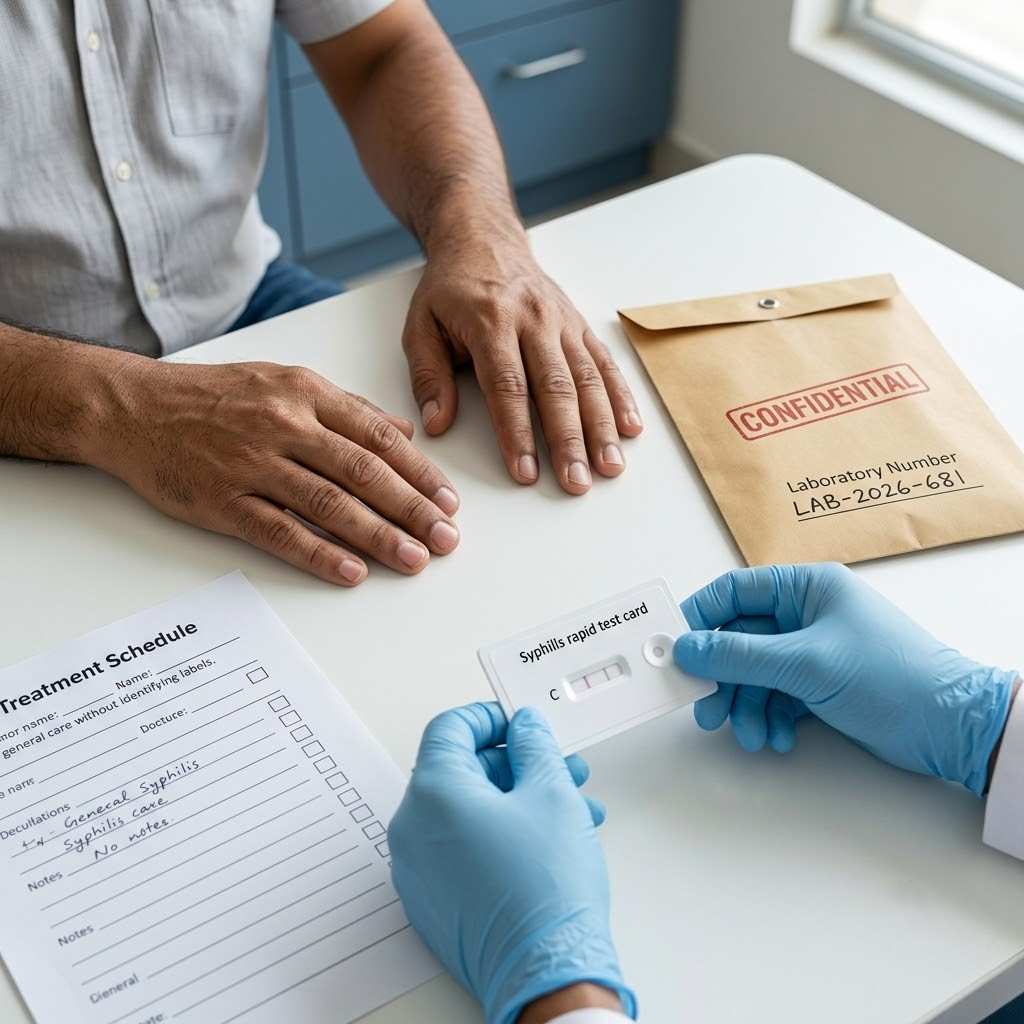
Syphilis Treatment In Mumbai
Discreet testing and antibiotic treatment protocols for syphilis.
Syphilis Treatment in Mumbai
Syphilis is a sexually transmitted bacterial infection caused by Treponema pallidum. It is a highly treatable condition, particularly when diagnosed during its early stages. However, if left untreated, syphilis can progress over several years and affect multiple organ systems, including the skin, nervous system, cardiovascular system, eyes, bones, and other tissues, potentially leading to serious long-term complications.
One of the most challenging aspects of syphilis is that its symptoms often change as the disease progresses. Some individuals develop a painless sore that heals without treatment, leading them to believe the infection has resolved. Others may experience skin rashes or flu-like symptoms, while some remain entirely asymptomatic for years despite ongoing infection. Because symptoms may disappear even though the bacteria remain active within the body, early diagnosis and laboratory testing are essential.
Syphilis is primarily transmitted through sexual contact involving vaginal, anal, or oral intercourse with an infected individual. It can also be transmitted from a pregnant mother to her baby during pregnancy, resulting in congenital syphilis, which can cause serious health complications in newborns if not diagnosed and treated promptly.
Modern medicine has made syphilis one of the most successfully treatable sexually transmitted infections. Antibiotic therapy can completely eliminate the bacteria when administered appropriately. However, treatment cannot reverse permanent organ damage that may have already occurred in advanced stages of the disease, making early diagnosis especially important.
At Hair & Shape Clinic, every Syphilis Treatment begins with a confidential and comprehensive medical evaluation. Clinical symptoms, disease stage, laboratory investigations, sexual health history, previous infections, associated sexually transmitted infections, pregnancy status when applicable, and overall health are carefully assessed before developing an individualized treatment plan. Our approach focuses on complete bacterial eradication, prevention of complications, partner management, long-term follow-up, and promoting overall sexual health through evidence-based care.
What Is Syphilis?
Syphilis is a bacterial sexually transmitted infection caused by the spirochete bacterium Treponema pallidum.
Unlike many bacterial infections that remain localized, syphilis can spread throughout the body if left untreated.
The disease progresses through several clinical stages, each with distinct features.
Primary Syphilis
Usually begins with a single painless sore, known as a chancre, at the site where the bacteria entered the body.
The sore often heals on its own within a few weeks, even without treatment.
Secondary Syphilis
As the infection spreads through the bloodstream, symptoms may include:
Skin rash.
Mouth sores.
Fever.
Swollen lymph nodes.
Fatigue.
Hair loss in patches.
Muscle aches.
These symptoms may also resolve without treatment.
Latent Syphilis
During the latent stage, no visible symptoms are present, but the bacteria remain inside the body.
This stage may last for many years.
Tertiary Syphilis
Without treatment, some individuals develop late-stage disease affecting major organs such as the brain, spinal cord, heart, blood vessels, eyes, liver, and bones.
Modern treatment aims to eliminate the infection before these serious complications occur.
How Does Syphilis Develop?
Syphilis develops after Treponema pallidum enters the body through microscopic breaks in the skin or mucous membranes during intimate contact.
Several biological processes occur during infection.
Initial Bacterial Entry
The bacteria enter the body through direct contact with infectious sores.
Local Infection
The organisms multiply at the site of entry, leading to the formation of a painless chancre.
Spread Through the Bloodstream
Without treatment, the bacteria spread throughout the body via the bloodstream and lymphatic system.
Systemic Immune Response
As infection progresses, multiple organs may become involved, producing the symptoms seen during secondary syphilis.
Latent Infection
The bacteria remain alive despite the absence of visible symptoms.
Organ Damage
Years of untreated infection may eventually damage the nervous system, cardiovascular system, eyes, and other organs.
Early diagnosis interrupts this progression before permanent complications develop.
Understanding the Infection Process
Understanding how syphilis affects the body helps explain the importance of early treatment.
Skin and Mucous Membranes
These tissues are usually the first sites affected following exposure.
Lymphatic System
The bacteria spread through nearby lymphatic vessels and lymph nodes.
Bloodstream
Systemic spread allows the infection to affect multiple organs.
Nervous System
The brain and spinal cord may become involved in advanced disease, resulting in neurosyphilis.
Cardiovascular System
Untreated syphilis can damage the heart and major blood vessels years after the initial infection.
Placenta
During pregnancy, the bacteria can cross the placenta and infect the developing baby.
Understanding these pathways highlights why prompt diagnosis and treatment are essential even when symptoms are mild or absent.
How Does Syphilis Treatment Improve Health?
Modern syphilis treatment completely eliminates the bacteria responsible for infection when administered appropriately.
Benefits include:
Complete Eradication of Infection
Appropriate antibiotic therapy eliminates Treponema pallidum from the body.
Prevention of Disease Progression
Early treatment prevents progression to latent and tertiary syphilis.
Reduced Risk of Organ Damage
Timely therapy protects the nervous system, cardiovascular system, eyes, and other organs from long-term complications.
Prevention of Congenital Syphilis
Treatment during pregnancy significantly reduces the risk of transmission to the developing baby.
Reduced Risk of Transmission
Successful treatment helps prevent further spread of infection to sexual partners.
Improved Sexual Health
Comprehensive care often includes education, testing for other sexually transmitted infections, partner notification, and preventive counseling.
Rather than simply relieving symptoms, treatment aims to completely eradicate the bacterial infection and prevent future complications.
Who Should Seek Syphilis Evaluation and Treatment?
Anyone with confirmed or suspected syphilis should undergo prompt medical evaluation.
You may benefit from testing and treatment if you:
Have developed a painless genital, anal, or oral sore.
Notice an unexplained skin rash.
Have had sexual contact with someone diagnosed with syphilis.
Have another sexually transmitted infection.
Are pregnant and require routine prenatal screening.
Have received a positive syphilis blood test.
Engage in unprotected sexual activity with new or multiple partners.
Have symptoms suggestive of early or late syphilis.
Early diagnosis remains the most effective way to prevent serious long-term complications.
What Conditions Are Addressed During Syphilis Treatment?
Comprehensive syphilis care includes evaluation and management of different stages of infection.
Primary Syphilis
Treatment before systemic spread occurs.
Secondary Syphilis
Management of widespread bacterial infection affecting multiple body systems.
Latent Syphilis
Treatment despite the absence of symptoms to prevent future complications.
Tertiary Syphilis
Management of advanced disease alongside specialist evaluation where necessary.
Neurosyphilis
Assessment and treatment when the nervous system is involved.
Congenital Syphilis Prevention
Screening and treatment during pregnancy to protect the developing baby.
Sexual Health Screening
Evaluation for HIV and other sexually transmitted infections, partner management, and preventive counseling may also be recommended as part of comprehensive care.
Personalized Syphilis Treatment Planning
Every individual diagnosed with syphilis requires personalized medical evaluation because treatment depends on the stage of infection, duration of illness, clinical symptoms, pregnancy status, laboratory findings, possible nervous system involvement, previous infections, associated sexually transmitted infections, allergies to antibiotics, and overall health. Some patients present with early-stage disease that can be treated promptly with standard antibiotic therapy, while others require more extensive investigations and long-term follow-up.
At Hair & Shape Clinic, every Syphilis Treatment begins with a confidential, respectful, and comprehensive medical assessment. Clinical findings, laboratory investigations, disease stage, associated infections, sexual health history, and individual risk factors are carefully reviewed before developing a personalized treatment plan. Our evidence-based approach focuses on complete eradication of the infection, prevention of complications, partner management where appropriate, follow-up blood testing, and promoting long-term sexual health through compassionate and confidential care.
What Happens During Syphilis Treatment?
Syphilis Treatment is based on the stage of infection, the duration of illness, clinical symptoms, laboratory findings, pregnancy status, and whether the infection has affected the nervous system or other organs. Because the disease can progress silently even after visible symptoms disappear, treatment focuses on completely eliminating the bacteria and preventing long-term complications.
Modern management combines accurate diagnosis, evidence-based antibiotic therapy, laboratory monitoring, partner management, and follow-up care.
A typical Syphilis Treatment program includes the following stages.
Step 1: Comprehensive Medical Assessment
Every treatment begins with a confidential medical evaluation.
Your healthcare provider assesses:
Presenting symptoms.
Stage of syphilis.
Sexual history.
Previous sexually transmitted infections.
Pregnancy status where applicable.
Medication allergies.
History of previous syphilis treatment.
Risk factors for reinfection.
Neurological or visual symptoms.
Overall medical history.
This assessment helps determine the most appropriate treatment protocol.
Step 2: Laboratory Confirmation
Blood tests are performed to confirm the diagnosis and determine disease activity.
These may include:
Treponemal antibody tests.
Non-treponemal blood tests.
HIV screening.
Screening for other sexually transmitted infections.
Additional investigations when neurological or ocular involvement is suspected.
Laboratory testing also provides a baseline for monitoring treatment success.
Step 3: Antibiotic Treatment
Antibiotic therapy is the cornerstone of syphilis treatment.
The specific antibiotic, dosage, and duration depend on:
Disease stage.
Duration of infection.
Pregnancy status.
Allergy history.
Presence of neurosyphilis or ocular syphilis.
Treatment aims to completely eliminate Treponema pallidum from the body.
Step 4: Partner Evaluation
Sexual partners may also require medical evaluation, testing, and treatment depending on exposure history.
Partner management helps prevent reinfection and reduces further transmission.
Step 5: Follow-Up Monitoring
Regular follow-up blood tests monitor treatment response and confirm successful eradication of the infection.
Clinical symptoms and laboratory values are reviewed periodically to ensure appropriate recovery.
Types of Syphilis Treatments
Treatment varies according to the stage of infection and individual clinical circumstances.
Early Syphilis Treatment
Primary, secondary, and early latent syphilis are generally treated with evidence-based antibiotic therapy according to established medical guidelines.
Late Latent Syphilis Treatment
Patients with long-standing infection may require an extended treatment protocol to ensure complete bacterial eradication.
Neurosyphilis Treatment
When the infection affects the brain or spinal cord, specialized antibiotic treatment and close neurological monitoring are required.
Ocular Syphilis Treatment
Patients with eye involvement require urgent medical evaluation and treatment to reduce the risk of permanent vision loss.
Pregnancy Management
Pregnant individuals diagnosed with syphilis require prompt treatment to reduce the risk of congenital syphilis and protect the developing baby.
Allergy Management
Patients with certain antibiotic allergies may require alternative treatment approaches or desensitization under appropriate medical supervision.
What Results Can You Expect?
Syphilis is one of the most successfully treatable bacterial infections when diagnosed early.
Most patients can expect:
Complete Elimination of Infection
Appropriate antibiotic therapy eradicates the bacteria responsible for syphilis.
Prevention of Disease Progression
Early treatment prevents progression to latent and tertiary stages.
Resolution of Symptoms
Skin rashes, sores, swollen lymph nodes, and other early symptoms generally improve following treatment.
Reduced Risk of Serious Complications
Timely treatment protects the nervous system, cardiovascular system, eyes, and other organs from long-term damage.
Prevention of Transmission
Successful treatment significantly reduces the risk of transmitting syphilis to sexual partners after appropriate medical clearance.
Improved Sexual Health
Comprehensive management often includes education, safer sex counseling, routine screening, and prevention of future sexually transmitted infections.
It is important to remember that although treatment eliminates the bacteria, it cannot reverse permanent damage that has already occurred in advanced untreated disease.
What Is Recovery Like After Syphilis Treatment?
Recovery depends on the stage of infection at diagnosis and the severity of disease.
Immediately After Treatment
Some patients may experience temporary reactions shortly after beginning antibiotic therapy.
One recognized reaction is the Jarisch-Herxheimer reaction, which may cause:
Fever.
Chills.
Headache.
Muscle aches.
Temporary worsening of symptoms.
This reaction usually resolves within 24 hours and is caused by the rapid destruction of bacteria rather than an allergic reaction to antibiotics.
During Recovery
Most early symptoms gradually resolve over the following days to weeks.
Blood test results improve more gradually and require ongoing monitoring.
Follow-Up Testing
Repeat blood tests are performed at recommended intervals to confirm successful treatment and monitor declining antibody levels.
Preventing Reinfection
Recovery also includes education regarding safer sexual practices, partner evaluation, and regular sexual health screening when appropriate.
Are There Any Risks or Limitations?
Syphilis treatment is generally very safe and highly effective when prescribed by qualified healthcare professionals.
However, every medical treatment has potential risks.
Possible temporary side effects include:
Mild injection site discomfort when injectable antibiotics are used.
Nausea.
Allergic reactions.
Temporary fever.
Headache.
Jarisch-Herxheimer reaction.
Medication-specific side effects depending on the antibiotic prescribed.
It is equally important to understand the limitations of treatment.
Although antibiotics completely eliminate the bacteria, they cannot reverse permanent organ damage that has already developed in advanced disease. Successful treatment also does not provide lifelong immunity. Individuals can become infected again through future exposure, making preventive measures and routine sexual health screening important.
How Much Does Syphilis Treatment Cost in Mumbai?
The cost of Syphilis Treatment depends on the stage of infection, required laboratory investigations, medication regimen, follow-up testing, and whether additional specialist care is needed.
Factors influencing treatment cost include:
Initial medical consultation.
Diagnostic blood tests.
Antibiotic therapy.
Follow-up laboratory monitoring.
Additional investigations when required.
Screening for associated sexually transmitted infections.
Specialist referrals for advanced disease if necessary.
Following a confidential medical evaluation, an individualized treatment plan and associated costs are discussed before treatment begins.
Why Choose Hair & Shape for Syphilis Treatment?
Effective management of syphilis requires prompt diagnosis, accurate staging of the disease, evidence-based antibiotic therapy, confidential care, and appropriate long-term follow-up. Successful treatment depends not only on eliminating the infection but also on preventing complications, identifying associated sexually transmitted infections, ensuring partner management where appropriate, and supporting long-term sexual health.
At Hair & Shape Clinic, every Syphilis Treatment begins with a confidential and comprehensive medical assessment. Clinical findings, laboratory investigations, disease stage, medical history, pregnancy status where applicable, and individual risk factors are carefully evaluated before developing a personalized treatment plan. Our evidence-based approach focuses on complete bacterial eradication, prevention of complications, confidential patient care, follow-up monitoring, and promoting overall sexual health through compassionate, respectful medical practice.
Why Does Personalized Syphilis Treatment Matter?
No two cases of syphilis are identical. Individualized treatment planning helps ensure safe, effective, and complete management.
Disease Stage Determines Treatment
Primary, secondary, latent, and tertiary syphilis each require different treatment durations and follow-up protocols.
Pregnancy Requires Immediate Care
Early diagnosis and treatment during pregnancy are essential to reduce the risk of congenital syphilis and protect the developing baby.
Neurological or Ocular Symptoms Need Specialist Evaluation
Patients with suspected neurosyphilis or ocular syphilis require additional investigations and specialized treatment.
Laboratory Monitoring Guides Recovery
Follow-up blood tests help confirm successful treatment and detect possible reinfection or treatment failure.
Sexual Health Education Reduces Future Risk
Personalized counseling regarding safer sexual practices, partner notification, and routine STI screening supports long-term sexual health and helps reduce future infections.
International Patients Seeking Syphilis Treatment in Mumbai
Hair & Shape Clinic welcomes patients from India and around the world seeking confidential, evidence-based diagnosis and treatment for syphilis and other sexually transmitted infections.
Our international patient pathway is designed to provide respectful, comprehensive care throughout your treatment journey.
Before You Travel
Virtual consultations, review of laboratory reports, discussion of symptoms, and medical history assessment help determine the most appropriate treatment approach before your visit.
During Your Stay
Your care includes confidential medical evaluation, diagnostic testing where required, individualized antibiotic treatment, counseling regarding sexual health, and guidance on follow-up care and partner management.
Returning Home
Follow-up consultations can often be conducted remotely. Continued guidance regarding repeat blood testing, sexual health screening, prevention of reinfection, and long-term monitoring helps support complete recovery and ongoing well-being wherever you live.
What to Expect
Consultation
A detailed assessment of your goals, suitability, and a personalised plan.
Preparation
Clear pre-treatment guidance so you arrive fully prepared and at ease.
The Procedure
Your treatment, performed by our specialists with comfort and safety first.
Aftercare
Structured recovery support and follow-ups to protect your results.
Frequently Asked Questions
Everything you need to know about Syphilis Treatment. Still curious? Our team is one message away.
Can I get syphilis again after treatment?
Yes. Successfully treating syphilis does not provide lifelong immunity, and it is possible to become infected again through exposure to an infected partner. Practicing safer sex, ensuring that sexual partners are tested and treated when necessary, and undergoing regular STI screening if you are at increased risk can help reduce the chance of reinfection.
How is syphilis diagnosed?
Syphilis is diagnosed using a combination of medical history, physical examination, and blood tests that detect antibodies against the bacteria. In some cases, additional tests may be recommended depending on the stage of infection or if complications are suspected. If you think you may have been exposed to syphilis or have symptoms suggestive of an STI, prompt medical evaluation is recommended.
Can syphilis be cured?
Yes. Syphilis can be cured with appropriate antibiotic treatment, particularly when diagnosed in its early stages. Penicillin remains the standard treatment for most patients. Although antibiotics eliminate the infection, they cannot reverse damage that may have occurred before treatment. Early diagnosis and timely medical care provide the best outcomes.
What are the early signs and symptoms of syphilis?
The first sign of syphilis is often a painless sore (called a chancre) that appears at the site where the bacteria entered the body. If left untreated, the infection can progress to later stages, causing symptoms such as skin rashes, swollen lymph nodes, fever, fatigue, sore throat, and patchy hair loss. Because symptoms can be mild or disappear temporarily, testing is the only reliable way to confirm the diagnosis.
What is syphilis, and how is it transmitted?
Syphilis is a sexually transmitted infection (STI) caused by the bacterium Treponema pallidum. It is primarily spread through vaginal, anal, or oral sexual contact with an infected person. It can also be passed from a pregnant person to their baby during pregnancy or childbirth, a condition known as congenital syphilis. Early diagnosis and prompt treatment are essential to prevent serious complications.
Begin Your Syphilis Treatment Journey
Book a consultation today and let our specialists craft a plan built entirely around you.