 Gender Reassignment
Chemical Peel In Mumbai
Controlled exfoliation to fade pigmentation and reveal fresher skin.
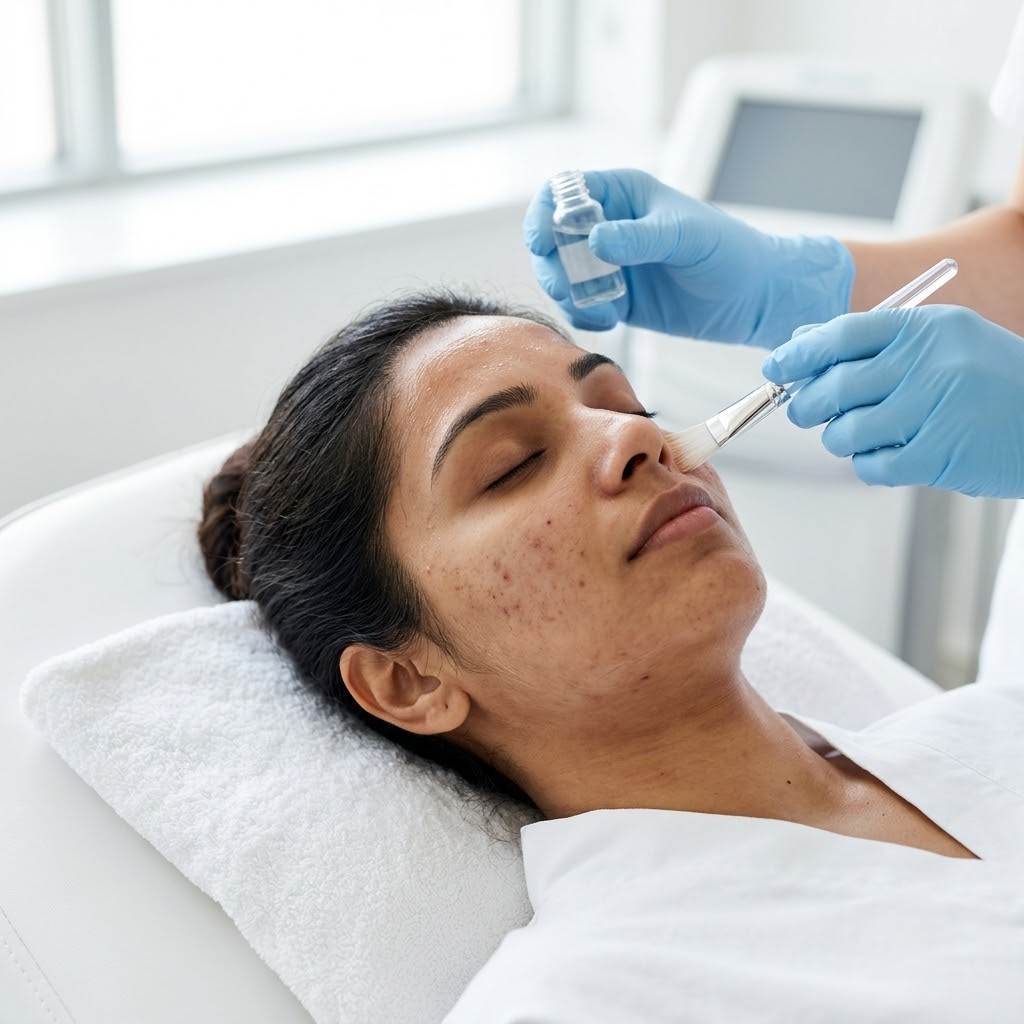
Chemical Peel Treatment in Mumbai
Healthy skin undergoes a continuous cycle of renewal in which old skin cells are shed and replaced by new ones. This natural process helps maintain smooth texture, even pigmentation, healthy barrier function, and youthful skin. However, ageing, excessive sun exposure, acne, hormonal changes, pollution, and environmental stress gradually slow cellular turnover. As a result, dead skin cells accumulate on the surface, pigmentation becomes more noticeable, pores become congested, acne develops more easily, and the skin gradually loses its natural brightness and smoothness.
While daily skincare products can help maintain skin health, they often have limited ability to remove damaged superficial skin layers or stimulate significant cellular renewal. For concerns such as uneven pigmentation, acne marks, rough texture, superficial wrinkles, sun damage, and dull complexion, more advanced dermatological treatments may be required.
Chemical Peel is a medically supervised skin resurfacing treatment that uses carefully selected chemical exfoliating agents to remove damaged outer layers of the skin in a controlled manner. By accelerating cellular turnover and stimulating the skin's natural regenerative processes, chemical peels improve skin texture, pigmentation, acne, fine lines, and overall skin quality.
Unlike aggressive laser resurfacing procedures or deep surgical skin treatments, chemical peels can be customized to different skin types, skin tones, and levels of skin concern. Depending on the formulation and depth of treatment, chemical peels may provide gentle exfoliation or more intensive skin rejuvenation while preserving the health of surrounding tissues.
Modern aesthetic dermatology considers chemical peels an important component of comprehensive skin health programs. Rather than simply creating temporary skin brightness, they help improve long-term skin quality by encouraging healthier epidermal renewal, improving collagen-supporting environments, and restoring a smoother, more even complexion.
At Hair & Shape Clinic, every Chemical Peel treatment begins with a detailed skin assessment. Skin type, pigmentation, acne activity, hydration, sensitivity, previous treatments, sun exposure, lifestyle, and long-term skincare goals are carefully evaluated before selecting the most appropriate peeling agent and treatment depth. The objective is to improve overall skin health through evidence-based, personalized care rather than applying a standardized peel to every patient.
What Is a Chemical Peel?
A Chemical Peel is a non-surgical skin resurfacing treatment that uses carefully formulated chemical solutions to exfoliate damaged outer skin layers and stimulate healthier skin regeneration.
The controlled exfoliation encourages the skin to replace damaged cells with newer, healthier cells, resulting in smoother, brighter, and more even skin.
Depending on the patient's skin concerns, different peeling agents may be used, including:
Glycolic acid.
Salicylic acid.
Lactic acid.
Mandelic acid.
Trichloroacetic acid (TCA).
Jessner's solution.
Combination peels.
The strength and depth of the peel are carefully selected according to the individual's skin type, pigmentation, acne severity, and treatment goals.
The primary objective is to improve overall skin quality while preserving healthy skin function and barrier integrity.
Why Does Skin Become Pigmented, Rough, and Dull?
Healthy skin depends on balanced cellular renewal, collagen production, hydration, and protection against environmental damage.
Several biological processes gradually interfere with these functions.
Ageing
Cell turnover slows with age, allowing damaged skin cells to accumulate and reducing collagen production.
Sun Exposure
Ultraviolet radiation stimulates excess melanin production, damages collagen fibers, and accelerates premature skin ageing.
Acne
Inflammation associated with acne often leaves post-inflammatory pigmentation and uneven skin texture.
Hormonal Changes
Hormonal fluctuations may contribute to melasma and other pigmentation disorders.
Environmental Pollution
Pollutants generate oxidative stress that weakens the skin barrier and contributes to uneven skin tone.
Dead Skin Cell Accumulation
Reduced exfoliation leads to rough texture, clogged pores, and loss of natural skin radiance.
Understanding these biological processes helps explain why controlled exfoliation can improve multiple skin concerns simultaneously.
Understanding Skin Anatomy
Chemical peels primarily affect the superficial layers of the skin while supporting healthier skin renewal.
Epidermis
The epidermis forms the protective outer barrier and undergoes continuous renewal throughout life.
Chemical peels accelerate the removal of damaged surface cells while promoting healthier regeneration.
Stratum Corneum
The outermost layer consists of dead skin cells that gradually accumulate over time.
Controlled exfoliation removes these cells, improving skin smoothness and brightness.
Melanocytes
Melanocytes produce melanin, the pigment responsible for skin color.
Abnormal melanin distribution contributes to pigmentation disorders that may improve with appropriate chemical peels.
Dermis
The dermis contains collagen, elastin, blood vessels, and connective tissue responsible for skin strength and elasticity.
Medium-depth peels may stimulate collagen remodeling, contributing to improved skin texture over time.
Skin Barrier
The skin barrier protects against water loss, microorganisms, and environmental damage.
Properly selected chemical peels preserve barrier function while encouraging healthy renewal.
Understanding these structures allows dermatologists to choose the safest and most effective peel for each individual.
How Do Chemical Peels Improve Skin Health?
Chemical peels promote healthier skin by accelerating controlled exfoliation and stimulating natural regeneration.
Benefits may include:
Improved Cellular Turnover
Removes damaged skin cells while encouraging healthier new skin formation.
Brighter Complexion
Freshly regenerated skin appears clearer and more radiant.
Smoother Skin Texture
Surface irregularities gradually improve as damaged cells are replaced.
Reduction in Pigmentation
Superficial pigmentation and post-acne marks may gradually fade.
Improved Acne Control
Certain peels help reduce pore blockage and regulate excess oil production.
Refinement of Fine Lines
Improved epidermal renewal may soften the appearance of early wrinkles.
Better Skincare Product Absorption
Removal of accumulated surface cells allows topical skincare products to penetrate more effectively.
Rather than masking skin concerns, chemical peels improve the biological processes responsible for healthier skin renewal.
Who Is a Good Candidate for a Chemical Peel?
Chemical peels are suitable for many healthy adults seeking improvement in skin quality.
You may be a suitable candidate if you:
Have uneven skin tone.
Experience acne or acne marks.
Have superficial pigmentation.
Notice rough skin texture.
Have enlarged pores.
Want brighter skin.
Have mild fine lines.
Wish to maintain healthier skin through regular dermatological care.
Patients with active skin infections, uncontrolled eczema, certain inflammatory skin disorders, recent isotretinoin use, or specific medical conditions may require medical evaluation before treatment.
What Skin Concerns Can Chemical Peels Address?
Chemical peels can improve a wide range of common skin concerns.
Uneven Pigmentation
Gradually improves superficial pigmentation and melasma in carefully selected patients.
Acne
Helps reduce pore blockage and improves acne-prone skin.
Post-Acne Marks
Supports gradual fading of post-inflammatory pigmentation.
Rough Skin Texture
Creates smoother, softer skin.
Dull Complexion
Restores brighter, healthier-looking skin.
Fine Lines
May soften early signs of skin ageing.
Enlarged Pores
Improves overall skin texture and reduces the appearance of enlarged pores.
Personalized Chemical Peel Planning
Every individual's skin responds differently to exfoliation. Skin tone, pigmentation tendency, acne activity, oil production, sensitivity, hydration, sun exposure, previous cosmetic procedures, and existing skincare routines all influence the choice of peeling agent and treatment depth. A peel that is ideal for one patient may be inappropriate for another, particularly in individuals with darker skin tones who require careful treatment planning to minimize the risk of post-inflammatory pigmentation.
At Hair & Shape Clinic, every Chemical Peel begins with a comprehensive skin analysis. Skin barrier health, pigmentation pattern, acne severity, hydration status, sensitivity, lifestyle factors, and long-term skincare goals are carefully evaluated before selecting the most appropriate peel formulation and treatment protocol. The focus is on achieving healthier skin through gradual, scientifically guided skin renewal while maintaining the safety and integrity of the skin.
What Happens During a Chemical Peel?
Chemical peels are performed as outpatient dermatological procedures using carefully selected exfoliating solutions designed to improve skin renewal in a controlled and predictable manner. Depending on the type of peel, the procedure generally takes between 20 and 45 minutes.
The strength of the peel, the active ingredients used, and the duration of application are customized according to your skin type, concerns, and treatment goals.
A typical Chemical Peel includes the following stages.
Step 1: Skin Assessment
Before treatment begins, your skin is carefully evaluated.
The practitioner assesses:
Skin type.
Pigmentation.
Acne activity.
Skin sensitivity.
Hydration levels.
Fine lines.
Sun damage.
Previous cosmetic treatments.
Current skincare products.
This assessment helps determine the most appropriate peeling agent and treatment depth.
Step 2: Skin Cleansing
The treatment area is thoroughly cleansed to remove makeup, sunscreen, excess oil, and surface impurities.
In some cases, a degreasing solution is applied to ensure even penetration of the peeling agent.
Step 3: Application of the Chemical Peel
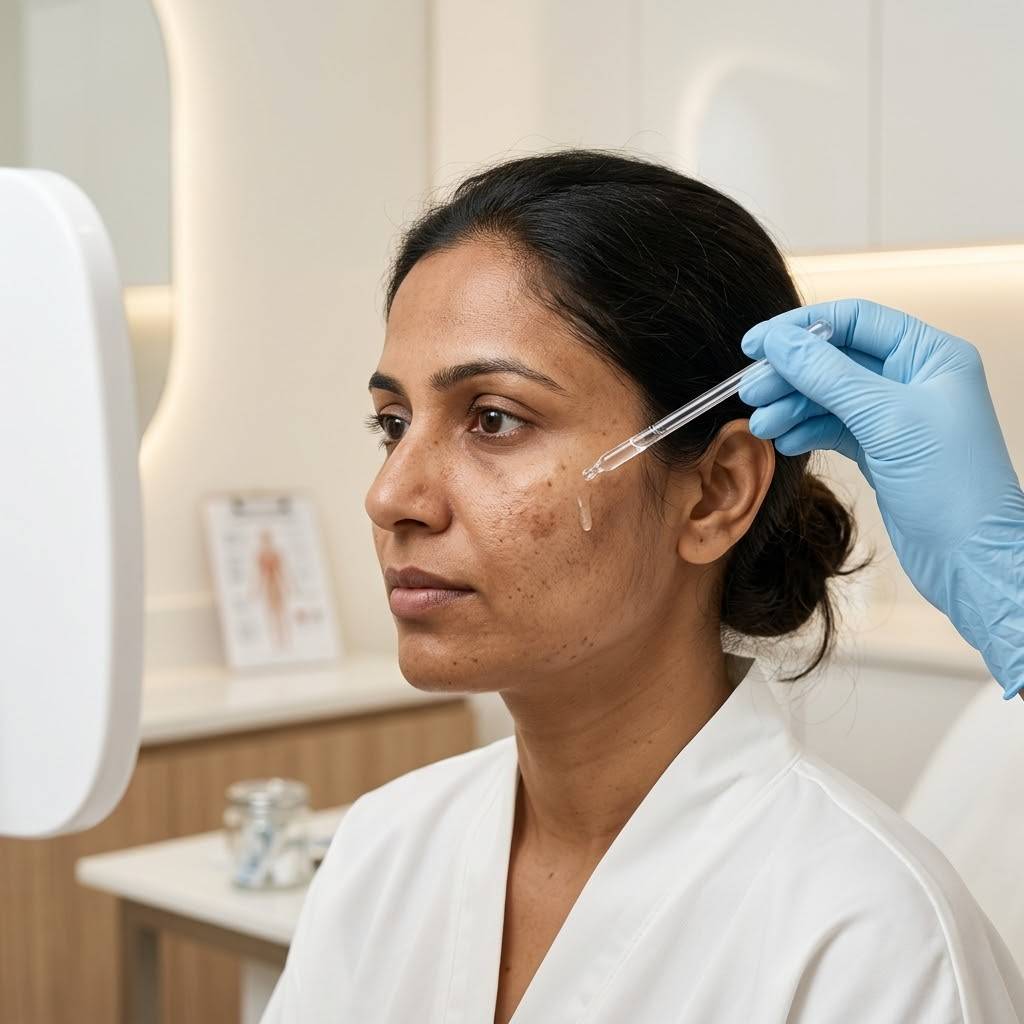
The selected chemical solution is carefully applied across the treatment area using specialized applicators.
Depending on the type of peel, ingredients may include:
Glycolic acid.
Salicylic acid.
Lactic acid.
Mandelic acid.
Trichloroacetic acid (TCA).
Jessner's solution.
Combination formulations.
Patients may experience mild tingling, warmth, or a temporary stinging sensation during application.
Step 4: Controlled Exfoliation
The peeling solution breaks down the bonds between damaged surface skin cells.
This controlled exfoliation accelerates natural cellular turnover while stimulating healthier skin regeneration.
The peel remains on the skin for a carefully monitored period depending on the formulation and desired depth of treatment.
Step 5: Neutralization or Removal
For peels requiring neutralization, a specialized neutralizing solution is applied to stop further chemical activity.
Other peel formulations are self-neutralizing and do not require this step.
The skin is then gently cleansed.
Step 6: Skin Protection
Following the procedure, soothing skincare products and broad-spectrum sunscreen are applied.
Patients receive detailed instructions regarding skincare, sun protection, and the expected healing process.
Types of Chemical Peels
Chemical peels vary in strength and are selected according to the patient's skin concerns and tolerance.
Superficial Chemical Peel
Targets only the outermost epidermal layers.
Commonly used for:
Dull skin.
Mild pigmentation.
Acne.
Uneven skin texture.
Routine skin maintenance.
These peels generally require minimal downtime.
Medium-Depth Chemical Peel
Penetrates deeper into the epidermis and superficial dermis.
Often recommended for:
Moderate pigmentation.
Acne scars.
Fine lines.
Sun damage.
Rough skin texture.
Recovery is usually longer than with superficial peels.
Glycolic Acid Peel
Commonly used for improving dullness, mild pigmentation, and overall skin radiance.
Salicylic Acid Peel
Particularly beneficial for oily and acne-prone skin because of its ability to penetrate oil-filled pores.
Mandelic Acid Peel
A gentler option often preferred for sensitive skin and certain darker skin types.
Combination Peels
Multiple peeling agents are combined to address several skin concerns simultaneously while maintaining treatment safety.
What Results Can You Expect After a Chemical Peel?
Most patients notice gradual improvement as the skin completes its natural renewal process.
The extent of improvement depends on the depth of the peel and the condition being treated.
Brighter Skin
Removal of damaged surface cells reveals fresher, healthier-looking skin.
More Even Skin Tone
Pigmentation and post-acne discoloration gradually become less noticeable.
Smoother Skin Texture
The skin feels softer with improved surface uniformity.
Reduced Acne
Many acne-prone patients experience fewer breakouts due to improved pore function and reduced oil accumulation.
Healthier Skin Renewal
Accelerated cellular turnover promotes healthier long-term skin quality.
Improvement in Fine Lines
Repeated treatments may soften early signs of skin ageing.
Optimal results are often achieved through a series of treatments combined with an individualized skincare program.
What Is Recovery Like After a Chemical Peel?
Recovery depends on the strength and depth of the chemical peel performed.
Immediately After Treatment
Patients may notice:
Mild redness.
Tightness.
Warmth.
Temporary skin sensitivity.
These reactions are generally expected and gradually improve.
First Few Days
Superficial peels may produce mild flaking or dryness.
Medium-depth peels often cause more noticeable peeling as damaged skin is replaced.
Patients should avoid picking or forcibly removing peeling skin.
First Week
New skin gradually becomes visible.
Sun protection is especially important because newly regenerated skin is more sensitive to ultraviolet radiation.
Following Weeks
Skin texture continues to improve.
Pigmentation gradually fades.
Hydration and barrier function progressively normalize.
Long-Term Maintenance
Depending on the skin concern, chemical peels may be repeated every four to eight weeks as part of an individualized skin maintenance program.
Are There Any Risks or Limitations?
Chemical peels are generally safe when performed by experienced dermatology professionals using carefully selected formulations.
However, every cosmetic procedure has potential risks.
Possible temporary side effects include:
Redness.
Peeling.
Dryness.
Mild swelling.
Temporary skin sensitivity.
Rare post-inflammatory pigmentation.
Temporary acne flare in some individuals.
It is also important to understand the limitations of treatment.
Chemical peels cannot completely correct deep wrinkles, severe acne scars, marked skin laxity, or significant volume loss. Patients with these concerns may benefit from combining chemical peels with other dermatologist-recommended treatments as part of a comprehensive skin rejuvenation plan.
How Much Does a Chemical Peel Cost in Mumbai?
The cost of a Chemical Peel depends on the type of peeling agent, treatment depth, number of sessions required, and whether the peel is combined with other skin rejuvenation procedures.
Factors influencing treatment cost include:
Type of chemical peel.
Peel strength.
Treatment area.
Number of sessions.
Combination therapies.
Personalized skincare recommendations.
Post-treatment care.
Following a comprehensive skin assessment, your dermatologist will recommend the most appropriate peel and provide a personalized treatment plan with the associated costs.
Why Choose Hair & Shape for Chemical Peels?
Successful chemical peeling requires much more than applying an exfoliating solution. It involves understanding skin biology, pigmentation disorders, acne pathology, barrier function, wound healing, and the unique response of different skin types to chemical exfoliation. Selecting the correct peeling agent, concentration, and treatment interval is essential for achieving effective results while minimizing the risk of complications.
At Hair & Shape Clinic, every Chemical Peel begins with a detailed skin evaluation. Skin type, pigmentation pattern, acne severity, hydration, sensitivity, previous treatments, and lifestyle factors are carefully assessed before developing a customized treatment protocol. Our approach emphasizes gradual, evidence-based skin rejuvenation that improves long-term skin health while preserving the integrity of the skin barrier.
Why Does Personalized Chemical Peel Planning Matter?
Every individual's skin behaves differently, making customized treatment planning essential for safe and predictable outcomes.
Skin Type Influences Peel Selection
Different skin types tolerate various peeling agents differently. Selecting the appropriate formulation helps maximize effectiveness while minimizing irritation.
Pigmentation Requires Individual Assessment
Patients with melasma, post-inflammatory pigmentation, or darker skin tones require carefully tailored treatment strategies to reduce the risk of pigment changes.
Acne Severity Determines Treatment Protocol
Active acne, post-acne marks, and acne scars often require different peeling agents and treatment intervals.
Barrier Health Must Be Protected
Patients with sensitive or compromised skin barriers benefit from modified treatment protocols and carefully selected post-treatment skincare.
Long-Term Results Depend on Consistency
The greatest improvements are achieved when chemical peels are integrated into a personalized skincare routine that includes sun protection, medical-grade skincare products, and regular maintenance treatments.
International Patients Seeking Chemical Peel Treatment in Mumbai
Hair & Shape Clinic welcomes patients from across India and around the world seeking advanced, medically supervised skin rejuvenation treatments.
Our international patient pathway is designed to provide a seamless and personalized skincare experience.
Before You Travel
Virtual consultations, medical history review, clinical photographs, and discussion of your skin concerns help determine the most appropriate Chemical Peel protocol before your visit.
During Your Stay
Your treatment includes a comprehensive skin assessment, personalized Chemical Peel treatment, customized post-procedure skincare guidance, and recommendations for maintaining healthy skin after returning home.
Returning Home
Follow-up consultations can often be conducted remotely. Continued guidance regarding skincare products, sun protection, treatment intervals, hydration, maintenance sessions, and long-term skin health helps you maintain clearer, smoother, and healthier skin wherever you live.
What to Expect
Consultation
A detailed assessment of your goals, suitability, and a personalised plan.
Preparation
Clear pre-treatment guidance so you arrive fully prepared and at ease.
The Procedure
Your treatment, performed by our specialists with comfort and safety first.
Aftercare
Structured recovery support and follow-ups to protect your results.
Frequently Asked Questions
Everything you need to know about Chemical Peel. Still curious? Our team is one message away.
Can Chemical Peels be combined with other treatments?
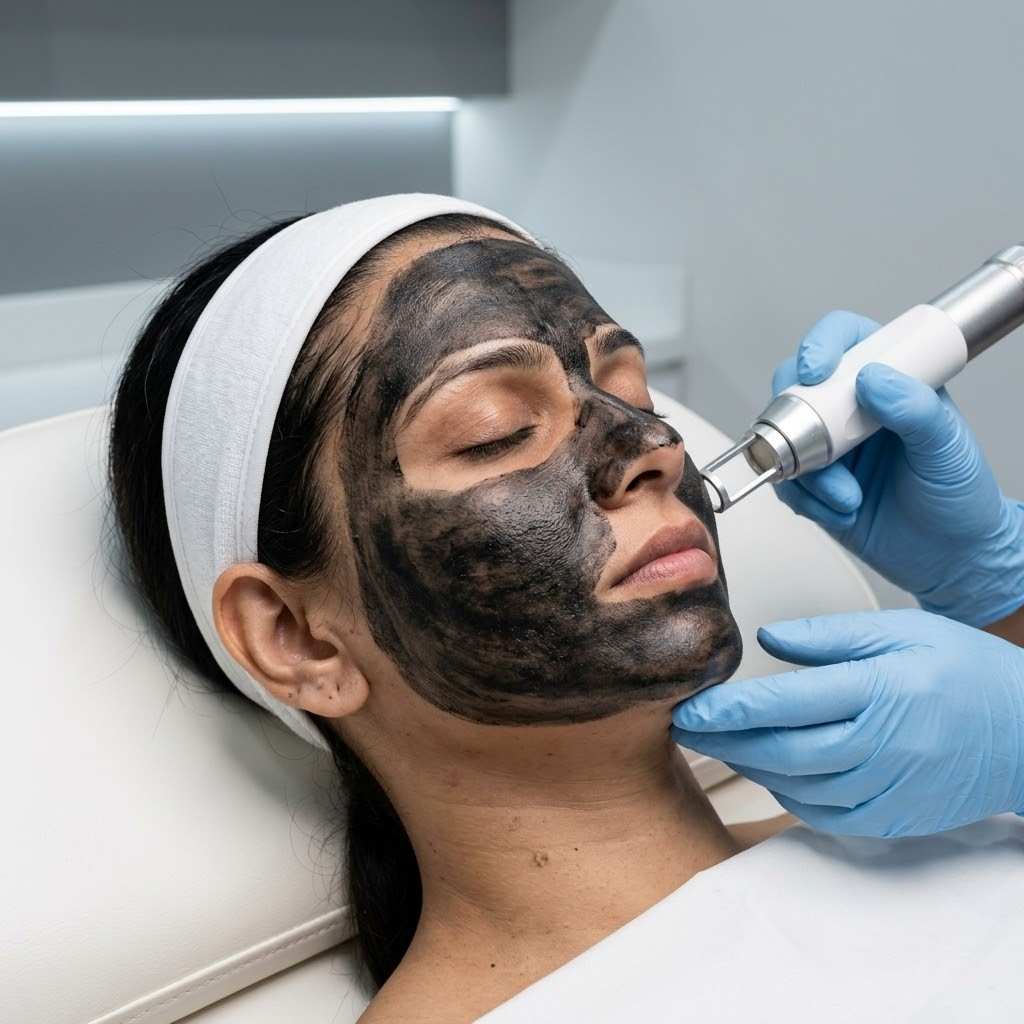
Yes. Depending on your skin condition, Chemical Peels may be combined with Carbon Peel, laser treatments, pigmentation therapies, medical facials, or customized skincare to achieve more comprehensive results.
How many Chemical Peel sessions are recommended?
The ideal number depends on your skin concerns, skin type, and treatment goals. Many patients achieve the best long-term improvement through a customized treatment plan rather than a single peel.
Will my skin peel afterwards?
Not always. Some peels produce visible peeling, while others improve the skin with very little noticeable flaking. The amount of peeling does not determine how effective the treatment is.
Is a Chemical Peel painful?
Most patients experience mild tingling or warmth during treatment. The sensation varies depending on the type and strength of the peel being performed.
What is a Chemical Peel?
A Chemical Peel is a medically guided skin resurfacing treatment that uses carefully selected peeling solutions to remove damaged surface cells, stimulate natural skin renewal, and improve overall skin quality.
Begin Your Chemical Peel Journey
Book a consultation today and let our specialists craft a plan built entirely around you.