 Gender Reassignment
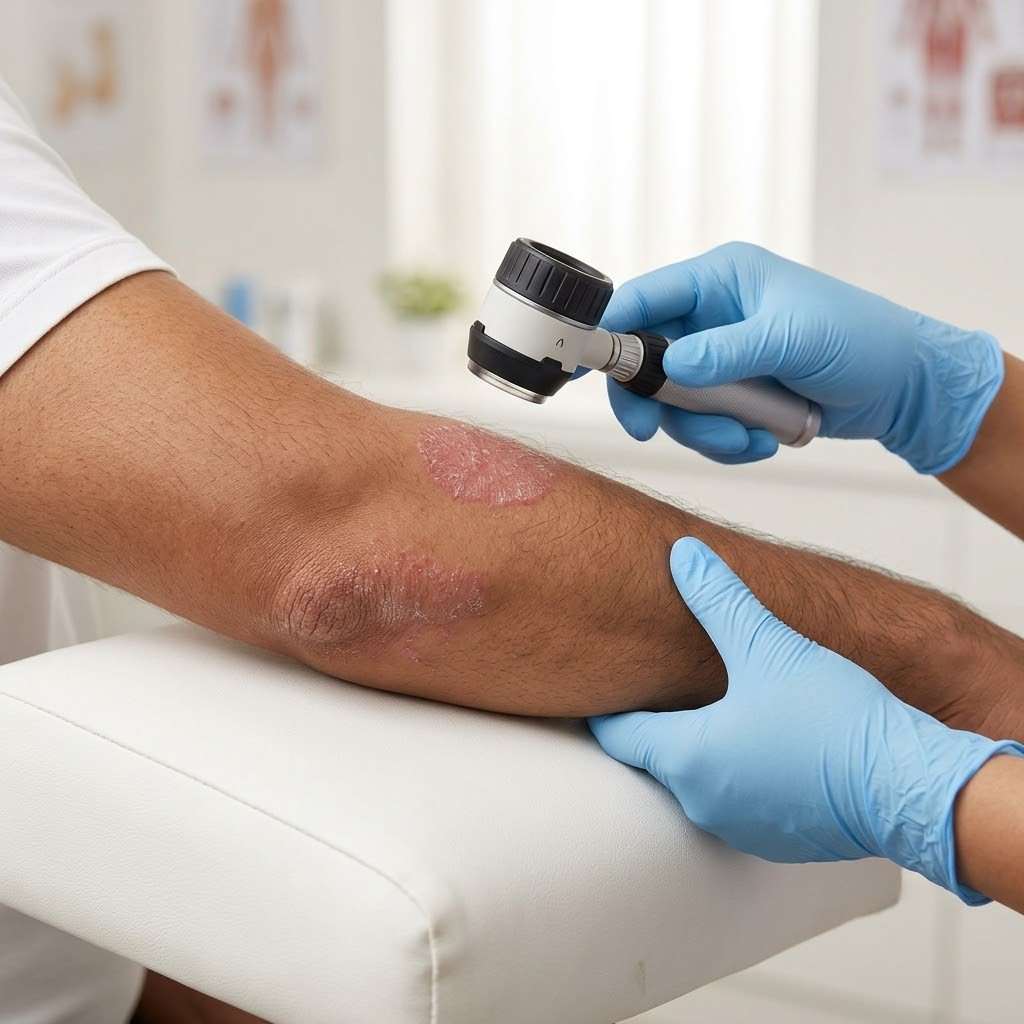
Psoriasis Care In Mumbai
Ongoing management to calm flare-ups and soothe affected skin.
Psoriasis Treatment in Mumbai
Psoriasis is a chronic, immune-mediated skin condition that causes skin cells to multiply much faster than normal. Instead of renewing over several weeks, the skin may produce new cells within a few days. This accelerated turnover leads to the accumulation of thick, inflamed, scaly plaques that commonly appear on the elbows, knees, scalp, lower back, hands, feet, and other parts of the body.
Although psoriasis is often recognized by its visible skin lesions, it is far more than a cosmetic condition. It is a long-term inflammatory disease involving an overactive immune response that affects the skin and, in some individuals, the nails and joints. Without appropriate treatment, psoriasis may significantly affect physical comfort, emotional well-being, sleep, work productivity, and overall quality of life.
Psoriasis is not contagious. It cannot be spread through physical contact, sharing personal items, or close interaction. The condition develops because of a complex interaction between genetics, immune system dysfunction, environmental triggers, and inflammatory pathways.
Modern dermatology has transformed the management of psoriasis. While there is currently no permanent cure, a wide range of evidence-based treatments can effectively control symptoms, reduce flare-ups, slow excessive skin cell production, improve skin appearance, and help patients maintain long-term disease control. Treatment options include medical-grade topical therapies, phototherapy, oral medications, biologic therapies, lifestyle management, and individualized skincare programs.
At Hair & Shape Clinic, every Psoriasis Treatment begins with a comprehensive dermatological assessment. The type of psoriasis, disease severity, extent of skin involvement, symptom intensity, previous treatments, possible trigger factors, associated medical conditions, and lifestyle are carefully evaluated before creating a personalized treatment plan. Our goal is not simply to improve the visible plaques but to reduce inflammation, restore healthier skin function, minimize flare-ups, and improve long-term quality of life.
What Is Psoriasis?
Psoriasis is a chronic autoimmune inflammatory skin disorder in which the immune system mistakenly accelerates the growth cycle of skin cells.
Normally, skin cells mature and shed over approximately four weeks.
In psoriasis, this process may occur within just three to seven days.
Because new skin cells are produced faster than old cells can be shed, they accumulate on the surface, forming thick, raised plaques covered with silvery-white scales.
The condition may vary significantly between individuals.
Some patients develop only a few localized patches, while others experience widespread skin involvement.
Psoriasis commonly affects:
Scalp.
Elbows.
Knees.
Lower back.
Hands.
Feet.
Nails.
Skin folds.
Occasionally, the entire body.
Although psoriasis is lifelong, modern treatment can successfully control symptoms and reduce disease activity.
Why Does Psoriasis Develop?
Psoriasis develops because of a combination of immune system dysfunction, genetic susceptibility, and environmental triggers.
Several biological mechanisms contribute to disease development.
Immune System Overactivity
Immune cells mistakenly attack healthy skin, triggering chronic inflammation.
This inflammatory response accelerates skin cell production.
Rapid Skin Cell Turnover
Instead of maturing gradually, skin cells reach the surface too quickly, resulting in thick plaque formation.
Genetic Factors
Many patients have a family history of psoriasis, although not everyone with genetic susceptibility develops the condition.
Environmental Triggers
Common triggers include:
Emotional stress.
Skin injury.
Certain infections.
Cold weather.
Smoking.
Alcohol consumption.
Certain medications.
Chronic Inflammation
Persistent inflammation contributes not only to skin symptoms but may also increase the risk of associated health conditions such as psoriatic arthritis and certain metabolic disorders.
Understanding these biological pathways allows treatment to focus on controlling inflammation rather than simply removing skin scales.
Understanding Skin Anatomy
Psoriasis affects multiple components of healthy skin.
Epidermis
The epidermis is the outer protective layer of the skin.
In psoriasis, epidermal cells multiply far more rapidly than normal.
Keratinocytes
Keratinocytes are the primary cells of the epidermis.
Excessive keratinocyte proliferation leads to thickened plaques.
Dermis
The dermis contains blood vessels and immune cells.
Inflammatory activity within the dermis contributes to redness, swelling, and increased blood flow.
Immune Cells
Activated T lymphocytes and inflammatory cytokines drive the disease process by continuously stimulating excessive skin cell production.
Skin Barrier
Healthy skin acts as a protective barrier against infection and water loss.
Psoriatic plaques weaken barrier function, increasing dryness, irritation, and susceptibility to cracking.
Understanding these structures helps explain why psoriasis requires treatments that target inflammation rather than simply moisturizing the skin.
How Does Psoriasis Treatment Improve Skin Health?
Modern psoriasis treatment addresses the underlying inflammatory process responsible for the disease.
Benefits may include:
Reduction of Inflammation
Medical therapies suppress excessive immune activity responsible for skin inflammation.
Slower Skin Cell Production
Treatment helps normalize the rate of epidermal renewal.
Reduction in Plaque Thickness
As inflammation decreases, plaques gradually become thinner and less noticeable.
Relief from Itching
Many patients experience significant improvement in itching and skin discomfort.
Improved Skin Barrier
Appropriate skincare restores hydration and supports healthier barrier function.
Better Quality of Life
Effective treatment often improves confidence, sleep quality, physical comfort, and emotional well-being.
Reduced Frequency of Flare-Ups
Long-term disease control helps minimize future episodes.
Rather than offering temporary cosmetic improvement, psoriasis treatment focuses on controlling the chronic inflammatory disease process.
Who Is a Good Candidate for Psoriasis Treatment?
Anyone diagnosed with psoriasis can benefit from a personalized dermatological evaluation.
You may be a suitable candidate if you:
Have persistent red, scaly skin patches.
Experience itching or burning skin.
Notice recurrent skin flare-ups.
Have scalp psoriasis.
Have nail changes associated with psoriasis.
Experience skin cracking or bleeding.
Have previously been diagnosed with psoriasis.
Want long-term disease control rather than temporary symptom relief.
Patients experiencing joint pain, stiffness, or swelling may also require evaluation for possible psoriatic arthritis.
What Types of Psoriasis Can Be Treated?
A personalized treatment plan can help manage various forms of psoriasis.
Plaque Psoriasis
The most common form, characterized by thick, scaly plaques.
Scalp Psoriasis
Affects the scalp and may resemble severe dandruff while often causing significant itching.
Nail Psoriasis
Can produce nail pitting, thickening, discoloration, and separation from the nail bed.
Guttate Psoriasis
Appears as numerous small drop-shaped lesions, often following certain infections.
Inverse Psoriasis
Develops within skin folds where friction and moisture are present.
Palmoplantar Psoriasis
Affects the palms and soles, potentially interfering with daily activities.
Mild to Moderate Psoriasis
Can often be managed successfully using individualized medical therapy and skincare programs.
Personalized Psoriasis Treatment Planning
Psoriasis varies considerably from one individual to another. Some patients experience small, localized plaques that respond well to topical therapies, while others develop widespread skin involvement requiring phototherapy, systemic medications, or biologic treatments. The type of psoriasis, body surface area affected, symptom severity, nail involvement, possible joint symptoms, lifestyle, medical history, and previous treatment response all influence the most appropriate management strategy.
At Hair & Shape Clinic, every Psoriasis Treatment program begins with a comprehensive dermatological evaluation. Disease severity, inflammation, trigger factors, associated medical conditions, skin barrier health, previous therapies, and long-term treatment goals are carefully assessed before developing a personalized management plan. Our approach focuses on controlling inflammation, reducing flare-ups, restoring healthier skin function, and helping patients achieve sustainable long-term disease management while improving their overall quality of life.
What Happens During Psoriasis Treatment?
Psoriasis Treatment is highly individualized because the condition varies significantly in severity, distribution, symptom intensity, and response to therapy. Some patients require only topical medications, while others may benefit from phototherapy, oral medications, biologic therapies, or a combination of treatments.
The primary objective is to control the underlying inflammation, normalize excessive skin cell production, relieve symptoms, and reduce the frequency of future flare-ups rather than simply removing visible scales.
A typical Psoriasis Treatment program includes the following stages.
Step 1: Comprehensive Dermatological Assessment
Every treatment begins with a detailed evaluation of your skin and overall health.
Your dermatologist assesses:
Type of psoriasis.
Severity of skin involvement.
Body surface area affected.
Plaque thickness.
Itching and discomfort.
Nail involvement.
Joint symptoms.
Trigger factors.
Previous treatments.
Family history.
Lifestyle and medical conditions.
This evaluation helps determine the most appropriate treatment strategy.
Step 2: Skin Examination and Documentation
The affected areas are carefully examined to assess the degree of inflammation, scaling, redness, and skin barrier damage.
Clinical photographs may be taken to monitor treatment progress over time.
Step 3: Personalized Treatment Plan
Depending on the severity of psoriasis, treatment may include one or more of the following:
Medical-grade topical medications.
Moisturizing and barrier-repair therapy.
Phototherapy.
Oral medications.
Biologic therapies.
Anti-inflammatory skincare.
Scalp treatments.
Nail psoriasis management.
Lifestyle modification guidance.
Each component is selected according to the patient's disease pattern and long-term management needs.
Step 4: Control of Inflammation
The primary focus of treatment is to reduce the abnormal immune response responsible for excessive skin cell production.
As inflammation decreases, plaques gradually become thinner, scaling reduces, and skin becomes more comfortable.
Step 5: Long-Term Maintenance
Because psoriasis is a chronic condition, maintenance therapy is often necessary.
Regular follow-up allows treatment to be adjusted according to disease activity while minimizing future flare-ups.
Types of Psoriasis Treatments
Modern dermatology offers several evidence-based treatment options that can be customized according to disease severity.
Medical-Grade Topical Therapy
Prescription creams, ointments, foams, and lotions help reduce inflammation, slow excessive skin cell production, and relieve itching.
These treatments are commonly used for mild to moderate psoriasis.
Moisturizing and Barrier Repair Therapy
Regular use of medical moisturizers helps reduce dryness, scaling, cracking, and discomfort while improving skin barrier function.
Phototherapy
Controlled exposure to specific wavelengths of ultraviolet light helps slow abnormal skin cell growth and reduce inflammation.
Phototherapy is often recommended for moderate or widespread psoriasis.
Oral Medications
Patients with more severe disease may benefit from oral medications that regulate immune activity after careful medical evaluation.
Biologic Therapy
Biologic medications selectively target specific immune pathways responsible for psoriasis.
They are generally reserved for moderate to severe psoriasis or patients with psoriatic arthritis.
Scalp Psoriasis Treatment
Specialized medicated shampoos, lotions, foams, and topical therapies help manage scalp involvement.
Combination Therapy
Many patients achieve the best long-term control through a carefully planned combination of medical therapies, skincare, and lifestyle management.
What Results Can You Expect?
Psoriasis treatment focuses on disease control rather than permanent cure.
Most patients experience gradual improvement as inflammation decreases and skin renewal returns closer to normal.
Reduction in Plaques
Psoriatic plaques gradually become thinner, softer, and less noticeable.
Less Scaling
Excessive scaling decreases as skin cell turnover normalizes.
Relief from Itching
Many patients experience significant improvement in itching, burning, and discomfort.
Healthier Skin Barrier
Improved hydration helps reduce cracking, dryness, and irritation.
Longer Periods Between Flare-Ups
Consistent treatment often reduces the frequency and severity of disease recurrence.
Improved Quality of Life
Better disease control frequently improves confidence, sleep, physical comfort, and daily functioning.
Although psoriasis cannot currently be cured, long-term treatment enables many patients to maintain prolonged periods of excellent disease control.
What Is Recovery Like After Psoriasis Treatment?
Recovery depends on the specific treatments included in your personalized management plan.
Immediately After Treatment
Patients using topical therapies or phototherapy generally experience little or no downtime.
Some treatments may cause:
Mild redness.
Temporary dryness.
Mild irritation.
Increased skin sensitivity.
These effects usually improve as the skin adapts to treatment.
First Few Weeks
Visible improvements develop gradually.
Inflammation begins to reduce, plaques soften, and scaling becomes less prominent.
Long-Term Disease Management
Psoriasis requires continuous management rather than one-time treatment.
Successful long-term control often includes:
Regular dermatology reviews.
Consistent use of prescribed medications.
Daily moisturization.
Trigger avoidance.
Healthy lifestyle habits.
Are There Any Risks or Limitations?
Psoriasis treatments are generally safe when prescribed and monitored by qualified dermatology professionals.
However, every medical treatment has potential risks.
Possible temporary side effects include:
Skin irritation.
Dryness.
Mild burning sensation.
Increased photosensitivity.
Temporary redness.
Local allergic reactions.
Medication-specific side effects depending on the treatment used.
It is equally important to understand the limitations of treatment.
There is currently no permanent cure for psoriasis. Even after successful treatment, flare-ups may occur because psoriasis is a chronic immune-mediated condition. The goal of treatment is long-term disease control, symptom relief, and improved quality of life rather than permanent elimination of the disease.
How Much Does Psoriasis Treatment Cost in Mumbai?
The cost of Psoriasis Treatment depends on the severity of the condition, the extent of skin involvement, the type of therapy recommended, and the duration of treatment.
Factors influencing treatment cost include:
Disease severity.
Body surface area involved.
Topical medications.
Phototherapy sessions.
Oral or biologic medications.
Follow-up consultations.
Long-term maintenance therapy.
Following a comprehensive dermatological evaluation, your dermatologist will recommend a personalized treatment plan and discuss the associated costs before beginning therapy.
Why Choose Hair & Shape for Psoriasis Treatment?
Successful psoriasis management requires a deep understanding of immunology, inflammatory skin diseases, skin barrier biology, and long-term disease monitoring. Because psoriasis is a chronic autoimmune condition rather than a simple skin disorder, effective treatment depends on accurately assessing disease severity, identifying trigger factors, selecting appropriate therapies, and adjusting treatment as the condition changes over time.
At Hair & Shape Clinic, every Psoriasis Treatment program begins with a comprehensive dermatological evaluation. Disease type, plaque distribution, inflammation, trigger factors, nail involvement, possible joint symptoms, previous treatment response, and overall health are carefully assessed before creating a personalized management strategy. Our approach combines evidence-based medical therapies, individualized skincare, patient education, and long-term follow-up to help control symptoms, minimize flare-ups, protect skin health, and improve overall quality of life.
Why Does Personalized Psoriasis Treatment Planning Matter?
Psoriasis presents differently in every individual, making personalized treatment essential for safe and effective long-term disease control.
Disease Severity Varies Considerably
Small localized plaques require different treatment strategies than extensive psoriasis involving large areas of the body.
Trigger Factors Differ Between Patients
Stress, infections, medications, climate, smoking, alcohol, and skin injuries may trigger flare-ups in different individuals.
Nail and Joint Involvement Require Additional Care
Patients with nail psoriasis or symptoms suggestive of psoriatic arthritis often require broader medical evaluation and coordinated treatment.
Skin Barrier Health Influences Comfort
Customized moisturization and barrier repair are important for reducing dryness, irritation, and cracking while supporting healthy skin function.
Long-Term Monitoring Improves Outcomes
Regular follow-up allows treatment adjustments based on disease activity, helping maintain prolonged control while reducing the risk of unnecessary medication exposure.
International Patients Seeking Psoriasis Treatment in Mumbai
Hair & Shape Clinic welcomes patients from across India and around the world seeking comprehensive management for psoriasis and other chronic skin conditions.
Our international patient pathway is designed to provide continuous, personalized care before, during, and after your visit.
Before You Travel
Virtual consultations, medical history review, photographs of affected areas, and discussion of your symptoms help determine the most appropriate treatment plan before you arrive.
During Your Stay
Your treatment includes a comprehensive dermatological assessment, personalized medical therapy, skincare recommendations, education about trigger management, and a long-term disease control strategy tailored to your needs.
Returning Home
Follow-up consultations can often be conducted remotely. Continued guidance regarding medications, skincare, moisturization, trigger avoidance, lifestyle modifications, and maintenance therapy helps support long-term disease control and healthier skin wherever you live.
What to Expect
Consultation
A detailed assessment of your goals, suitability, and a personalised plan.
Preparation
Clear pre-treatment guidance so you arrive fully prepared and at ease.
The Procedure
Your treatment, performed by our specialists with comfort and safety first.
Aftercare
Structured recovery support and follow-ups to protect your results.
Frequently Asked Questions
Everything you need to know about Psoriasis Care. Still curious? Our team is one message away.
When should I see a dermatologist for psoriasis?
You should consult a dermatologist if you have persistent red, itchy, scaly patches, frequent flare-ups, joint pain, or symptoms that are not improving with over-the-counter treatments. Early diagnosis and personalized medical care can help control the disease, prevent complications such as psoriatic arthritis, and improve your quality of life.
Is psoriasis contagious?
No. Psoriasis is not contagious and cannot spread through physical contact, sharing personal items, swimming pools, or close interaction with others. It is an immune-mediated condition caused by genetic and environmental factors, not by bacteria, viruses, or fungi.
What causes psoriasis flare-ups?
Psoriasis flare-ups can be triggered by several factors, including stress, skin injuries, infections, cold weather, certain medications, smoking, excessive alcohol consumption, and hormonal changes. Identifying and managing your personal triggers, along with following your prescribed treatment plan, can help reduce the frequency and severity of flare-ups.
What are the most effective treatments for psoriasis?
The best psoriasis treatment depends on the type, severity, and extent of the condition. Mild psoriasis may respond to medicated creams and topical therapies, while moderate to severe psoriasis may require phototherapy, oral medications, biologic therapies, or a combination of treatments. A dermatologist will create a personalized treatment plan based on your symptoms, medical history, and lifestyle.
What is psoriasis, and can it be cured?
Psoriasis is a chronic autoimmune skin condition that causes skin cells to multiply much faster than normal, leading to thick, red, scaly patches on the skin. While there is currently no permanent cure for psoriasis, modern medical treatments can effectively control symptoms, reduce flare-ups, improve skin appearance, and help many patients achieve long periods of remission.
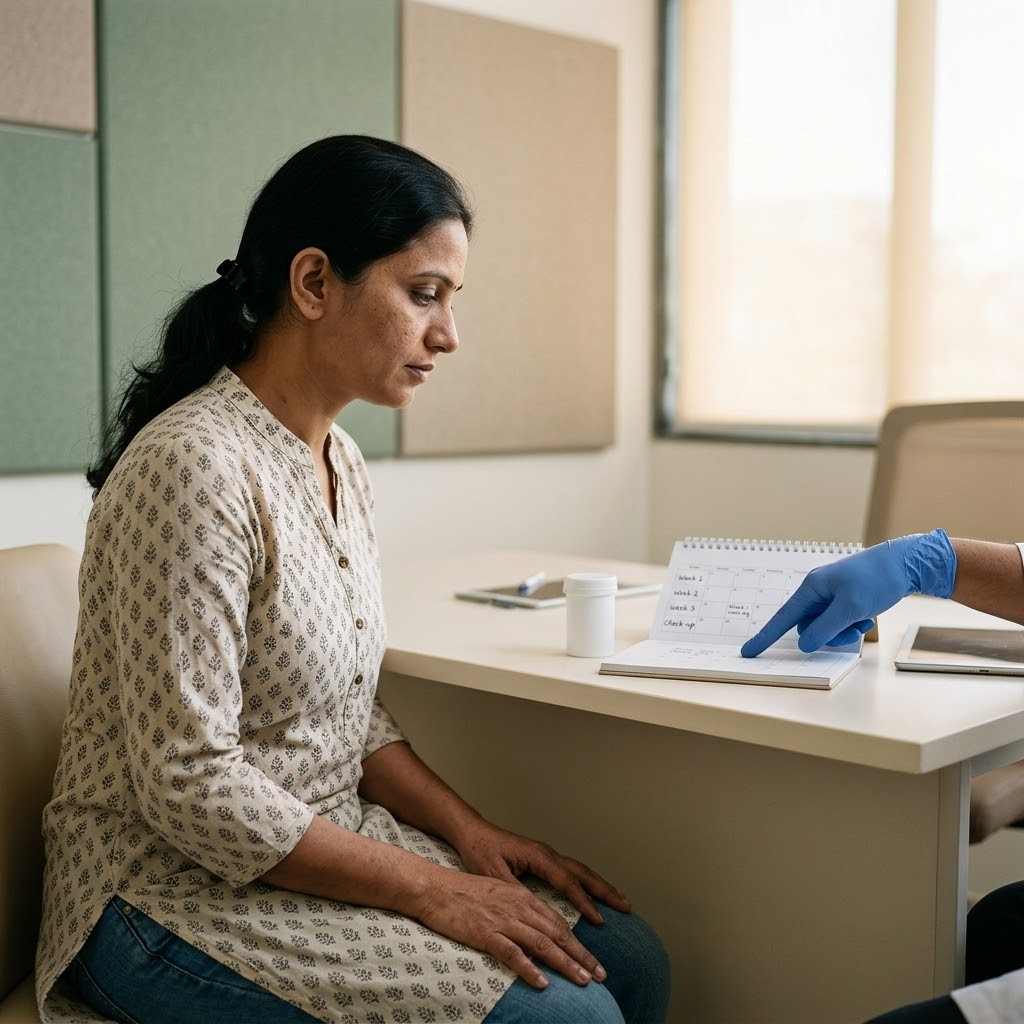

Begin Your Psoriasis Care Journey
Book a consultation today and let our specialists craft a plan built entirely around you.