 Gender Reassignment
Face Lift In Mumbai
Lift and tighten ageing skin for a refreshed, youthful contour.
Facelift (Rhytidectomy) Surgery in Mumbai
Ageing is a natural biological process that gradually changes the appearance of the face. Over time, the skin loses elasticity, collagen production decreases, facial fat shifts downward, and the deeper supporting tissues become less firm. These changes contribute to sagging cheeks, deep folds around the mouth, jowls along the jawline, loose neck skin, and an overall tired or aged appearance.
While non-surgical treatments such as injectables, skin tightening, and energy-based devices may help address mild signs of ageing, they cannot reposition deeper facial tissues or remove significant excess skin. Facelift surgery is designed to correct these structural changes by lifting and repositioning the underlying facial tissues while removing carefully measured excess skin to restore a more youthful and refreshed appearance.
Modern facelift surgery is very different from the overly tight or windswept results often associated with older techniques. Today's procedures focus on restoring natural facial contours by repositioning the deeper support structures of the face rather than simply pulling the skin tighter. The goal is to help patients look younger, rested, and refreshed while preserving their unique facial identity.
At Hair & Shape Clinic, facelift surgery is planned individually for every patient, balancing facial anatomy, skin quality, ageing patterns, and long-term aesthetic goals to achieve results that appear elegant, natural, and proportionate.
What Is a Facelift?
A facelift, medically known as Rhytidectomy, is a surgical procedure that reduces visible signs of facial ageing by repositioning deeper facial tissues, tightening supportive structures, and removing excess skin.
Rather than changing the way you look, facelift surgery aims to restore facial contours that have gradually changed due to ageing.
Depending on individual needs, a facelift may improve:
Sagging cheeks.
Deep nasolabial folds.
Marionette lines.
Jowls.
Loose jawline.
Neck laxity.
Loss of facial definition.
Facial skin redundancy.
A facelift primarily addresses the middle and lower face as well as the upper neck.
Additional procedures such as eyelid surgery, brow lift, neck lift, facial fat grafting, or laser skin resurfacing may sometimes be combined to achieve more comprehensive facial rejuvenation.
Why Does the Face Age?
Facial ageing is caused by multiple biological processes occurring simultaneously rather than by skin ageing alone.
Understanding these changes helps explain why comprehensive facial rejuvenation often requires treatment of deeper tissues.
Collagen Loss
Collagen provides strength and structural support to the skin.
Its gradual decline leads to thinner, less elastic skin.
Elastin Reduction
Elastin allows the skin to stretch and return to its original position.
Reduced elastin contributes to skin laxity and sagging.
Fat Redistribution
Facial fat pads gradually descend and lose volume with age.
This contributes to:
Flattened cheeks.
Hollow areas.
Deep facial folds.
Jowls.
SMAS Weakening
The Superficial Musculoaponeurotic System (SMAS) is a layer of connective tissue and muscle beneath the skin that supports facial structures.
As this layer weakens over time, facial tissues gradually descend.
Bone Remodeling
Age-related changes in the facial skeleton reduce structural support for overlying soft tissues.
Gravity
Over many years, gravity contributes to the downward movement of facial tissues, particularly along the cheeks, jawline, and neck.
Modern facelift surgery addresses several of these deeper structural changes rather than treating the skin alone.
Understanding Facial Ageing Anatomy
The face consists of multiple interconnected layers that work together to create youthful contours.
Successful facelift surgery requires a detailed understanding of these structures.
Skin
The outermost layer provides texture, elasticity, and surface appearance.
Subcutaneous Fat
Fat beneath the skin contributes to youthful facial volume.
Changes in its distribution significantly influence facial ageing.
SMAS Layer
The Superficial Musculoaponeurotic System provides structural support for the cheeks, jawline, and lower face.
Modern facelift techniques commonly reposition this layer rather than simply tightening the skin.
Facial Muscles
The muscles responsible for facial expression remain active throughout life and influence facial movement after surgery.
Facial Retaining Ligaments
These ligaments anchor facial tissues to the underlying skeleton.
Ageing alters their support, contributing to tissue descent.
Understanding how each layer contributes to facial ageing allows surgical planning that restores youthful contours while preserving natural movement and expression.
How Does a Facelift Improve Facial Appearance?
A facelift restores youthful facial contours by repositioning deeper tissues rather than merely tightening the skin.
The procedure may improve several visible signs of ageing.
Sagging Cheeks
Repositions descended facial tissues to restore cheek contour.
Jowls
Improves jawline definition by elevating sagging tissues.
Deep Nasolabial Folds
Reduces the appearance of folds extending from the nose to the corners of the mouth.
Marionette Lines
Improves the downward folds extending from the mouth toward the chin.
Loose Neck Skin
May improve neck contour when combined with neck rejuvenation techniques.
Jawline Definition
Creates a smoother transition between the face and neck.
The objective is facial rejuvenation that appears refreshed rather than surgically altered.
Who Is a Good Candidate for Facelift Surgery?
Facelift surgery may be appropriate for individuals experiencing moderate to advanced facial ageing who wish to achieve longer-lasting rejuvenation than non-surgical treatments can provide.
You may be a suitable candidate if you:
Notice sagging skin along the cheeks or jawline.
Have jowls affecting facial definition.
Experience loose skin around the neck.
Have good overall physical health.
Do not smoke or are willing to stop during recovery.
Have realistic expectations.
Wish to improve facial ageing while maintaining a natural appearance.
A detailed consultation helps determine whether facelift surgery or another facial rejuvenation procedure is most appropriate for your concerns.
What Concerns Can a Facelift Address?
Facelift surgery is commonly performed to improve multiple signs of facial ageing.
Sagging Midface
Restores youthful cheek position.
Jowls
Improves lower facial contour by lifting descended tissues.
Loose Jawline
Creates better jaw definition.
Neck Laxity
May improve mild to moderate neck ageing when included within the surgical plan.
Deep Facial Folds
Softens prominent nasolabial folds and marionette lines by repositioning underlying tissues.
Facial Skin Redundancy
Removes carefully measured excess skin while maintaining natural facial movement.
Loss of Facial Definition
Restores smoother facial transitions and youthful contours.
Personalized Facelift Planning
Every face ages differently. Genetics, skin quality, facial volume, bone structure, sun exposure, lifestyle, and weight changes all influence how ageing appears over time. For this reason, no single facelift technique is suitable for every patient.
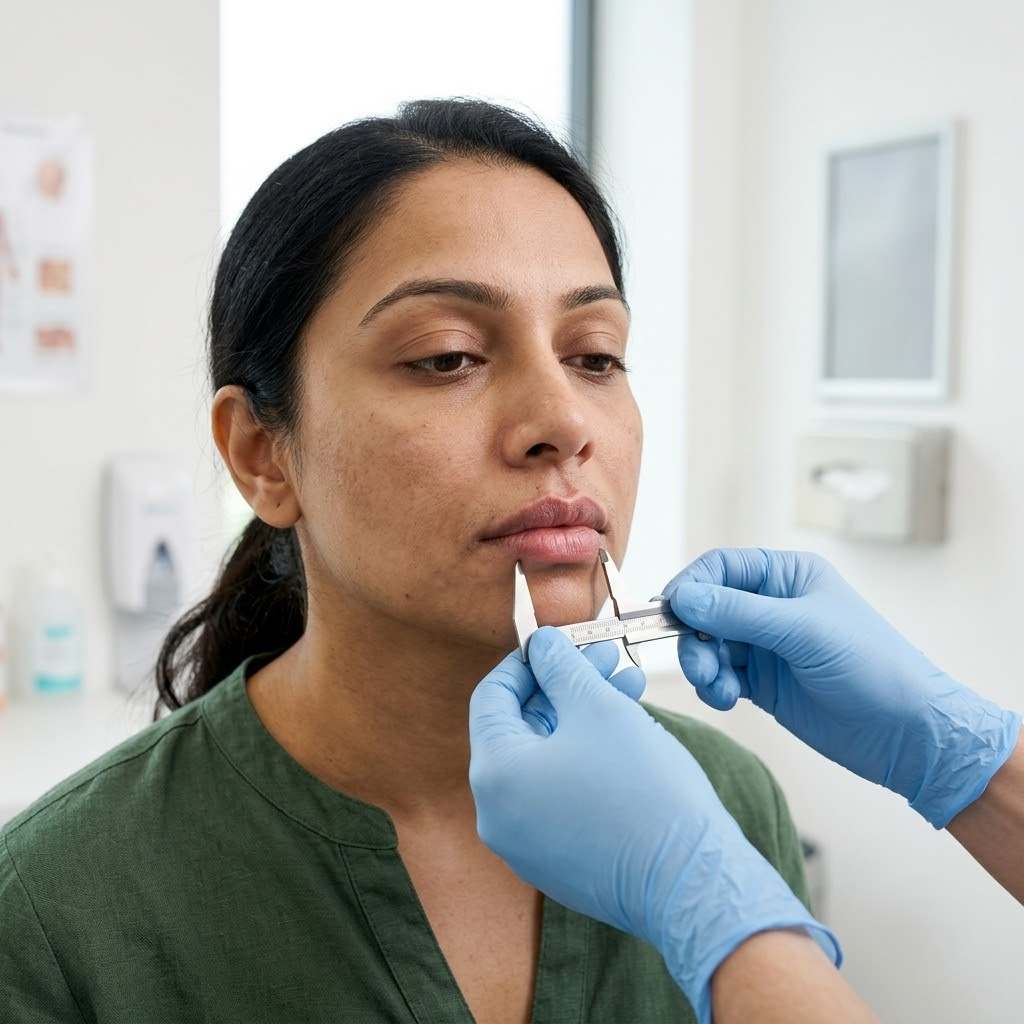
At Hair & Shape Clinic, facelift planning begins with a comprehensive facial analysis that evaluates skin elasticity, SMAS support, facial fat distribution, jawline definition, neck contour, and overall facial proportions. This assessment helps determine whether a traditional facelift, deep-plane approach, neck lift, fat grafting, or combination procedures are most appropriate.
The goal is to restore youthful facial balance while preserving your natural expressions, individual facial characteristics, and long-term structural support.
What Happens During Facelift Surgery?
Facelift surgery is performed in an accredited operating facility under carefully controlled sterile conditions. Depending on the extent of facial rejuvenation and whether additional procedures are performed simultaneously, the surgery usually takes between three and six hours.
Every facelift is customized according to the patient's facial anatomy, degree of ageing, skin quality, and aesthetic goals.
A typical facelift procedure includes the following stages.
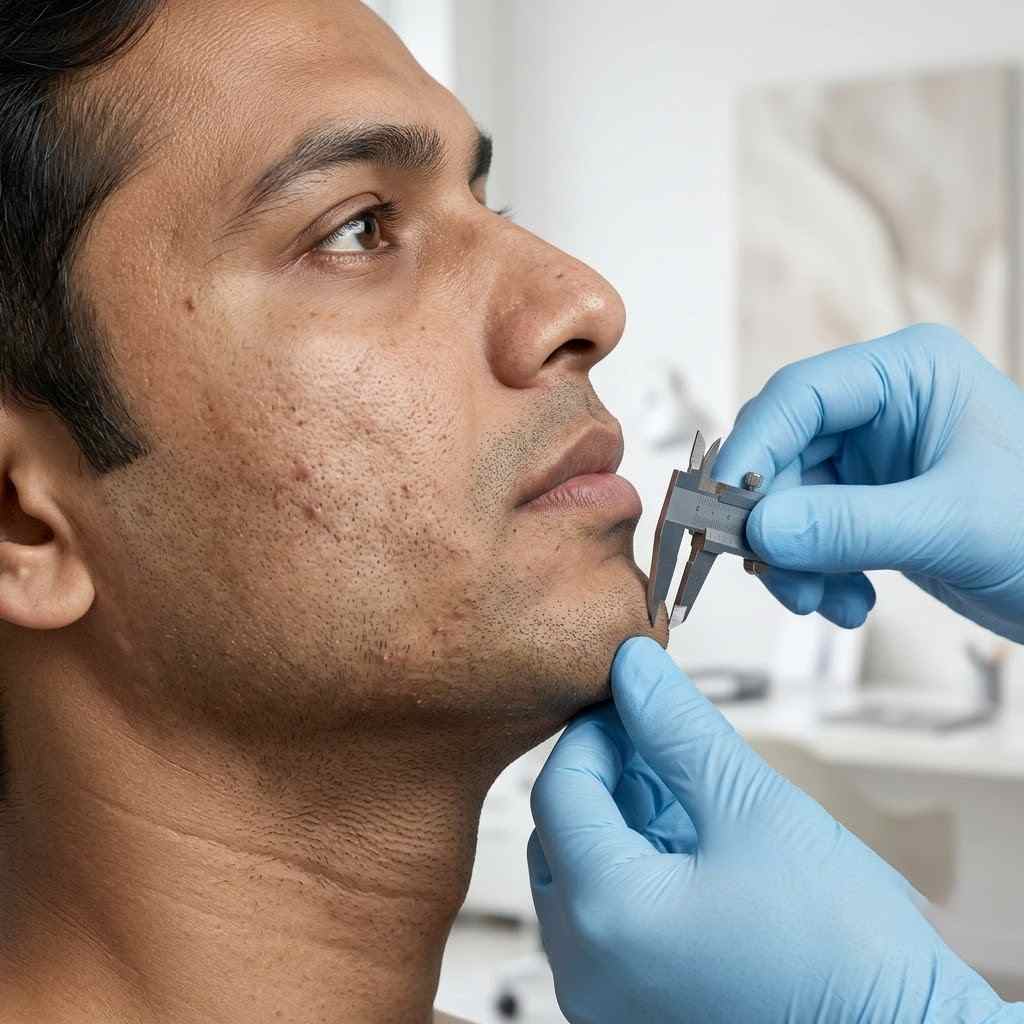
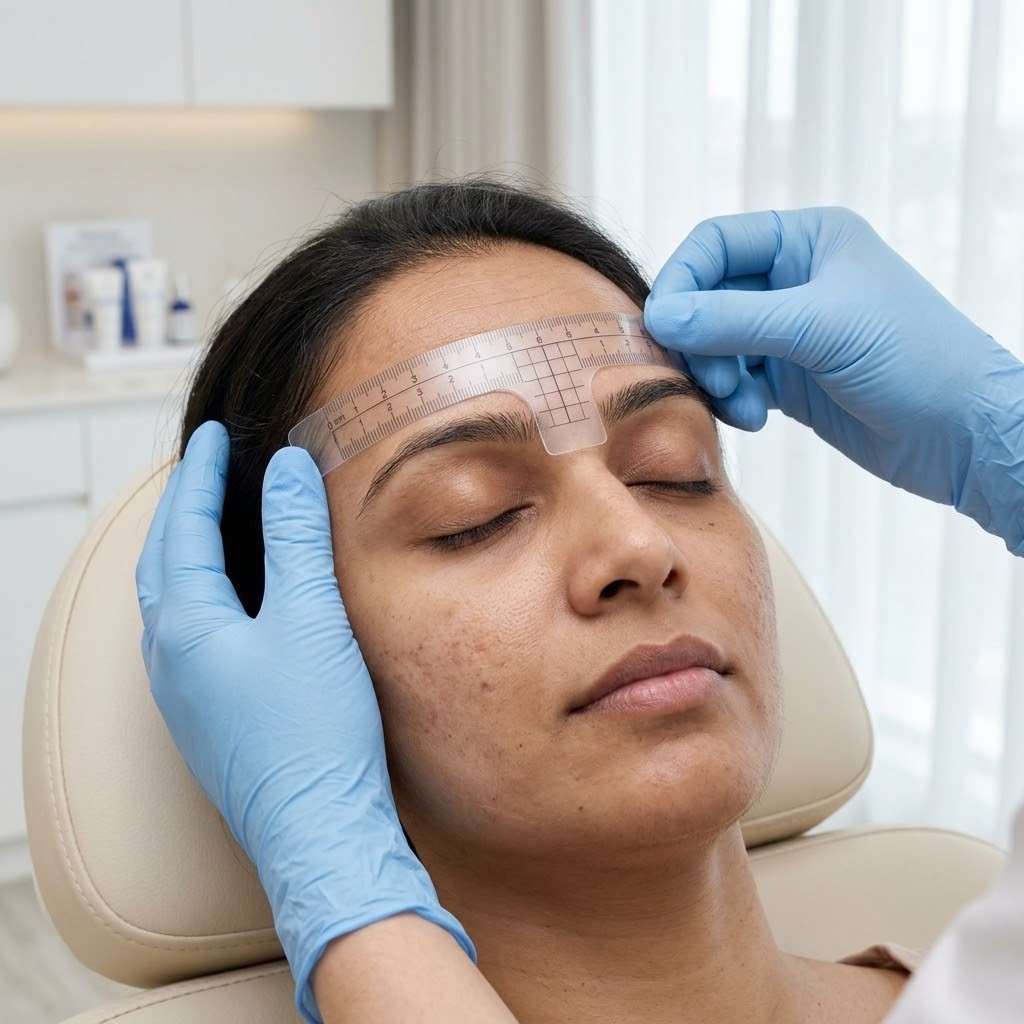
Step 1: Preoperative Planning
Before surgery begins, your surgeon carefully reviews the personalized treatment plan developed during consultation.
This includes:
Facial measurements.
Skin quality assessment.
Degree of tissue laxity.
Jawline evaluation.
Neck contour analysis.
Facial symmetry.
Surgical markings.
Review of aesthetic goals.
The objective is to restore youthful facial contours while preserving natural facial expressions.
Step 2: Anaesthesia
Facelift surgery is typically performed under general anaesthesia or intravenous sedation, depending on the surgical plan.
Throughout the procedure, your vital signs are continuously monitored to ensure safety.
Step 3: Surgical Incisions
The location of the incisions depends on the type of facelift being performed.
In most cases, incisions are carefully concealed:
Within the hairline.
Around the natural curves of the ear.
Behind the ear.
Occasionally extending into the lower scalp.
These locations help minimize visible scarring after healing.
Step 4: Repositioning the Deeper Facial Structures
Once the skin is gently elevated, the deeper support tissues are addressed.
Modern facelift surgery focuses on repositioning the SMAS (Superficial Musculoaponeurotic System) rather than simply tightening the skin.
Depending on the surgical technique, the surgeon may:
Elevate the SMAS layer.
Tighten supporting tissues.
Restore cheek position.
Improve jawline definition.
Reduce jowls.
Improve neck contour.
Working on the deeper layers creates longer-lasting and more natural-looking results.
Step 5: Skin Redraping
After the deeper tissues have been repositioned, the skin is carefully redraped over the newly supported facial framework.
Only the appropriate amount of excess skin is removed.
The skin is never excessively tightened, helping preserve natural facial movement and expression.
Step 6: Closure
The incisions are closed using fine sutures or surgical staples where appropriate.
Small dressings may be applied, and in selected cases temporary drains are used to reduce fluid accumulation during the early stages of healing.
Types of Facelift Surgery
Several facelift techniques are available depending on the patient's anatomy and ageing pattern.
Traditional Facelift
Addresses moderate to advanced ageing involving the cheeks, jawline, and neck.
This technique repositions deeper facial tissues while removing excess skin.
Deep Plane Facelift
Releases and repositions deeper facial structures beneath the SMAS layer.
It is commonly selected for patients requiring more comprehensive correction of facial sagging while preserving natural movement.
Mini Facelift
Suitable for selected patients with early facial ageing and mild tissue laxity.
Smaller incisions and less extensive tissue repositioning are typically involved.
Midface Lift
Focuses primarily on restoring cheek position and improving the central portion of the face.
Lower Facelift
Primarily improves the jawline, jowls, and lower facial contour.
Neck Lift with Facelift
Combines facial rejuvenation with correction of loose neck skin, excess fat, and neck muscle laxity to achieve smoother facial and cervical contours.
What Results Can You Expect After a Facelift?
Facelift surgery produces immediate structural improvements, although the final appearance develops gradually as swelling resolves and tissues settle.
Patients commonly notice:
Improved Jawline Definition
The jawline appears smoother and more youthful after repositioning descended tissues.
Lifted Cheeks
The cheeks regain a fuller, more youthful position.
Reduced Jowls
Sagging tissues along the lower face are elevated to restore facial contour.
Smoother Neck Contour
Patients undergoing combined neck rejuvenation often experience improved neck definition.
Softer Facial Folds
Nasolabial folds and marionette lines often appear less prominent following tissue repositioning.
Natural Facial Rejuvenation
Modern facelift surgery aims to create refreshed, rested, and youthful facial contours without producing an overly tight appearance.
Although facelift surgery turns back many visible signs of ageing, the natural ageing process continues over time.
What Is Recovery Like After Facelift Surgery?
Recovery progresses gradually over several weeks and months as swelling subsides and tissues heal.
Immediately After Surgery
You may experience:
Swelling.
Mild bruising.
Tightness.
Temporary numbness.
Mild discomfort.
Surgical dressings.
These symptoms are expected and improve progressively.
First Week
Dressings are removed during follow-up visits.
Bruising and swelling remain noticeable but gradually begin improving.
Patients are encouraged to avoid strenuous activity during this period.
Two to Four Weeks
Most bruising resolves.
Swelling continues to decrease.
Many patients feel comfortable returning to work, social activities, and light daily routines.
Several Months
Residual swelling gradually disappears.
The facial tissues continue settling into their final position.
Scars soften and become progressively less noticeable.
Long-Term Healing
Final facial refinement develops gradually over several months, producing stable and natural-looking rejuvenation.
Are There Any Risks or Limitations?
Facelift surgery is generally considered safe when performed by an experienced plastic surgeon, but every surgical procedure carries potential risks.
Possible complications include:
Bleeding.
Infection.
Swelling.
Bruising.
Temporary numbness.
Delayed wound healing.
Fluid accumulation.
Scar formation.
Hairline changes near the incision.
Temporary weakness of facial muscles.
Need for revision surgery.
It is also important to understand the limitations of facelift surgery.
A facelift cannot permanently stop the ageing process.
Future changes related to ageing, sun exposure, lifestyle, and genetics will continue naturally over time.
The objective is long-lasting facial rejuvenation rather than permanent prevention of ageing.
How Much Does Facelift Surgery Cost in Mumbai?
The cost of facelift surgery varies according to each patient's anatomy, ageing pattern, and individualized surgical plan.
Factors influencing treatment cost include:
Type of facelift performed.
Extent of facial correction.
Whether a neck lift is included.
Combined facial procedures.
Anaesthesia.
Operating facility charges.
Postoperative care.
Following a detailed consultation, your surgeon will provide a personalized treatment plan outlining the recommended procedure, expected recovery, anticipated outcomes, and associated costs.
Why Choose Hair & Shape for Facelift Surgery?
Successful facelift surgery requires more than tightening loose skin. It demands a detailed understanding of facial anatomy, ageing biology, tissue support, and aesthetic balance. Modern techniques focus on restoring youthful facial contours while preserving natural expressions and maintaining long-term structural stability.
At Hair & Shape Clinic, every patient undergoes a comprehensive facial evaluation before surgery is recommended. Skin quality, SMAS support, facial volume, jawline definition, neck contour, and overall facial proportions are carefully assessed to develop an individualized surgical plan. The emphasis is on creating elegant, natural-looking rejuvenation that enhances your appearance without making you look surgically altered.
Why Does Personalized Facelift Planning Matter?
Every face ages differently, and successful facial rejuvenation depends on understanding those individual changes.
Every Ageing Pattern Is Unique
Genetics, sun exposure, facial structure, weight fluctuations, and lifestyle all influence how ageing develops.
The Deep Structures Matter
Modern facelift techniques primarily address deeper support tissues rather than simply tightening the skin.
Different Techniques Suit Different Patients
Some individuals benefit from a mini facelift, while others require a traditional facelift, deep plane facelift, neck lift, or combination procedures.
Natural Expressions Should Be Preserved
The goal is to restore youthful contours without affecting normal facial movement or expression.
Long-Term Facial Balance Is the Priority
Conservative, anatomically planned surgery produces results that remain harmonious and continue to look natural as the face ages.
International Patients Seeking Facelift Surgery in Mumbai
Hair & Shape Clinic welcomes patients from across India and internationally seeking advanced facial rejuvenation procedures.
Our international patient pathway is designed to simplify consultation, travel planning, surgery, and postoperative care.
Before You Travel
Virtual consultations, facial photographs, medical history review, and discussion of your aesthetic goals help determine the most appropriate surgical plan before your visit.
During Your Stay
Your treatment includes consultation, detailed surgical planning, facelift surgery, postoperative monitoring, and comprehensive recovery guidance before returning home.
Returning Home
Follow-up consultations can often be coordinated remotely. Continued guidance regarding wound care, scar management, activity restrictions, facial recovery, and long-term healing helps support the best possible outcome wherever you live.
What to Expect
Consultation
A detailed assessment of your goals, suitability, and a personalised plan.
Preparation
Clear pre-treatment guidance so you arrive fully prepared and at ease.
The Procedure
Your treatment, performed by our specialists with comfort and safety first.
Aftercare
Structured recovery support and follow-ups to protect your results.
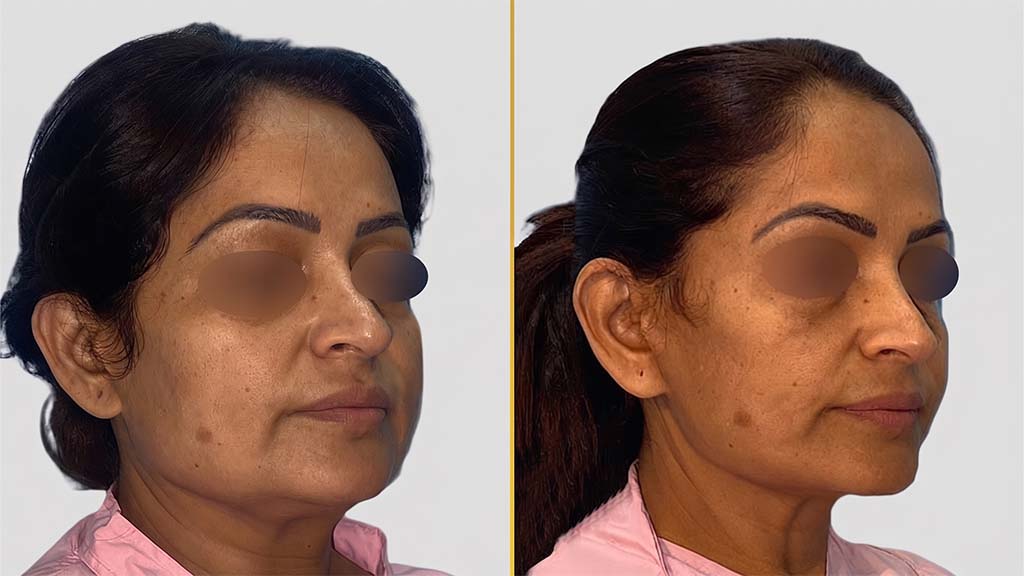
Before & After Transformations
Frequently Asked Questions
Everything you need to know about Face Lift. Still curious? Our team is one message away.
Can a face lift be combined with other facial procedures?
Yes. Depending on your facial anatomy, a face lift may be combined with neck lift surgery, eyelid surgery, brow lift surgery, fat grafting, or skin rejuvenation treatments for a more comprehensive result.
Can a face lift make me look like my younger self?
A face lift cannot recreate your 25-year-old face. It restores facial support and definition so you look like a refreshed version of yourself—not a different person.
How long do face lift results typically last?
While the aging process continues, the structural improvements achieved with face lift surgery are designed to provide long-lasting facial rejuvenation that ages naturally over time.
Am I too young or too old for a face lift?
Neither age alone nor birthdays determine candidacy. Skin quality, tissue descent, facial structure, and overall health are far more important than chronological age.
Does a face lift improve the neck as well?
In many patients, yes. Facial aging rarely affects the face alone. Depending on your anatomy, neck refinement may be performed alongside the face lift to create a seamless jawline-to-neck transition.
What is an SMAS face lift, and why is it important?
The SMAS is the deeper support layer beneath the skin. Repositioning this layer creates more durable, natural-looking rejuvenation because the lift comes from the facial foundation rather than surface tension.
Will my face look pulled or stretched?
Modern face lift surgery is designed to reposition deeper facial structures rather than tighten the skin excessively. The goal is a rested, natural appearance—not a stretched one.
When is a face lift a better option than fillers?
Fillers replace volume. A face lift repositions tissues that have descended over time. When facial sagging becomes the primary concern, lifting the underlying structures often produces more natural and longer-lasting results than adding more volume.
Begin Your Face Lift Journey
Book a consultation today and let our specialists craft a plan built entirely around you.