 Gender Reassignment
Does Smoking Delay Cosmetic Surgery Healing?
Introduction
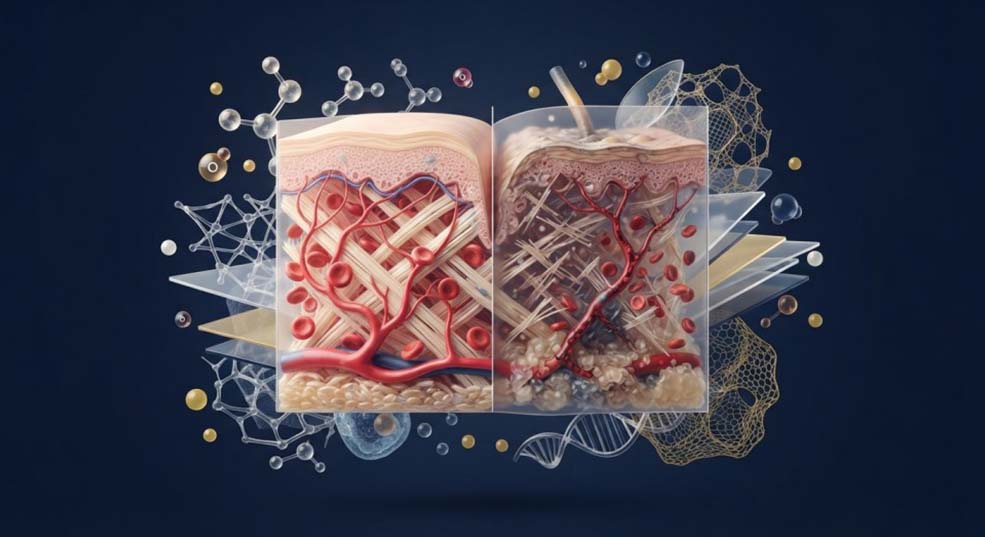
Smoking is one of the most significant modifiable risk factors affecting cosmetic surgery outcomes. While many people associate smoking primarily with lung disease or cardiovascular problems, its effects extend far beyond the respiratory system. Cigarette smoke interferes with nearly every stage of wound healing by reducing oxygen delivery, damaging blood vessels, impairing immune function, slowing collagen production, and increasing tissue inflammation.
For patients considering cosmetic or reconstructive surgery, these biological changes can have a direct impact on recovery. Studies consistently show that smokers experience higher rates of wound complications, skin necrosis, delayed healing, infections, poor scar quality, and, in some procedures, a greater likelihood of surgical failure compared with non-smokers.
Importantly, these risks are not limited to long-term heavy smokers. Even occasional smoking, nicotine vaping, hookah use, cigars, and nicotine replacement products may affect the delicate blood supply that healing tissues depend upon. The encouraging news is that many of these risks begin to decline after smoking cessation, making the weeks before surgery an important opportunity to improve healing potential.
At Hair & Shape Clinic, patient safety is prioritised alongside aesthetic outcomes. Surgical planning includes evaluating lifestyle factors such as smoking and nicotine exposure, allowing patients to optimise their recovery and achieve the best possible long-term results.
Why Healing Is Essential After Cosmetic Surgery
Every cosmetic procedure creates a controlled surgical wound.
Whether the procedure involves:
Rhinoplasty.
Facelift.
Liposuction.
Abdominoplasty.
Blepharoplasty.
Breast surgery.
Hair transplantation.
Scar revision.
…the body must initiate an organised healing response.
Successful healing restores:
Skin integrity.
Blood supply.
Tissue strength.
Collagen structure.
Normal function.
Cosmetic appearance.
Anything that interferes with this biological process may increase the likelihood of complications.
Understanding The Normal Healing Process
Healing occurs through several overlapping biological phases.
Haemostasis
Immediately after surgery, blood vessels constrict and clotting begins to control bleeding.
Inflammation
Immune cells remove damaged tissue, bacteria, and cellular debris while preparing the wound for repair.
Proliferation
New blood vessels form, collagen production increases, fibroblasts rebuild connective tissue, and new skin gradually covers the wound.
Remodelling
Over several months, collagen fibres reorganise, scars mature, and tissue strength progressively improves.
Each phase depends on an adequate blood supply and sufficient oxygen reaching healing tissues.
Why Oxygen Is Critical For Wound Healing
Healing tissues have exceptionally high oxygen requirements.
Oxygen supports:
Collagen synthesis.
Fibroblast activity.
Immune defence.
Blood vessel formation.
Cell metabolism.
Scar maturation.
Without sufficient oxygen, virtually every aspect of tissue repair becomes less efficient.
This is one of the primary reasons smoking delays healing.
What Happens When Someone Smokes?
Cigarette smoke contains more than 7,000 chemical compounds.
Several components have particularly harmful effects on surgical recovery.
Nicotine
Nicotine causes blood vessels to constrict, reducing blood flow to healing tissues.
Carbon Monoxide
Carbon monoxide binds strongly to haemoglobin, reducing the amount of oxygen transported throughout the body.
Hydrogen Cyanide
This chemical interferes with normal cellular oxygen utilisation and energy production.
Oxidative Chemicals
Free radicals increase inflammation while damaging healthy cells involved in tissue repair.
Together, these substances compromise the body's natural healing mechanisms.
Nicotine Reduces Blood Flow
Healthy healing depends on a consistent blood supply.
Nicotine stimulates the release of adrenaline, causing blood vessels to narrow.
This vasoconstriction results in:
Reduced oxygen delivery.
Lower nutrient supply.
Decreased circulation.
Impaired waste removal.
Poor tissue perfusion.
Even temporary reductions in blood flow may significantly affect delicate surgical tissues.
Carbon Monoxide Reduces Oxygen Delivery
Red blood cells transport oxygen using haemoglobin.
Carbon monoxide binds to haemoglobin approximately 200 times more strongly than oxygen.
As a result:
Less oxygen reaches healing tissues.
Cellular repair slows.
Wound healing becomes less efficient.
Tissue survival decreases.
This effect compounds the blood vessel narrowing caused by nicotine.
Smoking Damages Blood Vessels
Long-term smoking affects both large and small blood vessels.
The vascular lining becomes damaged through:
Chronic inflammation.
Oxidative stress.
Endothelial dysfunction.
Reduced nitric oxide production.
Increased clotting tendency.
These changes reduce the body's ability to rapidly increase blood flow where healing is occurring.
Smoking Slows Collagen Production
Collagen provides structural strength during wound healing.
Fibroblasts are the specialised cells responsible for producing new collagen.
Smoking reduces fibroblast activity by:
Limiting oxygen availability.
Increasing oxidative damage.
Altering growth factor signalling.
Reducing collagen synthesis.
As collagen production declines:
Wounds heal more slowly.
Scar strength decreases.
Tissue support weakens.
Recovery may be prolonged.
Smoking Weakens The Immune System
Immune cells play an essential role in preventing infection and coordinating tissue repair.
Smoking reduces normal immune function by affecting:
White blood cell activity.
Neutrophil function.
Macrophage performance.
Antibody response.
Inflammatory regulation.
This impaired immune response increases susceptibility to postoperative infections and delayed wound healing.
Why Cosmetic Surgery Is Particularly Sensitive To Smoking
Many cosmetic procedures rely on extremely delicate blood vessels to maintain tissue survival.
Examples include:
Skin flaps.
Facial surgery.
Breast reduction.
Breast lift.
Facelift.
Tummy tuck.
Reconstructive procedures.
Even small reductions in blood flow may compromise these tissues because they depend on a limited vascular supply during the early stages of healing.
This is why smoking is considered one of the most important preventable risk factors in aesthetic surgery.
What Cosmetic Surgery Complications Are More Common In Smokers?
Multiple clinical studies have shown that smokers have a significantly higher risk of postoperative complications than non-smokers.
Potential complications include:
Delayed wound healing.
Skin necrosis (tissue death).
Wound separation (dehiscence).
Surgical site infection.
Poor scar quality.
Increased swelling.
Prolonged bruising.
Fat necrosis.
Delayed recovery.
Greater likelihood of revision surgery.
The degree of risk depends on factors such as the type of procedure, the amount of nicotine exposure, overall health, and how long smoking continues before and after surgery.
Why Skin Necrosis Can Occur
Skin survives because of a constant supply of oxygen-rich blood.
When blood flow falls below a critical level, tissues may not receive enough oxygen to remain healthy.
In severe cases, this may lead to:
Skin discolouration.
Tissue breakdown.
Delayed closure.
Partial wound loss.
Skin necrosis.
Procedures involving skin flaps—such as facelifts, tummy tucks, breast surgery, and some reconstructive operations—are particularly vulnerable because portions of the skin temporarily rely on newly developing blood vessels during healing.
Smoking And Scar Quality
Scar formation depends on organised collagen deposition and gradual tissue remodelling.
Smoking interferes with both processes.
As a result, scars may become:
Wider.
More noticeable.
Slower to mature.
Less flexible.
More irregular.
Although scar appearance is influenced by genetics and surgical technique, smoking remains one of the most important modifiable factors affecting scar quality.
Does Smoking Affect Hair Transplant Results?
Yes.
Hair transplantation depends on establishing a healthy blood supply to newly implanted grafts.
Smoking may reduce graft survival by:
Reducing scalp circulation.
Decreasing oxygen delivery.
Increasing inflammation.
Slowing tissue repair.
Delaying angiogenesis (new blood vessel formation).
While many smokers still achieve successful outcomes, continuing to smoke during the perioperative period may reduce the biological environment needed for optimal graft healing and growth.
Does Vaping Carry Similar Risks?
Many people assume vaping is a safer alternative before surgery.
Although research is still evolving, many e-cigarettes deliver nicotine, which continues to cause blood vessel constriction.
Potential concerns include:
Reduced blood flow.
Delayed wound healing.
Increased oxidative stress.
Inflammatory changes.
Impaired tissue oxygenation.
Because nicotine itself contributes to many healing problems, surgeons commonly advise avoiding nicotine-containing vaping products before and after cosmetic procedures.
What About Nicotine Gum And Patches?
Nicotine replacement therapies eliminate many harmful combustion products found in cigarettes.
However, they still expose the body to nicotine.
Since nicotine causes vasoconstriction, some surgeons recommend avoiding all nicotine-containing products around the time of cosmetic surgery unless specifically advised otherwise by the treating medical team.
Patients attempting to quit smoking should discuss the safest cessation strategy with both their surgeon and primary healthcare provider.
How Long Before Surgery Should Smoking Be Stopped?
The ideal timing varies depending on:
The planned procedure.
Overall health.
Smoking history.
Individual risk factors.
Many plastic surgeons recommend stopping smoking several weeks before surgery and remaining smoke-free throughout the healing period.
This allows:
Blood circulation to improve.
Carbon monoxide levels to normalise.
Oxygen delivery to increase.
Immune function to recover.
Wound healing capacity to improve.
Longer periods of smoking cessation generally provide greater biological benefits.
Can Quitting Smoking Improve Surgical Outcomes?
Yes.
Research consistently demonstrates that smoking cessation reduces postoperative complications.
Benefits include:
Improved circulation.
Better oxygen delivery.
Faster wound healing.
Reduced infection risk.
Lower chance of tissue necrosis.
Better scar maturation.
Improved overall recovery.
Although previous smoking cannot be completely reversed, stopping before surgery allows the body to regain much of its natural healing capacity.
Other Factors That Influence Healing
Smoking is only one component of surgical recovery.
Other important factors include:
Diabetes.
Nutrition.
Protein intake.
Hydration.
Body weight.
Chronic medical conditions.
Certain medications.
Alcohol consumption.
Sleep quality.
Stress levels.
Surgical technique.
Postoperative wound care.
Optimising these factors alongside smoking cessation provides the best opportunity for uncomplicated healing.
Why Personalised Surgical Planning Matters
Every patient heals differently.
Factors such as age, genetics, existing medical conditions, smoking history, procedure type, and overall lifestyle all influence recovery.
For this reason, preoperative assessment extends beyond the planned operation itself. A personalised evaluation helps identify modifiable risk factors, provides realistic expectations, and allows a surgical plan to be tailored to support safer healing and better long-term outcomes.
Why Choose Hair & Shape For Cosmetic Surgery?
At Hair & Shape Clinic, patient safety is considered an integral part of aesthetic excellence. Every cosmetic procedure is planned with careful attention to overall health, tissue biology, and factors that influence healing, including smoking and nicotine exposure.
Dr. Umang Kothari and the clinical team provide comprehensive preoperative guidance designed to optimise recovery while maintaining the highest standards of surgical care. Through evidence-based planning, meticulous surgical technique, and personalised postoperative support, our goal is to achieve natural-looking results with the safest possible healing journey.
Final Thoughts
Smoking affects far more than the lungs. By reducing blood flow, limiting oxygen delivery, impairing collagen production, weakening immune function, and slowing tissue repair, it can significantly delay healing after cosmetic surgery. These biological effects increase the risk of complications such as wound breakdown, infection, skin necrosis, poor scar formation, and prolonged recovery.
The good news is that these risks are modifiable. Quitting smoking before surgery and remaining smoke-free throughout recovery allows the body's natural healing mechanisms to function more effectively, improving both safety and aesthetic outcomes. Combined with personalised surgical planning and careful postoperative care, smoking cessation remains one of the most valuable steps patients can take to support successful cosmetic surgery results.