 Gender Reassignment
Can Rhinoplasty Affect Your Voice or Breathing?
Introduction
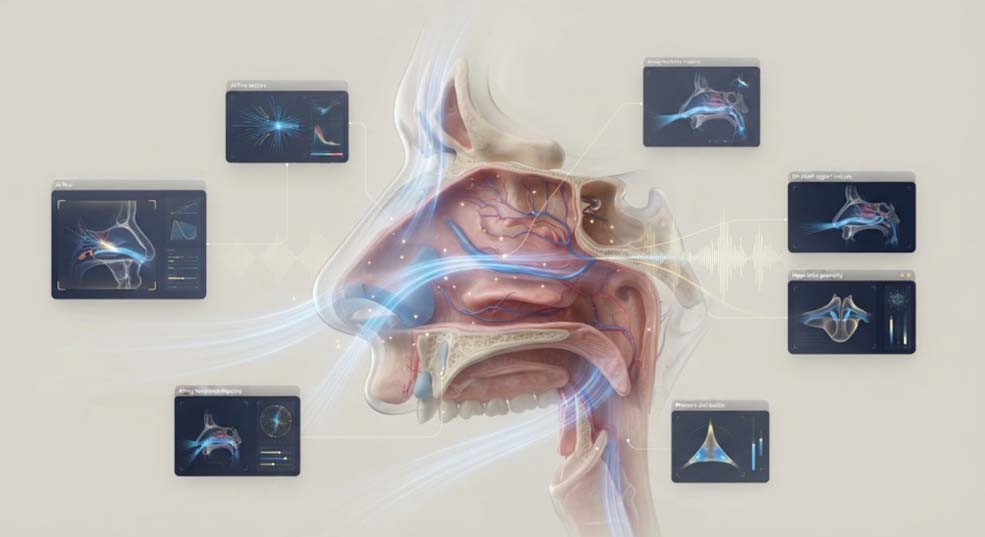
When most people think about rhinoplasty, they picture a procedure designed to improve the appearance of the nose. While enhancing facial harmony is certainly one of its most recognised benefits, rhinoplasty often extends far beyond aesthetics. The nose is a complex organ that plays a vital role in breathing, humidifying air, filtering airborne particles, supporting speech resonance, and maintaining overall respiratory health.
Because of these important functions, altering the structure of the nose may naturally lead many patients to ask an important question: Can rhinoplasty affect my breathing or even change my voice?
The answer is more nuanced than a simple yes or no. A well-planned rhinoplasty performed by an experienced plastic surgeon aims to preserve or improve nasal function while achieving aesthetic refinement. In many cases, patients actually experience better breathing after surgery, particularly when structural problems such as a deviated septum or internal nasal valve collapse are corrected. Changes in voice, on the other hand, are generally subtle and uncommon, although they may occur in specific situations depending on the underlying anatomy and the type of surgery performed.
Understanding how rhinoplasty influences nasal airflow, speech resonance, and respiratory function helps patients develop realistic expectations before surgery. Appreciating the functional aspects of the nose is just as important as understanding the cosmetic improvements.
The Nose Is An Essential Part Of The Respiratory System
The nose is not simply a facial feature. It serves as the body's primary airway and performs several critical physiological functions every moment we breathe.
Healthy nasal function allows the nose to:
Filter dust, allergens, and microorganisms
Warm inhaled air before it reaches the lungs
Add moisture to incoming air
Regulate airflow efficiently
Support the body's natural defence mechanisms
Contribute to speech resonance
Assist the sense of smell
Every breath passes through an intricate network of structures that work together to maintain efficient airflow. Even relatively small anatomical changes inside the nose can influence how comfortably a person breathes.
This is why modern rhinoplasty requires a thorough understanding of both aesthetics and nasal physiology.
Understanding The Anatomy That Influences Breathing
The nose contains multiple structural components that collectively determine how air flows through the nasal passages.
Some of the most important structures include:
The Nasal Septum
The septum divides the nose into right and left airways.
If the septum is significantly deviated, airflow may become restricted on one or both sides, leading to chronic nasal obstruction and difficulty breathing.
The Nasal Valves
The internal and external nasal valves represent the narrowest portions of the nasal airway.
These small regions have a disproportionately large influence on breathing efficiency.
Weakness or narrowing of the nasal valves can produce:
Difficulty breathing during exercise
Nasal collapse while inhaling
Persistent nasal blockage
Reduced airflow despite a relatively normal external appearance
The Turbinates
Turbinates are specialised structures inside the nose that regulate airflow, humidify inhaled air, and help trap airborne particles.
When enlarged because of allergies, inflammation, or other conditions, they may further restrict nasal airflow.
Nasal Cartilage
The cartilaginous framework provides structural support for both the appearance and function of the nose.
Maintaining adequate cartilage support is essential for preserving stable nasal airflow after rhinoplasty.
What Is Functional Rhinoplasty?
Many people assume rhinoplasty is performed solely for cosmetic reasons, but functional rhinoplasty focuses on improving how the nose works.
Its primary goal is to restore or optimise nasal airflow while preserving or enhancing facial appearance.
Functional rhinoplasty may address problems such as:
Deviated nasal septum
Internal nasal valve collapse
External nasal valve weakness
Congenital structural abnormalities
Previous nasal trauma
Breathing difficulties following earlier nasal surgery
In many patients, functional and cosmetic rhinoplasty are performed together because both appearance and breathing are closely linked.
Can Rhinoplasty Improve Breathing?
For appropriately selected patients, yes.
One of the most significant functional benefits of rhinoplasty is the potential improvement in nasal airflow when structural abnormalities are corrected.
Patients may experience improved breathing if surgery addresses:
Septal deviation
Narrow nasal valves
Collapsed nasal sidewalls
Structural asymmetry
Airway obstruction caused by previous injury
Rather than simply changing the external appearance of the nose, modern rhinoplasty seeks to optimise airflow while maintaining long-term structural stability.
Why Some Patients Experience Breathing Problems After Rhinoplasty
Although rhinoplasty often improves breathing, functional problems can occasionally occur if the nasal support structures are excessively reduced or inadequately preserved.
Potential causes include:
Over-resection of cartilage
Collapse of the internal nasal valve
Weakening of the nasal tip support
Scar tissue formation
Persistent swelling during healing
Inadequate structural reconstruction
Modern rhinoplasty techniques place great emphasis on preserving nasal support and reinforcing weakened areas using cartilage grafts whenever necessary.
The goal is to achieve a balanced nose that functions as well as it looks.
Can Rhinoplasty Affect Your Voice?
This is one of the most common concerns discussed during consultation.
The short answer is that most patients do not experience noticeable changes in their speaking voice after rhinoplasty.
However, because the nose contributes to vocal resonance, certain patients may perceive subtle differences after surgery, particularly if significant airway obstruction has been corrected.
Rather than changing how the vocal cords produce sound, rhinoplasty may slightly alter the way sound resonates through the nasal passages.
These changes, when they occur, are usually mild and are often more noticeable to the patient than to other people.
Understanding Voice Resonance
Your voice is created by much more than your vocal cords.
Speech is shaped by several anatomical structures, including:
The vocal cords
The throat
The mouth
The tongue
The soft palate
The nasal cavity
The paranasal sinuses
Together, these structures influence resonance, which gives every individual their unique vocal quality.
Since rhinoplasty changes the anatomy of the nose rather than the vocal cords, it generally affects resonance rather than voice production itself.
Who Is More Likely To Notice Subtle Voice Changes?
Although significant voice alterations are uncommon, certain individuals may be more sensitive to even minor changes in nasal resonance.
These include:
Professional singers
Actors
Public speakers
Broadcasters
Voice artists
Musicians
Individuals with highly trained hearing
For these patients, discussing occupational voice requirements during the preoperative consultation is especially important so that surgical planning considers both aesthetic and functional priorities.
Does Every Rhinoplasty Improve Breathing?
Not necessarily.
Whether breathing improves after rhinoplasty depends largely on the patient's underlying anatomy and the objectives of the surgery.
For example:
A patient undergoing rhinoplasty to correct a deviated septum or nasal valve collapse may experience noticeable improvement in airflow.
A patient seeking only cosmetic refinement with normal preoperative breathing may not perceive any functional difference.
Patients with allergies or chronic sinus conditions may continue to experience nasal symptoms that are unrelated to the structural changes made during surgery.
This is why a comprehensive preoperative evaluation is essential. Understanding both the cosmetic and functional aspects of the nose helps ensure that surgical planning is tailored to the individual's needs.
The Importance Of Preserving Nasal Support
Modern rhinoplasty is based on the principle of structural preservation rather than excessive tissue removal.
Earlier surgical techniques often focused on reducing cartilage to create a smaller nose. While this could achieve aesthetic refinement, over-resection sometimes weakened the nasal framework and increased the risk of breathing difficulties over time.
Contemporary rhinoplasty techniques emphasise:
Preservation of structural support
Maintenance of stable nasal valves
Balanced cartilage reshaping
Reinforcement with cartilage grafts when required
Long-term airway stability
Natural facial harmony
The objective is to create a nose that not only looks proportionate but also continues to function effectively for many years.
How Surgeons Evaluate Nasal Function Before Rhinoplasty
Successful rhinoplasty begins long before surgery itself.
A detailed assessment helps identify both visible and hidden factors that may influence breathing or affect surgical planning.
During consultation, the surgeon evaluates:
Nasal septum alignment
Internal and external nasal valves
Skin thickness
Cartilage strength
Previous nasal injuries
Prior nasal surgeries
Airway symmetry
Overall facial proportions
Patient concerns regarding breathing
This comprehensive evaluation allows cosmetic goals and functional requirements to be addressed simultaneously.
Recovery And Temporary Changes In Breathing
It is completely normal for patients to feel that breathing is more difficult during the early recovery period.
Immediately after surgery, the nasal tissues undergo a natural inflammatory response.
Temporary swelling inside the nose may cause:
Nasal congestion
Reduced airflow
A sensation of blockage
Mild mouth breathing during sleep
Temporary changes in airflow perception
These symptoms are expected during the healing process and usually improve gradually as swelling subsides.
The timeline varies between individuals, and complete internal healing often continues for several months.
When Should You Be Concerned About Breathing After Rhinoplasty?
Most temporary breathing changes improve naturally during recovery.
However, persistent symptoms should always be assessed by your surgeon.
Medical review is recommended if patients experience:
Persistent severe nasal obstruction
Progressive breathing difficulty
Continuous bleeding
Increasing pain or swelling
Signs of infection
Difficulty breathing that worsens rather than improves
Regular postoperative follow-up appointments help monitor healing and identify any concerns early.
Can Revision Rhinoplasty Restore Breathing?
In selected cases, yes.
Some patients seek revision rhinoplasty because of persistent nasal obstruction following previous surgery.
Revision procedures may involve correcting structural problems such as:
Nasal valve collapse
Residual septal deviation
Scar tissue affecting airflow
Weak cartilage support
Previous over-reduction of the nose
Because revision rhinoplasty is often more complex than primary surgery, careful planning and advanced reconstructive techniques are frequently required to restore both appearance and function.
Functional And Cosmetic Goals Can Be Achieved Together
Many people assume they must choose between improving breathing and enhancing the appearance of the nose.
In reality, modern rhinoplasty often combines both objectives within a single procedure.
When carefully planned, surgery can:
Improve facial harmony
Maintain natural nasal proportions
Optimise airflow
Preserve structural stability
Support long-term nasal function
Deliver balanced, natural-looking results
A successful rhinoplasty should respect both form and function.
Why Choosing An Experienced Plastic Surgeon Matters
Rhinoplasty is widely regarded as one of the most technically demanding procedures in facial plastic surgery because it requires an understanding of both aesthetics and functional nasal anatomy.
Successful outcomes depend on:
Detailed anatomical knowledge
Individualised surgical planning
Careful preservation of nasal support structures
Precise cartilage modification
Long-term functional thinking
Meticulous surgical technique
An experienced surgeon evaluates the entire nose rather than focusing solely on its external appearance, helping reduce the likelihood of postoperative functional problems while achieving natural cosmetic refinement.
Why Choose Hair & Shape For Rhinoplasty In Mumbai?
At Hair & Shape Clinic, rhinoplasty is approached as both a functional and aesthetic procedure. Every patient undergoes a comprehensive assessment of nasal anatomy, airway function, facial proportions, skin characteristics, and individual goals before surgery is planned.
Dr. Umang Kothari believes that an attractive nose should also function efficiently. By combining advanced structural rhinoplasty techniques with meticulous attention to nasal support, cartilage preservation, and airway stability, each procedure is tailored to achieve balanced facial harmony while maintaining or improving healthy breathing whenever appropriate.
Final Thoughts
Rhinoplasty is far more than a cosmetic operation. The nose plays a vital role in breathing, speech resonance, and overall respiratory health, making functional preservation an essential part of modern surgical planning.
While most patients do not experience significant changes in their voice, appropriately planned rhinoplasty can improve breathing when structural problems such as a deviated septum or nasal valve collapse are addressed. Choosing a qualified plastic surgeon who understands both nasal aesthetics and functional anatomy is key to achieving results that are not only beautiful but also long-lasting and physiologically sound.