
 Gender Reassignment
Gynecomastia In Mumbai
Male chest contouring to remove excess tissue and restore a flat profile.
Gynecomastia Surgery in Mumbai
Gynecomastia is a common condition in which males develop enlarged breast tissue due to an increase in glandular tissue, excess fat, or a combination of both. Although it is not usually a serious medical condition, gynecomastia can significantly affect self-confidence, body image, clothing choices, participation in sports, and overall quality of life. Many men become uncomfortable wearing fitted clothing, removing their shirt in public, or engaging in activities such as swimming or going to the gym because of the appearance of the chest.
Contrary to popular belief, gynecomastia is not always caused by being overweight. Many lean men with well-developed muscles can still develop prominent breast enlargement due to hormonal changes, genetics, medications, puberty, ageing, or certain medical conditions. Even after substantial weight loss, enlarged glandular breast tissue often remains because it cannot be eliminated through diet or exercise alone.
Gynecomastia Surgery, medically known as Male Breast Reduction Surgery, is a procedure designed to create a flatter, firmer, and more masculine chest by removing excess glandular tissue, localized fat deposits, and, when necessary, excess skin. Modern techniques often combine liposuction with precise glandular excision to achieve natural chest contours while minimizing visible scars and preserving the normal appearance of the nipple-areola complex.
Successful gynecomastia treatment involves much more than simply removing tissue. Every chest has unique anatomy, muscle definition, skin elasticity, fat distribution, and glandular composition. Modern surgical planning focuses on restoring masculine chest proportions while maintaining smooth transitions between the chest, shoulders, and upper abdomen.
At Hair & Shape Clinic, every patient undergoes a detailed clinical evaluation to determine the underlying cause of gynecomastia, assess the severity of breast enlargement, and develop an individualized surgical plan. The objective is to restore a natural, masculine chest contour that complements the patient's body while delivering long-lasting functional and aesthetic results.
What Is Gynecomastia?

Gynecomastia is a benign enlargement of male breast tissue caused by an increase in glandular tissue, fatty tissue, or both.
The condition may affect one or both sides of the chest and can occur at any age.
Gynecomastia may present as:
Enlarged male breasts.
Puffy nipples.
Firm glandular tissue beneath the nipple.
Chest asymmetry.
Localized breast fullness.
Tenderness around the nipple in some patients.
Persistent breast enlargement after weight loss.
It is important to distinguish true gynecomastia from pseudogynecomastia, where chest enlargement is caused primarily by excess fat rather than enlarged breast glands.
The goal of treatment is to restore a flatter, firmer, naturally masculine chest while preserving normal chest anatomy.
Why Does Gynecomastia Develop?
Gynecomastia develops when the balance between male hormones (androgens) and female hormones (oestrogens) changes, stimulating growth of breast tissue.
Several factors may contribute.
Puberty
Temporary hormonal fluctuations during adolescence commonly cause breast enlargement.
In many boys, the condition resolves naturally within one to three years.
Hormonal Imbalance
Reduced testosterone levels or increased oestrogen activity may stimulate glandular breast growth.
Ageing
Natural hormonal changes associated with ageing may contribute to gynecomastia in older men.
Obesity
Excess body fat increases the conversion of testosterone into oestrogen, which may promote breast enlargement.
Medications
Certain medications, including some used for blood pressure, hormones, psychiatric conditions, and prostate disorders, may contribute to gynecomastia.
Anabolic Steroids
The use of anabolic steroids or performance-enhancing drugs may significantly increase the risk of developing gynecomastia.
Medical Conditions
Liver disease, kidney disease, thyroid disorders, testicular disorders, and certain endocrine conditions may contribute to male breast enlargement.
Genetics
Some men are genetically more susceptible to developing enlarged breast tissue.
Understanding the underlying cause is important because certain cases may require medical evaluation before surgery is considered.
Understanding Male Chest Anatomy
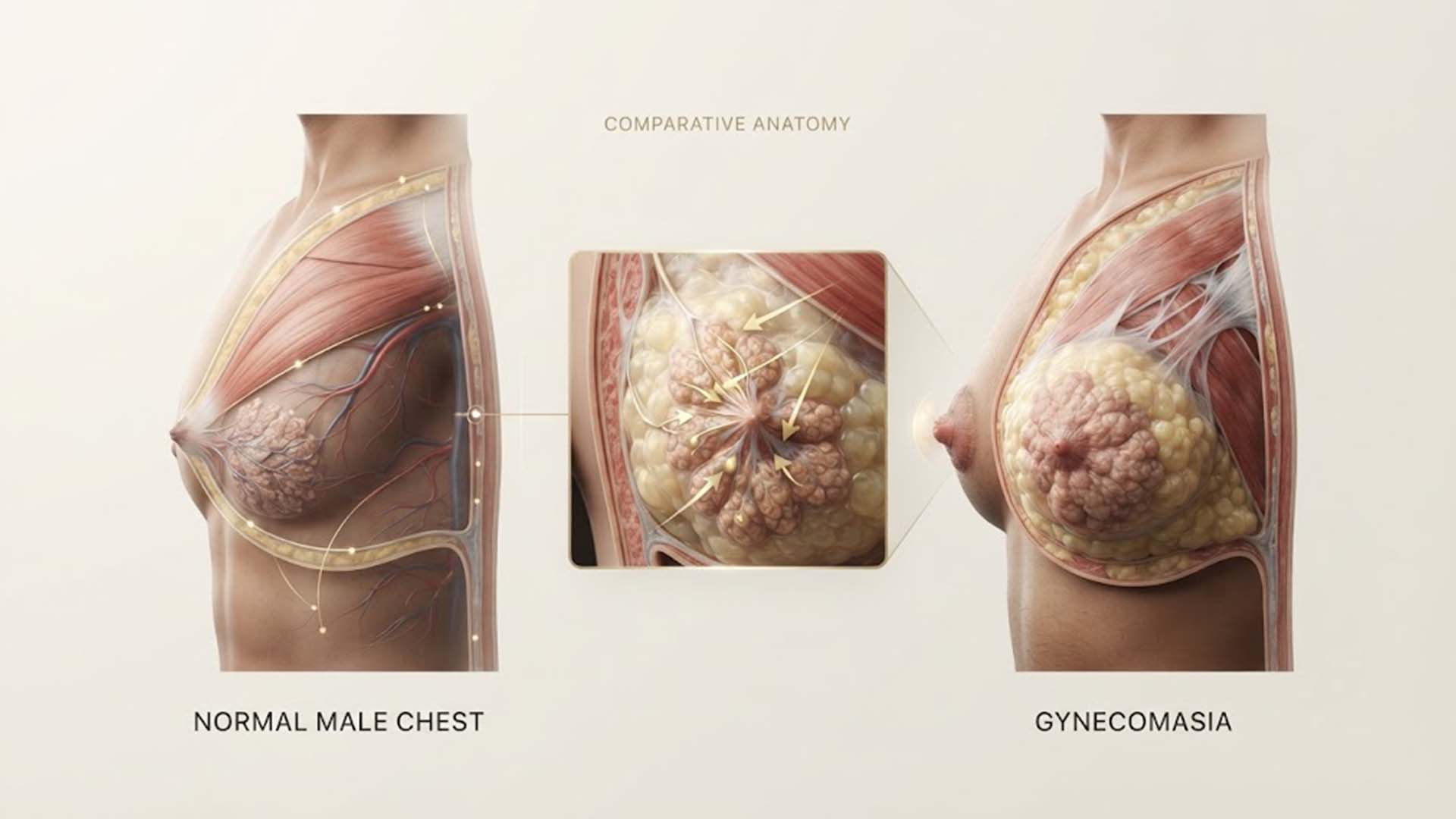
Successful gynecomastia surgery requires an in-depth understanding of male chest anatomy and the structures responsible for chest contour.
Breast Gland
Although much smaller than in females, men normally possess a small amount of breast glandular tissue beneath the nipple.
In gynecomastia, this tissue enlarges significantly.
Fatty Tissue
Fat contributes to chest fullness and varies depending on body composition.
Some patients have predominantly fatty enlargement, while others have dense glandular tissue.
Skin Envelope
Skin elasticity determines how well the chest contracts after tissue removal.
Patients with poor skin elasticity may require skin tightening procedures in addition to gland removal.
Nipple-Areola Complex
The nipple and surrounding areola are preserved while restoring a flatter, more masculine chest contour.
Pectoralis Major Muscle
The pectoralis muscle provides the underlying muscular foundation of the chest and influences the final aesthetic outcome.
Fascial Layers
Thin connective tissue layers separate the gland, fat, and underlying muscles, allowing careful surgical dissection while preserving natural contours.
A detailed understanding of these anatomical structures allows surgeons to remove excess tissue while maintaining smooth chest transitions and natural masculine definition.
How Does Gynecomastia Surgery Improve Chest Appearance?

Gynecomastia surgery restores masculine chest contours by removing the tissues responsible for breast enlargement while preserving normal chest anatomy.
The procedure may provide several improvements.
Flatter Chest
Removal of excess glandular tissue and fat creates a flatter chest profile.
Better Chest Definition
The natural outline of the pectoralis muscles becomes more visible.
Reduced Puffy Nipples
Removing glandular tissue beneath the nipple reduces nipple prominence.
Improved Chest Symmetry
Differences between the two sides of the chest may be corrected where appropriate.
Better Body Proportions
The chest appears more balanced with the shoulders, abdomen, and waist.
Improved Confidence
Many patients feel more comfortable wearing fitted clothing, exercising, swimming, and participating in social activities after recovery.
The objective is a naturally masculine chest rather than an overcorrected or artificially sculpted appearance.
Who Is a Good Candidate for Gynecomastia Surgery?
Gynecomastia surgery may be appropriate for males whose enlarged breast tissue does not improve with lifestyle changes or medical management.
You may be a suitable candidate if you:
Have persistent enlarged male breasts.
Have firm glandular tissue beneath the nipples.
Experience puffy nipples.
Have completed puberty.
Have maintained a stable body weight.
Are physically healthy.
Do not smoke or are willing to stop during recovery.
Have realistic expectations regarding surgical outcomes.
Patients with rapidly developing breast enlargement or associated pain may require additional medical evaluation before surgery.
What Concerns Can Gynecomastia Surgery Address?
Gynecomastia surgery may improve several cosmetic and functional concerns.
Enlarged Male Breasts
Removes excess glandular tissue and localized fat.
Puffy Nipples
Reduces glandular tissue beneath the nipple to improve chest contour.
Chest Asymmetry
Improves differences in breast size or contour between both sides.
Persistent Breast Enlargement After Weight Loss
Treats glandular tissue that remains despite successful weight reduction.
Skin Redundancy
Addresses loose skin in selected patients with significant tissue excess.
Emotional and Social Discomfort
Many patients experience improved confidence and body image following surgery.
Personalized Gynecomastia Treatment Planning

No two cases of gynecomastia are identical. Some patients have predominantly fatty enlargement that responds well to liposuction, while others have dense glandular tissue requiring direct excision. Many patients present with a combination of gland, fat, and varying degrees of skin laxity. Factors such as chest width, pectoral muscle development, skin elasticity, nipple position, body fat percentage, hormonal history, previous weight loss, and the severity of gynecomastia all influence the surgical approach.
At Hair & Shape Clinic, every patient undergoes a comprehensive assessment before surgery is recommended. The chest is carefully examined to determine whether the enlargement is caused by glandular tissue, fat, or both, while evaluating skin quality, chest symmetry, nipple position, and overall body proportions. When necessary, appropriate medical investigations may be recommended to identify underlying hormonal or systemic causes. Based on these findings, a personalized treatment plan is developed that may involve liposuction, glandular excision, skin tightening, or a combination of techniques.
The objective is to restore a naturally masculine chest that appears proportionate, symmetrical, and athletic while preserving nipple sensation, minimizing visible scarring, and achieving stable long-term results.
What Happens During Gynecomastia Surgery?
Gynecomastia surgery is performed in an accredited operating facility under sterile conditions. Depending on the severity of breast enlargement, the amount of glandular tissue present, whether liposuction alone or combined excision is required, and the need for skin tightening, the procedure generally takes between one and three hours.
Every surgery is carefully tailored to the patient's chest anatomy, body composition, skin quality, and desired aesthetic outcome.
A typical gynecomastia procedure includes the following stages.
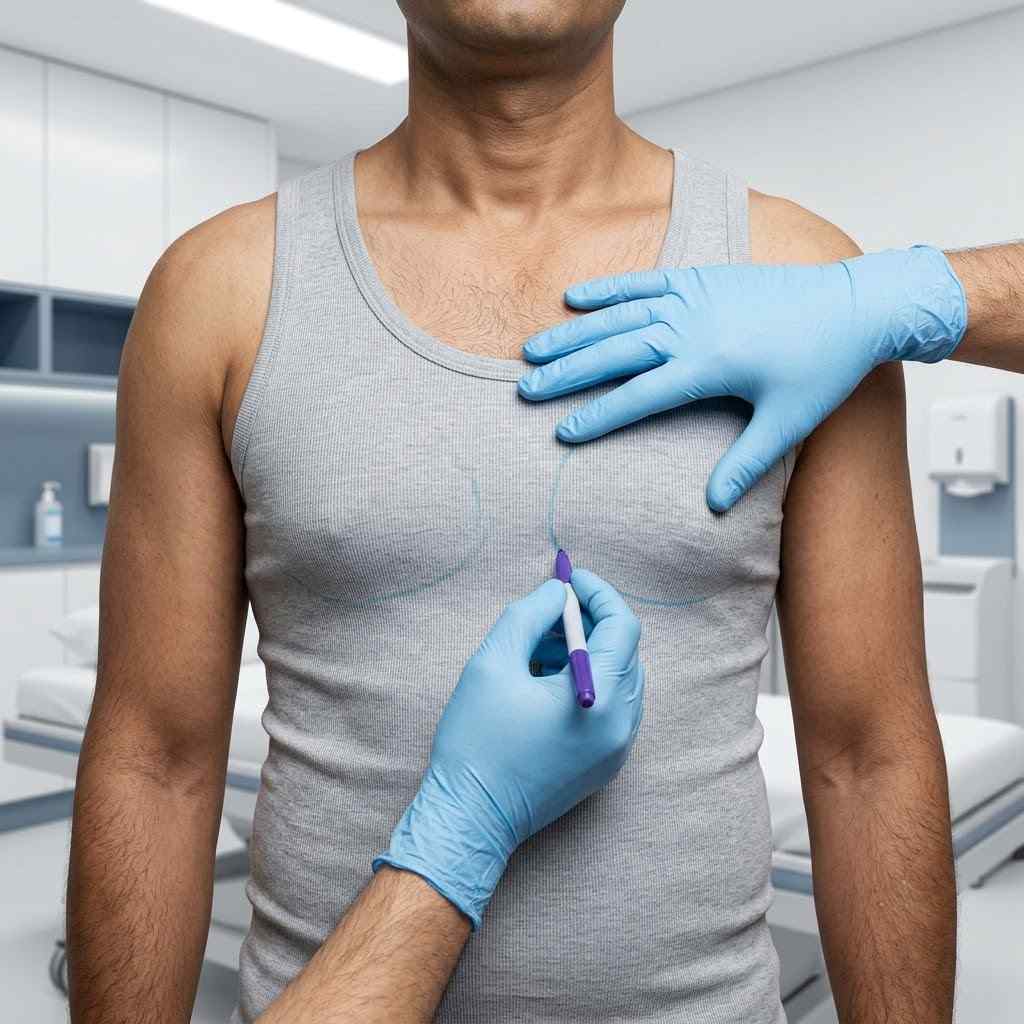
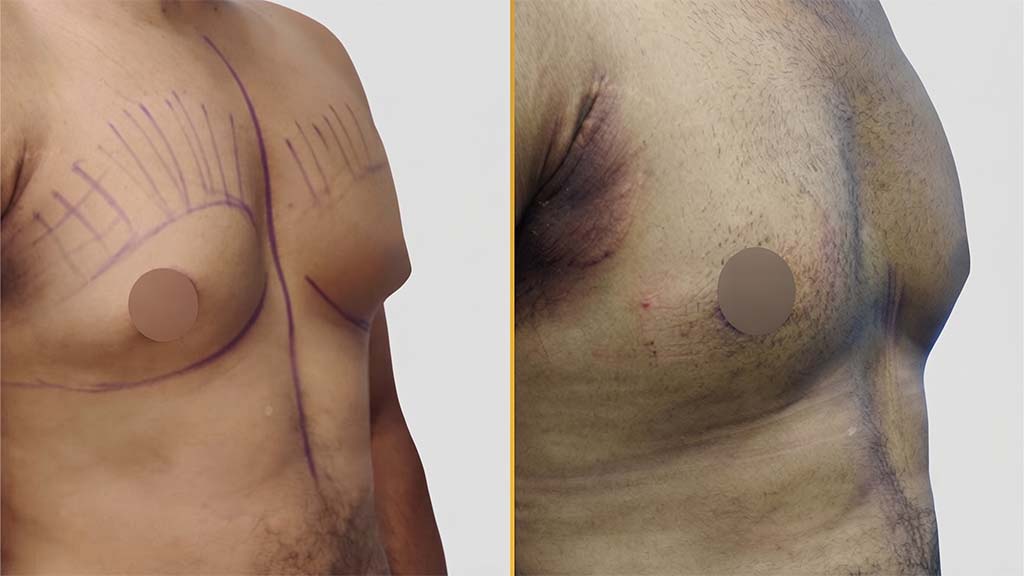
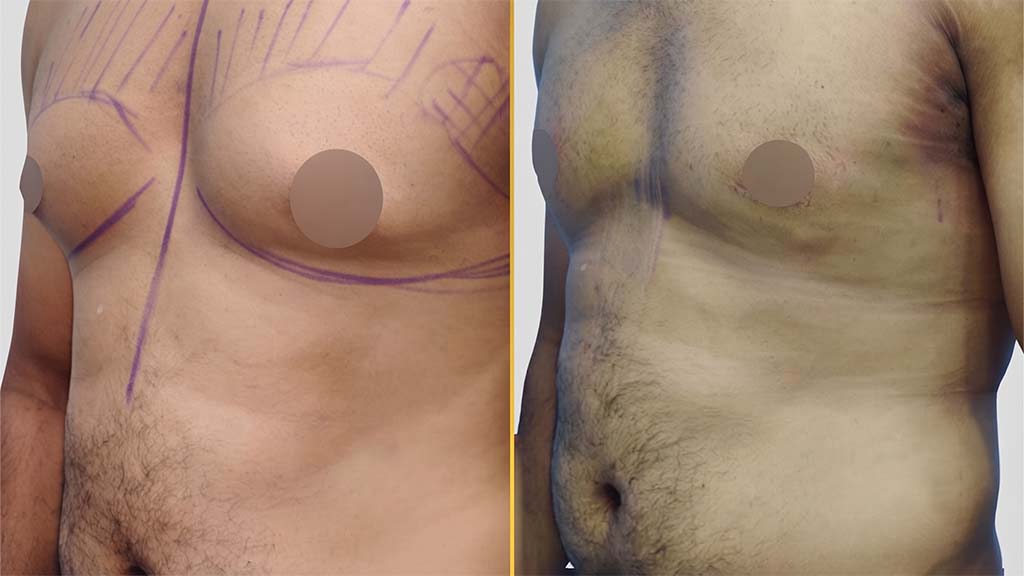
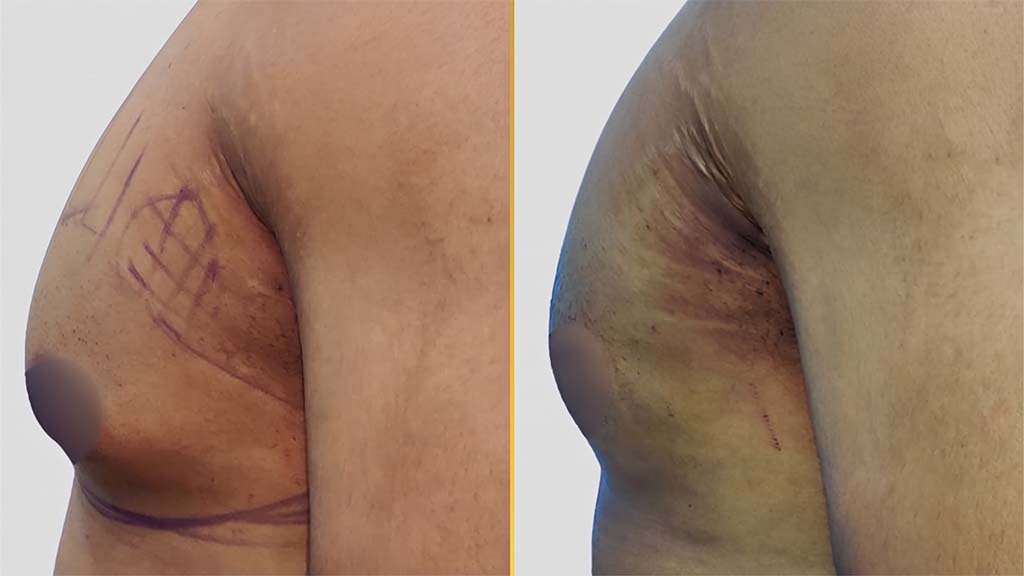
Step 1: Preoperative Planning
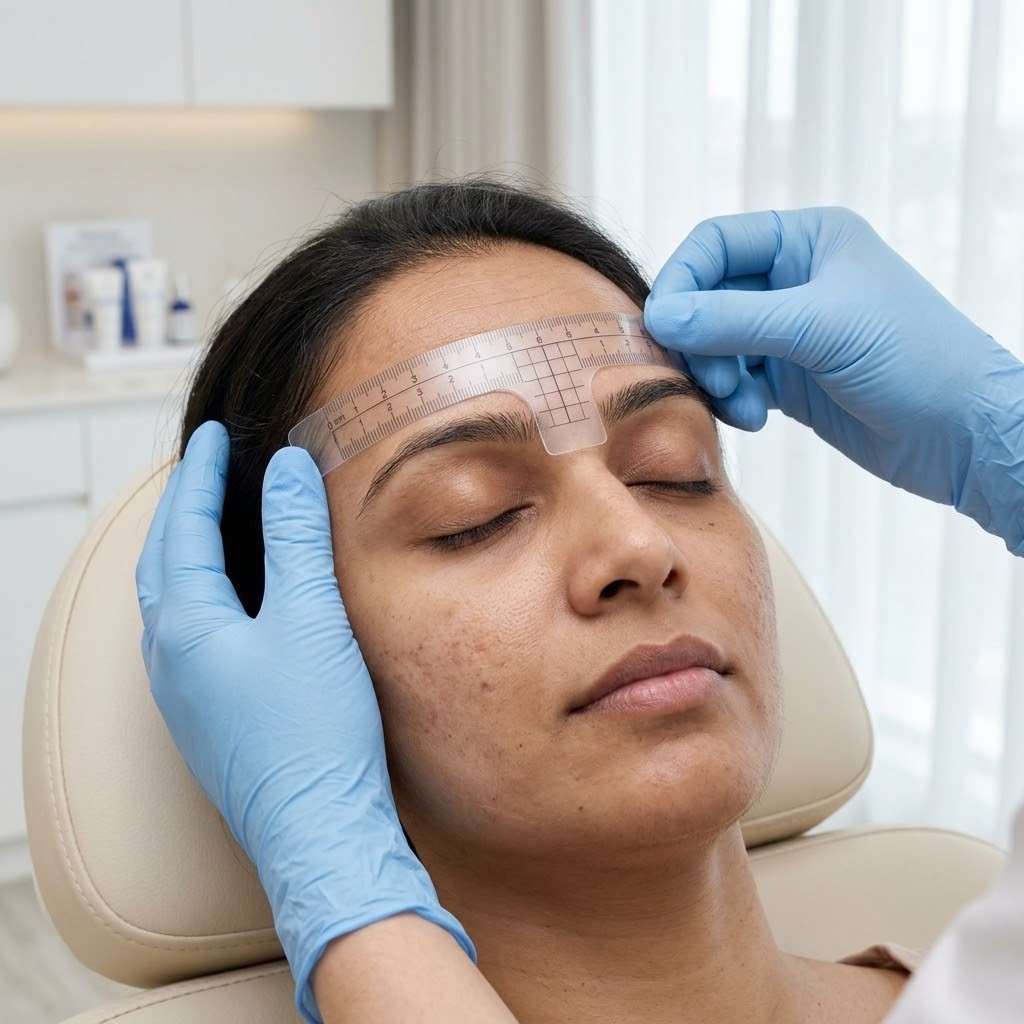
Before surgery, the surgeon performs detailed markings while the patient is standing.
The evaluation includes:
Chest symmetry.
Grade of gynecomastia.
Amount of glandular tissue.
Fat distribution.
Skin elasticity.
Nipple position.
Pectoral muscle definition.
Planned areas for liposuction and gland removal.
These markings guide the procedure to achieve balanced, natural chest contours.
Step 2: Anaesthesia
Gynecomastia surgery is usually performed under general anaesthesia, although selected mild cases may be treated using local anaesthesia with sedation.
Throughout the procedure, your vital signs are continuously monitored.
Step 3: Liposuction
Small hidden incisions are created around the chest.
A specialized cannula is used to remove localized fat deposits, sculpt the chest, and create smooth transitions between the chest, shoulders, and upper abdomen.
Liposuction also helps improve contour while reducing the need for larger incisions.
Step 4: Glandular Tissue Excision
Dense glandular breast tissue located beneath the nipple is carefully removed through a small incision placed along the lower edge of the areola.
Unlike fat, glandular tissue cannot usually be removed with liposuction alone.
Care is taken to preserve sufficient tissue beneath the nipple to prevent contour irregularities while creating a naturally masculine chest.
Step 5: Skin Tightening
In patients with significant skin laxity, excess skin may be removed or additional skin-tightening techniques may be incorporated to improve chest firmness.
This step is primarily required in patients with severe gynecomastia or massive weight loss.
Step 6: Closure
The incisions are closed using fine sutures.
Compression garments are applied immediately after surgery to minimize swelling, support healing, and help the skin adapt to the newly contoured chest.
Types of Gynecomastia Surgery
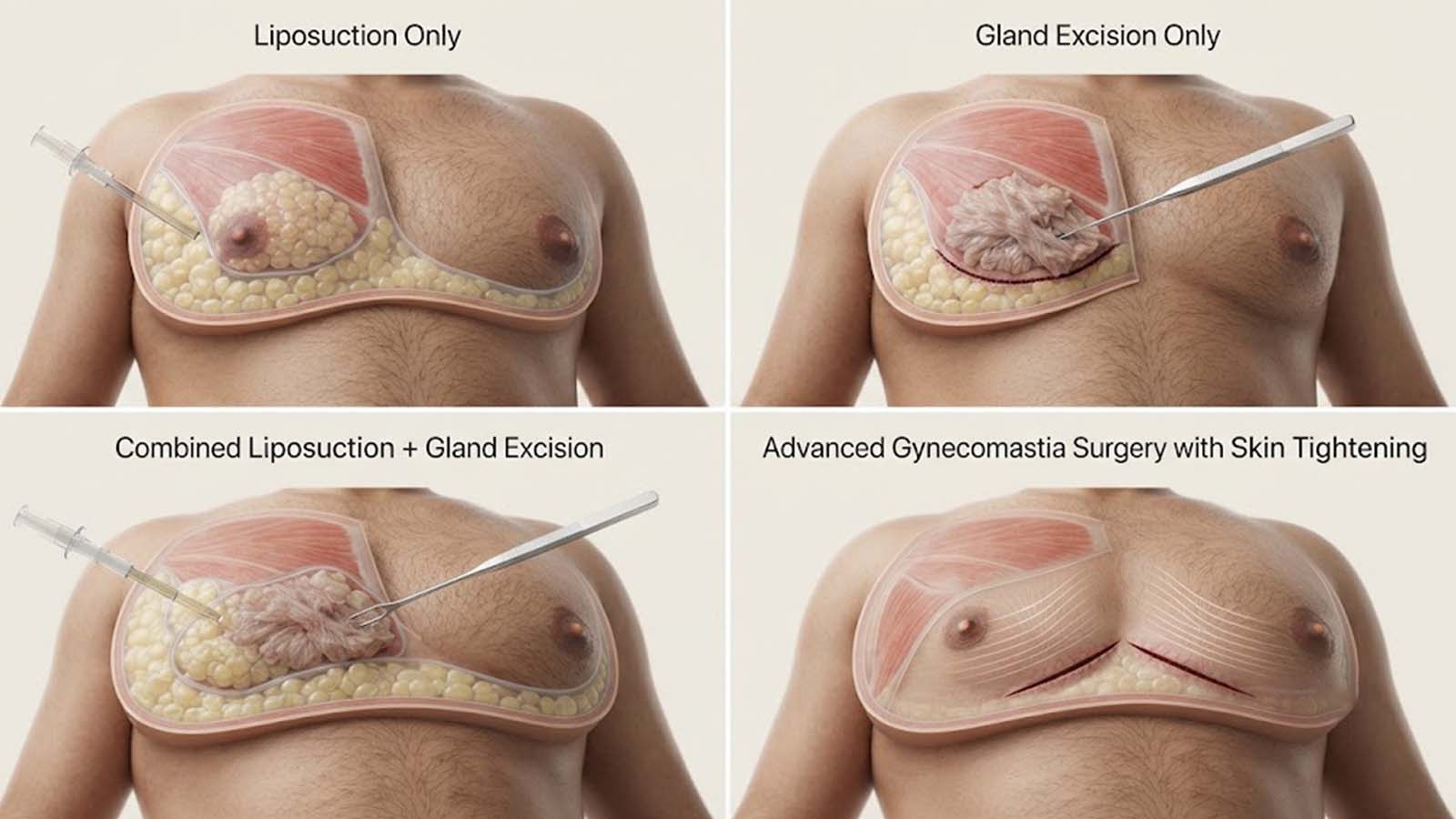
The most appropriate surgical approach depends on the grade of gynecomastia, tissue composition, and skin elasticity.
Liposuction-Only Gynecomastia Surgery
Patients whose breast enlargement consists primarily of fatty tissue may benefit from liposuction alone.
This approach provides chest contouring with very small incisions.
Gland Excision Surgery
Patients with firm glandular tissue beneath the nipple generally require direct gland removal.
This technique effectively corrects persistent puffy nipples and dense breast tissue.
Combination Liposuction and Gland Excision
This is the most commonly performed technique.
Liposuction removes excess fat while direct excision removes dense glandular tissue, creating smooth, masculine chest contours.
Gynecomastia Surgery with Skin Tightening
Patients with severe gynecomastia or significant skin excess following major weight loss may require skin reduction in addition to gland removal and liposuction.
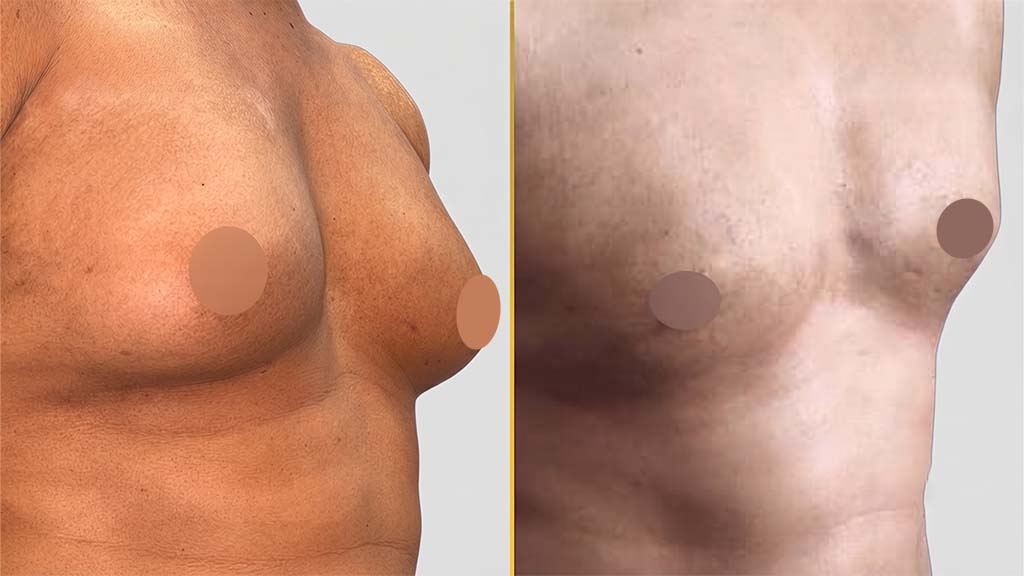
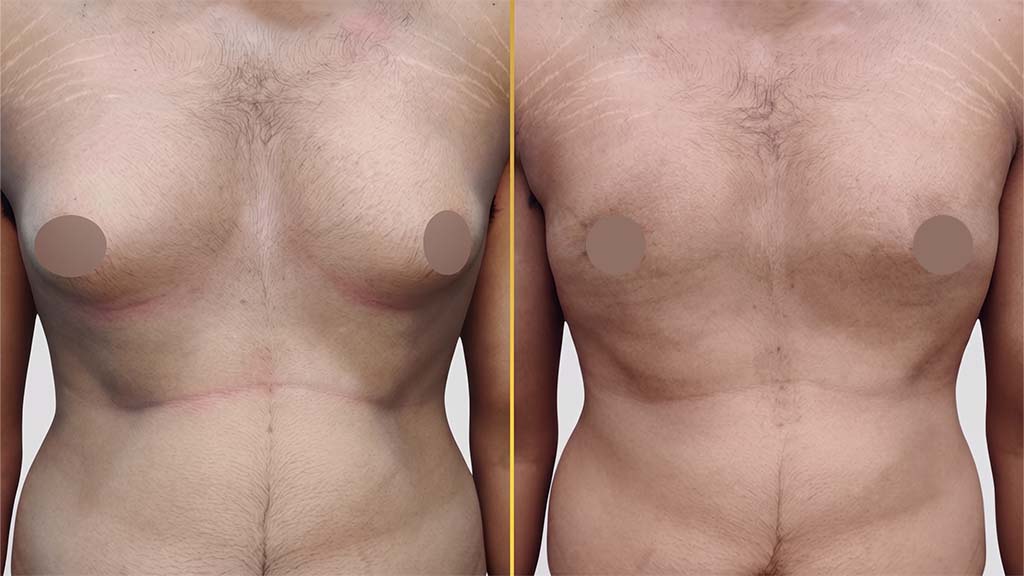
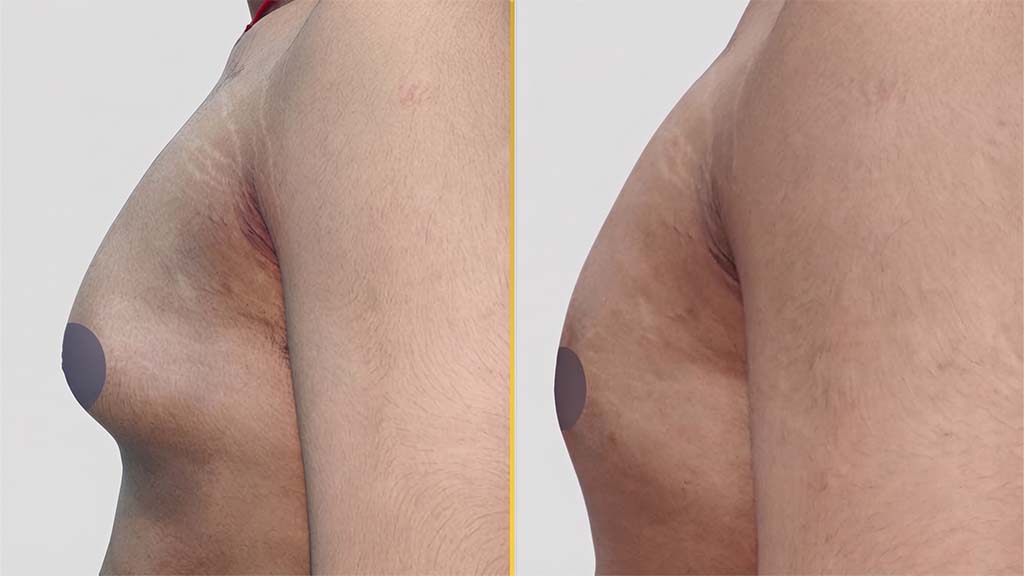
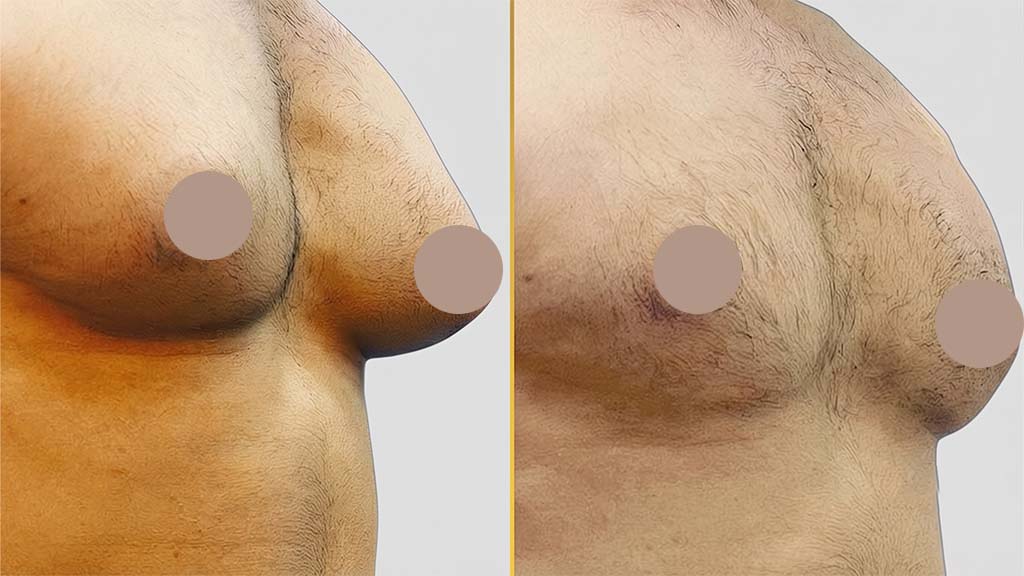
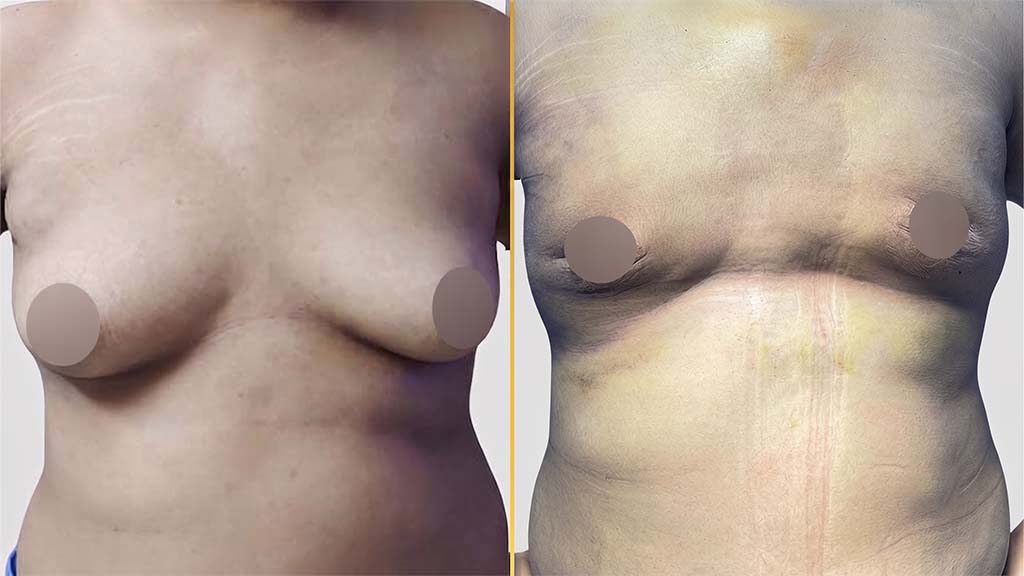
What Results Can You Expect After Gynecomastia Surgery?
Although swelling is expected immediately after surgery, patients often notice a flatter chest contour soon after the procedure.
As healing progresses, several improvements become more noticeable.
Flatter Masculine Chest
Removal of excess tissue creates a naturally contoured chest profile.
Better Pectoral Definition
The underlying chest muscles become more visible as excess tissue is removed.
Reduced Puffy Nipples
Removal of glandular tissue beneath the areola improves nipple contour.
Improved Chest Symmetry
Both sides of the chest appear more balanced.
Better Clothing Fit
Many patients find T-shirts, shirts, athletic wear, and fitted clothing fit more comfortably after surgery.
Improved Confidence
Many individuals feel more comfortable participating in sports, swimming, gym activities, and social situations without self-consciousness.
Final results continue to improve over several months as swelling resolves and the skin contracts around the new chest contour.
What Is Recovery Like After Gynecomastia Surgery?
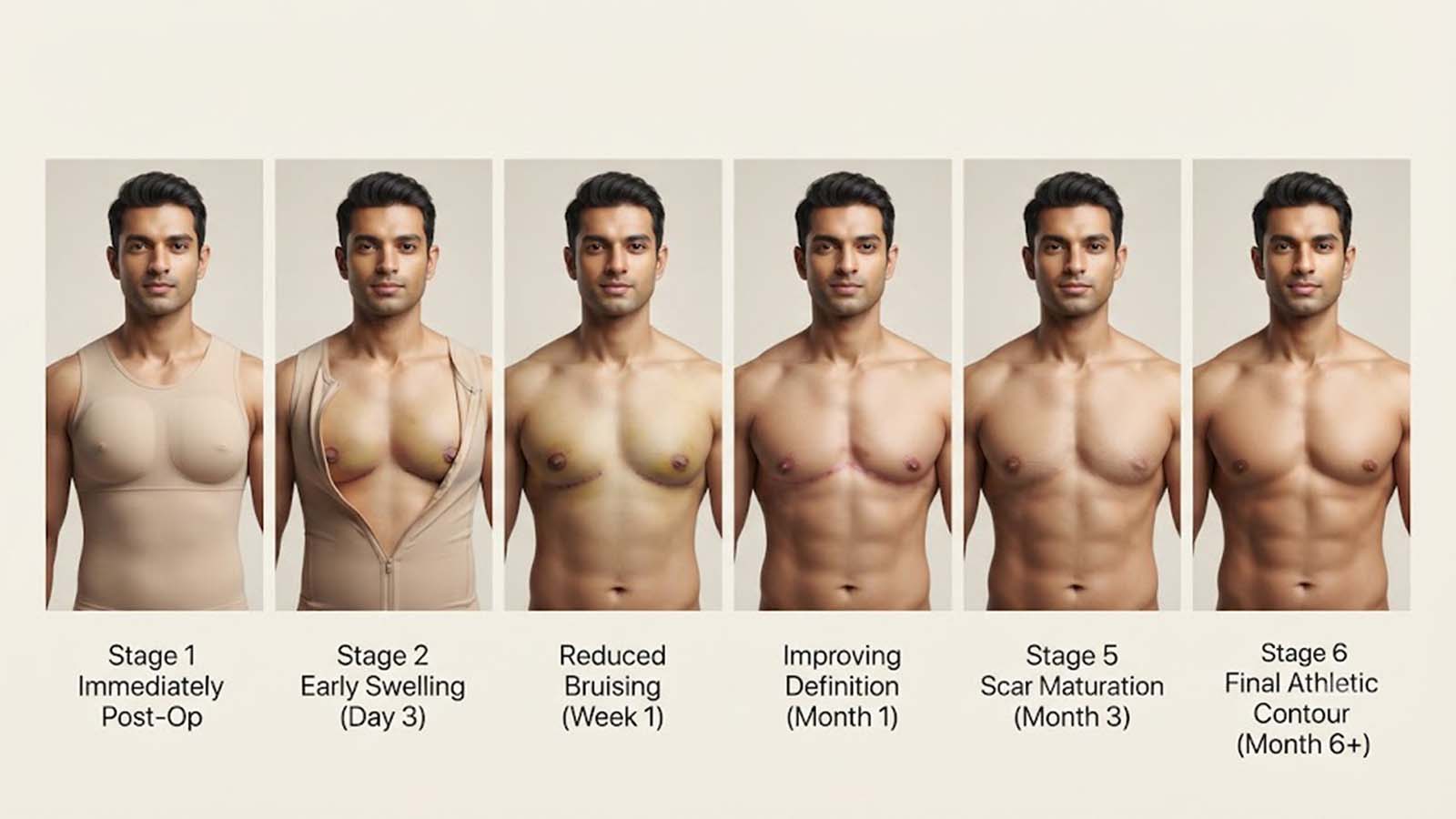
Recovery varies depending on the severity of gynecomastia and the extent of surgery performed.
Healing generally progresses through several stages.
Immediately After Surgery
Patients commonly experience:
Mild swelling.
Bruising.
Tightness.
Temporary soreness.
Mild fatigue.
These symptoms gradually improve over the following days.
First Week
A compression garment is worn continuously to reduce swelling and support the healing chest.
Gentle walking is encouraged while strenuous activities and upper-body exercise should be avoided.
Two to Six Weeks
Swelling steadily decreases.
Most patients return to work within several days to one week depending on their occupation.
Exercise is gradually resumed according to the surgeon's recommendations.
Several Months
Residual swelling resolves.
The skin continues adapting to the new chest contour.
Scars gradually soften and become less noticeable.
Long-Term Healing
Final chest definition develops over several months as tissues settle and the healing process is completed.
Are There Any Risks or Limitations?
Gynecomastia surgery is generally considered safe when performed by an experienced plastic surgeon, but every surgical procedure carries potential risks.
Possible complications include:
Bleeding.
Infection.
Swelling.
Bruising.
Fluid accumulation (seroma).
Temporary changes in nipple sensation.
Permanent sensory changes in uncommon cases.
Minor chest asymmetry.
Contour irregularities.
Scar formation.
Delayed wound healing.
Need for revision surgery.
It is also important to understand the limitations of surgery.
Future weight gain, anabolic steroid use, hormonal disorders, or certain medications may contribute to recurrent breast enlargement. Maintaining a stable body weight and addressing underlying hormonal conditions can help preserve long-term surgical results.
How Much Does Gynecomastia Surgery Cost in Mumbai?
The cost of gynecomastia surgery depends on the severity of the condition, the amount of glandular tissue present, the need for liposuction or skin tightening, and the overall complexity of the procedure.
Factors influencing treatment cost include:
Grade of gynecomastia.
Liposuction.
Gland excision.
Skin reduction.
Anaesthesia.
Operating facility charges.
Compression garments.
Postoperative care.
Following a comprehensive consultation, your surgeon will provide a personalized treatment plan outlining the recommended surgical approach, expected recovery, anticipated outcomes, and associated costs.
Why Choose Hair & Shape for Gynecomastia Surgery?
Successful gynecomastia surgery requires a detailed understanding of male chest anatomy, body proportions, and aesthetic contouring. Simply removing breast tissue is not enough. The chest must be sculpted carefully to preserve masculine definition, create smooth transitions between the pectoral muscles and surrounding tissues, and minimize visible scarring.
At Hair & Shape Clinic, every patient undergoes a thorough evaluation before surgery is recommended. The cause of breast enlargement, tissue composition, skin elasticity, chest symmetry, body fat percentage, and overall physique are carefully assessed to develop an individualized treatment plan. Modern surgical techniques combine liposuction, glandular excision, and skin management where necessary to create natural-looking, athletic chest contours while preserving nipple sensation and long-term chest harmony.
Why Does Personalized Gynecomastia Planning Matter?
Every case of gynecomastia is different, making individualized treatment planning essential for achieving natural and long-lasting results.
Every Chest Contains a Different Balance of Fat and Gland
Some patients require only liposuction, while others need glandular excision or a combination of techniques to achieve optimal contour.
Skin Elasticity Influences Surgical Planning
Younger patients with good skin elasticity often experience excellent skin contraction, whereas patients with significant skin laxity may benefit from additional skin-tightening procedures.
Chest Contouring Should Respect Masculine Anatomy
The goal is not to create a completely flat chest but to restore natural pectoral definition that complements the patient's shoulders, abdomen, and overall physique.
Underlying Medical Causes Should Be Considered
Hormonal disorders, medications, and certain medical conditions may contribute to gynecomastia and should be evaluated before surgery when appropriate.
Long-Term Results Depend on Lifestyle
Maintaining a stable weight, avoiding anabolic steroids, and managing underlying hormonal conditions help preserve surgical outcomes for years to come.
International Patients Seeking Gynecomastia Surgery in Mumbai
Hair & Shape Clinic welcomes patients from across India and around the world seeking advanced male breast reduction surgery.
Our international patient pathway is designed to make consultation, surgery, recovery, and follow-up as convenient as possible.
Before You Travel
Virtual consultations, medical history review, clinical photographs, and discussion of your concerns help determine the most appropriate treatment plan before your visit.
During Your Stay
Your treatment includes an in-person consultation, personalized surgical planning, gynecomastia surgery, postoperative monitoring, compression garment guidance, wound care instructions, and recovery planning before returning home.
Returning Home
Follow-up consultations can often be conducted remotely. Continued guidance regarding compression garment use, scar care, activity progression, healing milestones, and long-term chest care helps support a smooth recovery wherever you live.
What to Expect
Consultation
A detailed assessment of your goals, suitability, and a personalised plan.
Preparation
Clear pre-treatment guidance so you arrive fully prepared and at ease.
The Procedure
Your treatment, performed by our specialists with comfort and safety first.
Aftercare
Structured recovery support and follow-ups to protect your results.
Before & After Transformations
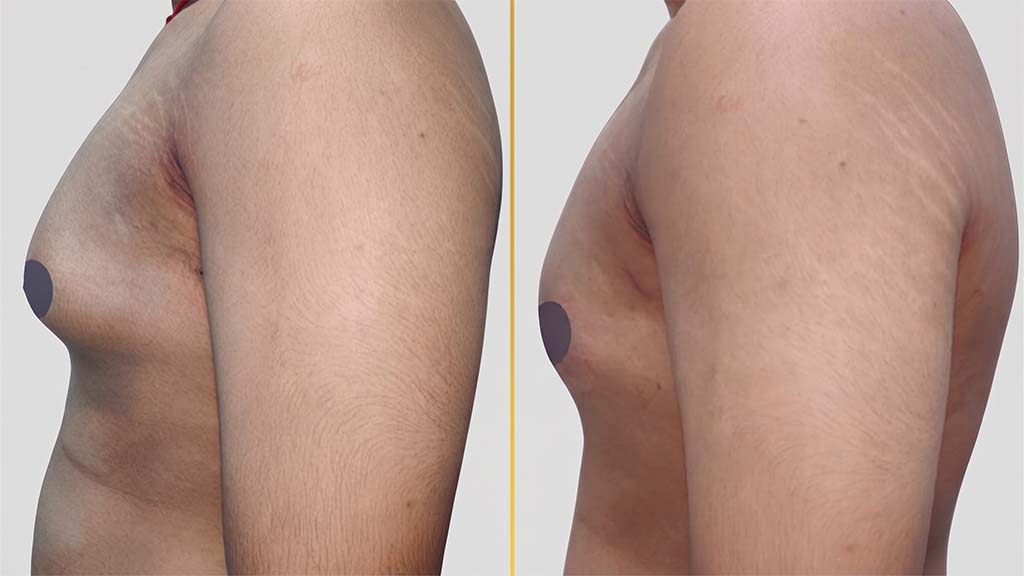
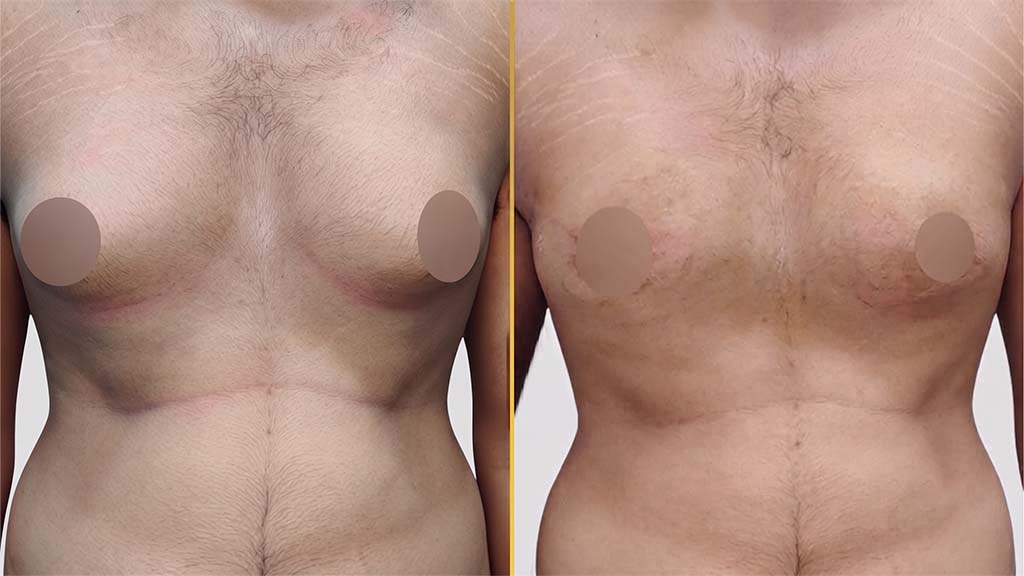
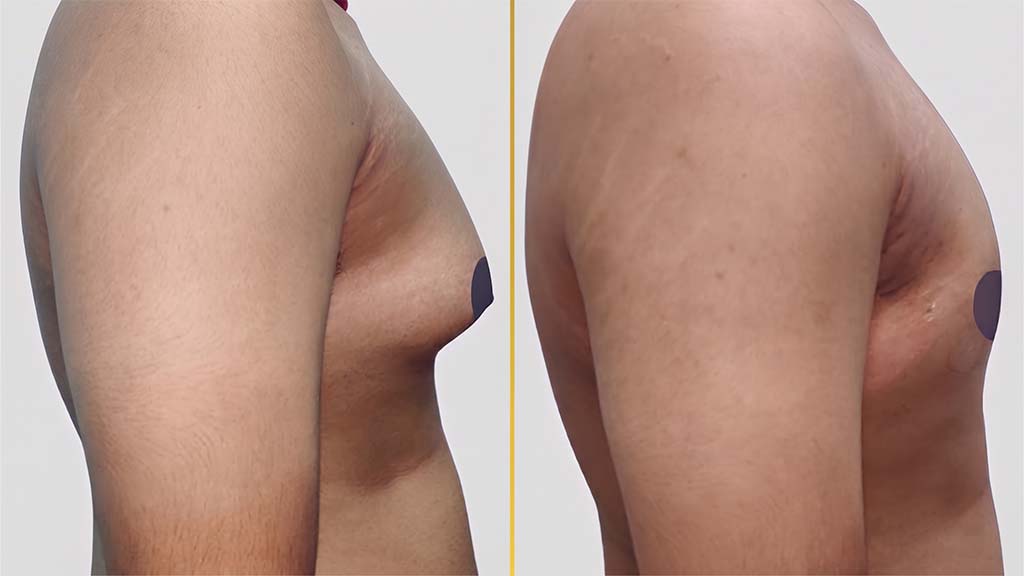
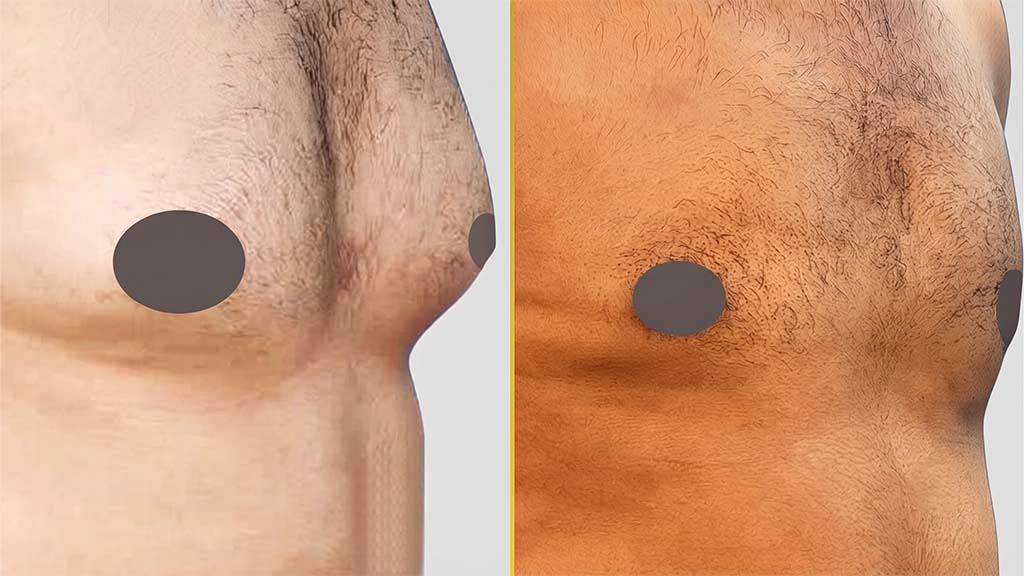
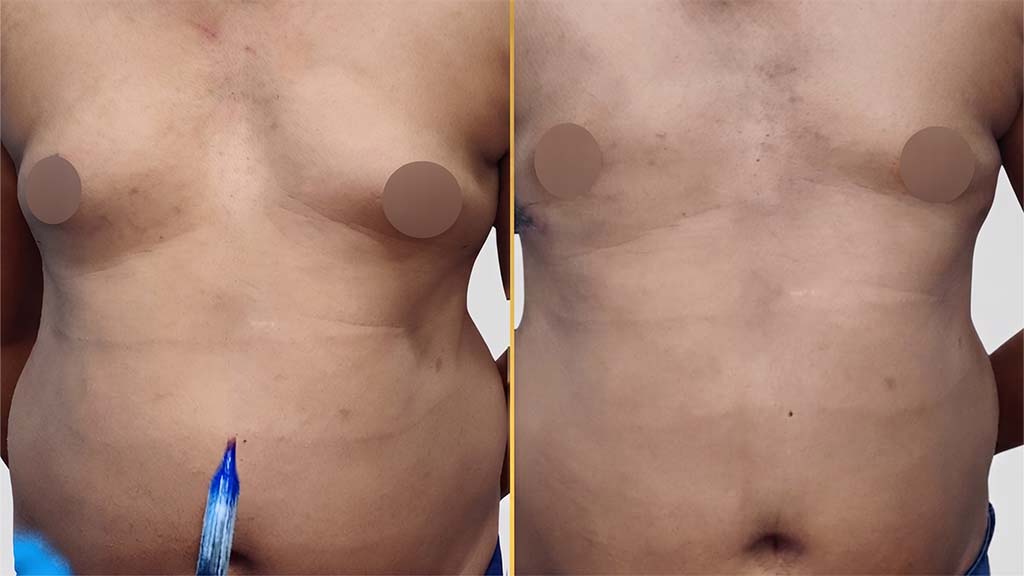
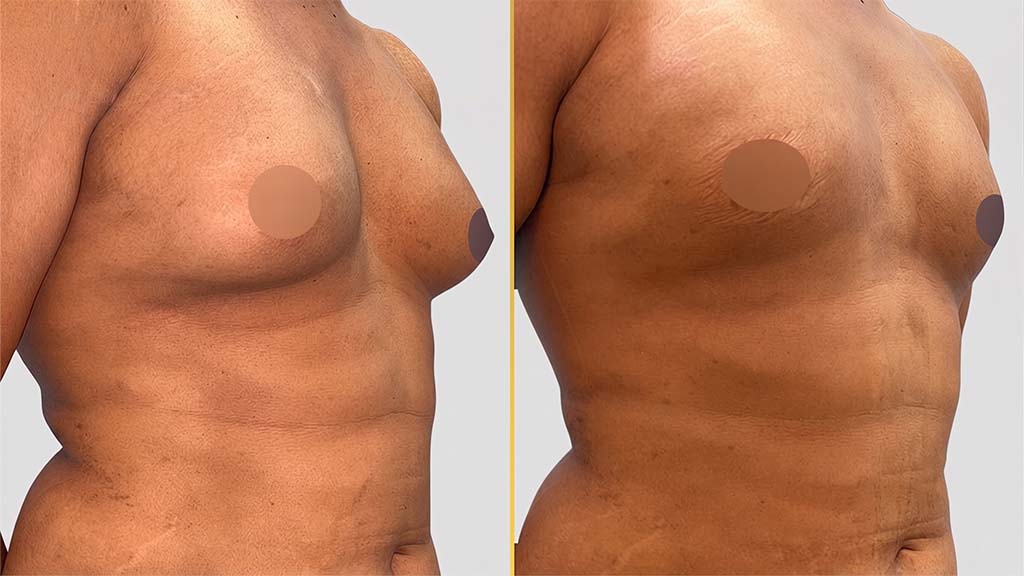
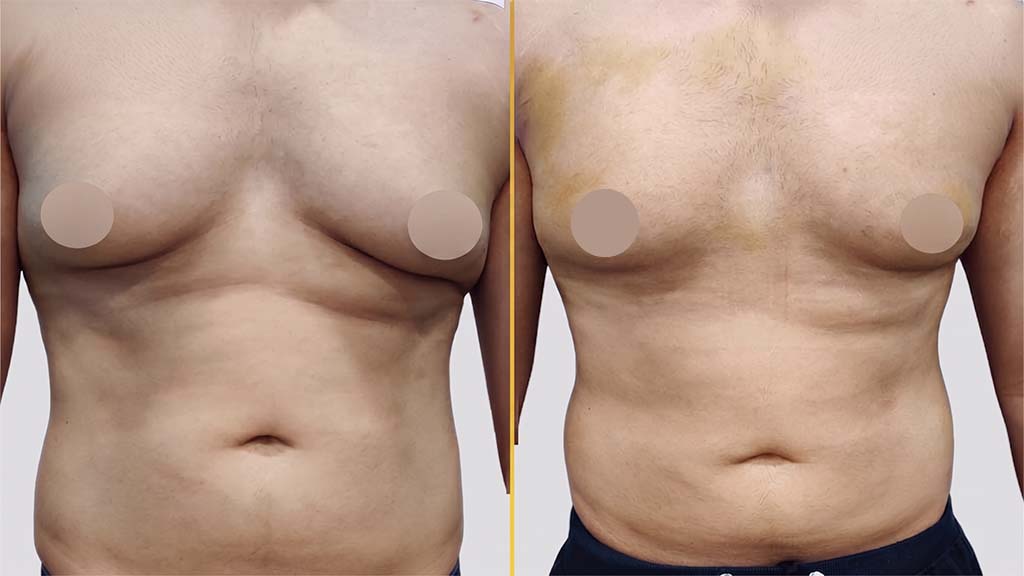
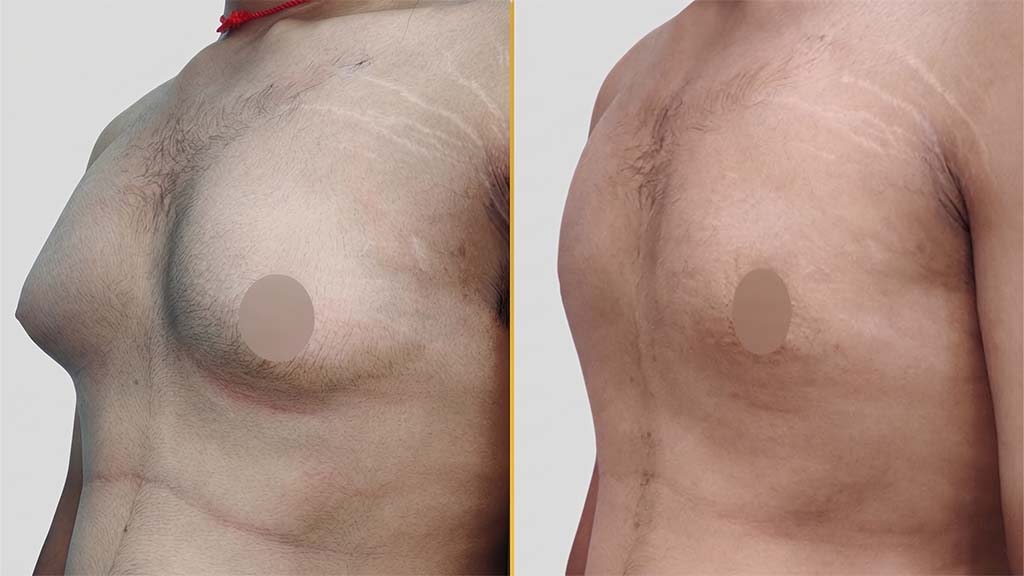
Frequently Asked Questions
Everything you need to know about Gynecomastia. Still curious? Our team is one message away.
How long do gynecomastia surgery results last?
Results are generally long-lasting when supported by a stable weight and healthy lifestyle. Natural ageing and body composition changes may continue to influence chest appearance over time.
Can gynecomastia return after surgery?
The glandular tissue removed during surgery does not grow back. However, significant weight gain, hormonal changes, certain medications, or underlying medical conditions may influence the appearance of the chest over time. Maintaining a stable weight and healthy lifestyle supports long-term results.
Will my chest still look natural?
That is always the objective. Every treatment plan is designed to restore natural masculine contours while avoiding over-correction or an artificial appearance.
Will surgery leave visible scars?
Every surgical procedure results in scars. Incisions are carefully planned to provide effective correction while placing them as discreetly as possible based on the technique required. Scar appearance continues improving as healing progresses.
Can exercise remove gynecomastia?
Exercise can reduce overall body fat and improve chest muscles. However, true glandular gynecomastia cannot be removed through exercise alone. Treatment depends on whether enlargement is caused by fat, glandular tissue, or both.
What causes gynecomastia?
Gynecomastia may develop due to hormonal changes, excess glandular tissue, localized fat accumulation, genetics, certain medications, medical conditions, or a combination of these factors. A detailed clinical evaluation helps identify the underlying cause.


Begin Your Gynecomastia Journey
Book a consultation today and let our specialists craft a plan built entirely around you.