Arm Contouring (Brachioplasty) In Mumbai
Remove excess skin and fat for toned, sculpted upper arms.
Introduction
Upper arms can gradually lose definition because of localised fat, reduced skin elasticity, ageing, genetics, or major weight loss. In many cases, exercise can strengthen the underlying muscles but cannot remove significant loose skin or selectively eliminate stubborn fat deposits.
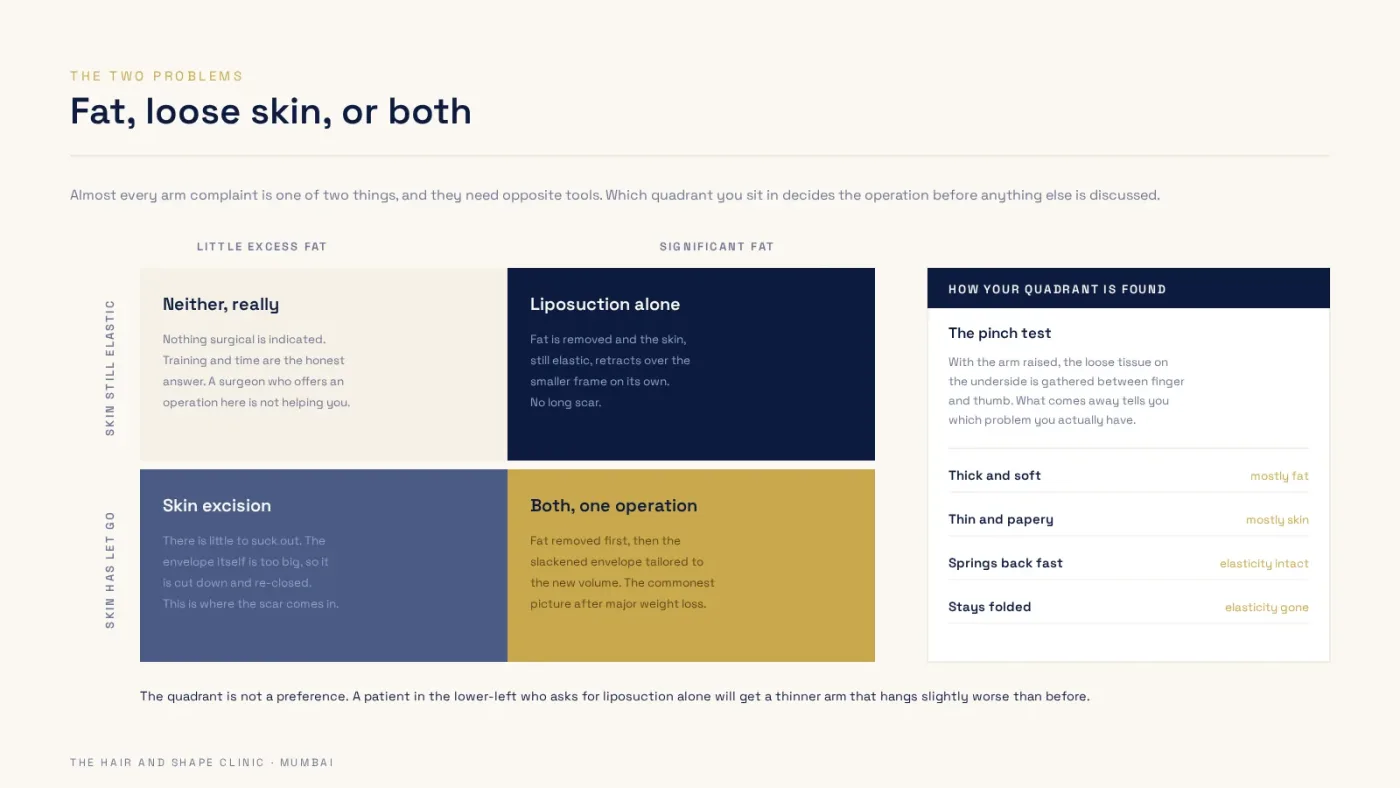
Arm contouring is therefore planned according to what is causing the unwanted fullness or sagging. Patients with good skin elasticity and excess fat may benefit from liposuction, while significant loose or hanging skin may require an arm lift, also known as brachioplasty. Some patients need a combination of both procedures.
With his focus on body contouring and laser-assisted liposuction, Dr. Umang Kothari evaluates the distribution of arm fat, skin quality, degree of laxity, and overall body proportions before deciding how much correction is appropriate.
During an arm lift, excess skin is removed and the underlying tissues are reshaped to produce a smoother upper-arm contour. The extent and position of the incision depend on how much loose skin needs to be corrected.
At Hair & Shape Clinic in Mumbai, arm contouring forms part of a broader body-sculpting approach in which surgical and liposuction techniques are selected according to the patient’s individual anatomy.
The objective is not simply to make the arms smaller, but to create a firmer, more proportionate shape that blends naturally with the shoulders and rest of the upper body.
What Is Arm Contouring?
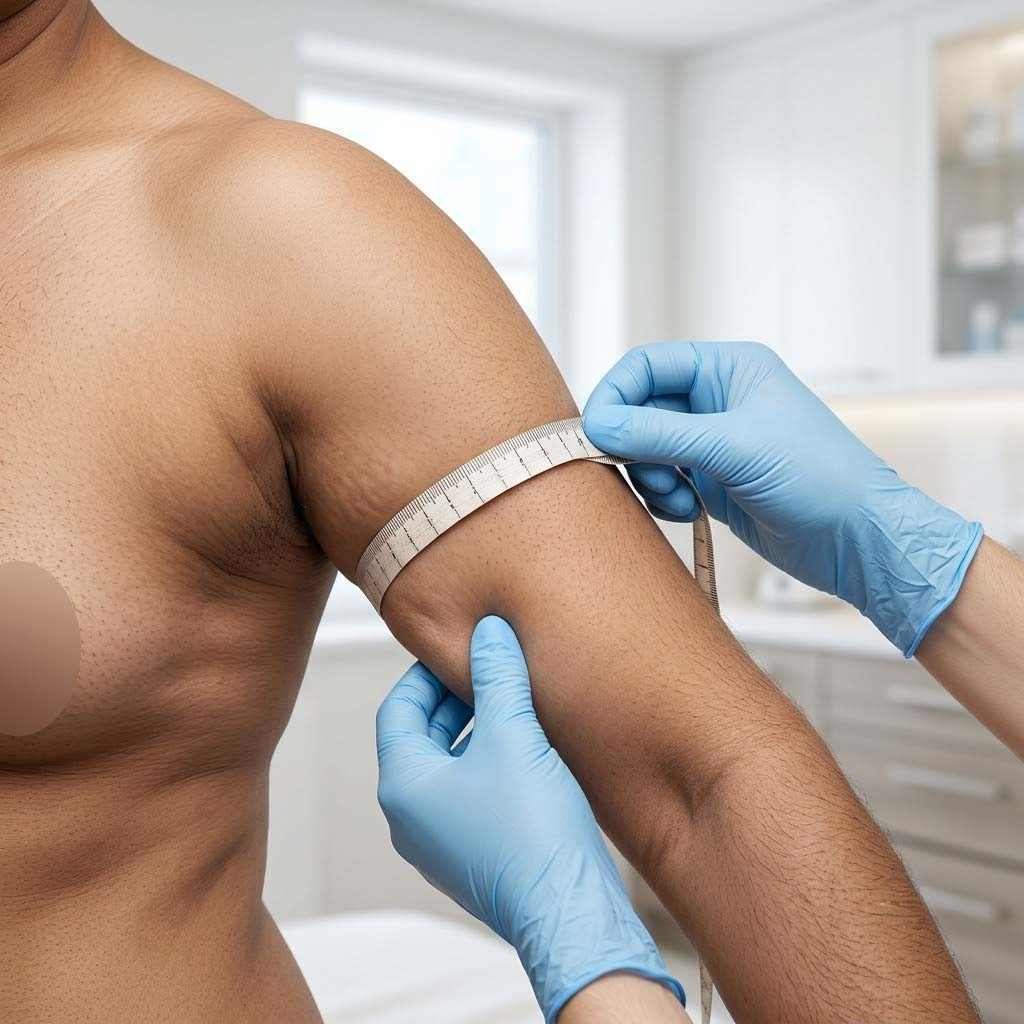
Arm contouring is a body contouring procedure designed to improve the size, shape, firmness, and overall appearance of the upper arms.
Rather than focusing only on reducing arm size, the procedure aims to restore balanced proportions by addressing excess fat, loose skin, or both.
Depending on the patient's anatomy, treatment may include:
Liposuction.
Brachioplasty (arm lift surgery).
Combined liposuction and brachioplasty.
Skin tightening procedures in selected patients.
The most appropriate technique depends on skin elasticity, the amount of excess fat, and the degree of skin laxity.
The primary goal is to create slimmer, firmer, and more proportionate upper arms while maintaining natural contours.
Why Do the Upper Arms Lose Their Shape?
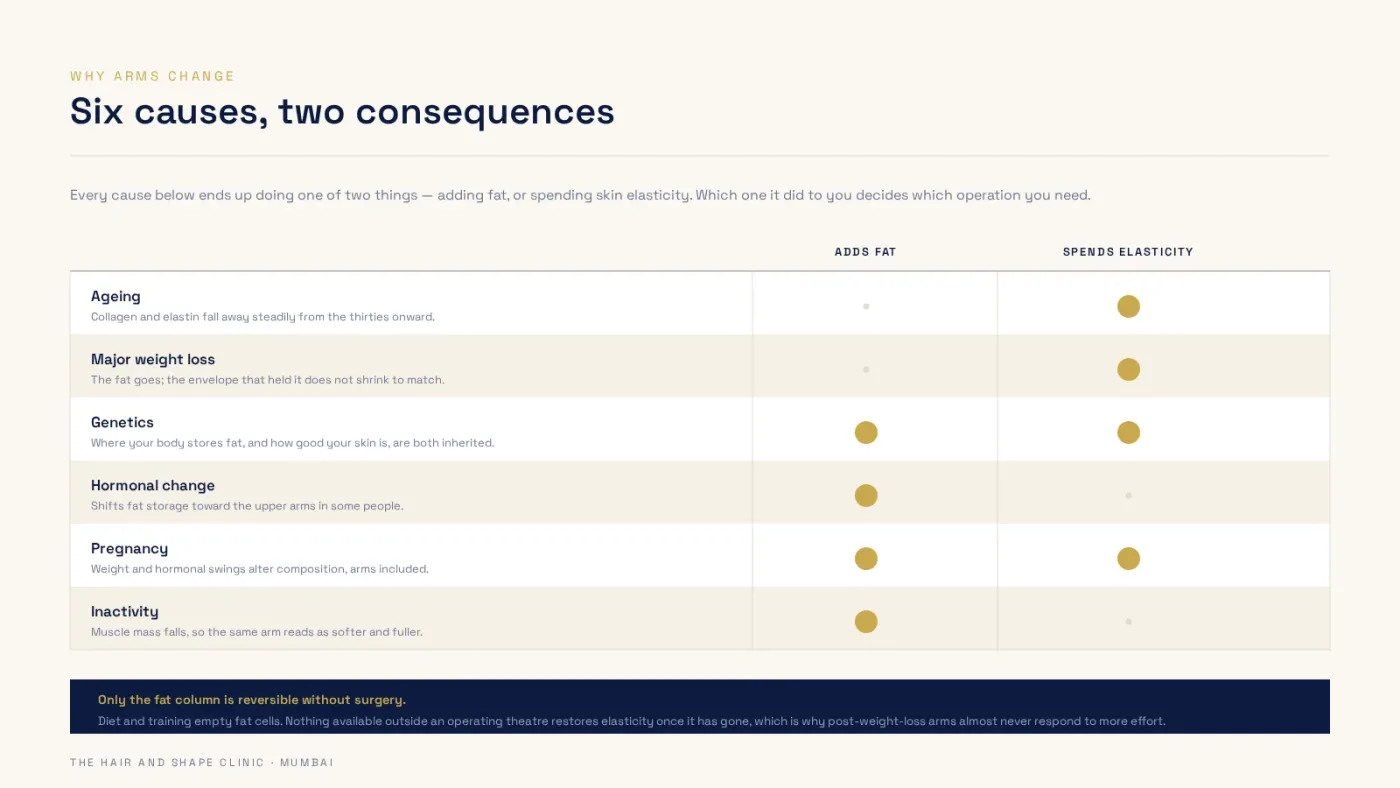
Several biological and lifestyle factors contribute to changes in arm contour over time.
Ageing
Collagen and elastin production gradually decline with age, reducing skin firmness and increasing skin laxity.
Major Weight Loss
After significant weight reduction, excess skin often remains because stretched skin cannot fully contract.
Genetics
Inherited body composition influences fat distribution, skin quality, and the tendency to develop fuller upper arms.
Hormonal Changes
Hormonal influences affect body fat storage and may contribute to localized fat accumulation in the upper arms.
Pregnancy
Pregnancy-related weight changes and hormonal fluctuations can affect overall body composition, including the upper arms.
Lifestyle
Weight fluctuations, reduced muscle mass, and limited physical activity may contribute to gradual changes in arm contour.
Understanding these factors helps determine whether liposuction, skin removal, or a combination of procedures is likely to provide the best outcome.
Understanding Upper Arm Anatomy
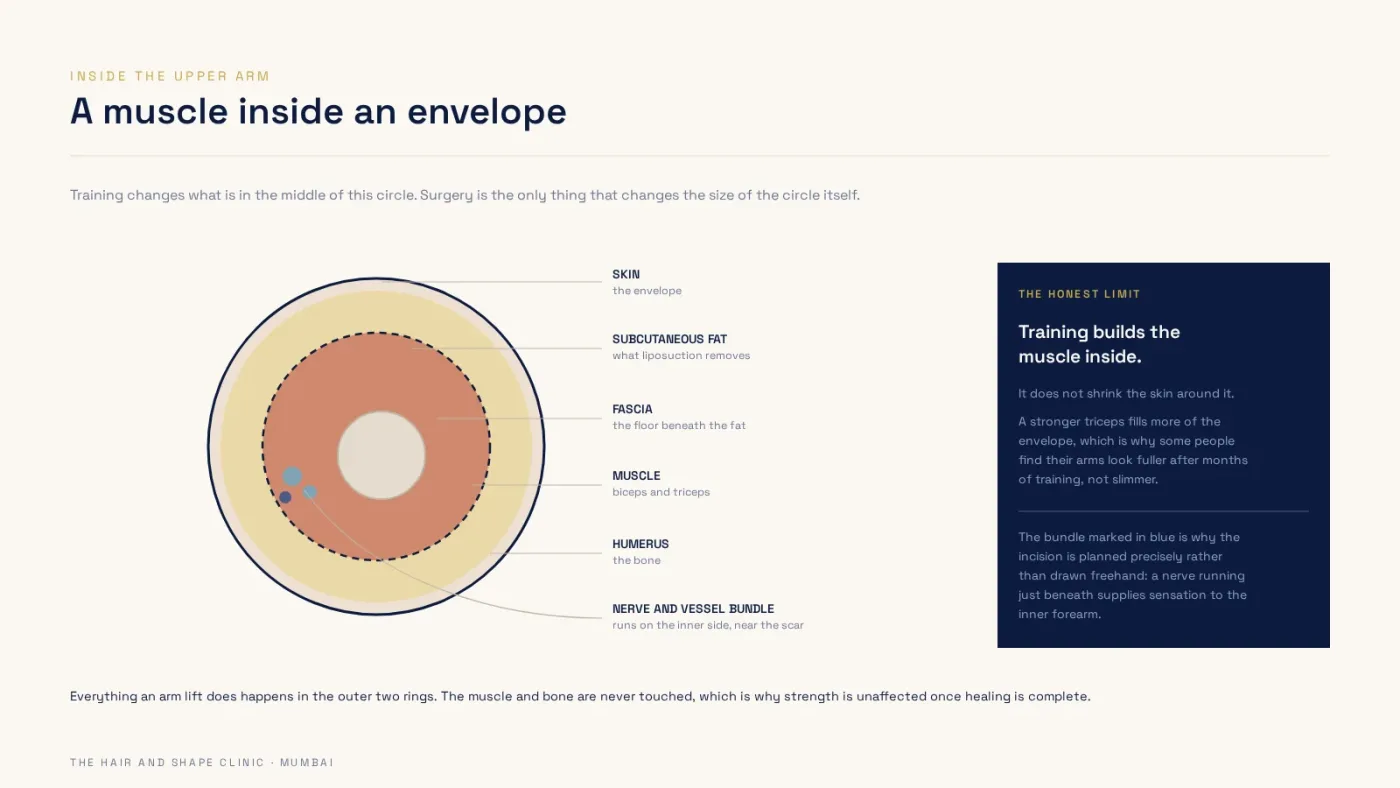
Successful arm contouring requires a detailed understanding of the anatomical structures responsible for arm shape and function.
Skin
Healthy skin elasticity allows the skin to contract after fat removal.
Reduced elasticity often requires surgical skin excision.
Subcutaneous Fat
Localized fat beneath the skin contributes to fullness of the upper arms.
This layer may be reduced through liposuction when appropriate.
Connective Tissue
Fibrous connective tissue supports the skin and helps maintain smooth contour transitions throughout the arm.
Muscles
The biceps, triceps, and surrounding muscles provide the structural framework of the upper arm.
Exercise improves muscle tone but does not remove excess skin.
Blood Vessels and Nerves
Careful preservation of vascular and nerve structures is essential for maintaining normal arm function and promoting healthy healing.
Understanding these anatomical layers allows surgeons to improve arm contours while preserving natural movement and symmetry.
How Does Arm Contouring Improve Arm Shape?
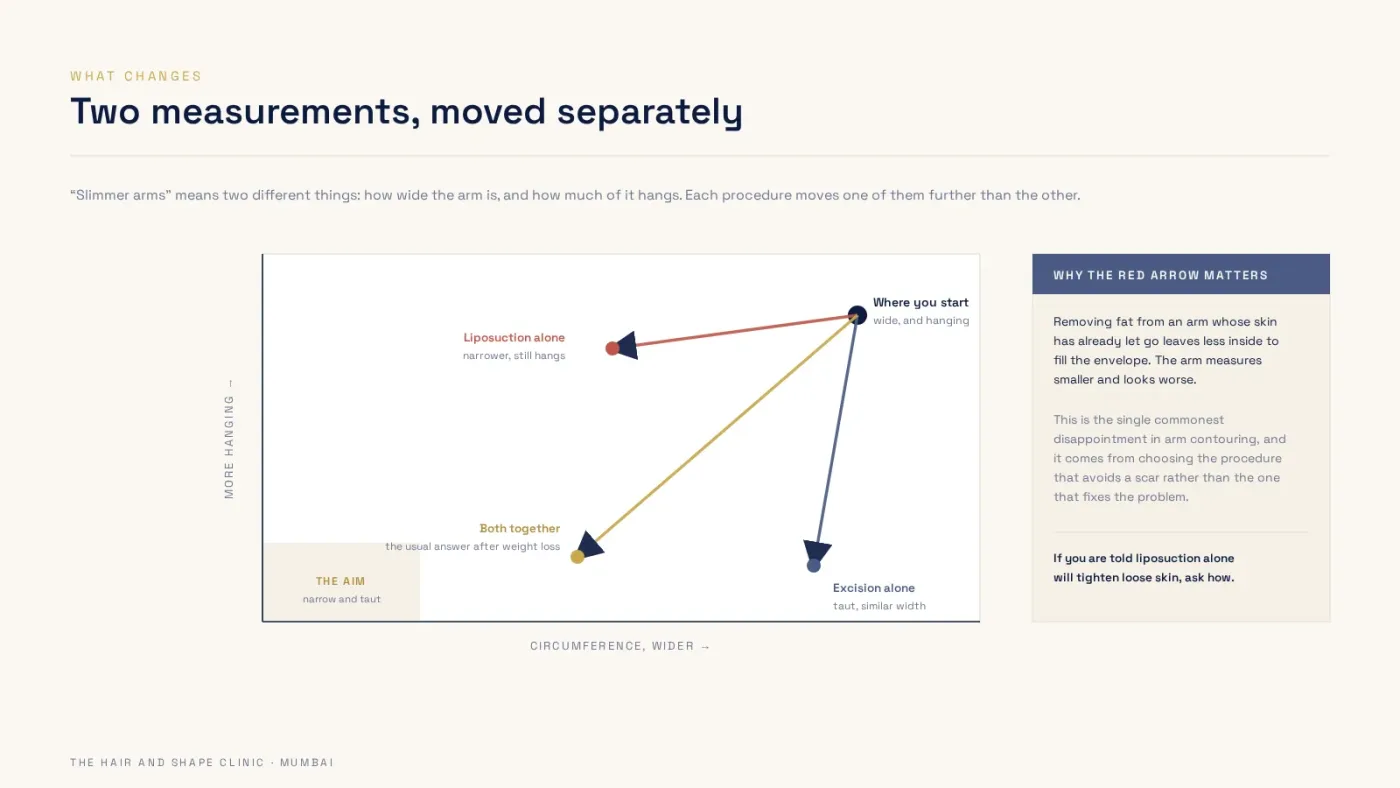
Arm contouring improves upper arm appearance by removing excess fat, eliminating loose skin, or combining both techniques according to the patient's anatomy.
Benefits may include:
Slimmer Upper Arms
Removal of localized fat creates a more refined arm profile.
Firmer Arm Contours
Excess skin is removed to improve firmness following weight loss or ageing.
Better Shoulder-to-Arm Proportions
Balanced contouring improves harmony between the shoulders, upper arms, and torso.
Improved Clothing Fit
Many patients find sleeveless clothing becomes more comfortable and flattering.
Smoother Skin Contours
Removal of hanging tissue creates cleaner, more youthful arm lines.
Improved Overall Body Balance
Slimmer, proportionate upper arms complement improvements achieved through other body contouring procedures.
The objective is to restore natural arm contours while preserving smooth transitions and avoiding an over-tightened appearance.
Who Is a Good Candidate for Arm Contouring?

Arm contouring is generally recommended for healthy individuals who are concerned about excess fat, loose skin, or poor upper arm definition.
You may be a suitable candidate if you:
Have loose upper arm skin.
Have stubborn fat deposits in the upper arms.
Maintain a stable body weight.
Have realistic expectations.
Are physically healthy.
Do not smoke or are willing to stop during recovery.
Have completed major weight loss.
Patients with good skin elasticity and localized fat may benefit from liposuction alone, while significant skin laxity often requires brachioplasty.
What Concerns Can Arm Contouring Address?
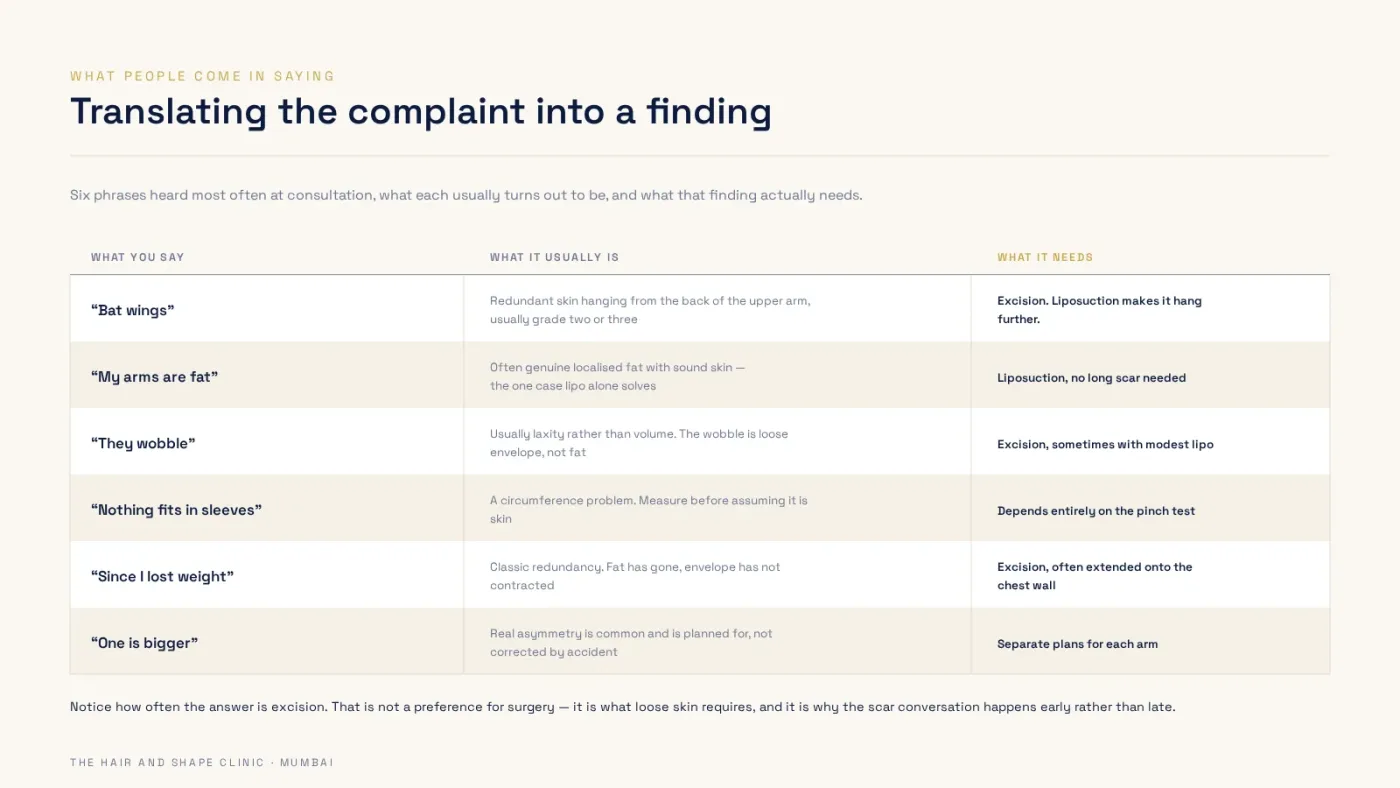
Arm contouring can improve several functional and aesthetic concerns.
Excess Upper Arm Fat
Removes stubborn fat deposits that do not respond to diet and exercise.
Loose Skin
Eliminates hanging skin following ageing or major weight loss.
"Bat Wings"
Reduces excess tissue that hangs beneath the upper arms.
Poor Arm Definition
Creates smoother, slimmer, and more proportionate arm contours.
Upper Body Balance
Improves harmony between the shoulders, chest, and arms.
Post-Weight Loss Changes
Restores arm contours after significant weight reduction.
Personalized Arm Contouring Planning
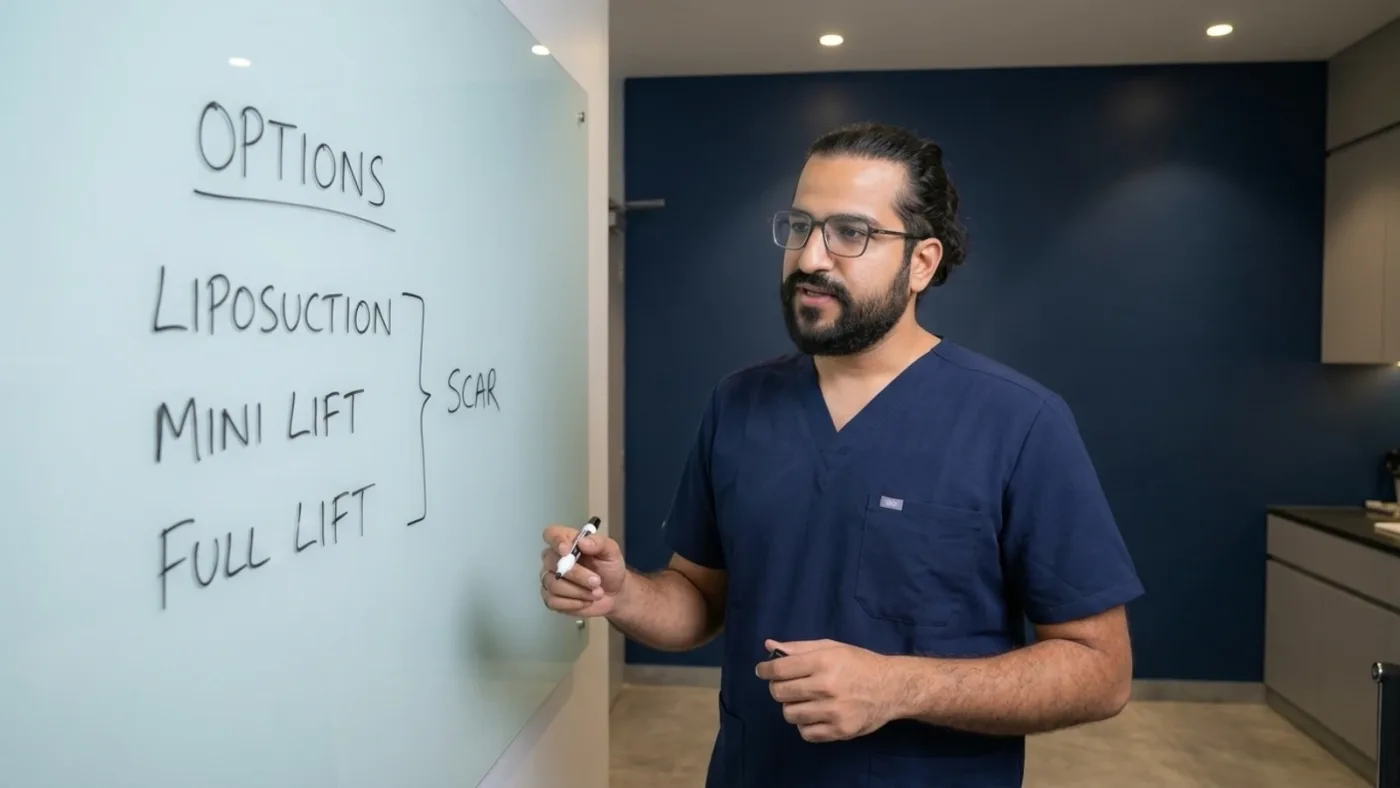
Every patient presents with a different combination of skin laxity, fat distribution, muscle tone, and body proportions. Some individuals have excess fat with good skin elasticity, making liposuction the primary treatment, while others develop significant loose skin after ageing or major weight loss that requires brachioplasty. Many patients benefit from combining both procedures to achieve optimal contour and skin tightening.
At Hair & Shape Clinic, every patient undergoes a comprehensive upper body assessment before surgery is recommended. Skin quality, fat thickness, muscle definition, previous weight changes, body proportions, and overall health are carefully evaluated to determine the most appropriate treatment approach. Surgical planning focuses on creating slimmer, natural-looking arm contours while preserving symmetry, minimizing visible scars whenever possible, and maintaining normal arm function.
The objective is not simply to reduce arm size but to restore balanced upper body proportions that appear elegant, proportionate, and naturally refined.
What Happens During Arm Contouring?
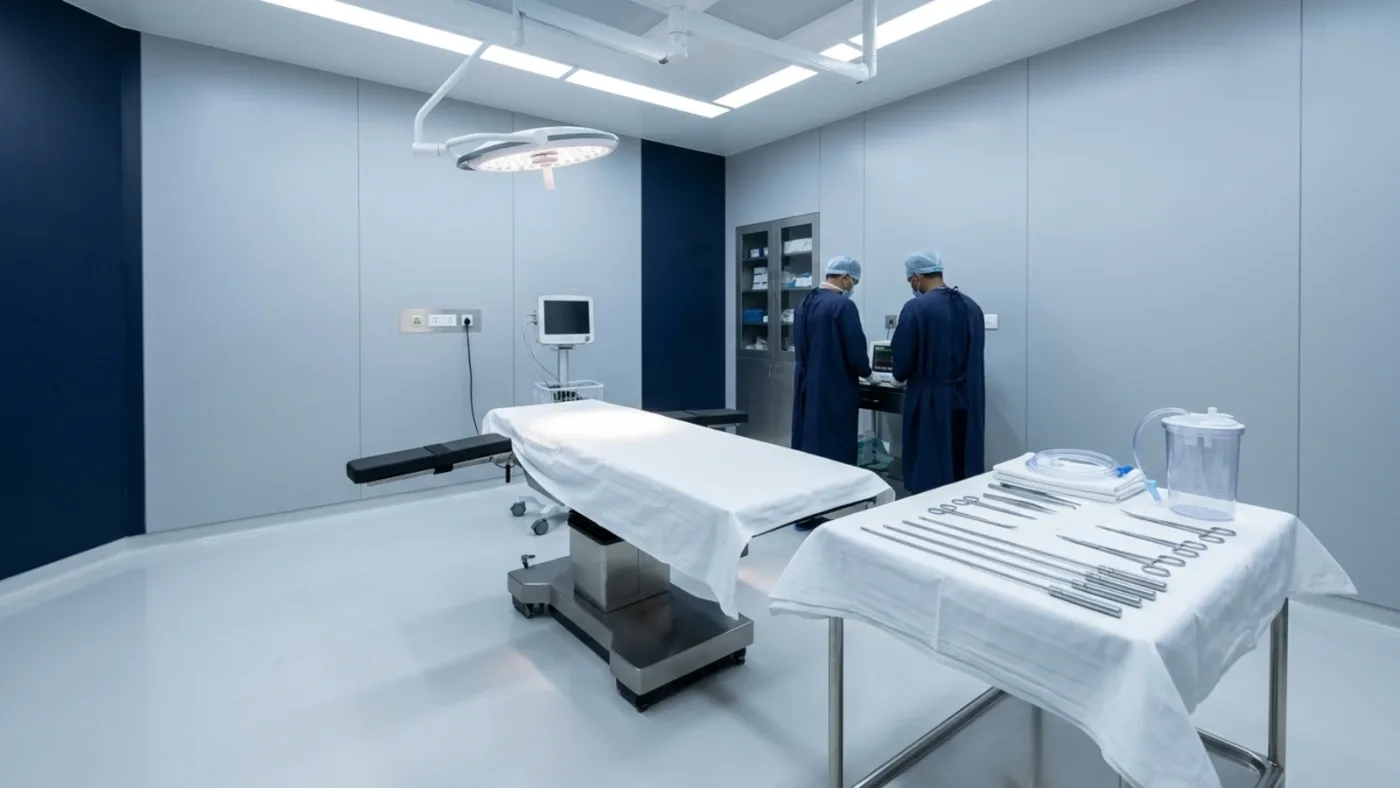
Arm contouring is performed in an accredited operating facility under sterile conditions using carefully planned body contouring techniques. Depending on the amount of excess skin, localized fat, and whether liposuction is combined with brachioplasty, surgery generally takes between one and three hours.
Every procedure is tailored according to the patient's anatomy, skin quality, fat distribution, muscle definition, and desired outcome.
A typical arm contouring procedure includes the following stages.
Step 1: Preoperative Planning
Before surgery, detailed markings are made while the patient is standing.
The surgeon carefully evaluates:
Skin laxity.
Fat distribution.
Upper arm circumference.
Muscle definition.
Existing asymmetry.
Scar placement.
Body proportions.
Areas requiring contour refinement.
These markings serve as a surgical roadmap to achieve balanced, symmetrical, and natural-looking arm contours.
Step 2: Anaesthesia
Depending on the extent of surgery, arm contouring may be performed under general anaesthesia or local anaesthesia with sedation.
Throughout the procedure, your heart rate, blood pressure, oxygen levels, and other vital signs are continuously monitored to ensure patient safety.
Step 3: Liposuction
If localized fat is present, liposuction is usually performed first.
Small concealed incisions are made, and a thin cannula is inserted beneath the skin to remove excess fat while preserving blood vessels, nerves, and connective tissue.
The goal is to reduce arm fullness while maintaining smooth contour transitions.
Step 4: Skin Removal
When skin laxity is significant, excess skin is carefully removed through strategically planned incisions.
The amount of skin removed is customized according to the degree of laxity while preserving natural arm movement and minimizing tension during closure.
Step 5: Contour Refinement
After fat removal and skin excision, the surgeon carefully evaluates both arms from multiple angles.
Minor adjustments are performed to improve:
Symmetry.
Arm proportions.
Smooth contour transitions.
Shoulder-to-elbow balance.
The emphasis is on creating naturally slender arms rather than excessive tightening.
Step 6: Closure
The incisions are closed in multiple layers to support healing and reduce tension on the skin.
Compression garments are applied immediately after surgery to minimize swelling, support the tissues, and help the skin adapt to its new contours.
Types of Arm Contouring Procedures
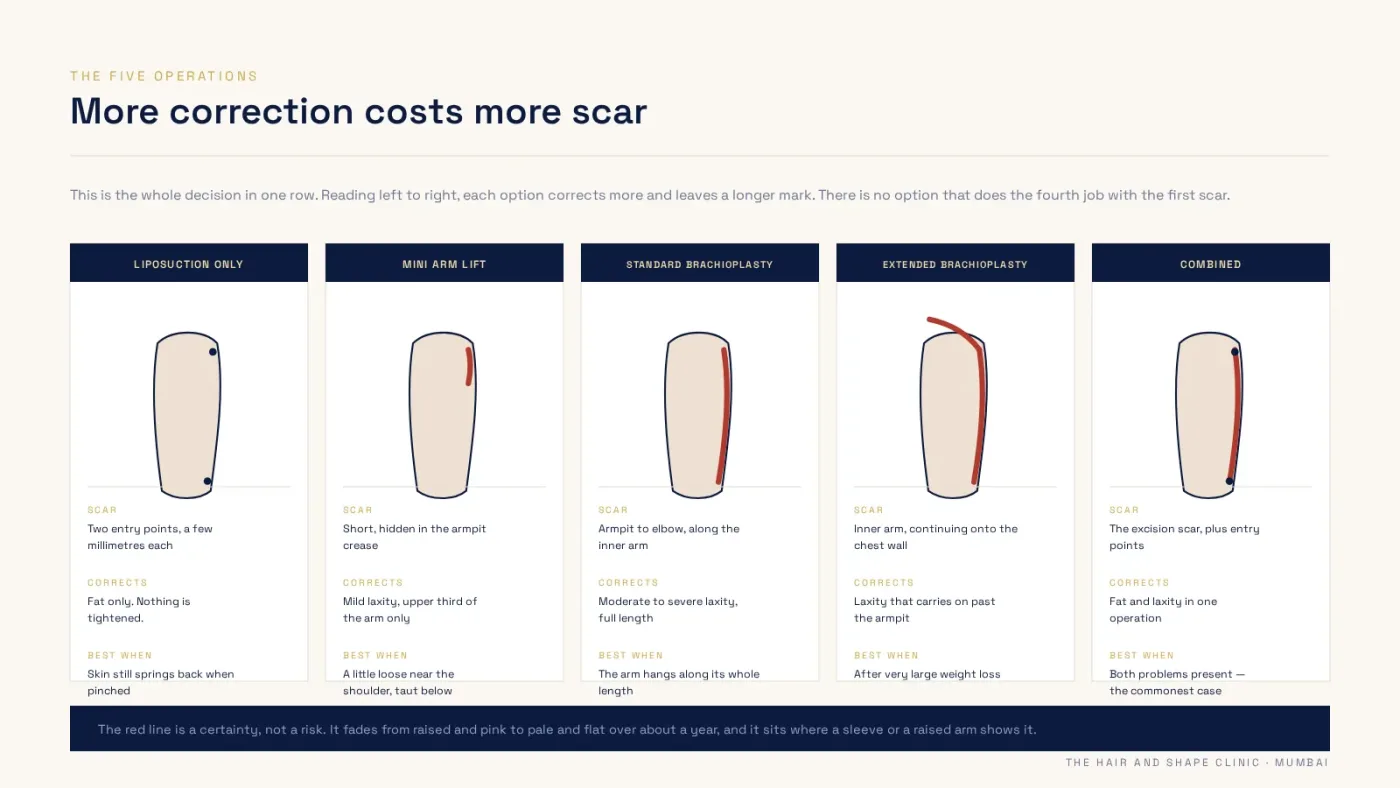
The most appropriate technique depends on skin elasticity, fat distribution, and the severity of skin laxity.
Liposuction Alone
Patients with good skin elasticity and localized fat deposits may achieve excellent contour improvement with liposuction alone.
Mini Arm Lift
A mini brachioplasty removes a limited amount of loose skin near the armpit.
This procedure is suitable for patients with mild skin laxity.
Standard Brachioplasty
A traditional arm lift removes excess skin along the inner upper arm while improving overall contour and firmness.
It is commonly recommended after significant weight loss.
Extended Brachioplasty
Patients with extensive skin redundancy extending into the side of the chest may benefit from an extended arm lift.
This technique removes additional excess tissue while improving upper body contour.
Combined Liposuction and Brachioplasty
Many patients achieve the best results by combining fat removal with surgical skin tightening, allowing both fullness and skin laxity to be addressed during the same procedure.
What Results Can You Expect After Arm Contouring?
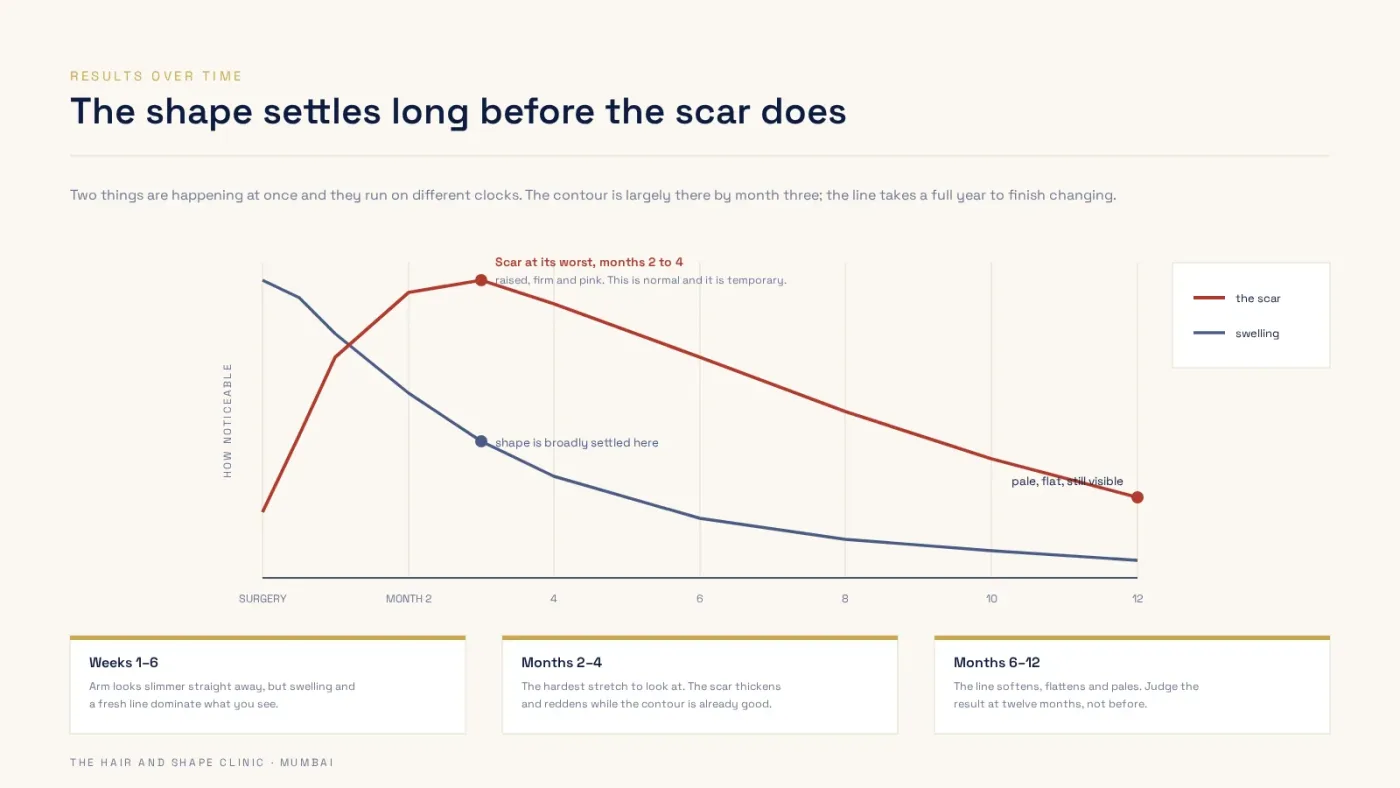
Although swelling temporarily masks the final outcome, many patients notice slimmer arm contours immediately after surgery.
As healing progresses, the results become increasingly refined.
Slimmer Upper Arms
Removal of excess fat creates a narrower and more proportionate arm profile.
Firmer Skin
Excess skin removal restores a smoother and tighter upper arm contour.
Better Arm Definition
The natural shape of the upper arm becomes more visible.
Improved Clothing Fit
Many patients feel more comfortable wearing fitted or sleeveless clothing.
Enhanced Upper Body Proportions
The shoulders, arms, and torso appear more balanced.
Long-Lasting Results
The excess skin removed during surgery does not return, and the fat cells removed through liposuction are permanently eliminated.
Maintaining a stable body weight helps preserve these improvements for many years.
Final contours generally continue improving over three to six months as swelling resolves and tissues mature.
What Is Recovery Like After Arm Contouring?
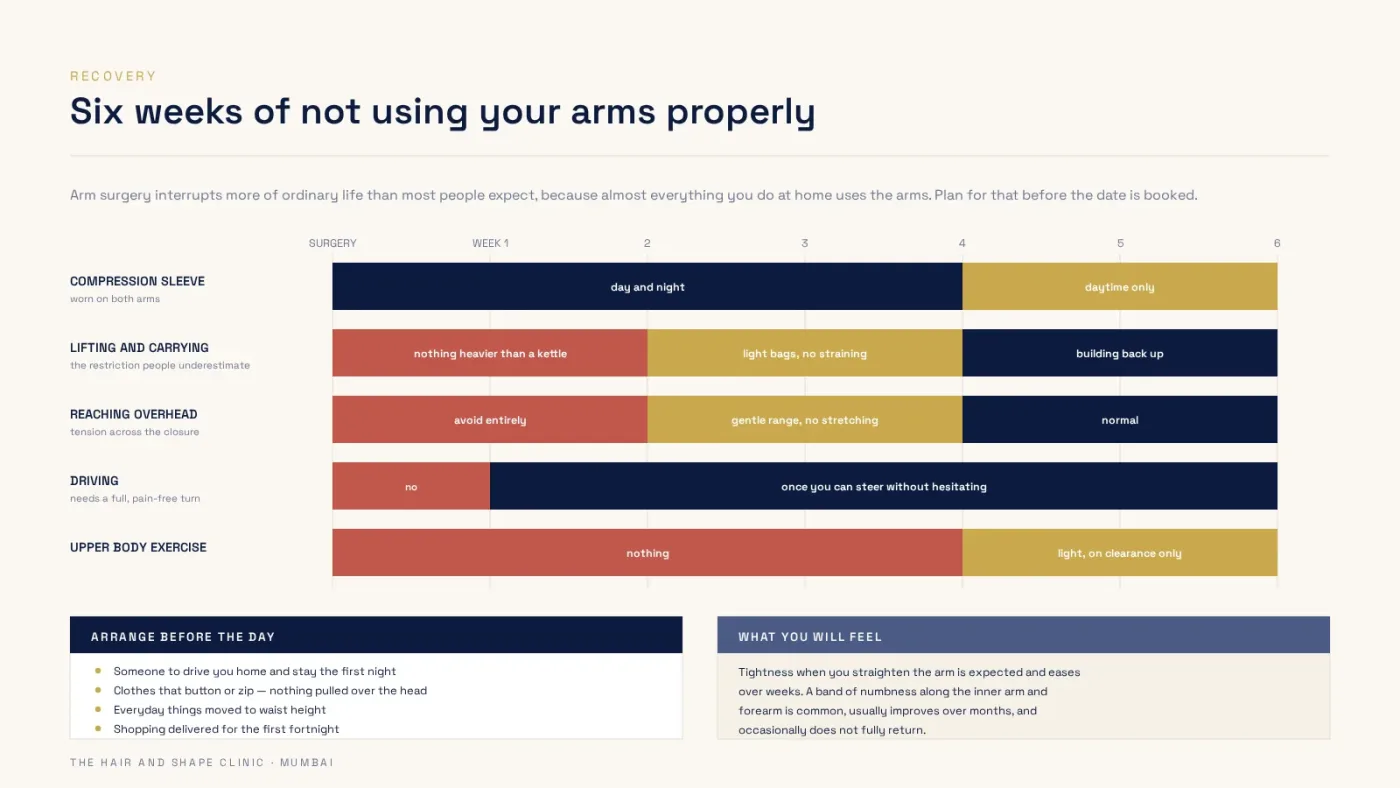
Recovery varies depending on whether liposuction, brachioplasty, or a combination of procedures is performed.
Healing generally progresses through several stages.
Immediately After Surgery
Patients commonly experience:
Swelling.
Bruising.
Mild discomfort.
Tightness.
Temporary numbness around the incisions.
These symptoms gradually improve during the first several days.
First Week
Compression garments should be worn continuously to reduce swelling and support healing.
Gentle walking is encouraged to improve circulation.
Patients are generally advised to avoid heavy lifting, pushing, or pulling with the arms.
Two to Six Weeks
Bruising steadily fades.
Swelling gradually decreases.
Most patients return to office-based work within one to two weeks, depending on the extent of surgery.
Light arm movements are encouraged, while strenuous upper-body exercise should be postponed until cleared by the surgeon.
Several Months
Scars gradually soften and mature.
Residual swelling continues to improve.
The arms appear increasingly natural and proportionate.
Long-Term Healing
Final contours are usually visible between three and six months after surgery, while scars continue to mature for up to one year.
Are There Any Risks or Limitations?
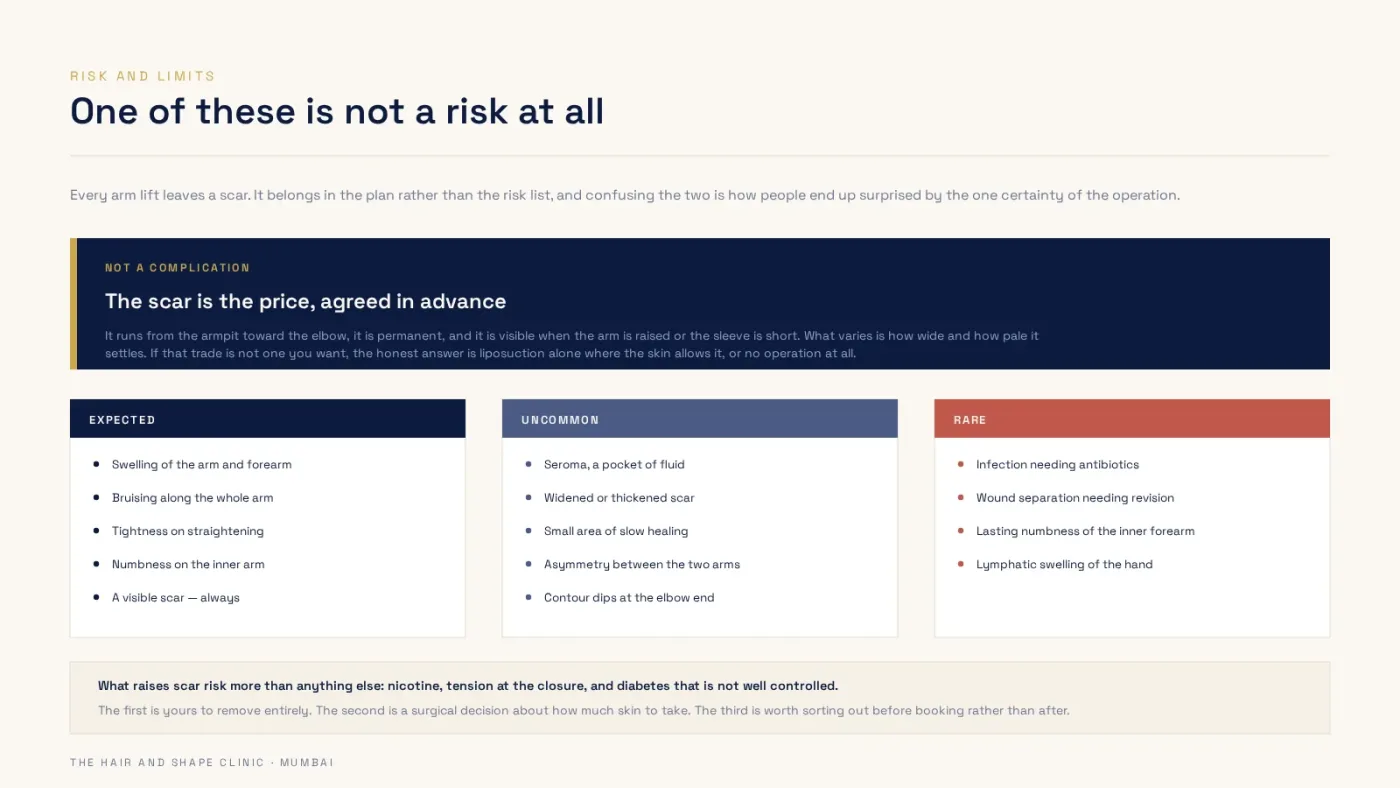
Arm contouring is generally considered safe when performed by an experienced plastic surgeon, but every surgical procedure carries potential risks.
Possible complications include:
Bleeding.
Infection.
Swelling.
Bruising.
Fluid accumulation (seroma).
Temporary numbness.
Delayed wound healing.
Visible scarring.
Contour irregularities.
Asymmetry.
Need for revision surgery.
It is also important to understand the limitations of surgery.
Liposuction alone cannot correct significant loose skin, while brachioplasty inevitably results in a surgical scar, although every effort is made to position it as discreetly as possible. Maintaining a stable body weight is essential for preserving long-term results.
How Much Does Arm Contouring Cost in Mumbai?
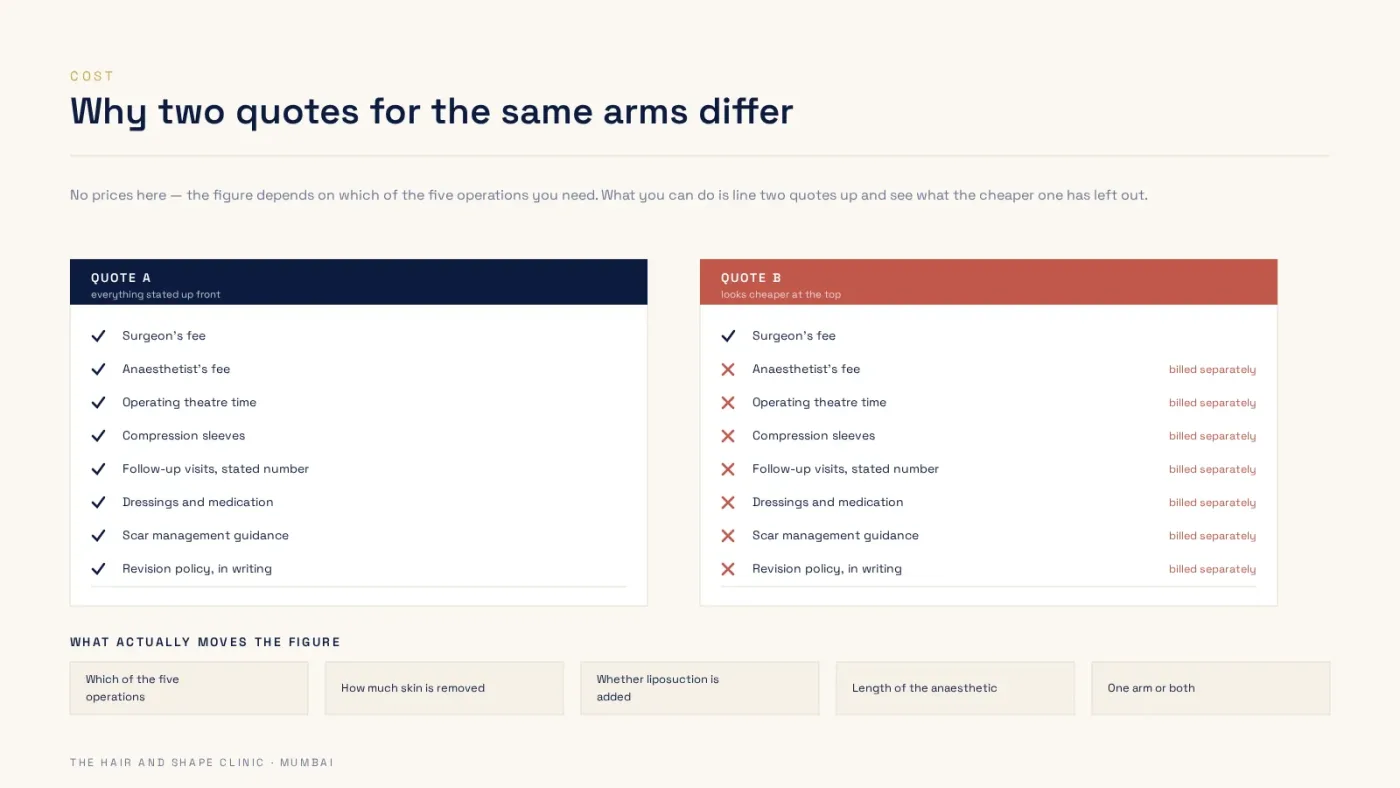
The cost of arm contouring varies depending on the type of procedure performed, the amount of excess skin removed, whether liposuction is combined with surgery, and the complexity of the treatment.
Factors influencing treatment cost include:
Type of arm contouring procedure.
Degree of skin laxity.
Liposuction requirements.
Anaesthesia.
Operating facility charges.
Compression garments.
Postoperative care.
Following a comprehensive consultation, your surgeon will prepare a personalized treatment plan outlining the recommended procedure, expected recovery, anticipated outcomes, and associated costs.
Why Choose Hair & Shape for Arm Contouring?
Successful arm contouring requires much more than reducing arm size. It involves balancing skin tightening, fat removal, scar placement, and body proportions while preserving normal arm movement and achieving natural-looking contours. Careful planning ensures that the arms appear slimmer and firmer without looking over-tightened or disproportionate to the rest of the body.
At Hair & Shape Clinic, every patient undergoes a comprehensive upper body assessment before surgery is recommended. Skin quality, fat distribution, muscle tone, previous weight changes, body proportions, and aesthetic goals are carefully evaluated to determine the most appropriate treatment approach. Modern contouring techniques focus on creating smooth, symmetrical arm contours while minimizing visible scars whenever possible and delivering long-lasting, natural-looking results.
Why Does Personalized Arm Contouring Planning Matter?

Every patient's upper arms age and respond to weight changes differently, making individualized planning essential for achieving balanced and predictable outcomes.
Skin Elasticity Determines the Surgical Approach
Patients with firm, elastic skin may achieve excellent results with liposuction alone, whereas significant skin laxity usually requires brachioplasty for optimal contour improvement.
Fat Distribution Is Unique
Some patients primarily have localized fat deposits, while others have excess skin with very little fat. Treatment must be customized accordingly.
Scar Placement Requires Careful Planning
When skin excision is necessary, incisions are strategically planned to maximize contour improvement while placing scars as discreetly as possible.
Body Proportions Must Remain Balanced
The objective is to create arms that complement the shoulders, chest, and torso rather than simply making them as small as possible.
Long-Term Results Depend on Lifestyle
Maintaining a stable body weight, regular physical activity, and healthy nutrition helps preserve the slimmer, firmer arm contours achieved through surgery.
International Patients Seeking Arm Contouring in Mumbai

Hair & Shape Clinic welcomes patients from across India and around the world seeking advanced upper body contouring procedures.
Our international patient pathway is designed to provide a seamless experience from consultation through recovery.
Before You Travel
Virtual consultations, medical history review, clinical photographs, and discussion of your concerns help determine the most appropriate treatment plan before your visit.
During Your Stay
Your treatment includes an in-person consultation, comprehensive upper body evaluation, personalized surgical planning, arm contouring surgery, postoperative monitoring, compression garment guidance, wound care instructions, and recovery planning before returning home.
Returning Home
Follow-up consultations can often be conducted remotely. Continued guidance regarding compression garment use, scar care, activity progression, swelling management, healing milestones, and long-term arm contour maintenance helps support a smooth and successful recovery wherever you live.
What to Expect
Consultation
A detailed assessment of your goals, suitability, and a personalised plan.
Preparation
Clear pre-treatment guidance so you arrive fully prepared and at ease.
The Procedure
Your treatment, performed by our specialists with comfort and safety first.
Aftercare
Structured recovery support and follow-ups to protect your results.
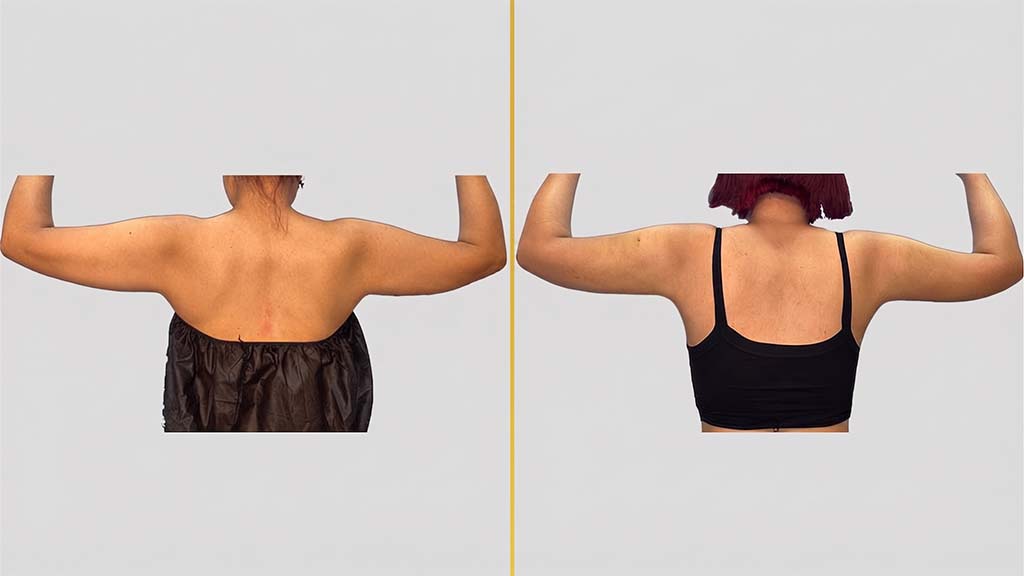
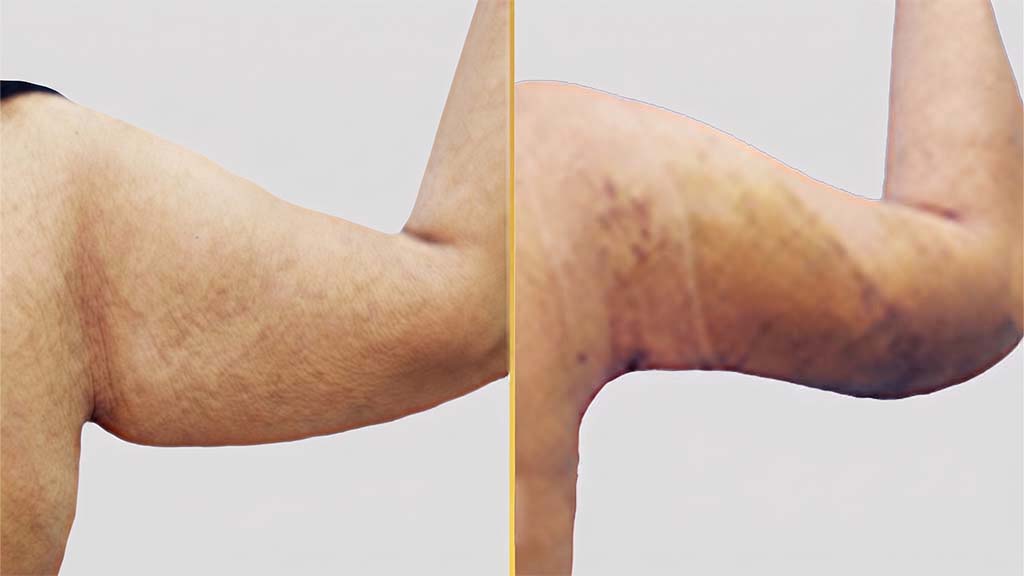
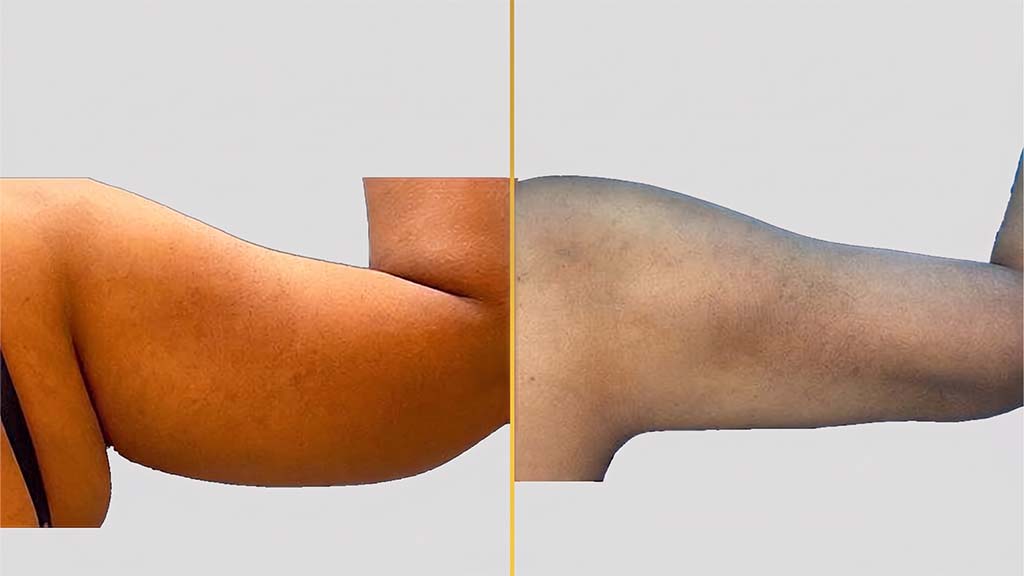
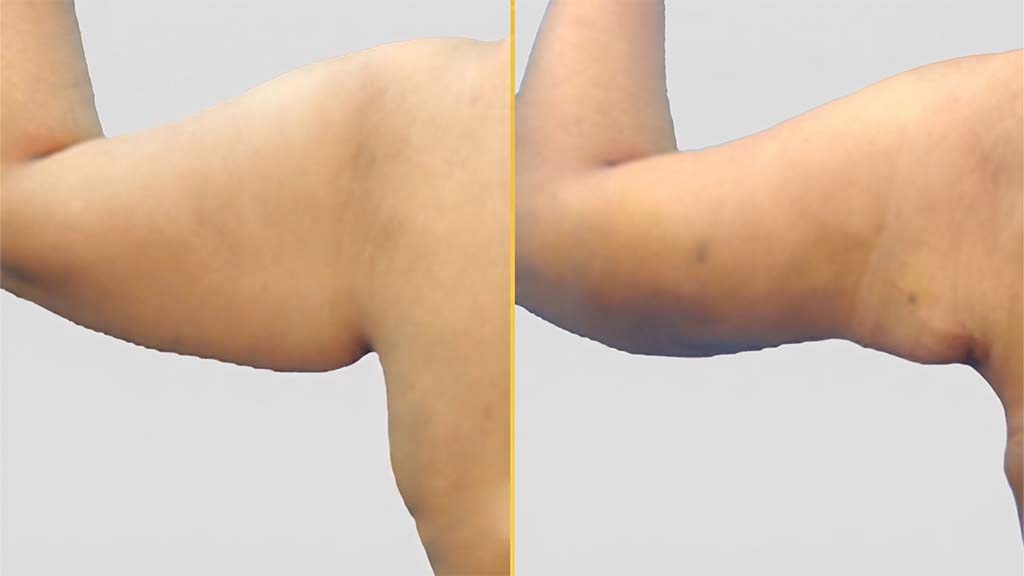
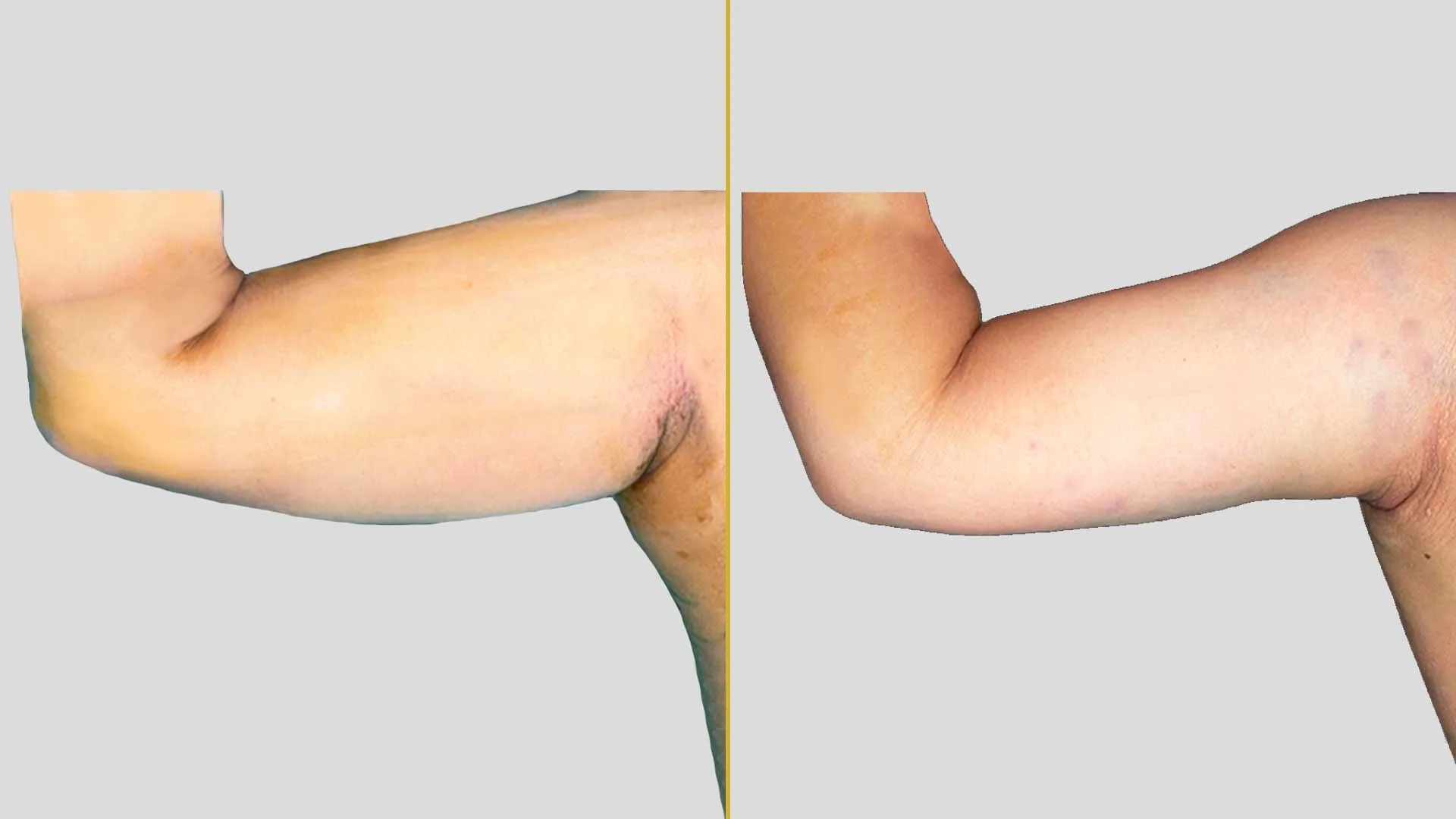
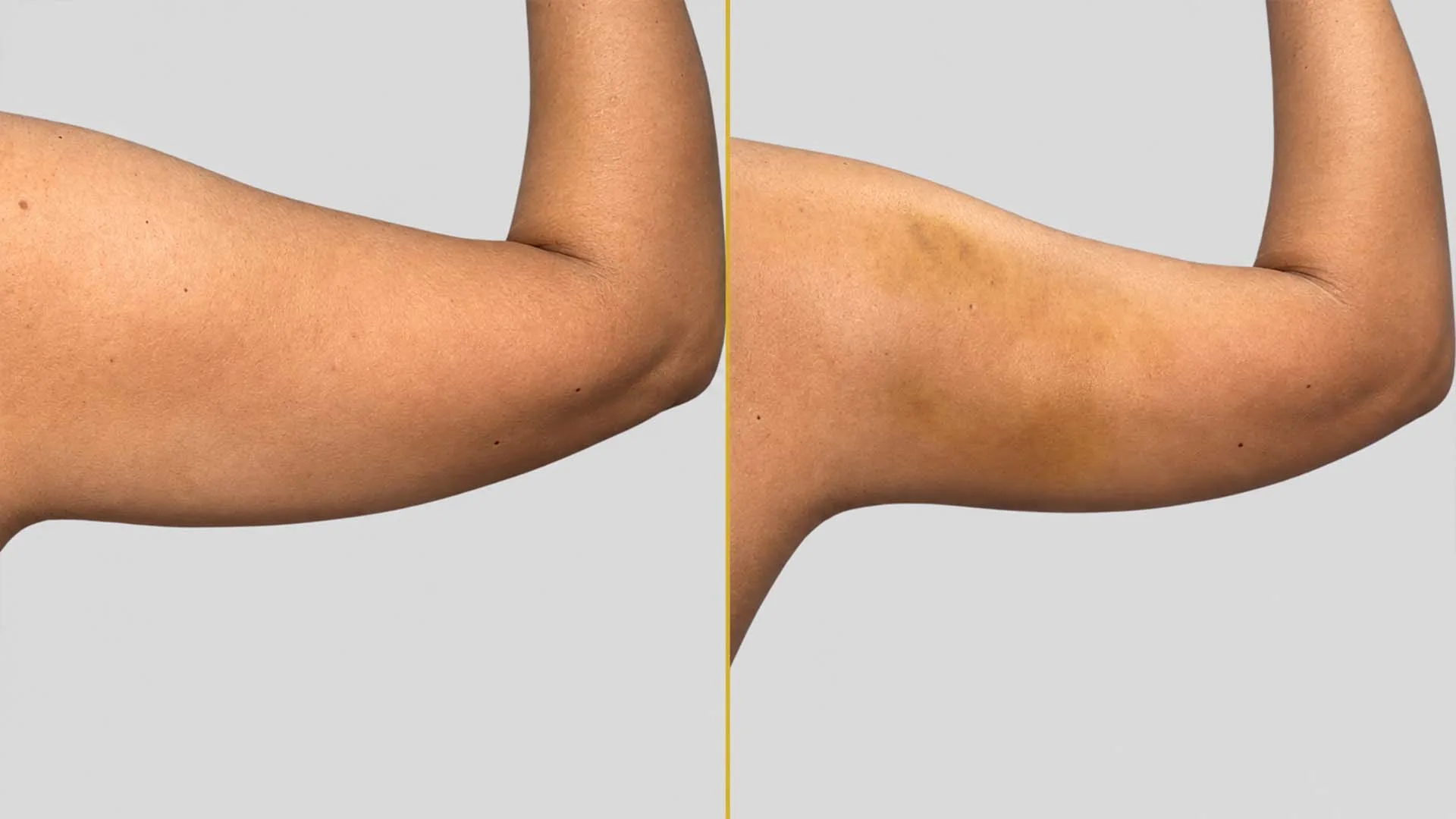
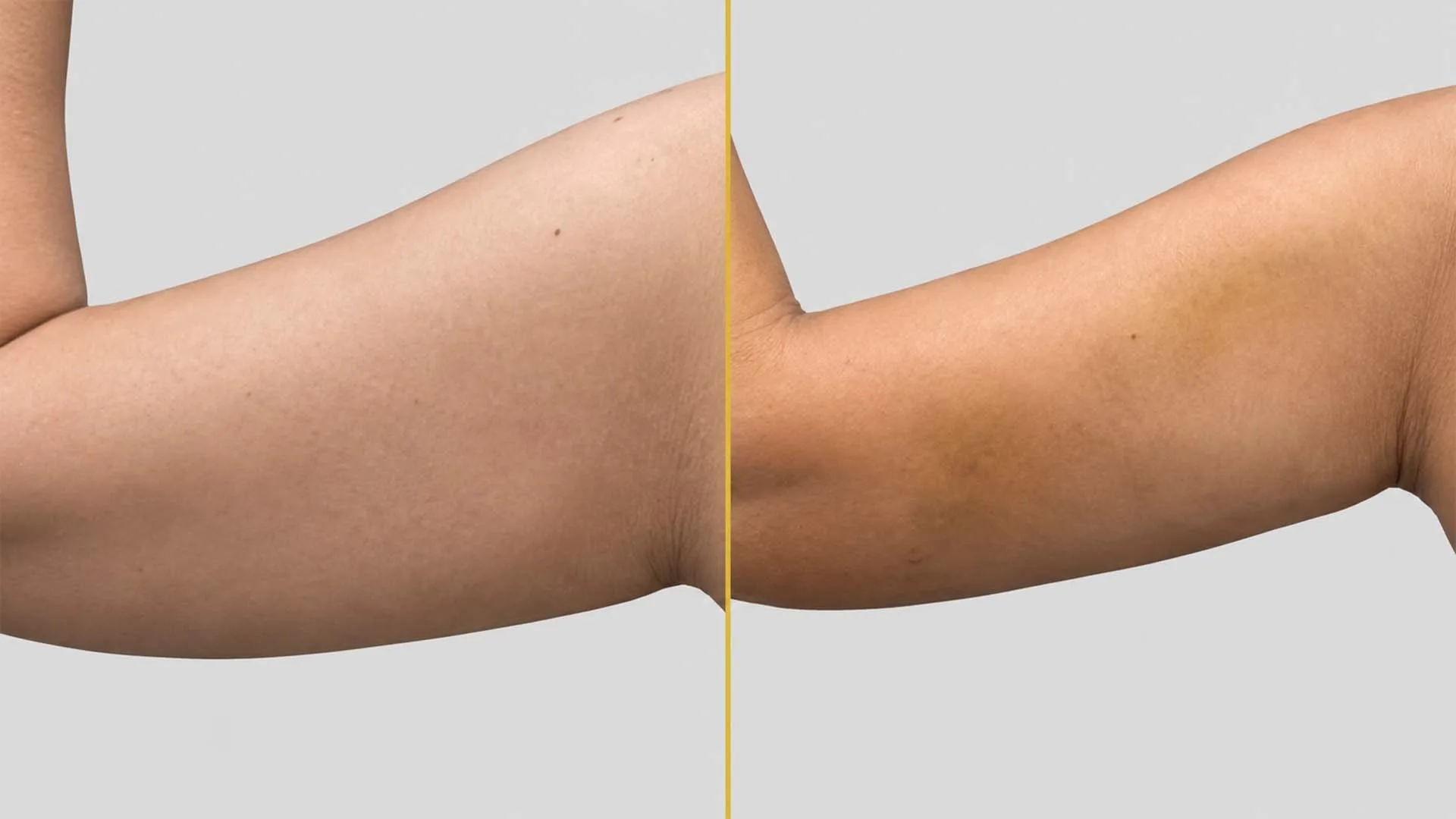
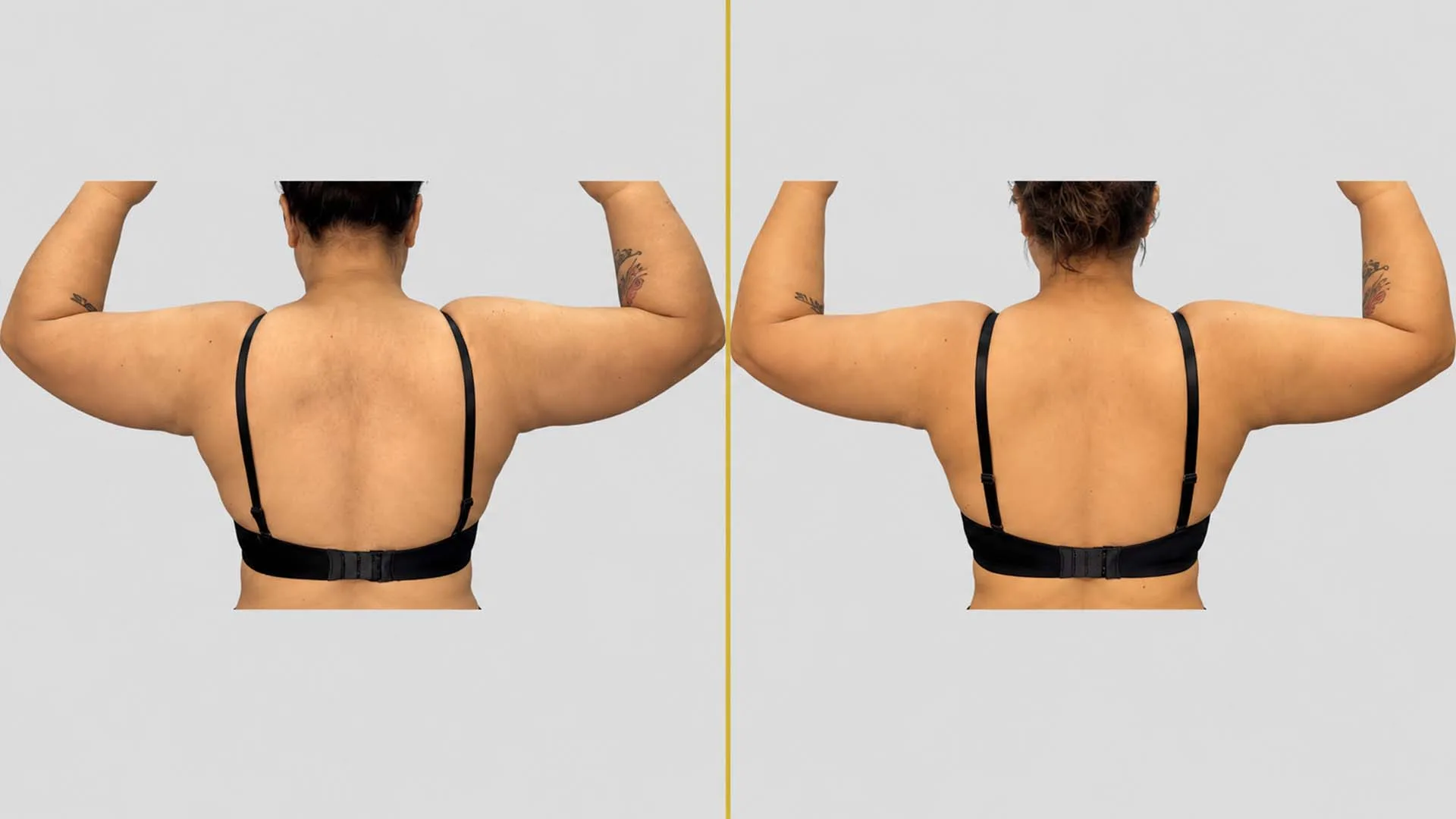
Before & After Transformations
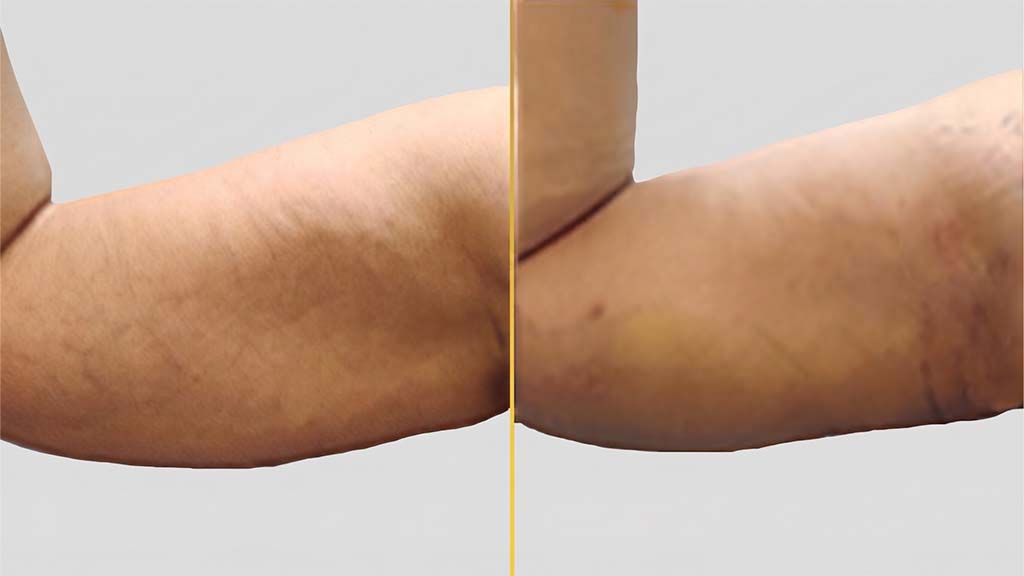
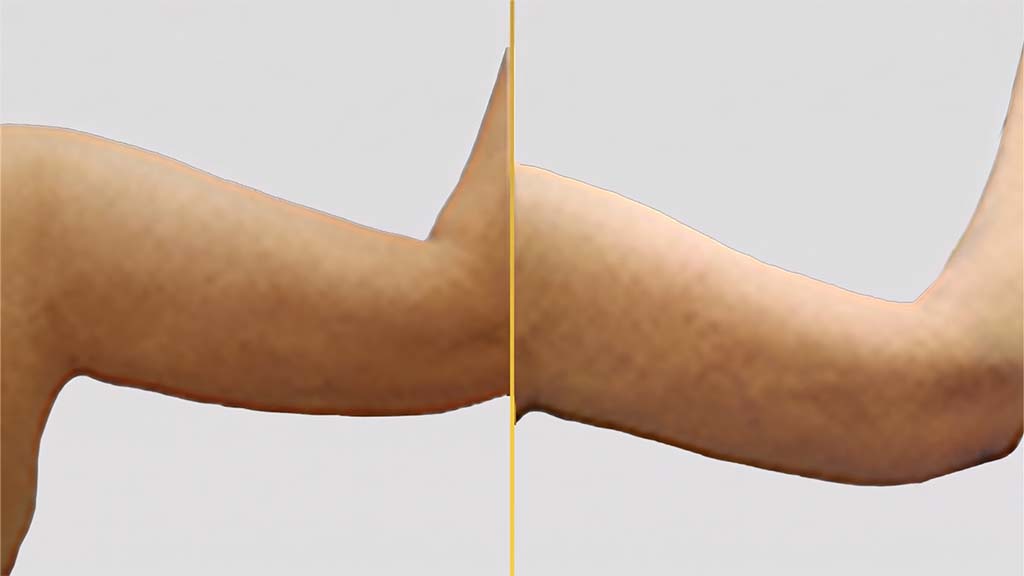
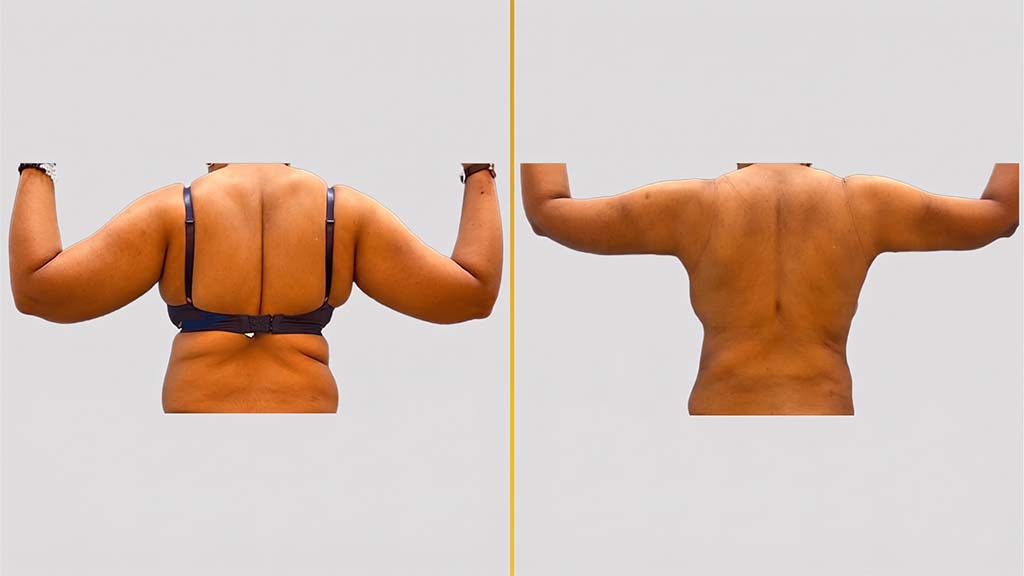
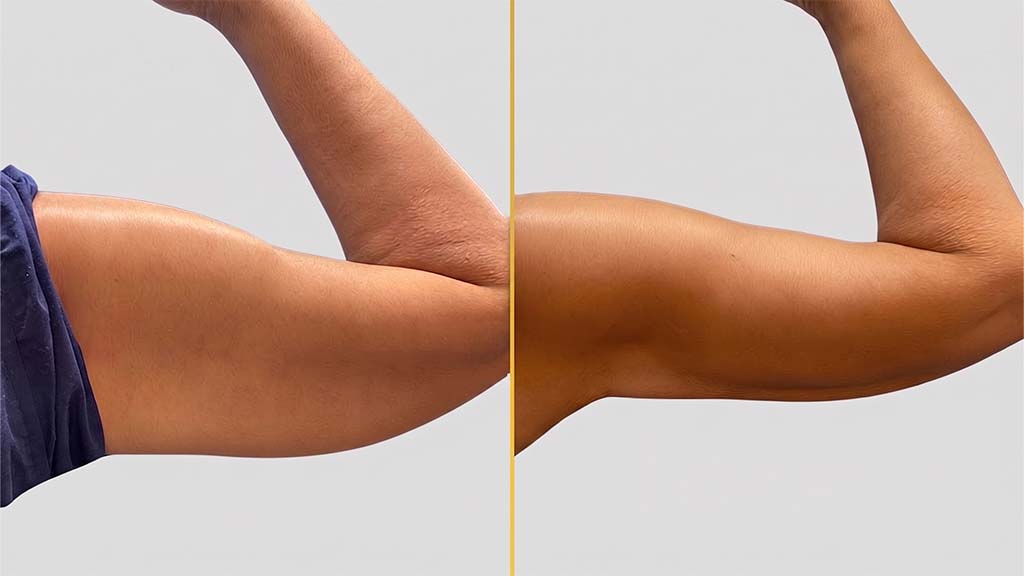
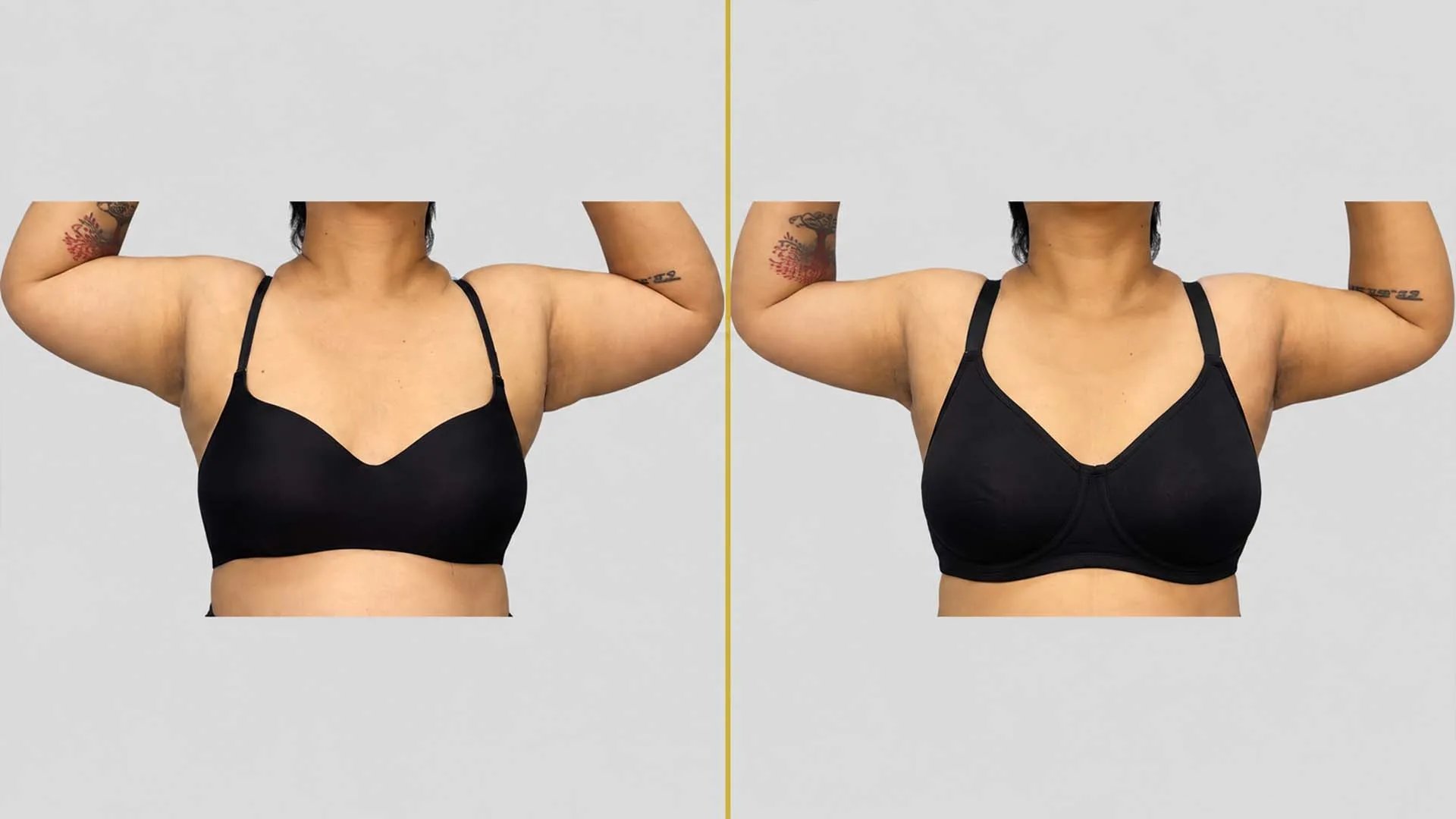
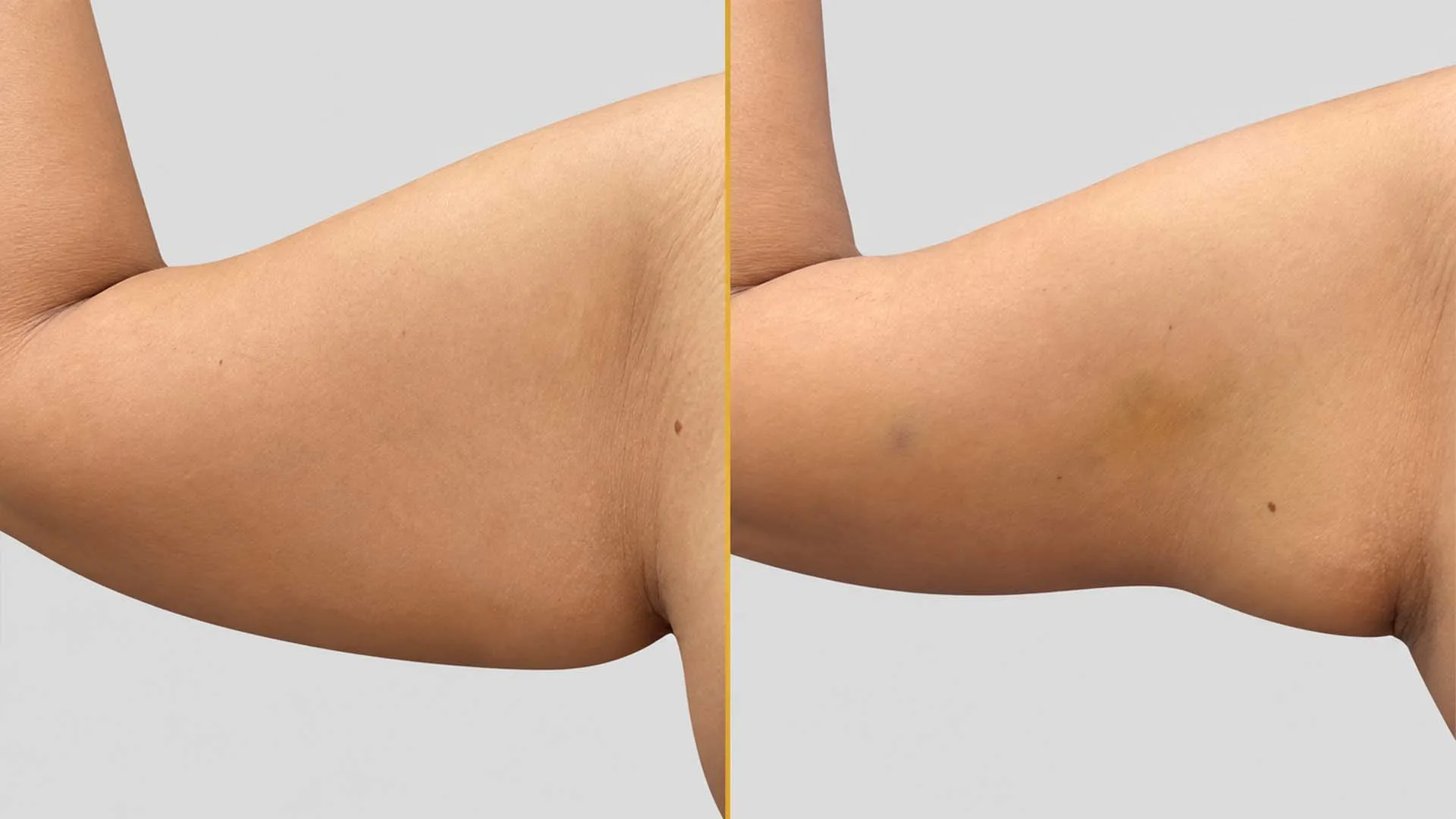
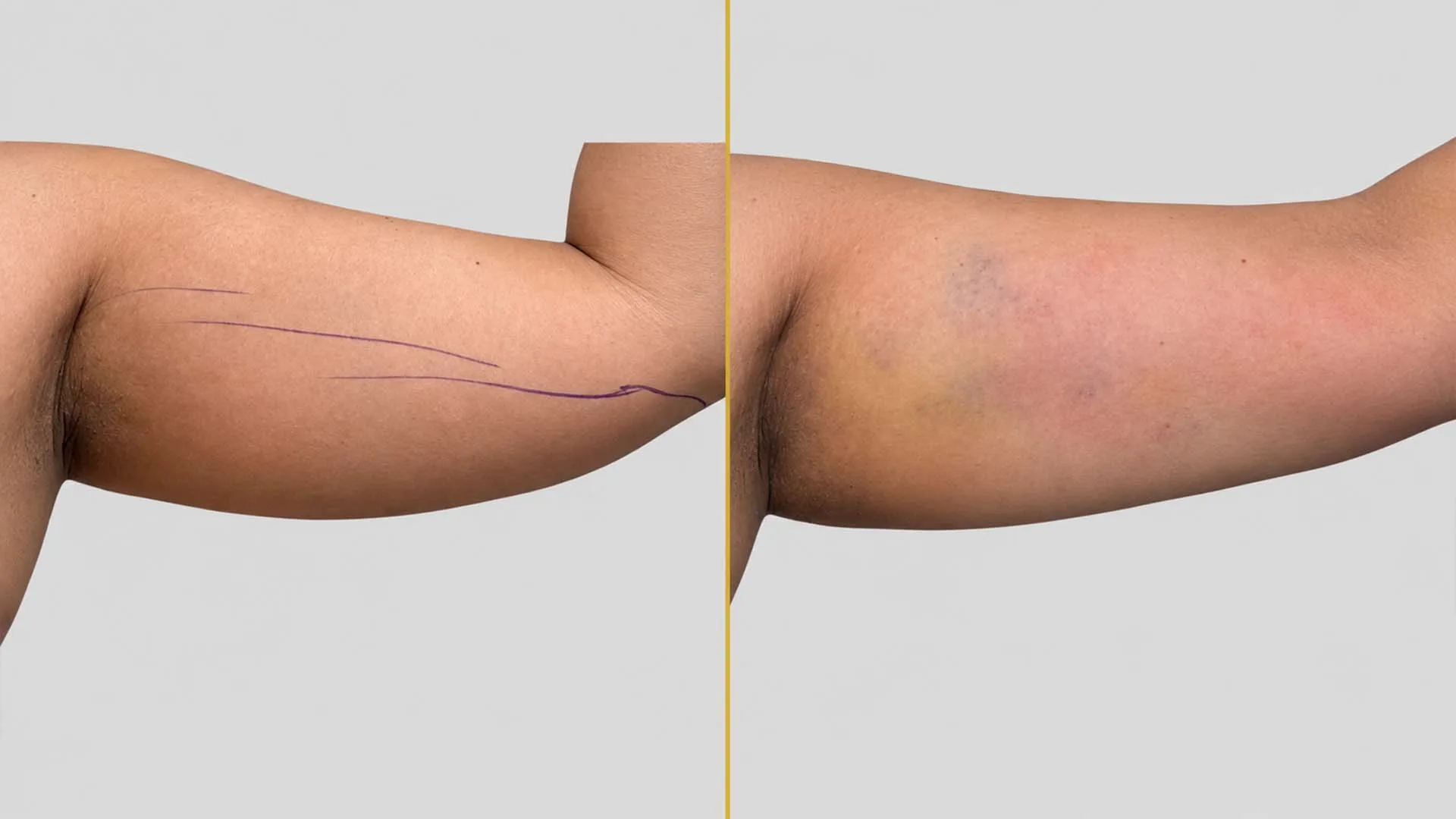
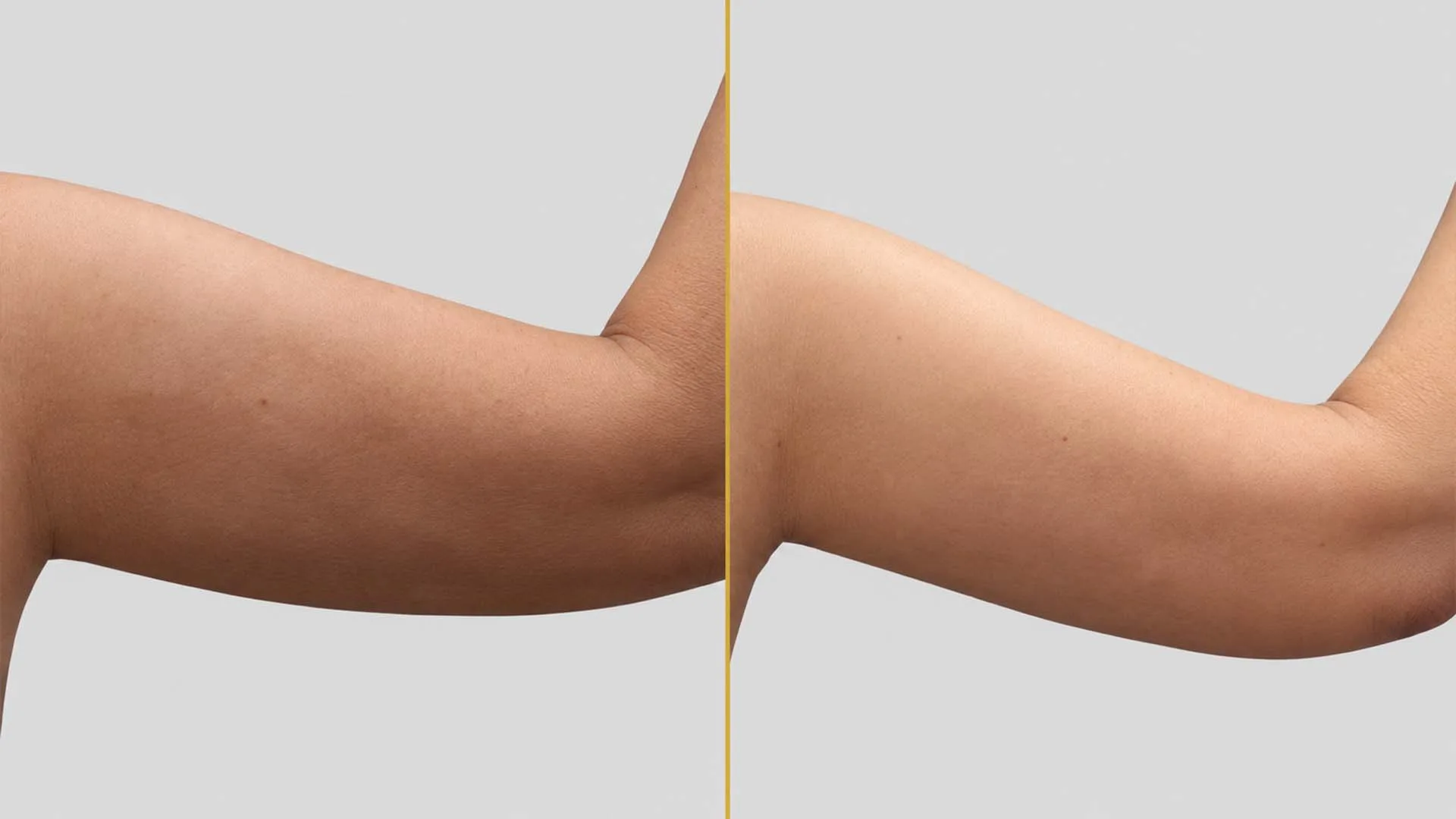
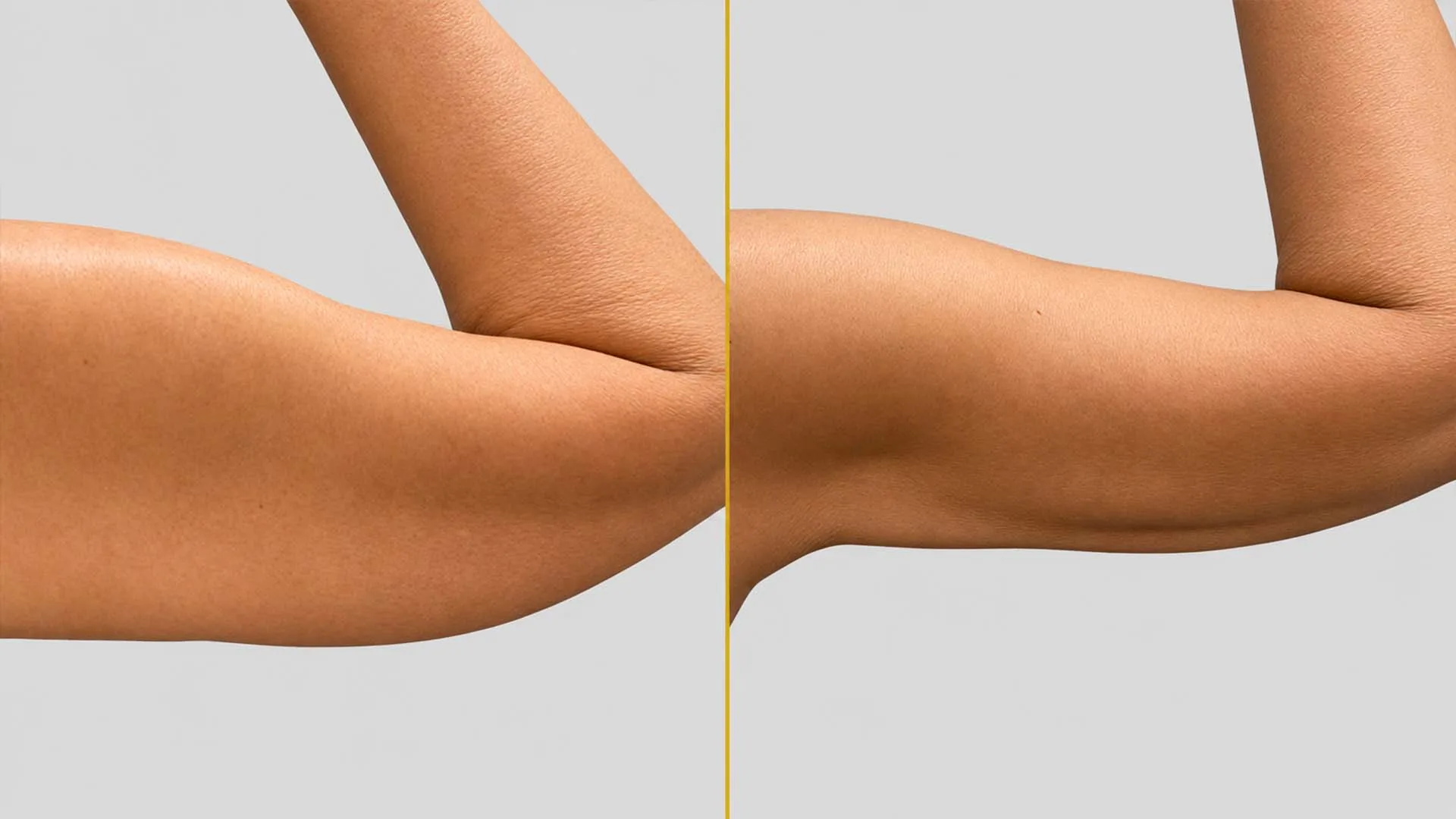
Frequently Asked Questions
Everything you need to know about Arm Contouring (Brachioplasty). Still curious? Our team is one message away.
How long do arm contouring results last?
The improvements achieved through arm contouring are generally long-lasting. Maintaining a stable weight and healthy lifestyle helps preserve results, while natural ageing may continue to influence skin quality over time.
Will my arms still look natural?
That is always the objective. Every treatment plan focuses on restoring proportion and smooth upper-body transitions rather than creating an over-corrected appearance.
Will there be visible scars?
Every surgical procedure leaves scars. Incisions are carefully planned to achieve effective contour improvement while respecting natural anatomical lines and clothing preferences whenever clinically appropriate. Scar appearance continues improving as healing progresses.
Can arm contouring be combined with liposuction?
Yes. Depending on your anatomy and treatment goals, arm contouring may be combined with liposuction or complementary body contouring procedures to achieve more balanced upper-body proportions.
Is arm contouring only for patients after major weight loss?
No. While many post-weight-loss patients benefit from arm contouring, others seek treatment because of age-related skin laxity, genetics, or localized fat deposits that have not responded to healthy lifestyle changes.
Who is a suitable candidate for arm contouring?
Arm contouring may be appropriate for individuals with excess skin, localized fat deposits, reduced skin elasticity, or upper-arm contour changes following significant weight loss, ageing, or pregnancy. Suitability is determined through a comprehensive clinical assessment.
Begin Your Arm Contouring (Brachioplasty) Journey
Book a consultation today and let our specialists craft a plan built entirely around you.