
Lip Augmentation/Reduction In Mumbai
Enhance or reduce lip volume to achieve balanced facial proportions.
Introduction
Lip shape is influenced by volume, width, projection, symmetry, and the relationship between the upper and lower lip. When the lips appear naturally thin, uneven, excessively prominent, or disproportionate to the rest of the face, lip reshaping may be considered.
Lip augmentation is designed to enhance volume or definition and is commonly performed using injectable fillers such as hyaluronic acid. Surgical approaches may also be considered in selected cases depending on the desired degree and permanence of enhancement.
In contrast, lip reduction aims to decrease excessive lip volume by carefully removing a controlled amount of tissue and reshaping the lip while preserving its natural contour.
Because even small changes can noticeably affect facial expression, Dr. Umang Kothari considers lip proportions in relation to the nose, chin, smile, and overall facial structure before planning treatment. He is the Founder of Hair & Shape Clinic in Mumbai and specialises in facial aesthetics alongside plastic and reconstructive surgery.
The choice between augmentation, reduction, or no intervention at all depends on existing anatomy, symmetry, desired change, and realistic expectations.
The objective is to create better-proportioned and naturally balanced lips without making them appear unnecessarily overfilled or surgically altered.
What Is Lip Reduction Surgery?
Lip reduction surgery is a cosmetic procedure that decreases the size and volume of the upper lip, lower lip, or both by removing excess soft tissue from the inner surface of the lips.
The procedure may improve:
Naturally large lips.
Disproportionately prominent upper or lower lips.
Lip asymmetry.
Enlarged lips following cosmetic fillers.
Congenital lip enlargement.
Lip enlargement caused by certain medical conditions.
Facial imbalance related to lip size.
Unlike injectable treatments, which temporarily increase lip volume, lip reduction surgery permanently reshapes the lips by reducing excess tissue while preserving their natural movement and function.
The goal is to create lips that appear balanced, symmetrical, and proportionate to the rest of the face.
Why Do Some People Have Enlarged Lips?
Lip size varies considerably between individuals due to a combination of genetic, anatomical, and acquired factors.
Genetics
Many people naturally inherit fuller lips as part of their facial anatomy.
For some individuals, the lip size may be disproportionate to the surrounding facial structures.
Ethnic Variation
Natural lip size differs among various populations and should always be evaluated within the context of each individual's unique facial features.
The objective of surgery is facial harmony rather than conformity to a single aesthetic standard.
Previous Cosmetic Fillers
Repeated or excessive lip filler treatments may lead to persistent enlargement or altered lip proportions.
In selected cases, surgical reduction may help restore a more balanced appearance.
Congenital Conditions
Certain developmental conditions may result in enlarged lips from birth.
Medical Conditions
Some inflammatory or connective tissue disorders can contribute to lip enlargement, although underlying medical causes should always be evaluated before considering cosmetic surgery.
Understanding the underlying cause helps determine whether lip reduction surgery is the most appropriate treatment.
Understanding Lip Anatomy
Successful lip reduction surgery requires a detailed understanding of the complex anatomy of the lips.
Several anatomical structures influence lip shape, movement, and function.
Vermilion
The vermilion is the pink visible portion of the lips that contributes to their characteristic appearance.
Oral Mucosa
The inner lining of the lips is composed of soft mucosal tissue where most surgical incisions are placed, allowing scars to remain hidden inside the mouth.
Orbicularis Oris Muscle
This circular muscle surrounds the mouth and controls speaking, smiling, kissing, eating, and facial expressions.
Modern lip reduction surgery preserves this muscle to maintain normal function.
Blood Supply
The lips receive a rich blood supply that supports rapid healing following surgery.
Sensory Nerves
Numerous small nerves provide sensation to the lips.
Careful surgical technique helps preserve normal lip sensation.
Understanding these structures allows tissue to be reduced safely while maintaining natural lip movement and function.
How Does Lip Reduction Surgery Improve Facial Appearance?
Lip reduction surgery improves facial balance by reducing excessive lip volume while preserving natural contours.
The procedure may provide several aesthetic improvements.
Better Facial Proportion
The lips become more balanced with the nose, chin, cheeks, and jawline.
Improved Lip Symmetry
Differences in size between the upper and lower lips or between the left and right sides may be improved.
Refined Facial Profile
Reducing excessive lip projection often creates a more harmonious side profile.
More Defined Lip Shape
Careful contouring preserves the natural lip border while reducing unnecessary fullness.
Natural Facial Expressions
The procedure is designed to maintain normal smiling, speaking, and facial movement.
The objective is not to create noticeably smaller lips but to restore balanced facial proportions that appear naturally attractive.
Who Is a Good Candidate for Lip Reduction Surgery?
Lip reduction surgery may be appropriate for individuals who feel their lips are disproportionately large or interfere with facial harmony.
You may be a suitable candidate if you:
Have naturally large lips.
Feel your lips appear disproportionate to your facial features.
Have enlarged lips following previous filler treatments.
Experience lip asymmetry.
Are bothered by excessive lip projection.
Are in good general health.
Do not smoke or are willing to stop during recovery.
Have realistic expectations regarding surgical outcomes.
A comprehensive consultation helps determine whether surgical lip reduction or another treatment option is most appropriate for your concerns.
What Concerns Can Lip Reduction Surgery Address?
Lip reduction surgery may improve several cosmetic concerns affecting the lips.
Excessively Large Upper Lip
Reduces excessive fullness while preserving natural shape.
Enlarged Lower Lip
Improves lower lip prominence and facial balance.
Overall Lip Enlargement
Reduces both lips while maintaining proportionality.
Lip Asymmetry
Improves differences in lip volume between the two sides.
Excessive Lip Projection
Creates a more balanced facial profile.
Previous Filler-Related Enlargement
May help restore natural lip proportions after persistent enlargement from cosmetic fillers.
Personalized Lip Reduction Planning
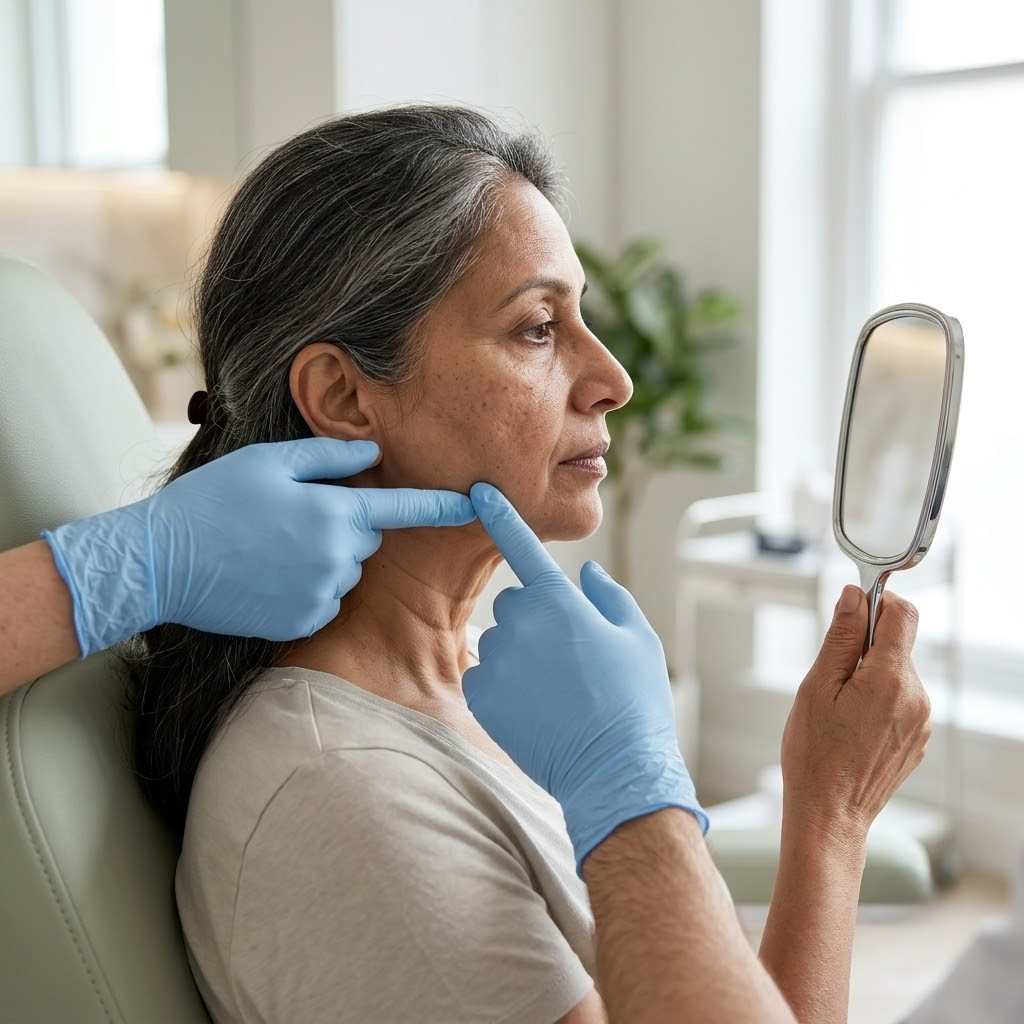
No two lips are identical, and successful lip reduction surgery requires more than simply removing tissue. Lip proportions must be evaluated in relation to the nose, chin, jawline, teeth, smile, facial profile, and overall facial harmony. Factors such as lip thickness, symmetry, skin quality, previous cosmetic treatments, and individual aesthetic preferences all influence the surgical plan.
At Hair & Shape Clinic, every patient undergoes a comprehensive facial assessment before surgery is recommended. The amount of tissue to be reduced is carefully calculated to preserve natural lip contours, maintain normal speech and oral function, and achieve balanced, proportionate results. The emphasis is always on subtle refinement that complements your unique facial features rather than creating an artificial or overcorrected appearance.
What Happens During Lip Reduction Surgery?
Lip reduction surgery is performed in an accredited operating facility or a fully equipped surgical clinic under sterile conditions. Depending on whether one or both lips are being treated, the procedure typically takes between 30 minutes and 90 minutes.
The surgical plan is individualized according to the patient's lip anatomy, facial proportions, degree of lip enlargement, and aesthetic goals.
A typical lip reduction procedure includes the following stages.
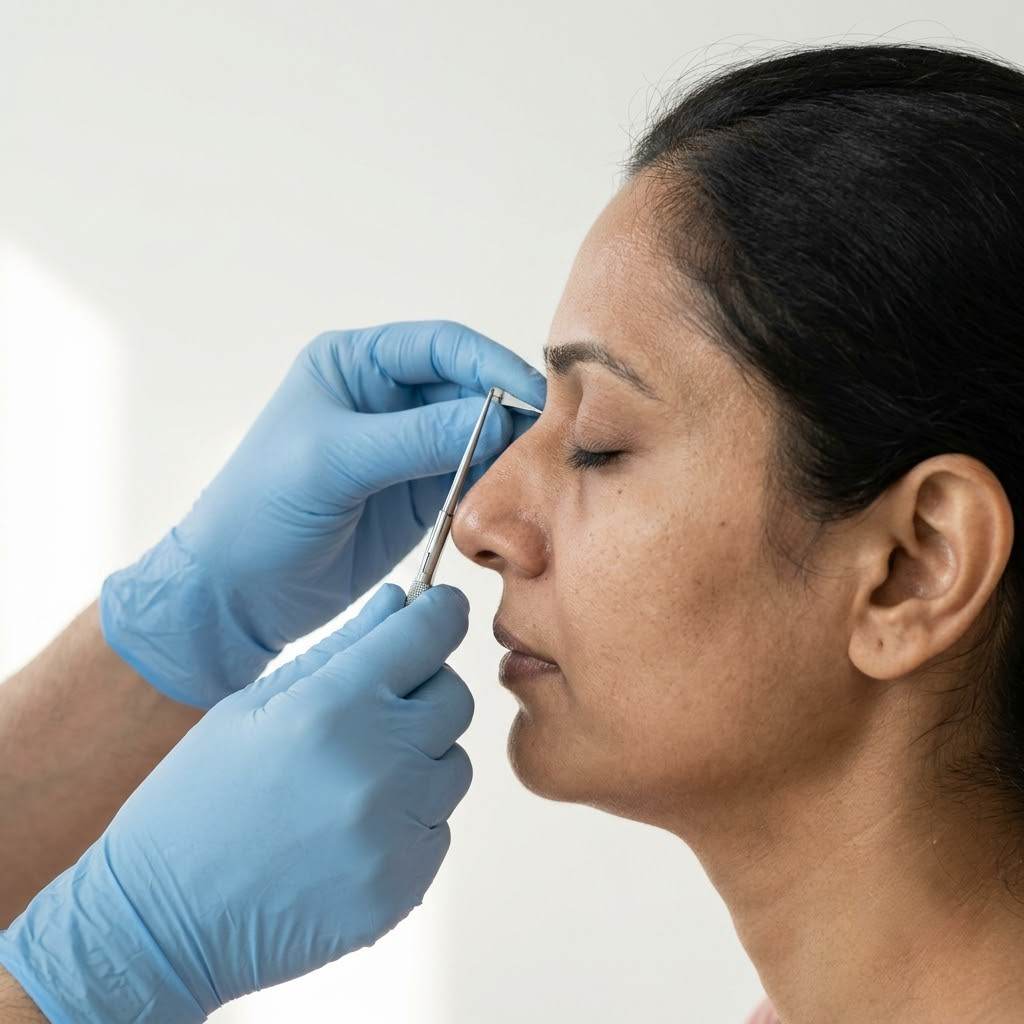
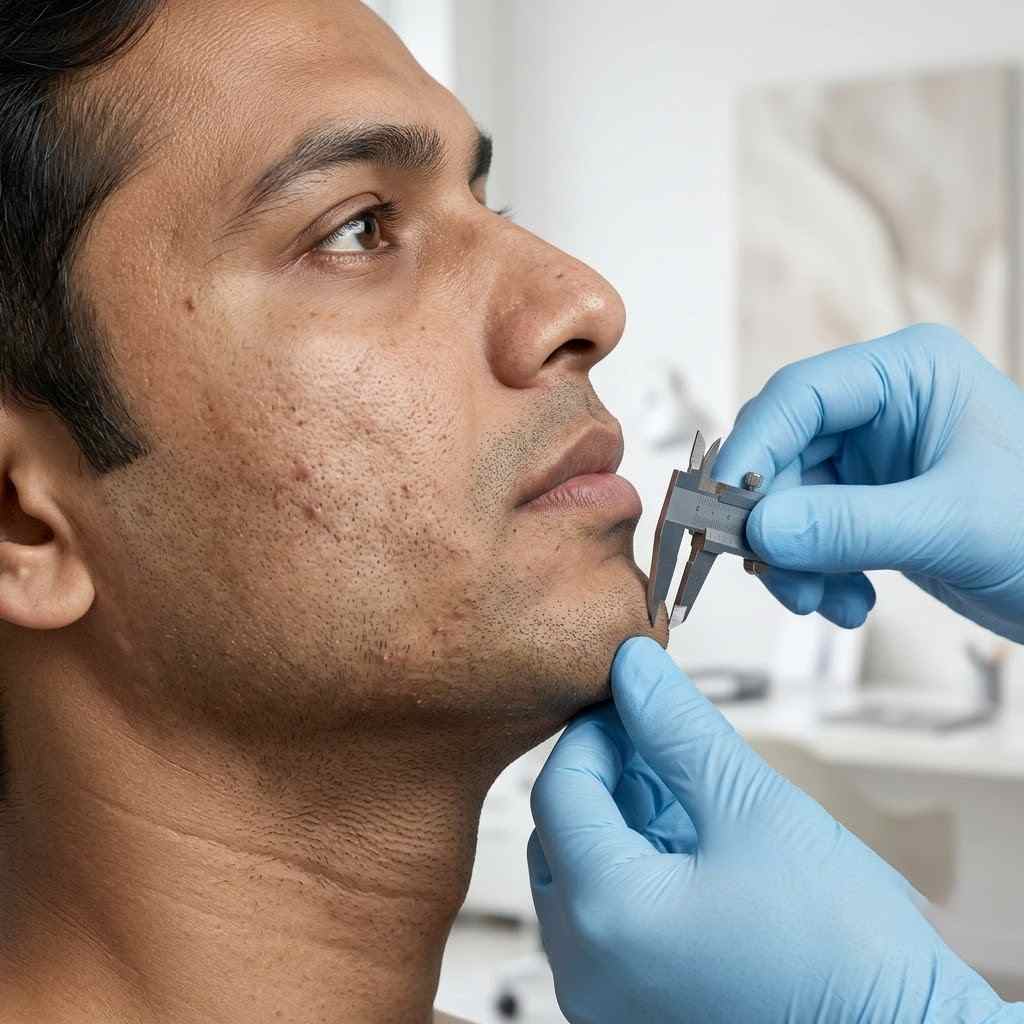
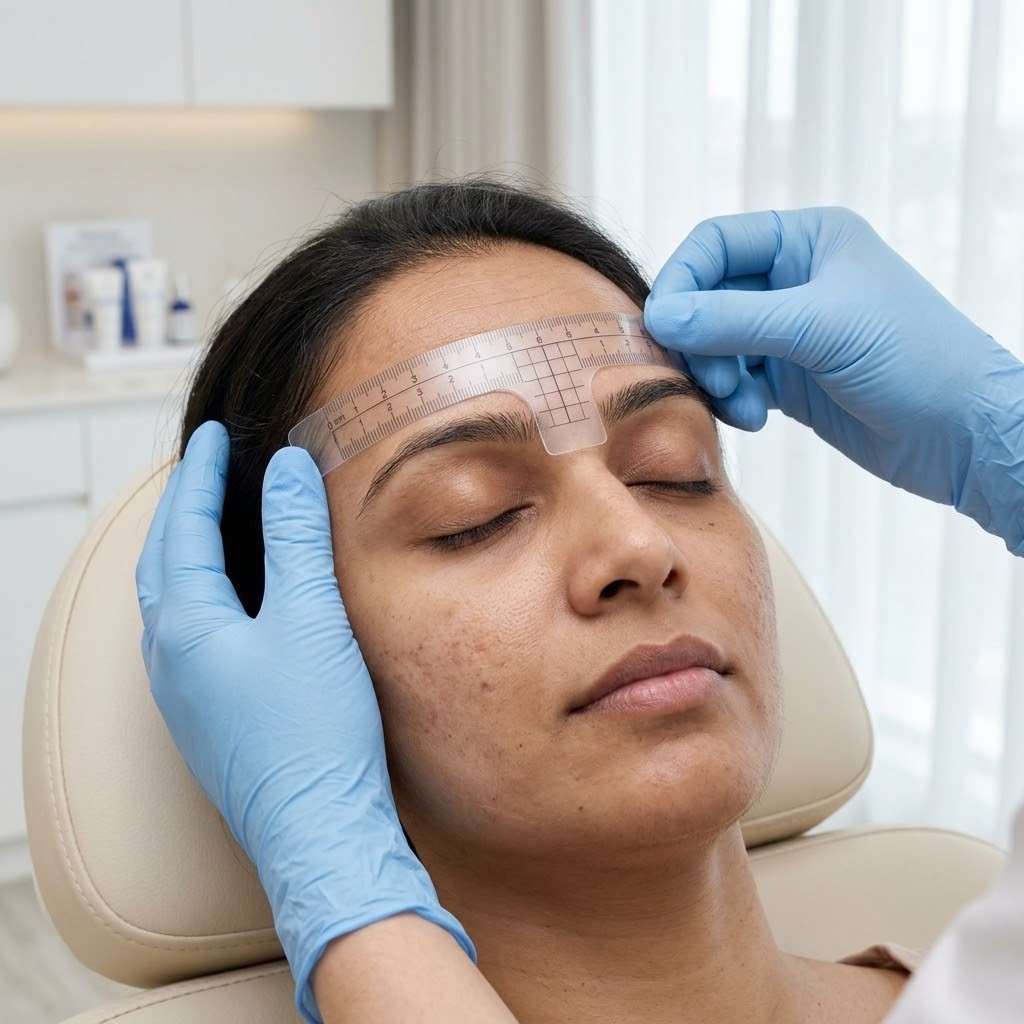
Step 1: Preoperative Planning
Before surgery begins, your surgeon carefully reviews the personalized treatment plan developed during consultation.
This includes:
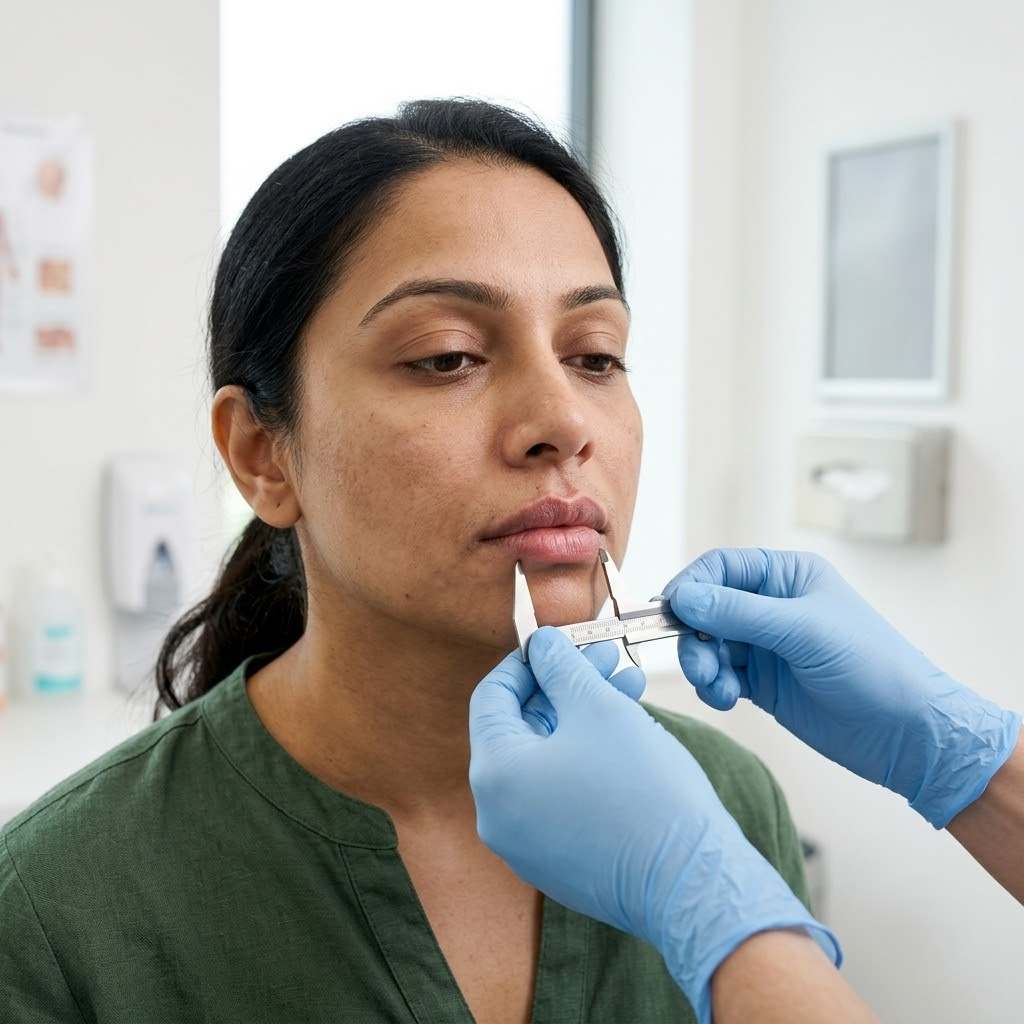
Lip measurements.
Facial proportion analysis.
Upper and lower lip symmetry assessment.
Smile evaluation.
Tissue thickness assessment.
Surgical markings.
Review of aesthetic goals.
The objective is to achieve naturally proportioned lips that complement the surrounding facial features.
Step 2: Anaesthesia
Lip reduction surgery is commonly performed under local anaesthesia with or without mild sedation.
For patients undergoing multiple facial procedures simultaneously, general anaesthesia may also be considered.
Throughout the procedure, patient comfort and safety are carefully monitored.
Step 3: Hidden Internal Incisions
Small incisions are made along the inner surface of the lips where they remain concealed inside the mouth after healing.
Because the incisions are placed within the oral mucosa, visible external scars are typically avoided.
Step 4: Removal of Excess Tissue
A carefully measured amount of excess mucosal tissue and underlying soft tissue is removed.
The amount of tissue excised is determined according to the desired reduction while preserving natural lip contour and function.
Special care is taken to avoid overcorrection, which could affect facial balance or lip movement.
Step 5: Lip Contouring
The remaining tissues are reshaped to create smooth, symmetrical, and natural lip contours.
The goal is to maintain harmonious proportions between the upper and lower lips while preserving the natural curvature of the vermilion border.
Step 6: Closure
The internal incisions are closed using fine absorbable sutures that gradually dissolve during healing.
Because the stitches are placed inside the mouth, they generally do not require removal.
Types of Lip Reduction Surgery
The surgical technique depends on which portion of the lips requires correction.
Upper Lip Reduction
This procedure reduces excessive fullness of the upper lip while maintaining a balanced Cupid's bow and natural contour.
Lower Lip Reduction
Lower lip reduction decreases excessive prominence of the lower lip and improves facial profile balance.
Combined Upper and Lower Lip Reduction
Both lips are reduced simultaneously to achieve overall facial harmony when generalized lip enlargement is present.
Asymmetrical Lip Reduction
When one side of the lip is larger than the other, tissue removal can be customized to improve symmetry while preserving natural movement.
Revision Lip Reduction
Patients who remain dissatisfied after previous cosmetic procedures or persistent enlargement following filler treatments may benefit from carefully planned revision surgery in selected cases.
What Results Can You Expect After Lip Reduction Surgery?
Lip reduction surgery produces immediate structural changes, although the final appearance gradually develops as swelling resolves.
Patients commonly notice:
Better Facial Balance
The lips appear more proportionate to the nose, chin, cheeks, and jawline.
Improved Lip Symmetry
Differences in lip volume may become less noticeable.
Reduced Lip Projection
The lips no longer protrude excessively from the facial profile.
More Refined Lip Contours
The natural shape of the lips is preserved while unnecessary fullness is reduced.
Natural Facial Expressions
Patients continue to smile, speak, eat, and express emotions normally after healing.
As postoperative swelling gradually subsides, the lips settle into their final contour, producing subtle and harmonious facial enhancement.
What Is Recovery Like After Lip Reduction Surgery?
Healing generally progresses quickly because the lips have an excellent blood supply.
Recovery varies slightly depending on the extent of tissue reduction.
Immediately After Surgery
You may experience:
Swelling.
Mild bruising.
Temporary tightness.
Mild discomfort.
Temporary difficulty with wide mouth opening.
These symptoms are expected and improve over time.
First Week
Swelling is usually most noticeable during the first few days.
A soft diet is often recommended while the lips begin healing.
Good oral hygiene is important to reduce the risk of infection.
Two to Four Weeks
Most swelling gradually resolves.
Patients usually return to normal work, social activities, and daily routines.
Lip contours continue becoming more refined.
Several Months
Residual swelling disappears.
The tissues soften naturally.
The final lip shape becomes increasingly evident.
Long-Term Healing
Once healing is complete, patients typically enjoy permanently improved lip proportions with normal sensation, mobility, and oral function.
Are There Any Risks or Limitations?
Lip reduction surgery is generally considered safe when performed by an experienced plastic surgeon, but every surgical procedure carries potential risks.
Possible complications include:
Bleeding.
Infection.
Swelling.
Bruising.
Temporary numbness.
Delayed wound healing.
Minor asymmetry.
Scar tissue formation inside the lip.
Temporary tightness.
Need for revision surgery.
It is also important to understand the limitations of surgery.
Lip reduction improves proportion and symmetry but does not fundamentally change overall facial anatomy.
Conservative tissue removal generally produces the most natural and aesthetically pleasing long-term outcomes.
How Much Does Lip Reduction Surgery Cost in Mumbai?
The cost of lip reduction surgery varies according to the extent of correction, whether one or both lips require treatment, and the complexity of the surgical plan.
Factors influencing treatment cost include:
Upper lip or lower lip surgery.
Combined lip reduction.
Revision procedures.
Anaesthesia.
Surgical facility charges.
Postoperative care.
Following a detailed consultation, your surgeon will provide a personalized treatment plan outlining the recommended procedure, expected recovery, anticipated results, and associated costs.
Why Choose Hair & Shape for Lip Reduction Surgery?
Successful lip reduction surgery requires a precise understanding of facial proportions, lip anatomy, and aesthetic balance. Reducing lip size is not simply about removing tissue. Every adjustment must preserve natural contours, maintain oral function, and complement the surrounding facial features to achieve harmonious results.
At Hair & Shape Clinic, every patient undergoes a comprehensive facial assessment before surgery is recommended. Lip volume, symmetry, projection, facial profile, smile dynamics, and overall facial proportions are carefully evaluated to develop an individualized treatment plan. The focus is on creating refined, naturally proportioned lips that enhance facial harmony without appearing surgically altered.
Why Does Personalized Lip Reduction Planning Matter?
The ideal lip size varies from one individual to another, making personalized planning essential for successful outcomes.
Every Face Has Unique Proportions
Lip dimensions should always be evaluated in relation to the nose, chin, jawline, cheeks, and smile rather than in isolation.
Upper and Lower Lips Require Balance
Maintaining appropriate proportions between the upper and lower lips helps create natural facial aesthetics.
Conservative Tissue Removal Produces Better Results
Removing only the necessary amount of tissue preserves normal function and avoids an over-reduced appearance.
Symmetry Is Carefully Planned
Small differences between the two sides of the lips are assessed and corrected where appropriate while respecting natural facial variation.
Long-Term Facial Harmony Is the Goal
The objective is to achieve subtle refinement that complements your natural features and continues to appear balanced over time.
International Patients Seeking Lip Reduction Surgery in Mumbai
Hair & Shape Clinic welcomes patients from across India and internationally seeking advanced facial aesthetic procedures.
Our international patient pathway is designed to simplify consultation, travel planning, surgery, and postoperative care.
Before You Travel
Virtual consultations, facial photographs, medical history review, and discussion of your concerns help determine the most appropriate surgical plan before your visit.
During Your Stay
Your treatment includes consultation, personalized surgical planning, lip reduction surgery, postoperative monitoring, and comprehensive recovery guidance before returning home.
Returning Home
Follow-up consultations can often be coordinated remotely. Continued guidance regarding oral care, healing, activity restrictions, swelling management, and long-term recovery helps support the best possible outcome wherever you live.
What to Expect
Consultation
A detailed assessment of your goals, suitability, and a personalised plan.
Preparation
Clear pre-treatment guidance so you arrive fully prepared and at ease.
The Procedure
Your treatment, performed by our specialists with comfort and safety first.
Aftercare
Structured recovery support and follow-ups to protect your results.
Before & After Transformations
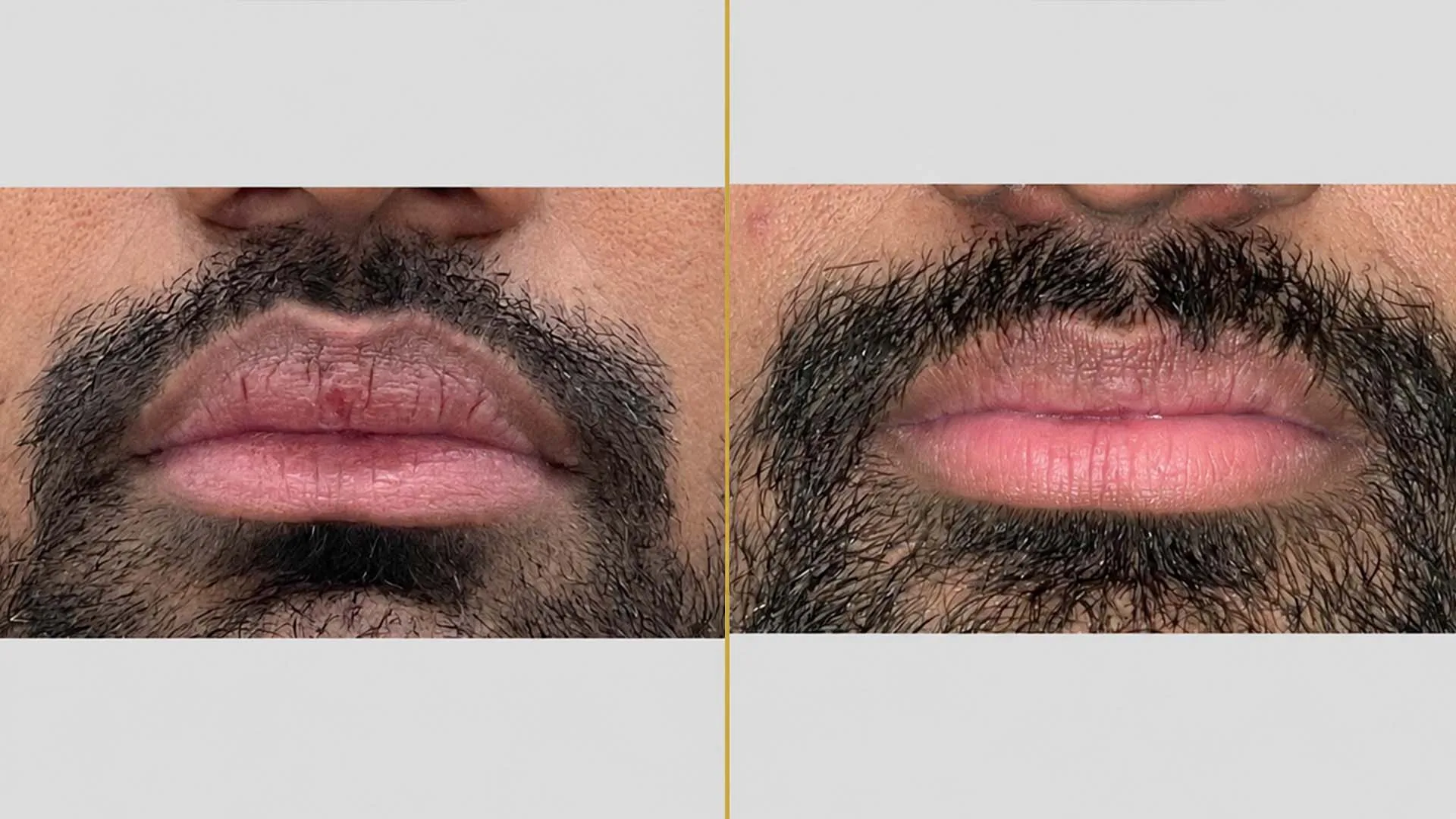
Frequently Asked Questions
Everything you need to know about Lip Augmentation/Reduction. Still curious? Our team is one message away.
How do I know if I need lip reduction instead of lip reshaping?
Lip reduction is recommended when excess volume creates facial imbalance. If the concern relates more to shape, definition, or asymmetry than size, another approach may be more appropriate. The recommendation depends on your anatomy rather than a single feature.
Is lip reduction permanent?
Yes. Once healing is complete, the reduction is considered long-lasting, with results designed to remain stable over time.
Will my smile change after lip reduction?
Your smile should remain natural. The goal is to improve proportion without affecting the way your lips move or express emotion.
Can lip asymmetry be corrected during the same procedure?
Yes. If one lip or one side is naturally fuller than the other, surgical planning can include symmetry correction where appropriate.
Will there be visible scars?
Incisions are typically placed along the inner aspect of the lips, making scars well concealed after healing.
How is the amount of lip tissue decided?
There is no standard measurement. The amount is determined after evaluating your facial proportions, lip symmetry, smile dynamics, and side profile.
Will my lips still look natural after surgery?
Yes. The objective isn't to create thin lips, it's to create lips that are proportionate to your facial features. Natural shape, movement, and expression remain central to surgical planning.
Begin Your Lip Augmentation/Reduction Journey
Book a consultation today and let our specialists craft a plan built entirely around you.