Acne Treatment In Mumbai
Customised protocols to clear active acne and prevent scarring.
Introduction
Acne is more than an occasional breakout—it develops when hair follicles become clogged with excess oil and dead skin cells, often accompanied by inflammation and bacteria. It can appear as blackheads, whiteheads, pimples, or deeper nodules and may also leave pigmentation or permanent scars.
Because acne has different causes and levels of severity, acne treatment is not a one-size-fits-all process. Mild cases may respond to topical treatments such as retinoids, benzoyl peroxide, salicylic acid, or azelaic acid, while moderate to severe acne may require oral medications or a combination approach.
At Hair & Shape Clinic in Mumbai, the treatment plan begins by understanding the type of acne, skin condition, previous treatments, pigmentation, and risk of scarring. Depending on these factors, medical therapy may also be supported with suitable aesthetic or skin procedures.
Rather than treating every breakout in isolation, Dr. Umang Kothari and the clinical team focus on a broader treatment strategy that considers active acne as well as concerns such as post-acne marks and skin texture.
The primary aim of acne management is to control existing breakouts, reduce new lesions, and minimise the likelihood of long-term marks or scars.
What Is Acne?
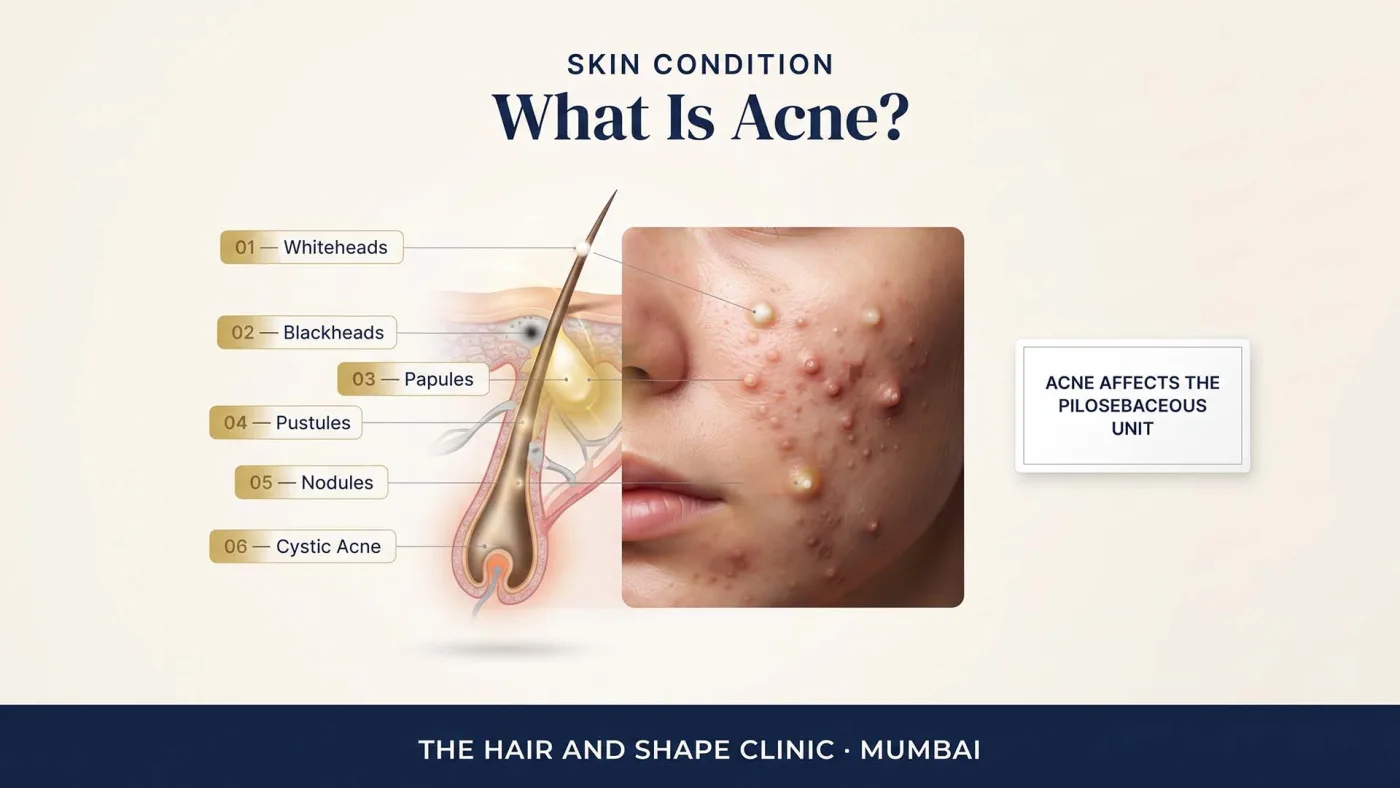
Acne is a chronic inflammatory skin condition that affects the pilosebaceous unit, which consists of the hair follicle and its associated sebaceous gland.
Acne develops when hair follicles become blocked by excess sebum, dead skin cells, and cellular debris. As these blocked follicles become inflamed, bacteria multiply within them, producing the visible lesions commonly recognized as acne.
Acne may appear in several forms, including:
Whiteheads (closed comedones).
Blackheads (open comedones).
Papules.
Pustules.
Nodules.
Cystic acne.
The condition most commonly affects the:
Face.
Chest.
Back.
Shoulders.
Neck.
The primary goals of acne treatment are to reduce inflammation, normalize skin function, prevent new breakouts, minimize scarring, and maintain long-term skin health.
Why Does Acne Develop?
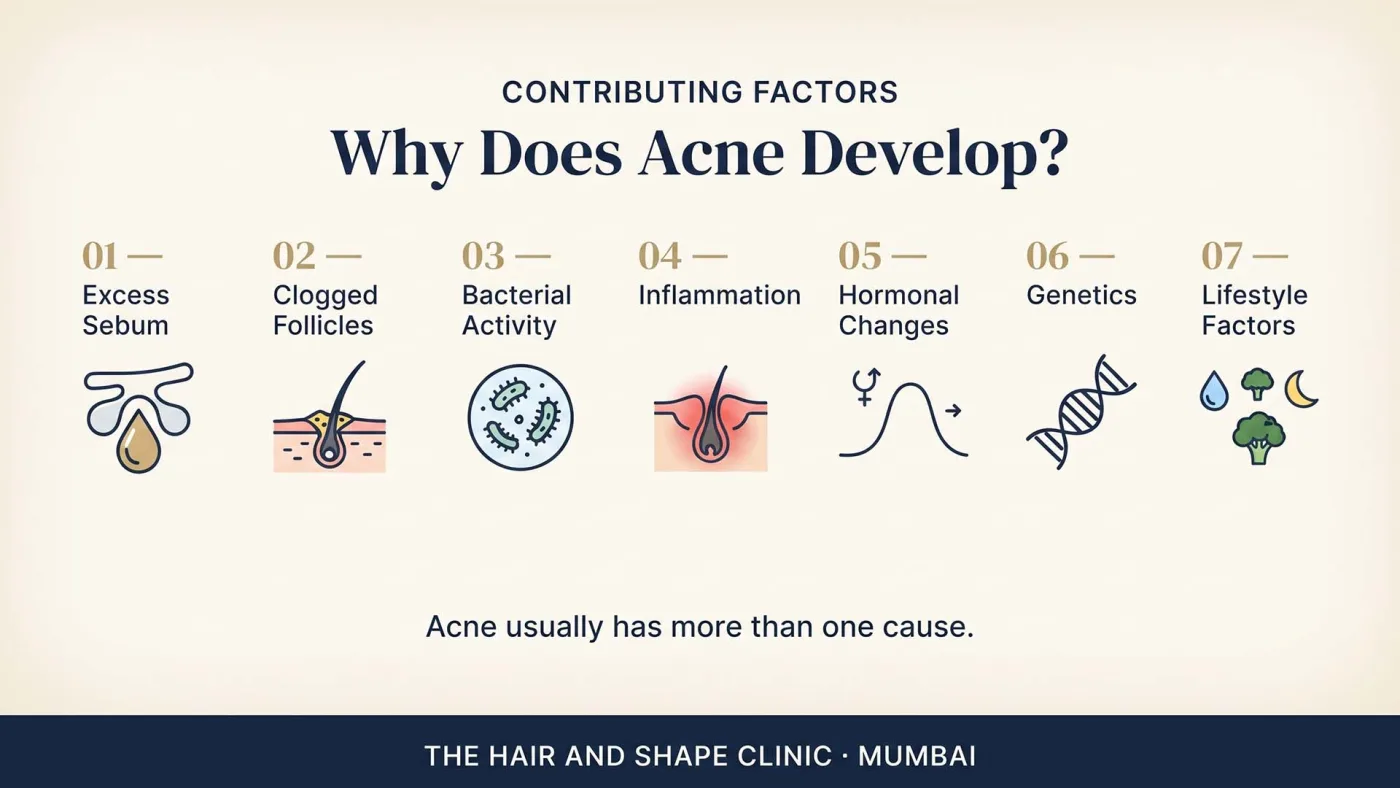
Acne develops through the interaction of several biological processes occurring simultaneously.
Excess Sebum Production
Sebaceous glands produce excessive oil, particularly under hormonal influence.
Excess sebum increases the likelihood of pore blockage.
Abnormal Cellular Turnover
Dead skin cells accumulate within hair follicles instead of shedding normally.
This contributes to clogged pores and comedone formation.
Bacterial Growth
Cutibacterium acnes naturally exists on healthy skin.
Within blocked follicles, the bacteria multiply rapidly, contributing to inflammation.
Inflammation
The body's immune response to blocked follicles and bacterial activity produces redness, swelling, tenderness, and pus formation.
Hormonal Changes
Hormonal fluctuations during puberty, menstruation, pregnancy, or conditions such as polycystic ovary syndrome (PCOS) often increase oil production.
Genetics
Family history influences both acne severity and the likelihood of developing acne scars.
Lifestyle Factors
Stress, inadequate skincare, occlusive cosmetics, certain medications, and dietary factors may worsen acne in susceptible individuals.
Understanding these biological mechanisms allows treatment to target the root causes rather than merely suppressing visible lesions.
Understanding Skin Anatomy
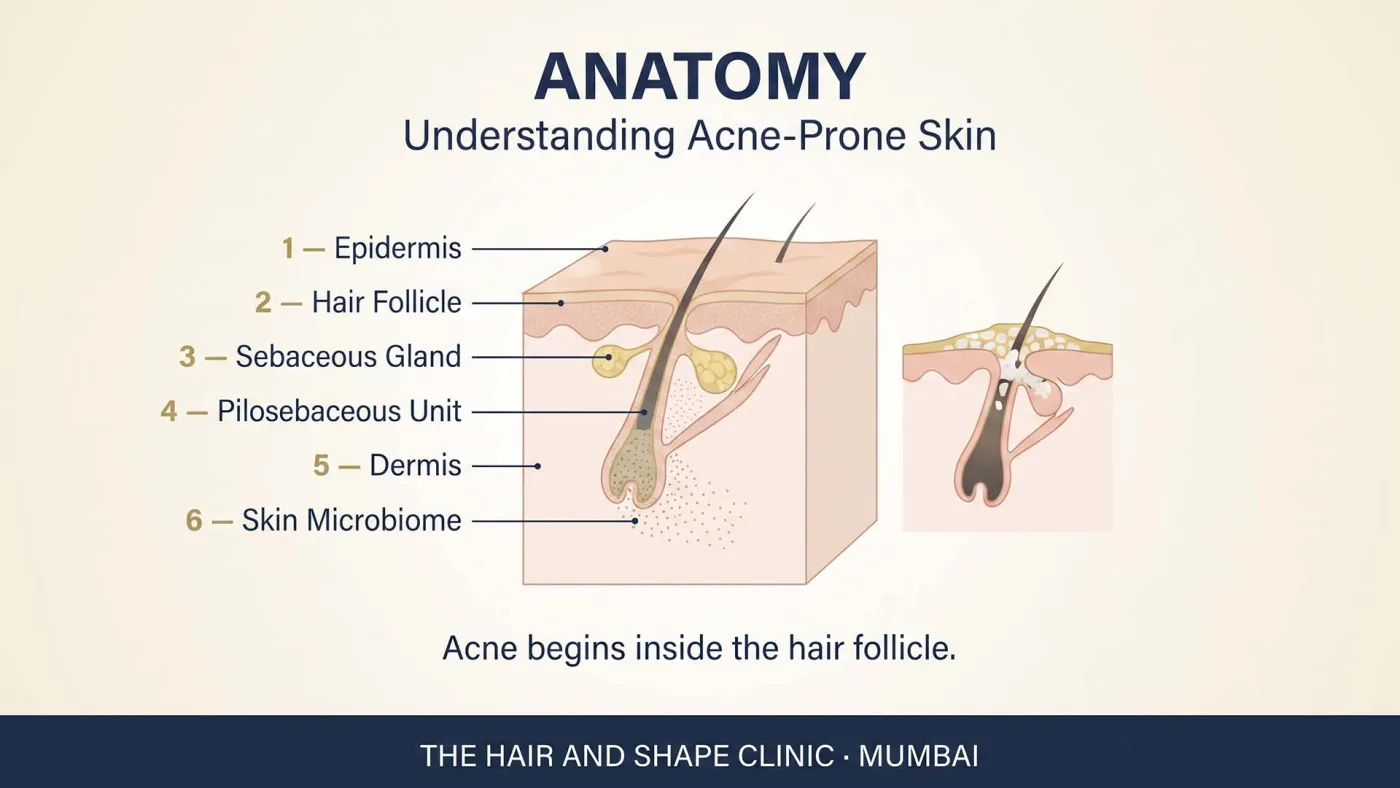
Acne primarily affects the pilosebaceous unit and surrounding skin structures.
Epidermis
The epidermis forms the skin's protective outer barrier.
Abnormal shedding of epidermal cells contributes to follicular blockage.
Hair Follicle
Each follicle provides a channel through which hair grows.
Blocked follicles become the starting point for acne development.
Sebaceous Gland
Sebaceous glands produce sebum to lubricate and protect the skin.
Overactivity is one of the primary contributors to acne.
Pilosebaceous Unit
The combination of the hair follicle and sebaceous gland is the primary site where acne develops.
Dermis
Inflammation extending into the dermis increases the risk of permanent acne scars.
Skin Microbiome
Healthy skin contains beneficial microorganisms that help maintain balance.
Changes in the skin microbiome may contribute to chronic acne inflammation.
Understanding these anatomical structures helps guide personalized acne treatment strategies.
How Does Acne Treatment Improve Skin Health?
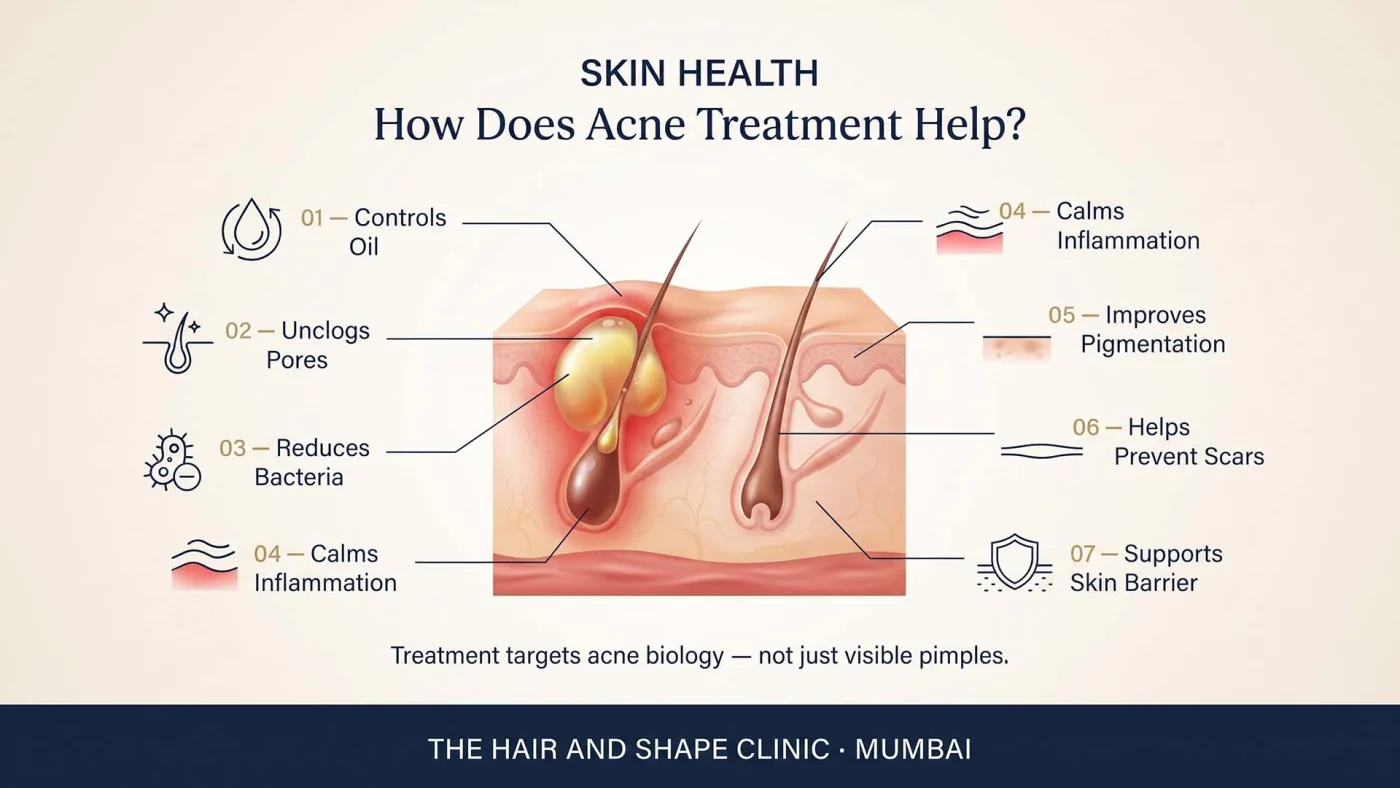
Modern acne treatment addresses multiple biological pathways simultaneously.
Benefits may include:
Reduction in Oil Production
Medical therapies help regulate excessive sebum secretion.
Prevention of Clogged Pores
Improved cellular turnover reduces follicular blockage.
Reduction in Bacterial Growth
Targeted treatments help control Cutibacterium acnes populations.
Control of Inflammation
Reducing inflammation minimizes redness, swelling, discomfort, and the risk of permanent scarring.
Improvement in Pigmentation
Treatment may gradually improve post-inflammatory hyperpigmentation left behind after acne lesions heal.
Scar Prevention
Early intervention reduces the likelihood of permanent acne scars.
Healthier Skin Barrier
Personalized skincare helps restore healthy barrier function while minimizing irritation from acne medications.
Rather than providing temporary cosmetic improvement, acne treatment aims to restore healthier skin biology and reduce future disease activity.
Who Is a Good Candidate for Acne Treatment?
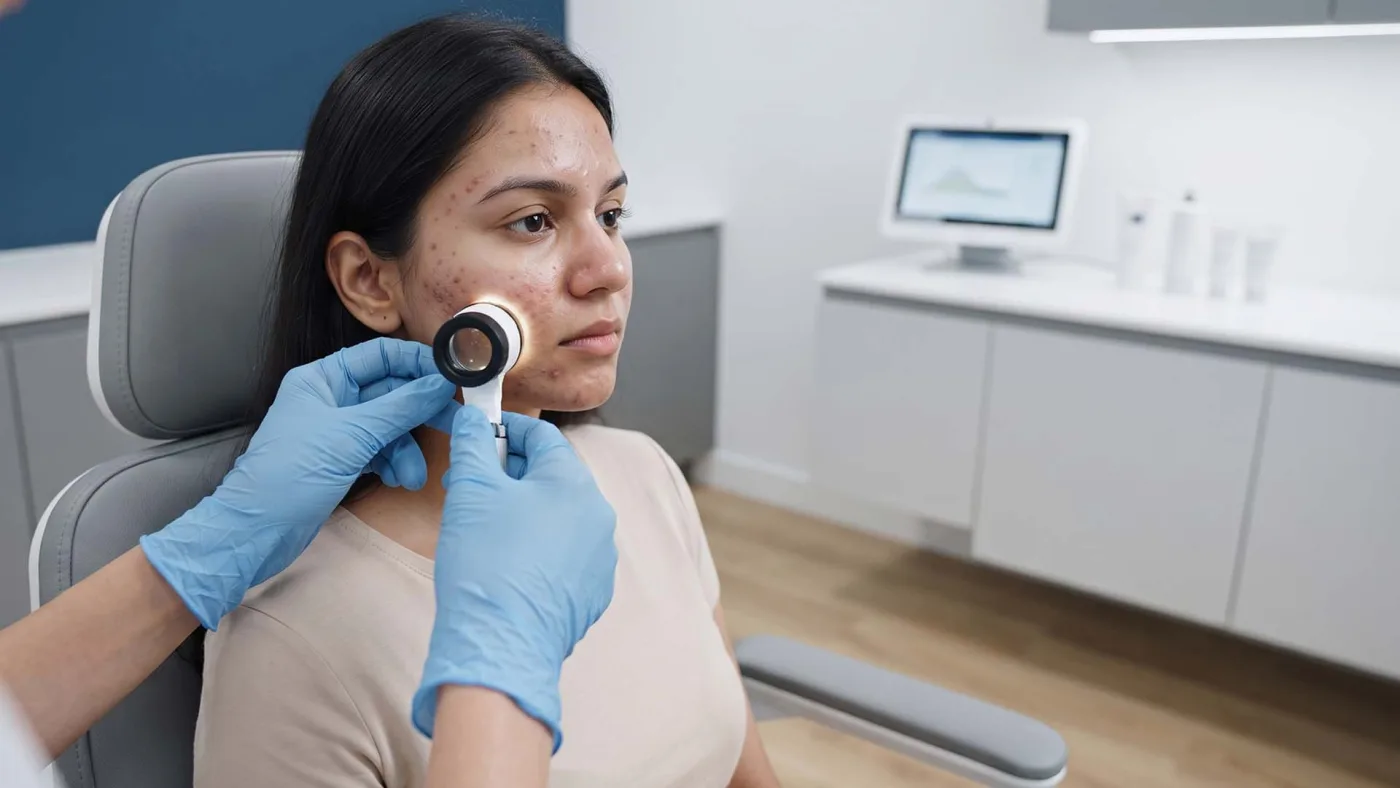
Acne treatment is suitable for adolescents and adults experiencing active acne or acne-related skin concerns.
You may be a suitable candidate if you:
Experience persistent acne breakouts.
Have blackheads or whiteheads.
Develop inflammatory acne lesions.
Have oily or acne-prone skin.
Notice acne pigmentation.
Are concerned about acne scarring.
Experience recurrent adult acne.
Want long-term acne prevention.
Individuals with severe cystic acne, hormonal acne, or treatment-resistant acne may require more comprehensive dermatological management.
What Acne Concerns Can Be Treated?
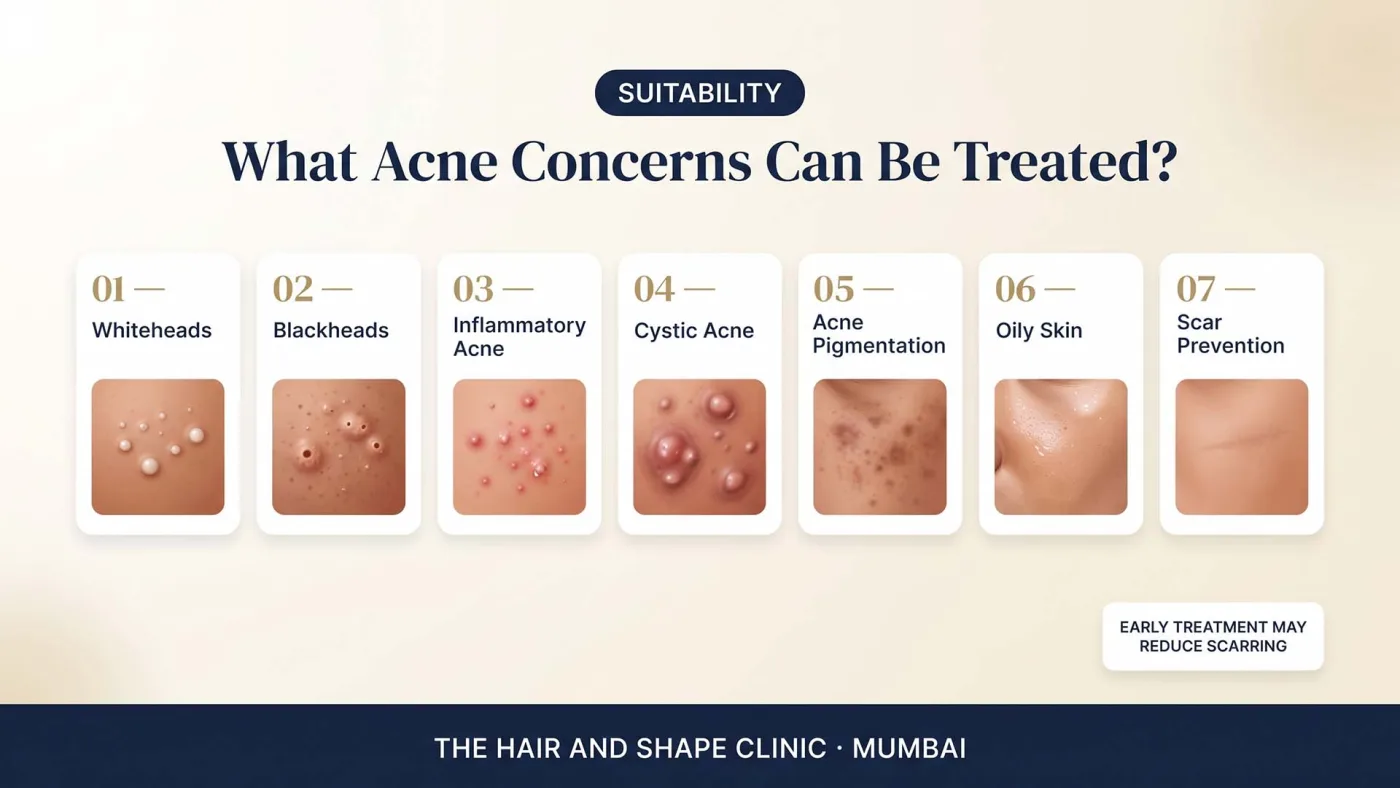
Personalized acne treatment can address a wide range of acne-related conditions.
Whiteheads
Improves closed comedones by reducing follicular blockage.
Blackheads
Helps remove pore congestion and regulate oil production.
Inflammatory Acne
Reduces redness, swelling, and active inflammatory lesions.
Cystic Acne
Supports long-term management while minimizing scar formation.
Acne Pigmentation
Gradually improves post-inflammatory hyperpigmentation following acne resolution.
Oily Skin
Helps regulate excessive sebum production.
Acne Scar Prevention
Early and appropriate treatment reduces the likelihood of permanent textural changes.
Personalized Acne Treatment Planning
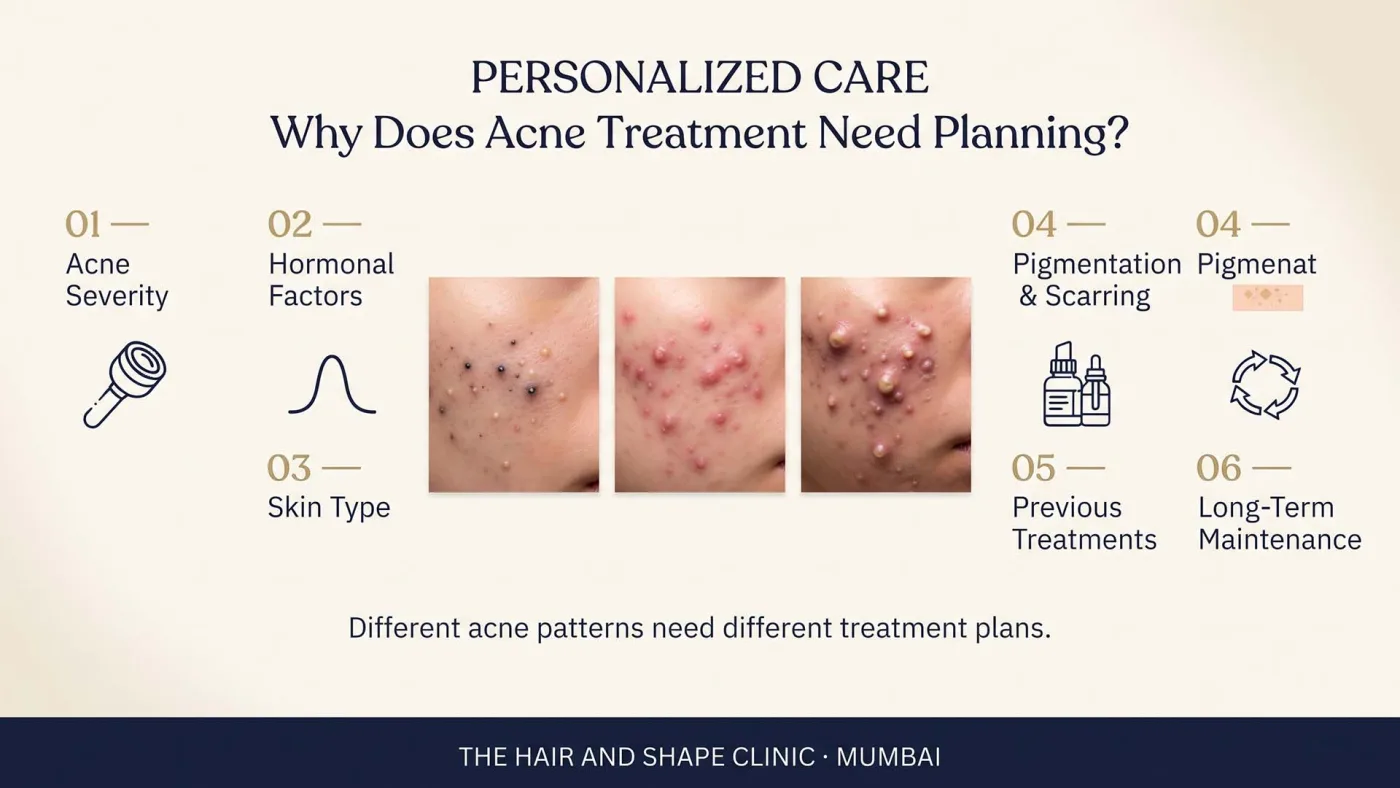
No two patients develop acne for exactly the same reasons. While one individual may primarily experience hormonal acne with excessive oil production, another may have acne driven by genetics, chronic inflammation, cosmetic products, stress, or bacterial overgrowth. The severity of acne, the presence of pigmentation or scarring, skin sensitivity, age, hormonal status, and previous treatment history all influence which therapies are likely to produce the safest and most effective results.
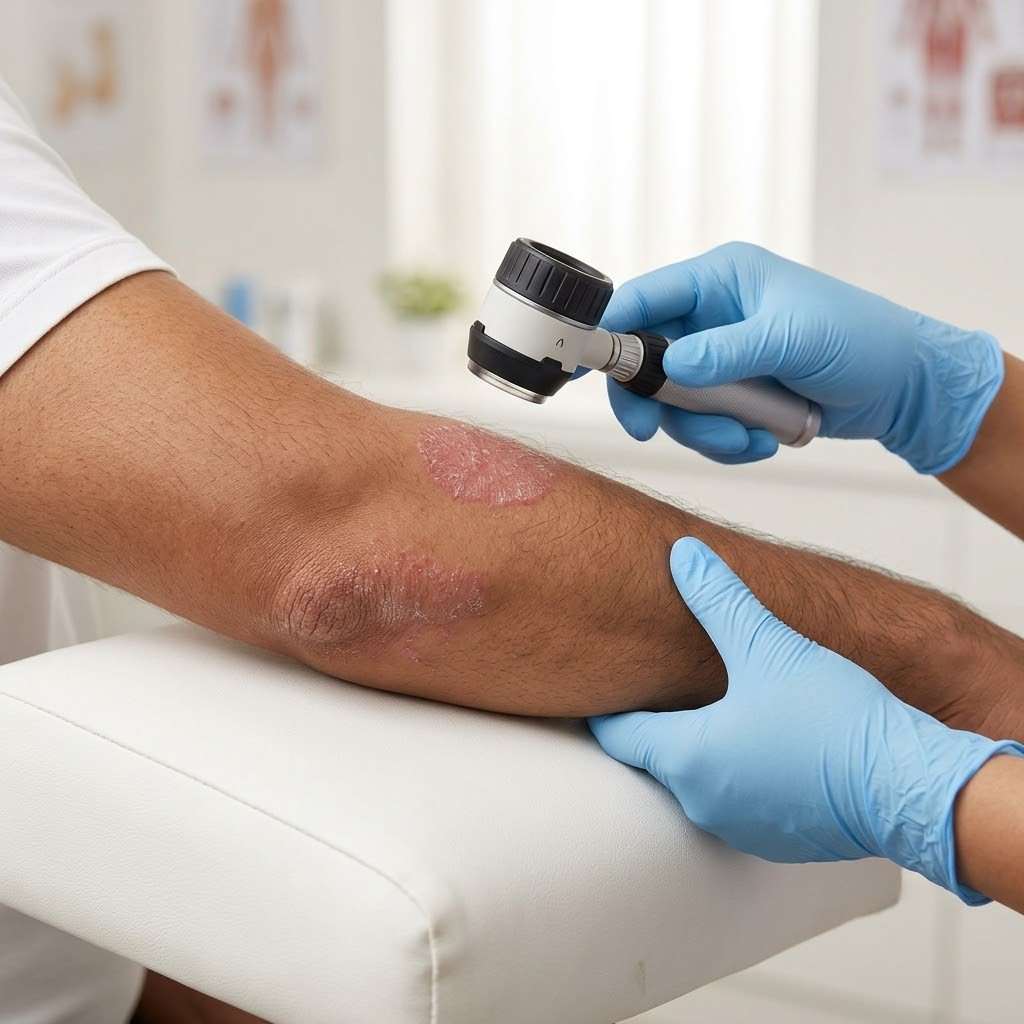
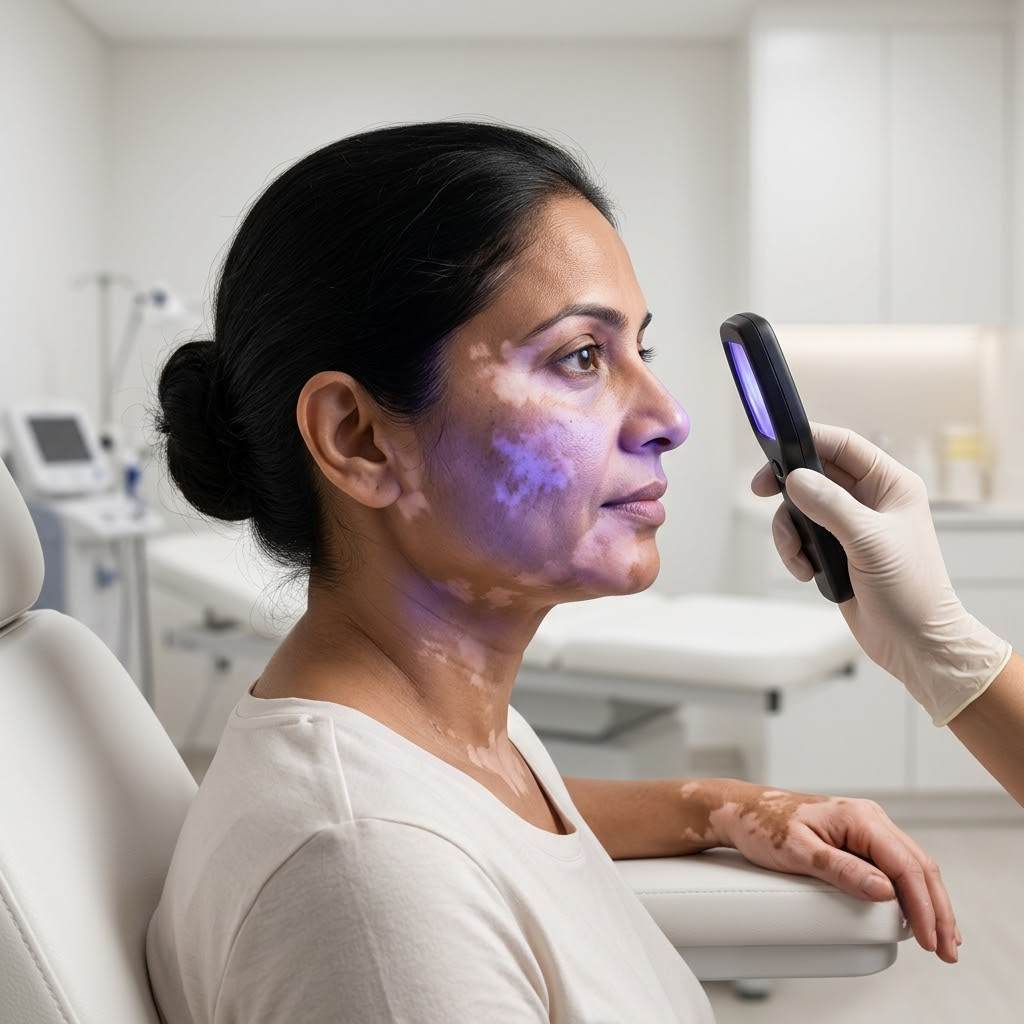
At Hair & Shape Clinic, every Acne Treatment program begins with a comprehensive dermatological evaluation. The type and severity of acne, degree of inflammation, oil production, pigmentation, existing scars, skin barrier health, hormonal influences, and lifestyle factors are carefully assessed before developing a personalized treatment strategy. Depending on your individual needs, treatment may combine medical therapies, advanced dermatological procedures, laser technologies, and customized skincare to control active acne, prevent future breakouts, and restore healthier skin over the long term.
What Happens During Acne Treatment?

Acne Treatment is highly individualized because the underlying causes of acne vary from one person to another. The treatment plan depends on the type of acne, its severity, the presence of inflammation, pigmentation, scarring, hormonal influences, skin sensitivity, and previous treatment history.
Rather than focusing solely on existing pimples, modern acne management aims to control the biological processes responsible for recurring breakouts while preserving the long-term health of the skin.
A typical Acne Treatment program includes the following stages.
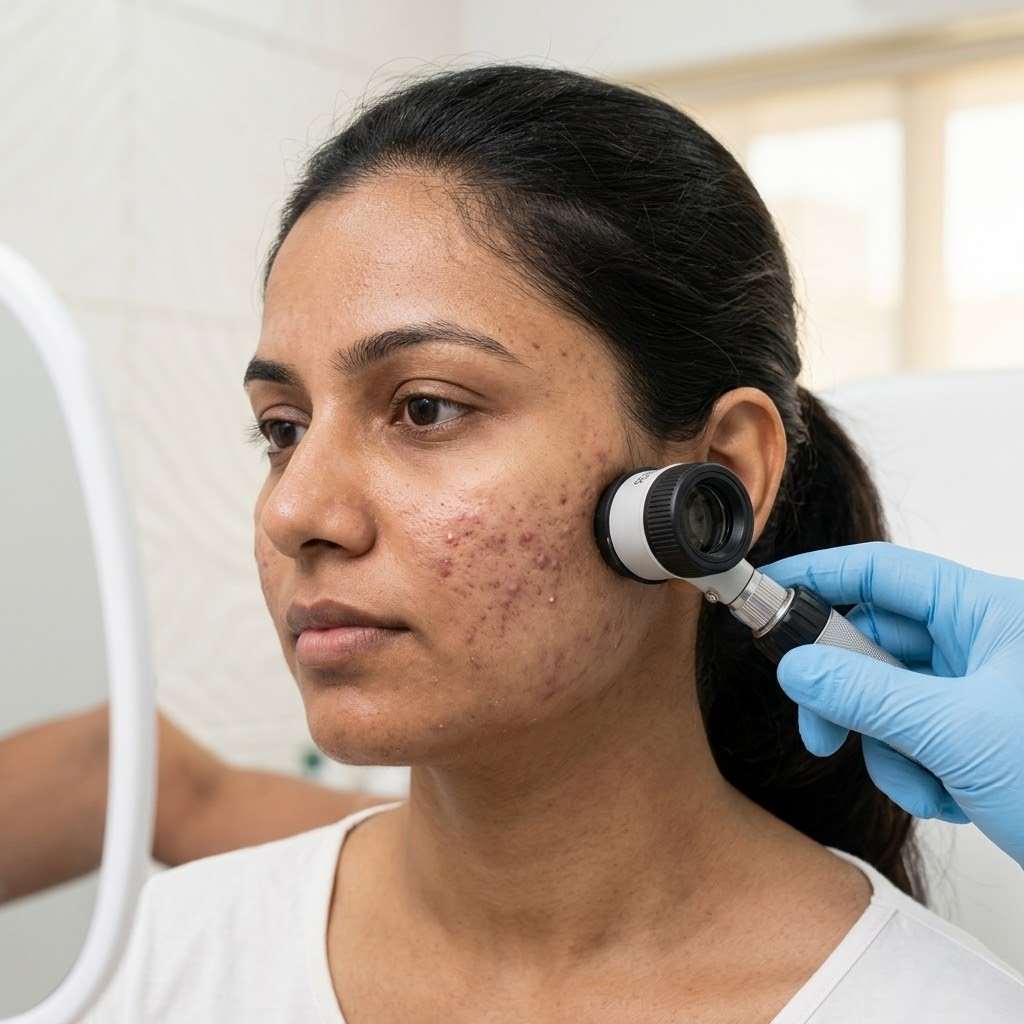
Step 1: Comprehensive Skin Assessment
Every treatment begins with a detailed dermatological evaluation.
Your dermatologist assesses:
Type of acne lesions.
Severity of inflammation.
Oil production.
Skin type.
Pigmentation.
Existing acne scars.
Skin sensitivity.
Hormonal influences.
Lifestyle factors.
Previous acne treatments.
Current skincare routine.
This evaluation helps identify the primary causes of acne and determine the most appropriate treatment strategy.
Step 2: Skin Cleansing
The treatment area is gently cleansed to remove excess oil, makeup, sunscreen, bacteria, and environmental impurities.
Clean skin allows medications and dermatological procedures to work more effectively.
Step 3: Personalized Acne Therapy
Depending on your individual needs, treatment may include one or more of the following:
Medical-grade topical medications.
Oral medications when clinically indicated.
Chemical Peels.
Carbon Laser Peel.
Laser therapy.
LED light therapy.
Professional comedone extraction.
Medical-grade skincare.
Oil-control treatments.
Each component is selected according to the biological mechanisms responsible for your acne.
Step 4: Control of Inflammation and Oil Production
The treatment focuses on reducing inflammation, regulating sebum production, improving cellular turnover, and minimizing bacterial overgrowth.
These improvements reduce the formation of new acne lesions while supporting healthier skin.
Step 5: Skin Barrier Protection
As acne treatments can temporarily increase skin sensitivity, customized moisturizers, barrier-repair products, and broad-spectrum sunscreen are recommended to protect healing skin and maintain long-term skin health.
Types of Acne Treatments
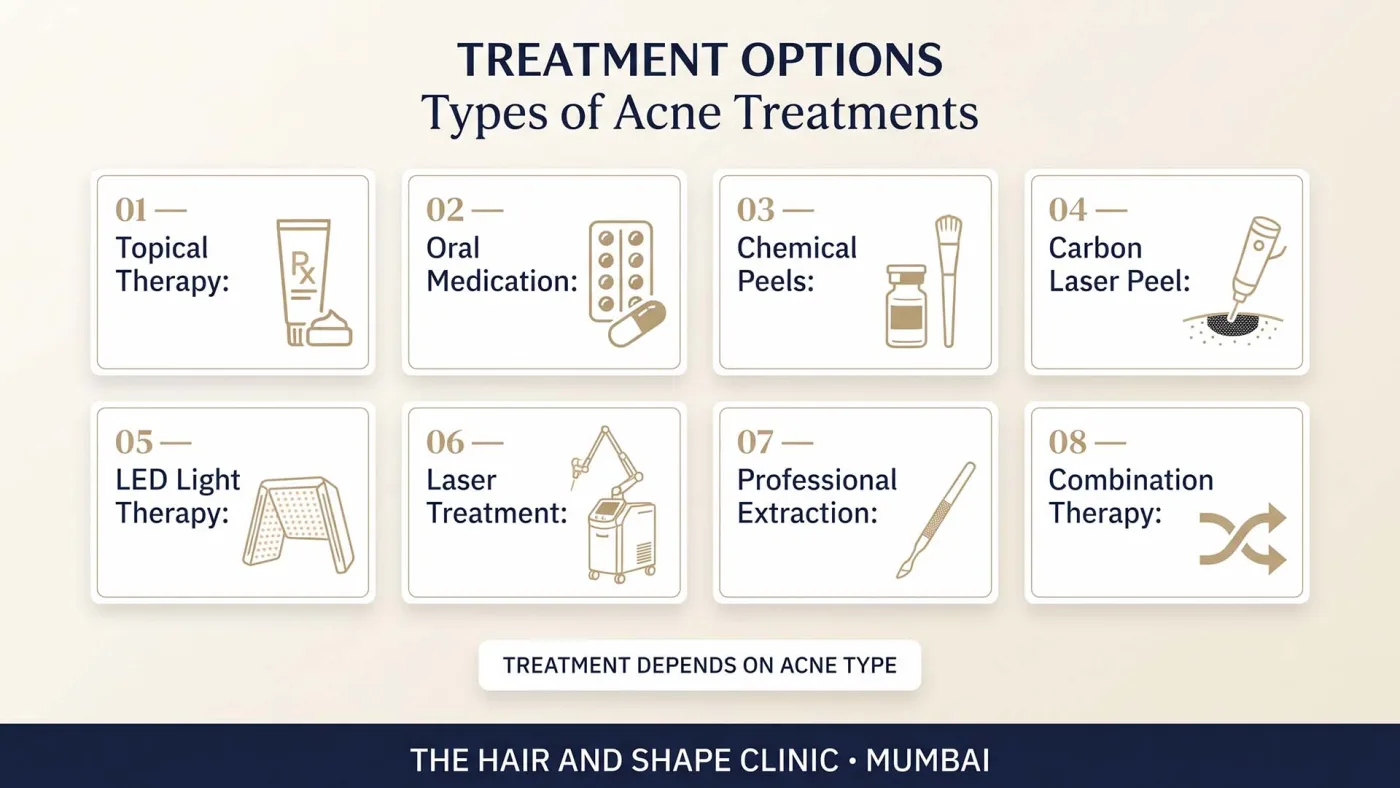
Modern dermatology offers several evidence-based treatment options that may be used individually or in combination.
Medical-Grade Topical Therapy
Prescription creams and gels containing active ingredients help reduce inflammation, unclog pores, regulate oil production, and prevent new acne lesions.
Oral Medication
For moderate to severe acne, oral antibiotics, hormonal medications, or isotretinoin may be recommended after careful medical evaluation.
Chemical Peels
Medical-grade chemical peels improve acne, reduce pore blockage, control oil production, and gradually improve post-acne pigmentation.
Carbon Laser Peel
Carbon Laser Peel deeply cleanses pores, reduces sebum production, improves acne-prone skin, and enhances overall skin texture.
LED Light Therapy
Specific wavelengths of light help reduce inflammation and bacterial activity while supporting skin healing.
Laser-Based Acne Treatment
Selected laser technologies reduce inflammation, improve oil gland activity, and may assist in managing persistent acne.
Professional Extraction
Carefully performed extraction removes blackheads and whiteheads while minimizing unnecessary skin trauma.
Combination Therapy
Many patients achieve the best long-term outcomes through a combination of medical treatments, dermatologist-performed procedures, and personalized skincare.
What Results Can You Expect?
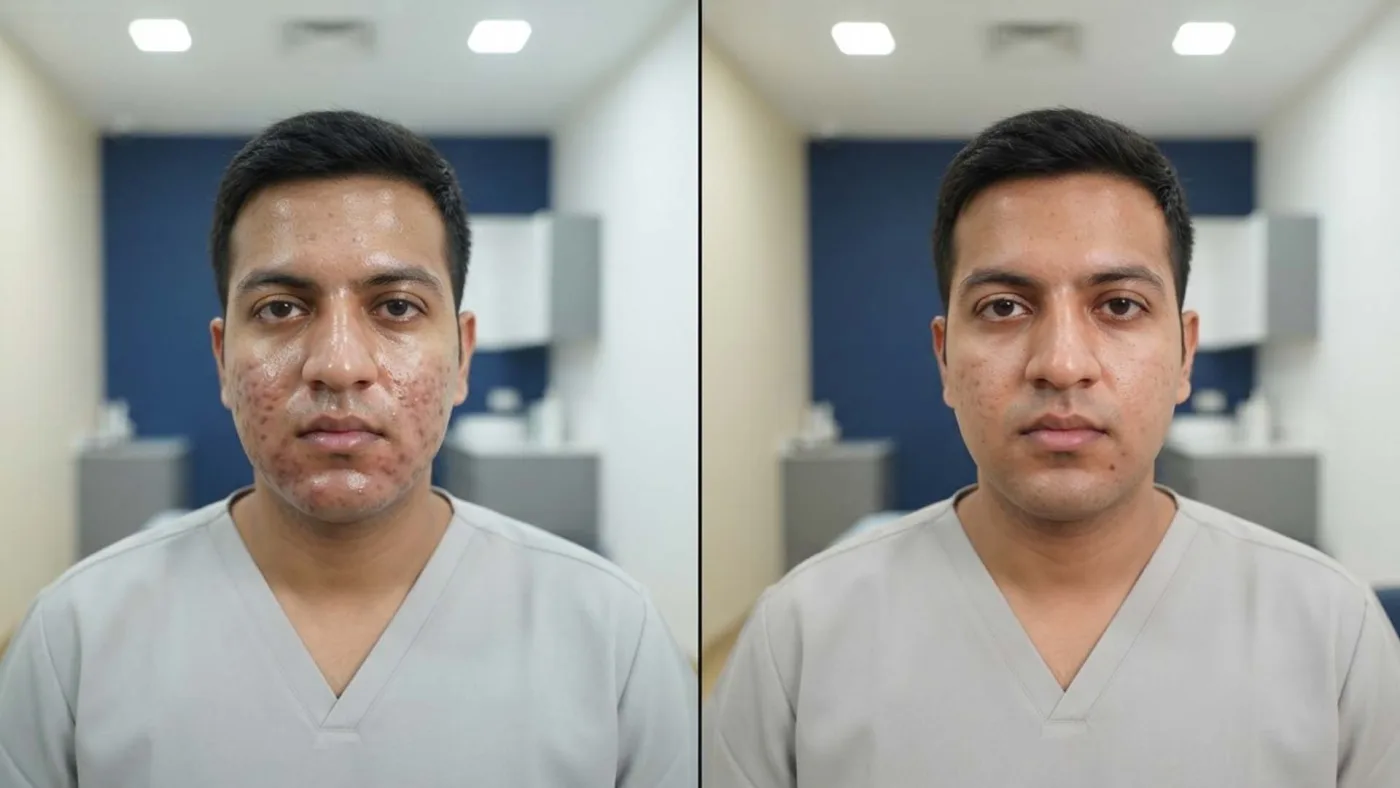
Acne treatment is a gradual medical process rather than an overnight cosmetic solution.
Most patients experience progressive improvement over several weeks or months depending on acne severity and treatment consistency.
Fewer Active Breakouts
New acne lesions become less frequent as inflammation and pore blockage decrease.
Reduced Oiliness
Sebum production becomes better regulated in many patients.
Less Inflammation
Redness, swelling, tenderness, and active inflammatory lesions gradually improve.
Improved Skin Texture
As acne clears, the skin often becomes smoother and healthier.
Improvement in Acne Marks
Post-inflammatory pigmentation gradually fades with continued treatment.
Reduced Risk of Scarring
Early and consistent treatment significantly lowers the likelihood of permanent acne scars.
Long-term success depends on continuing the prescribed treatment plan even after visible improvement has occurred.
What Is Recovery Like After Acne Treatment?
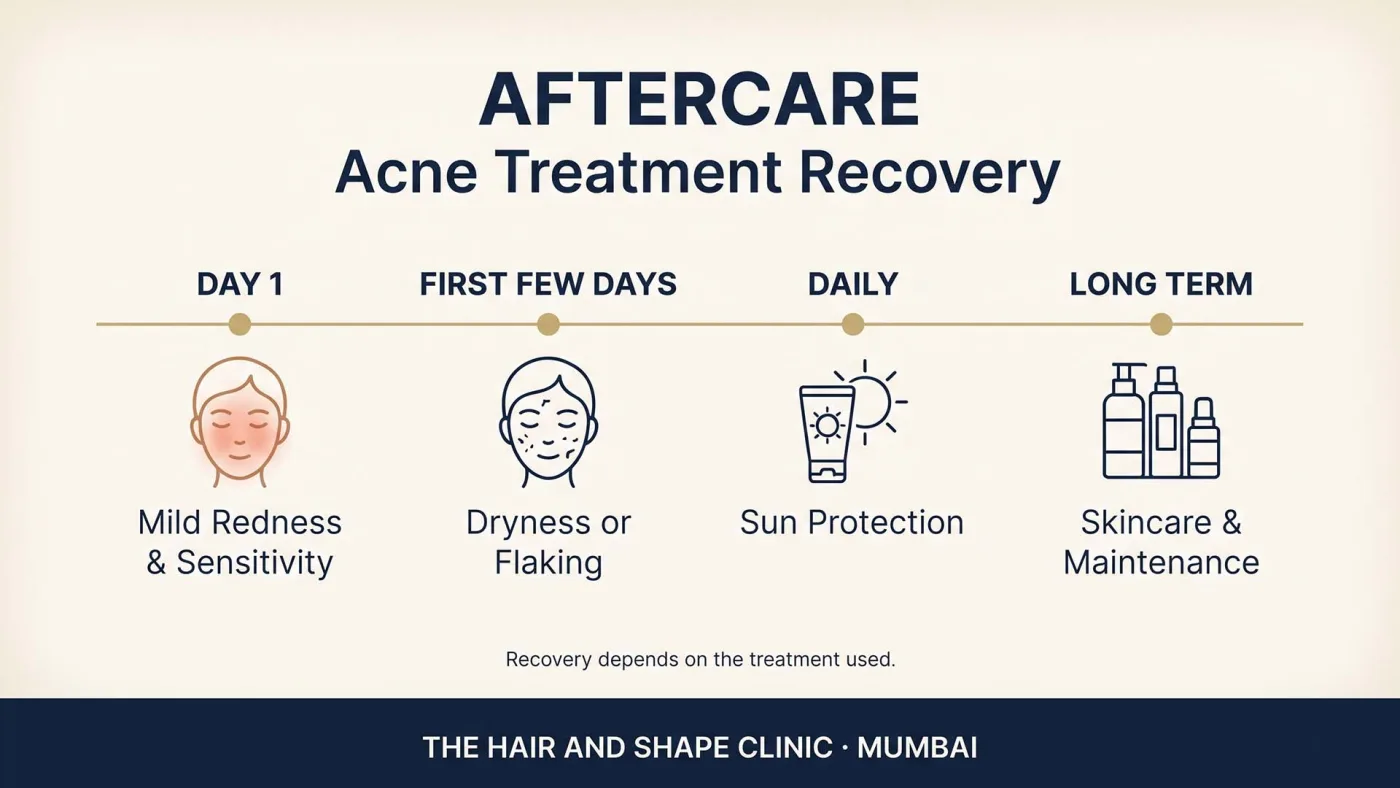
Recovery varies depending on the procedures included within your personalized treatment program.
Immediately After Treatment
Some patients may experience:
Mild redness.
Temporary dryness.
Slight skin sensitivity.
Mild warmth.
Tightness.
These effects are usually temporary.
First Few Days
Chemical peels and certain laser treatments may produce mild flaking or dryness as the skin renews itself.
Medical skincare products should be used exactly as instructed.
Sun Protection
Daily broad-spectrum sunscreen is essential because acne treatments often increase sensitivity to ultraviolet radiation.
Long-Term Maintenance
Successful acne management requires ongoing care through:
Personalized skincare.
Regular dermatology follow-up.
Consistent use of prescribed medications.
Healthy lifestyle habits.
Early treatment of new breakouts.
Are There Any Risks or Limitations?
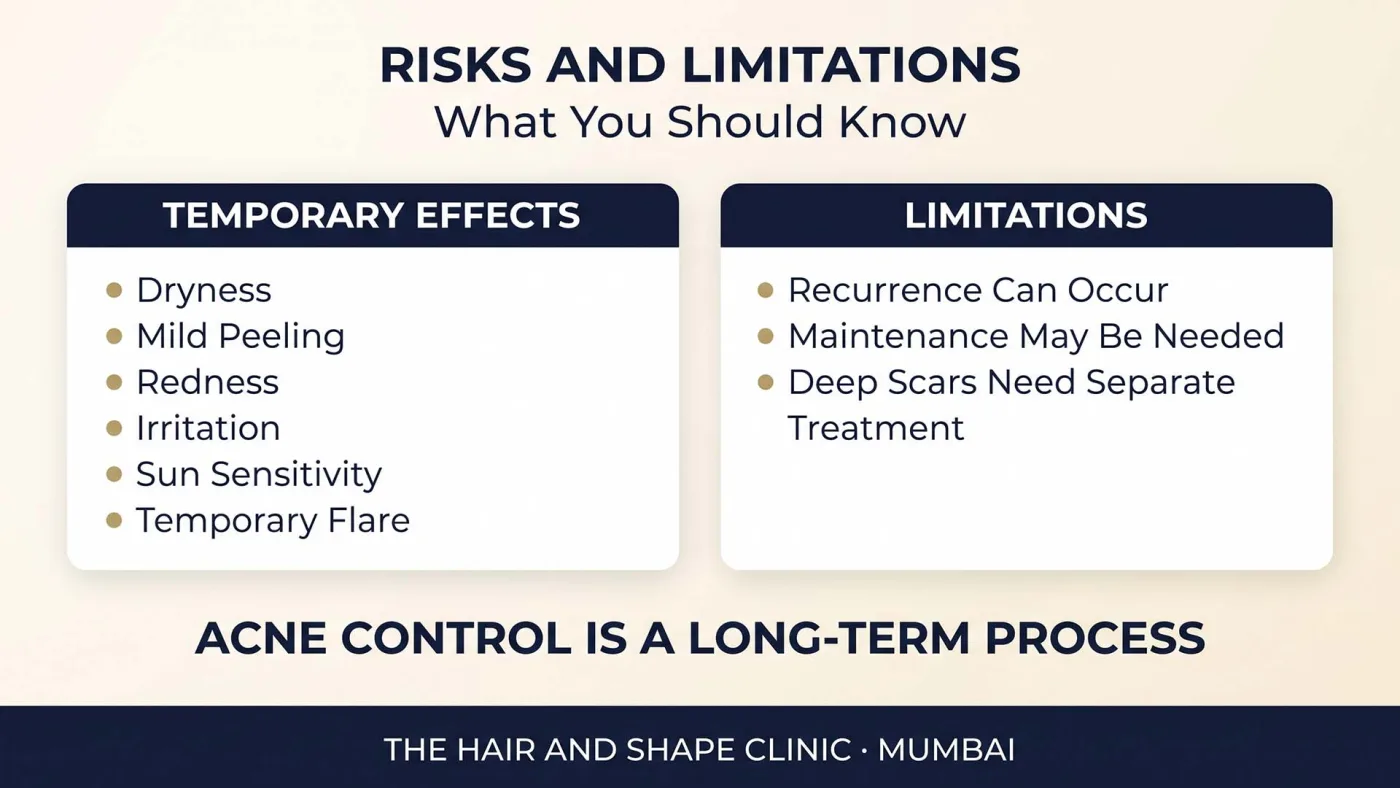
Acne Treatment is generally safe when performed under the supervision of qualified dermatology professionals.
However, every treatment has potential risks and limitations.
Possible temporary side effects include:
Dryness.
Mild peeling.
Redness.
Temporary irritation.
Increased sun sensitivity.
Temporary acne flare during the initial treatment phase.
Rare allergic reactions to medications.
It is equally important to understand the limitations of treatment.
Acne treatments cannot permanently eliminate the skin's tendency to develop acne. Patients with hormonal or genetically influenced acne may require long-term maintenance therapy to keep the condition under control. Existing deep acne scars may also require dedicated scar treatments after active acne has been successfully managed.
How Much Does Acne Treatment Cost in Mumbai?

The cost of Acne Treatment depends on the severity of the condition, the combination of treatments recommended, the number of sessions required, and whether prescription medications or advanced dermatological procedures are included.
Factors influencing treatment cost include:
Severity of acne.
Type of treatment.
Number of treatment sessions.
Laser or procedural therapies.
Prescription medications.
Medical-grade skincare products.
Long-term maintenance plan.
Following a comprehensive dermatological evaluation, your treatment plan and associated costs will be discussed before therapy begins.
Why Choose Hair & Shape for Acne Treatment?
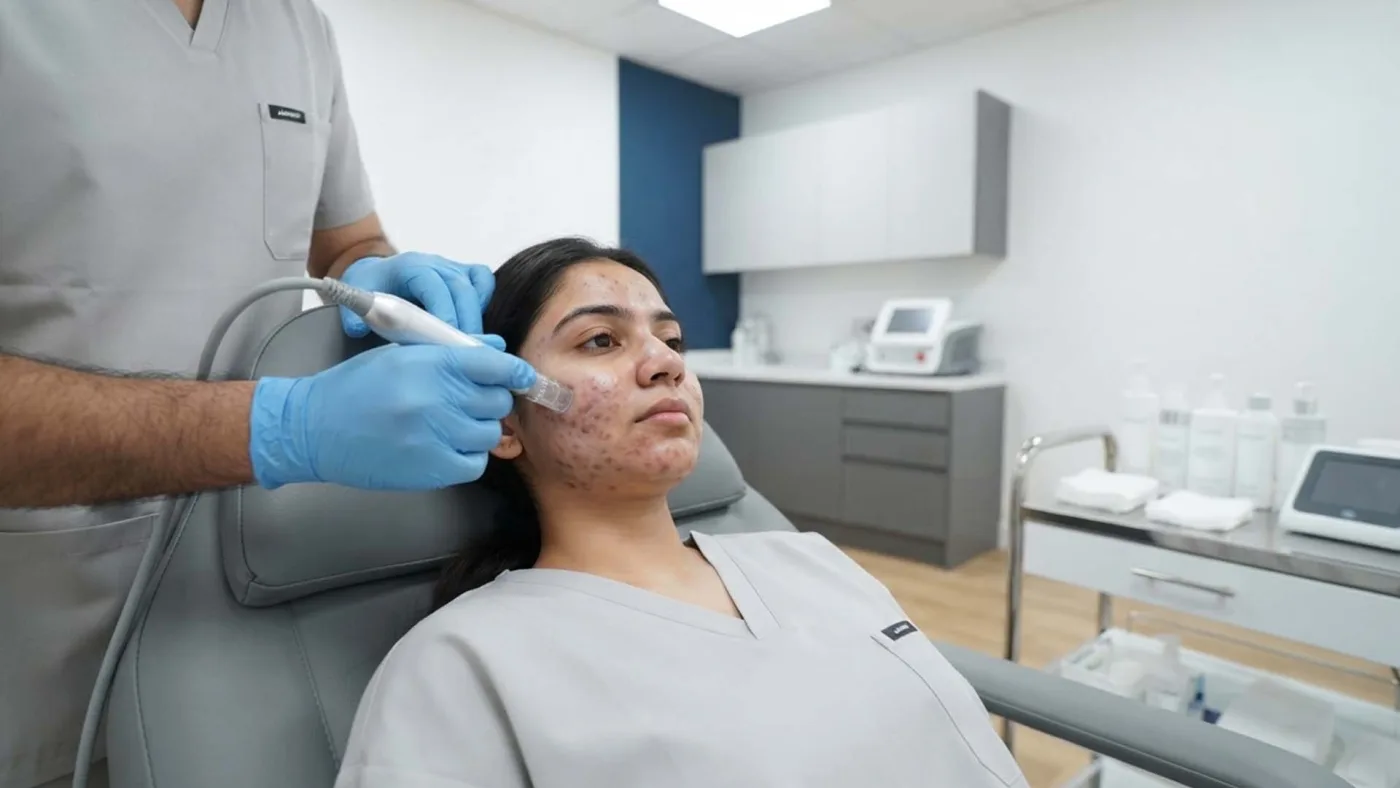
Successful acne management requires much more than treating visible pimples. It demands a thorough understanding of skin biology, hormonal influences, inflammation, microbiology, sebaceous gland function, pigmentation, and wound healing. The most effective treatment plans address the underlying causes of acne while protecting the skin barrier and reducing the risk of future scarring.
At Hair & Shape Clinic, every Acne Treatment program begins with a detailed skin assessment. Acne severity, lesion type, oil production, pigmentation, existing scars, skin sensitivity, hormonal factors, and previous treatment history are carefully evaluated before creating a personalized management plan. Our approach combines evidence-based dermatological therapies with customized skincare and long-term follow-up to achieve healthier, clearer skin while minimizing future breakouts and complications.
Why Does Personalized Acne Treatment Planning Matter?
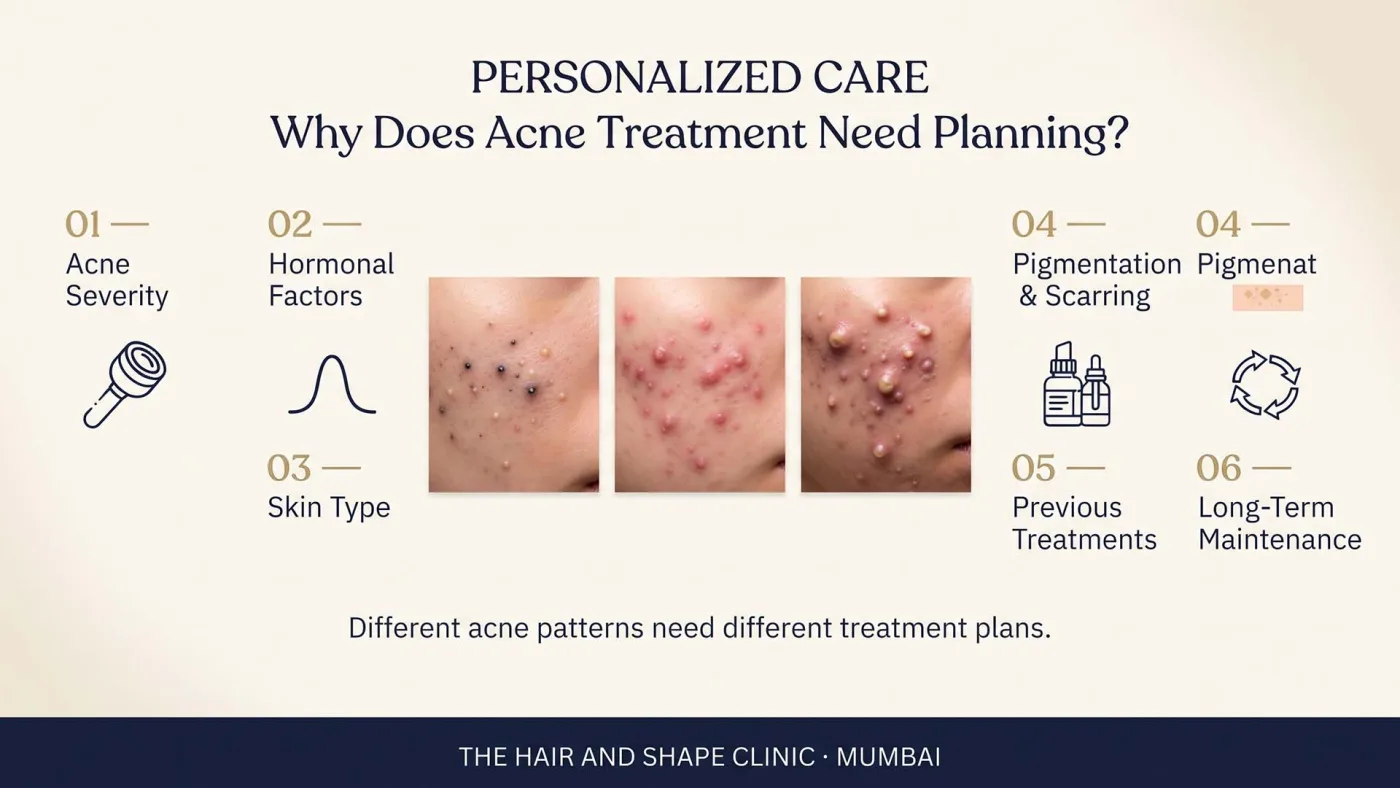
Acne is a complex condition with multiple contributing factors, making individualized treatment essential for safe and lasting results.
Acne Severity Determines Treatment
Blackheads and occasional pimples require a different approach than widespread inflammatory or cystic acne.
Hormonal Factors Influence Breakouts
Hormonal acne often requires additional medical evaluation and targeted therapies to control recurring flare-ups.
Skin Type Affects Treatment Selection
Oily, dry, combination, and sensitive skin respond differently to medications and dermatological procedures.
Pigmentation and Scarring Require Additional Planning
Patients with post-acne pigmentation or early scarring often benefit from combination therapies that address both active acne and its long-term effects.
Long-Term Maintenance Prevents Recurrence
Acne is a chronic condition for many individuals. Personalized maintenance programs help reduce future breakouts while preserving healthy skin over time.
International Patients Seeking Acne Treatment in Mumbai
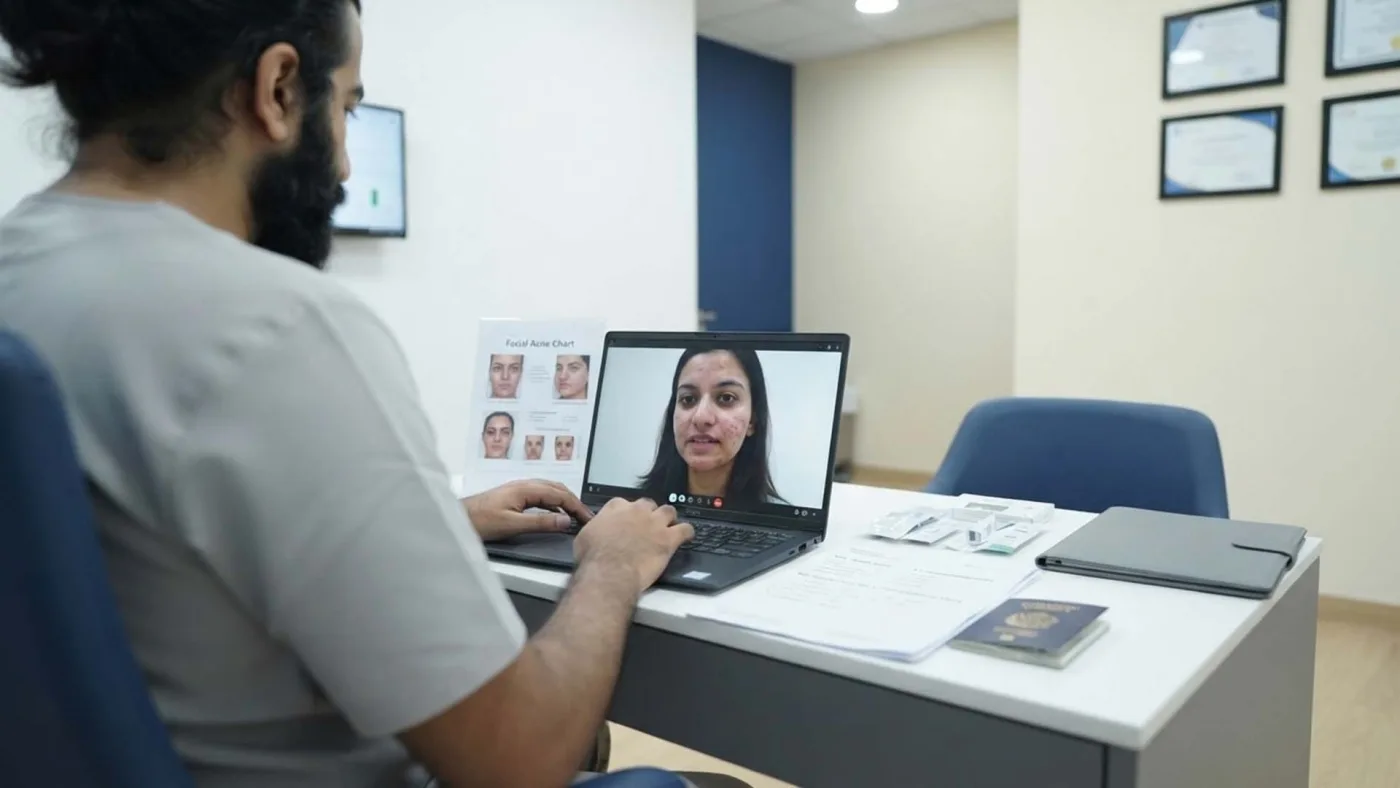
Hair & Shape Clinic welcomes patients from across India and around the world seeking comprehensive, evidence-based acne management.
Our international patient pathway is designed to provide personalized care throughout your treatment journey.
Before You Travel
Virtual consultations, medical history review, clinical photographs, and discussion of your skin concerns help determine the most appropriate treatment plan before your visit.
During Your Stay
Your treatment includes a comprehensive dermatological assessment, customized acne therapies, medical skincare recommendations, and detailed instructions for managing your skin after treatment.
Returning Home
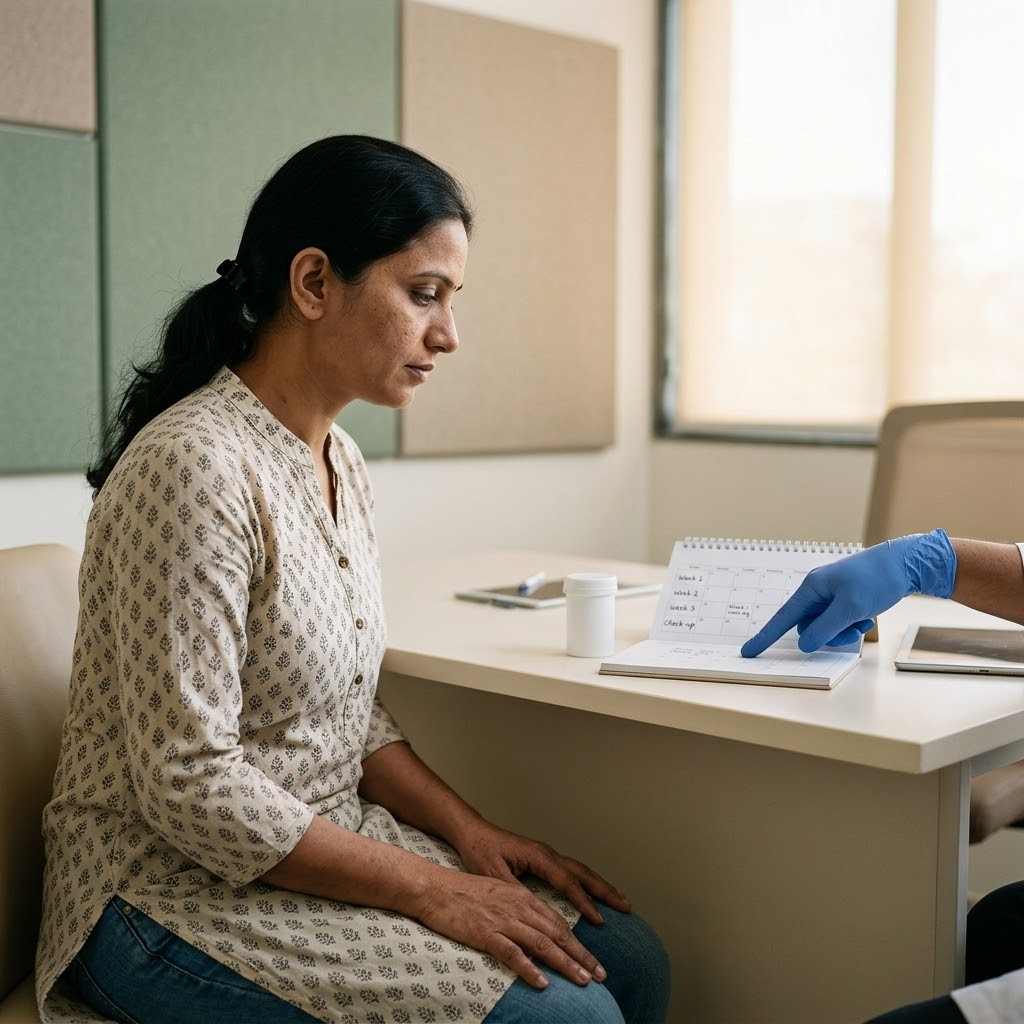
Follow-up consultations can often be conducted remotely. Continued guidance regarding prescription skincare, maintenance treatments, sun protection, lifestyle modifications, and early management of new breakouts helps maintain clearer, healthier skin wherever you live.
What to Expect
Consultation
A detailed assessment of your goals, suitability, and a personalised plan.
Preparation
Clear pre-treatment guidance so you arrive fully prepared and at ease.
The Procedure
Your treatment, performed by our specialists with comfort and safety first.
Aftercare
Structured recovery support and follow-ups to protect your results.
Frequently Asked Questions
Everything you need to know about Acne Treatment. Still curious? Our team is one message away.
Who is a good candidate for professional acne treatment?
Professional acne treatment is suitable for teenagers and adults experiencing persistent pimples, blackheads, whiteheads, cystic acne, hormonal acne, acne scars, or post-inflammatory pigmentation. If over-the-counter products have not improved your acne or your breakouts are causing scarring or affecting your confidence, consulting a qualified dermatologist can help you receive a personalized treatment plan for healthier, clearer skin.
Does acne treatment also help reduce acne scars and dark spots?
Yes. Many modern acne treatment plans are designed not only to control active breakouts but also to improve post-acne pigmentation and minimize acne scars. Depending on your skin condition, treatments such as chemical peels, microneedling, laser resurfacing, and medical-grade skincare may be recommended to improve overall skin texture and achieve a more even complexion.
How long does it take to see results from acne treatment?
Most patients begin noticing improvement within 4 to 8 weeks, although deeper or more severe acne may take several months to achieve optimal results. The timeline varies depending on the severity of acne, the treatment used, and how consistently the recommended skincare routine is followed. Regular follow-up appointments help ensure the treatment remains effective.
Can acne be treated permanently?
Acne can usually be controlled very effectively, but whether it can be permanently cured depends on its underlying cause. Hormonal changes, genetics, excess oil production, and lifestyle factors may contribute to recurring breakouts. Early diagnosis, appropriate treatment, and a consistent skincare routine can significantly reduce flare-ups and help maintain clearer skin over the long term
What is the most effective treatment for acne?
The most effective acne treatment depends on the type and severity of your acne. Mild acne may respond well to medical-grade topical medications, while moderate to severe acne often requires a combination of prescription medications, chemical peels, laser therapy, acne scar treatments, or oral medications. A dermatologist can recommend a personalized treatment plan based on your skin type, acne triggers, and overall skin health.
Begin Your Acne Treatment Journey
Book a consultation today and let our specialists craft a plan built entirely around you.