PRP Vs Hair Transplant: When Each One Actually Works?

Introduction
Hair loss treatment is not a one-size-fits-all solution.
Many people experiencing thinning hair are confused between two popular options:
PRP (Platelet-Rich Plasma) therapy
Hair transplant surgery
Both treatments are used in hair restoration, but they work in completely different ways.
The direct answer is:
PRP works best when living hair follicles are still present but weak, miniaturised or affected by inflammation. Hair transplant works when areas have lost significant hair follicles and need new follicles to restore density.
Choosing between PRP and hair transplant depends on:
Cause of hair loss
Stage of hair thinning
Number of functioning follicles
Donor hair availability
Age
Pattern of hair loss
Scalp health
Treatment expectations
Whether hair loss is stable or progressing
A person with early thinning may benefit from PRP and medical management. A person with advanced bald areas may require transplantation because no amount of stimulation can recreate follicles that no longer exist.
Understanding the difference helps avoid unnecessary procedures and unrealistic expectations.
What Is PRP Hair Treatment?
PRP stands for Platelet-Rich Plasma.
It is a regenerative treatment that uses a concentrated portion of the patient's own blood.
The process generally involves:
Collecting a small amount of blood
Processing it through centrifugation
Separating platelet-rich plasma
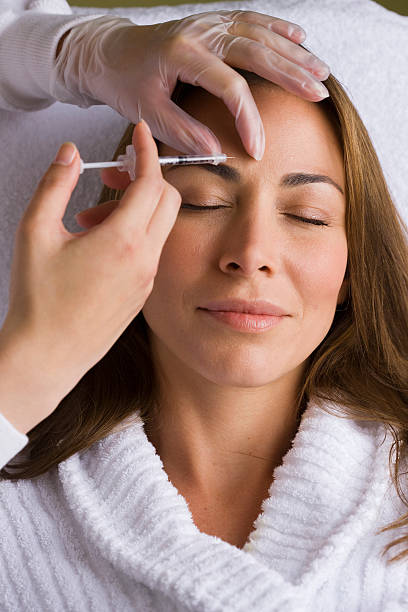
Injecting concentrated plasma into selected scalp areas
Platelets contain growth factors that may support:
Follicle activity
Tissue repair
Blood supply around follicles
Hair-growth environment
Reduced inflammation
PRP does not create new hair follicles.
It works by supporting follicles that are still present but underperforming.
What Is A Hair Transplant?
A hair transplant is a surgical hair-restoration procedure where healthy hair follicles are moved from a donor area to areas experiencing thinning or baldness.
The most common technique is:
FUE (Follicular Unit Extraction)
Individual follicular units are removed from the donor area and implanted into thinning regions.
The process involves:
Donor area assessment
Follicle extraction
Graft preparation
Recipient-site creation
Precise implantation
The transplanted follicles continue growing hair in their new location because they retain their natural characteristics.
Unlike PRP, a transplant physically adds new follicles to areas where density has been lost.
How Does PRP Work For Hair Loss?
Hair follicles naturally go through growth cycles:
Anagen phase — active growth
Catagen phase — transition
Telogen phase — resting/shedding
In some hair-loss conditions, follicles become:
Smaller
Weaker
Less active
More sensitive to hormonal signals
PRP may help by delivering growth factors that support the surrounding follicular environment.
Possible effects include:
Improved hair thickness
Reduced shedding
Better follicle activity
Increased growth-phase support
However, PRP cannot reverse complete follicle destruction.
How Does Hair Transplant Work?
Hair transplant works through follicular redistribution.
The principle is:
Move healthy follicles from a resistant donor zone to areas where hair is thinning or absent.
The transplanted follicles:
Establish blood supply
Enter a healing phase
Produce new hair growth gradually
Continue growing long term
The success depends on:
Donor follicle quality
Surgical precision
Hair direction
Graft handling
Recipient-area planning
Patient biology
A transplant does not make every existing weak follicle stronger. It adds new permanent follicles to selected areas.
PRP Vs Hair Transplant: The Basic Difference
PRPHair TransplantNon-surgical treatmentSurgical procedureUses patient's own blood componentsUses transplanted hair folliclesSupports existing folliclesAdds new folliclesBest for early thinningBest for established hair lossDoes not create new hairCreates new growth in treated areasMultiple sessions usually neededUsually performed as a surgical sessionMinimal downtimeLonger recovery period
The correct option depends on whether the problem is weak follicles or missing follicles.
Who Benefits Most From PRP?
PRP may be useful for people with:
Early-stage hair thinning
Increased shedding
Mild female pattern hair loss
Early male pattern hair loss
Miniaturised follicles
Reduced hair thickness
Weak but active follicles
Certain cases of telogen effluvium after evaluation
The key requirement is that viable follicles must still exist.
If the scalp area is completely bald and shiny with no functioning follicles, PRP has limited ability to restore density.
Who Benefits Most From Hair Transplant?
Hair transplant may be considered when there is:
Established baldness
Receding hairline
Crown thinning with significant loss
Empty areas with reduced follicle density
Stable pattern hair loss
Adequate donor hair
It is particularly useful when follicles are permanently lost and the goal is adding new hair.
Examples include:
Male pattern baldness
Female hair thinning with suitable donor supply
Hairline recession
Certain scar-related hair losses after stabilisation
Can PRP Regrow Hair In Completely Bald Areas?
Usually, no.
PRP requires existing follicles to work with.
A completely bald area may have:
Severely miniaturised follicles
Very few active follicles
No functional follicles
In such situations, growth factors alone cannot manufacture new follicles.
A transplant may be needed because the missing biological structure must be replaced.
Can Hair Transplant Strengthen Existing Hair?
No.
A transplant adds new follicles but does not directly improve the strength of existing native hair.
Existing hair may continue to:
Thin
Miniaturise
Shed
if the underlying cause remains active.
This is why many patients combine:
Hair transplant
Medical treatment
PRP
Scalp care
for long-term preservation.
Is PRP Better Than Hair Transplant?
Neither treatment is universally better.
They solve different problems.
PRP may be better when:
Hair loss is early
Follicles are still alive
The goal is improving thickness
The patient wants a non-surgical option
Hair transplant may be better when:
Hair is permanently missing
Bald areas need coverage
A new hairline is required
Density restoration is the goal
The wrong choice occurs when someone uses PRP for an area that needs transplantation or undergoes surgery when medical treatment could have preserved existing hair.
Can PRP Delay The Need For Hair Transplant?
Sometimes.
Early intervention with PRP and medical management may help maintain existing follicles.
It may:
Slow progression
Improve thickness
Reduce shedding
Improve scalp condition
However, PRP cannot guarantee that transplantation will never be needed.
Genetic hair loss can continue despite treatment.
The timing of transplant depends on:
Disease progression
Response
Age
Pattern of thinning
Patient goals
Can Hair Transplant Be Done After PRP?
Yes.
PRP and hair transplant can complement each other.
PRP may be used:
Before transplant to optimise scalp condition
Alongside transplant recovery
After transplant as supportive care
However, PRP should not be used as a substitute when follicles are already absent.
The combination should be planned according to the individual case.
Can PRP Replace Hair Transplant?
No.
PRP and hair transplant work at different biological levels.
PRP:
Supports existing follicles
Improves follicle environment
May increase thickness
Hair transplant:
Moves actual follicles
Creates new hair-bearing areas
Restores lost density
Replacing a transplant with PRP in advanced baldness usually leads to disappointment because the required follicles are not available.
How Do Doctors Decide Between PRP And Hair Transplant?
The decision begins with diagnosis.
Assessment may include:
Hair Loss History
Questions include:
When did shedding start?
Is it gradual or sudden?
Is there family history?
Is the hairline changing?
Is the crown thinning?
Are there hormonal triggers?
Scalp Examination
Assessment may include:
Hair density
Hair thickness
Miniaturisation
Scalp condition
Donor area quality
Pattern of loss
Trichoscopy
Magnified scalp examination helps identify:
Active follicles
Miniaturised hairs
Hair shaft differences
Inflammation
Pattern of thinning
This helps determine whether follicles can still respond to stimulation.
What Is Miniaturisation Of Hair Follicles?
Miniaturisation means a healthy terminal hair follicle gradually produces thinner and weaker hairs.
The follicle does not disappear immediately.
Signs include:
Smaller hair diameter
Shorter growth phase
Fine baby-like hairs
Reduced density
More visible scalp
Early miniaturisation may respond better to medical treatments and supportive therapies.
Advanced miniaturisation may eventually require transplantation if follicles become non-functional.
Does PRP Work Better In Early Hair Loss?
Generally, yes.
Early stages often have more salvageable follicles.
PRP may be more useful when:
Hair is thinning but still present
Shedding has recently increased
Density has reduced gradually
Miniaturisation is detected early
Waiting until large bald areas develop reduces the potential benefit because fewer active follicles remain.
Does Hair Transplant Work Better After Hair Loss Becomes Stable?
Usually, yes.
Stable hair loss allows better planning because:
Future loss is easier to predict
Graft placement can be designed appropriately
Donor resources can be preserved
The final appearance becomes more predictable
However, waiting too long may also reduce available donor options.
Timing should balance disease stability with restoration goals.
Can Women Choose Between PRP And Hair Transplant?
Yes, but female hair loss requires careful diagnosis.
Women may experience:
Diffuse thinning
Hormonal hair loss
Postpartum shedding
Menopause-related thinning
Nutritional deficiencies
PRP may help when follicles remain active.
Hair transplant may help selected women when:
Hair loss pattern is stable
Donor density is adequate
The cause is suitable
Expectations are realistic
Women often need a more detailed evaluation because diffuse thinning is common.
Can PRP Treat Hair Loss Caused By Stress?
It depends.
Stress-related shedding (telogen effluvium) often improves when the trigger is corrected.
Important factors include:
Duration of shedding
Medical history
Nutrition
Sleep
Stress recovery
Other causes of hair loss
PRP may be considered in selected cases, but identifying the trigger is essential.
Treating the scalp alone does not remove the underlying cause of stress-related shedding.
Can PRP Treat Hair Loss Due To Nutritional Deficiency?
The first step is correcting the deficiency.
If hair loss is related to:
Iron deficiency
Vitamin deficiency
Protein deficiency
Other nutritional problems
then correcting the cause is important.
PRP may not compensate for inadequate nutrition.
Healthy follicle growth requires proper biological support from inside the body as well as scalp-based treatments.
Can PRP Work For Male Pattern Baldness?
Yes, particularly in early stages.
It may help:
Reduce shedding
Improve thickness
Support miniaturised follicles
However, advanced male pattern baldness with large bald areas generally requires transplantation for meaningful density restoration.
The stage of hair loss matters more than gender alone.
Can PRP Work For Female Pattern Hair Loss?
Yes, selected women may benefit.
Female pattern hair loss often involves:
Widening part
Crown thinning
Reduced hair calibre
PRP may support remaining follicles.
However, women with significant empty areas may require transplantation if sufficient donor hair exists.
Does PRP Give Permanent Results?
PRP does not create permanent new follicles.
Its effects vary depending on:
Hair-loss cause
Genetics
Treatment schedule
Maintenance
Overall scalp health
Some patients may require maintenance sessions.
The underlying hair-loss process may continue, especially in genetic conditions.
Does Hair Transplant Give Permanent Results?
Transplanted follicles from suitable donor areas are generally long-lasting.
However:
Existing hair can continue thinning
Additional procedures may sometimes be needed
Maintenance treatment may still be required
Permanent does not mean the entire scalp is permanently protected from every future hair-loss cause.
Common Mistakes People Make While Choosing Between PRP And Hair Transplant
Choosing PRP For Completely Bald Areas
Growth factors cannot replace missing follicles.
Choosing Hair Transplant Without Diagnosis
The underlying cause of hair loss may remain untreated.
Expecting Instant Results
Both treatments require biological time.
Ignoring Existing Hair Loss
Native hair may continue thinning after transplantation.
Selecting Treatment Based Only On Cost
The wrong procedure may waste time and delay effective treatment.
Following Social Media Trends
The correct treatment depends on scalp biology, not popularity.
When Should You Consider A Hair Specialist Consultation?
Evaluation is useful when:
Hair fall continues for months
Hairline changes
Crown becomes visible
Parting widens
Ponytail becomes thinner
Bald patches appear
Scalp becomes visible
Previous treatments failed
Hair loss affects confidence
Early assessment provides more options because more follicles may still be preserved.
What Happens During A PRP Hair Treatment Session?
A PRP session is usually performed as an outpatient procedure.
The typical process includes:
Step 1: Blood Collection
A small amount of the patient's blood is collected, similar to a routine blood test.
Step 2: Processing The Blood
The sample is placed in a centrifuge to separate different components.
The goal is to concentrate platelets and growth factors.
Step 3: Preparing The Scalp
The treatment area is cleaned and prepared.
Local numbing may be used depending on patient comfort.
Step 4: PRP Injection
The concentrated plasma is injected into selected areas of the scalp where follicles are weak or thinning.
The treatment focuses on areas where active follicles are still present.
How Long Does A PRP Session Take?
A typical PRP session may take approximately:
Blood collection time
Processing time
Scalp preparation
Injection procedure
The total duration varies depending on:
Area being treated
Number of injections
Clinic protocol
Patient comfort
Most patients can return to normal activities soon after treatment.
Mild symptoms may include:
Tenderness
Small bumps at injection points
Mild redness
Scalp sensitivity
These usually settle gradually.
How Many PRP Sessions Are Usually Needed?
PRP is generally not a single-session treatment.
Hair growth cycles are slow, so improvement requires time.
The number of sessions depends on:
Cause of hair loss
Severity
Follicle condition
Response to treatment
Overall hair-care plan
Some patients may require an initial series followed by maintenance sessions.
A treatment plan should not be based only on a fixed package. It should be adjusted according to response.
When Do PRP Results Start Appearing?
Hair growth is a biological process and does not happen immediately.
Patients may notice gradual changes such as:
Reduced shedding
Improved hair thickness
Better texture
Increased density appearance
The timeline depends on:
Hair cycle stage
Cause of thinning
Individual response
Other treatments being used
Early improvement may be subtle because stronger, thicker hairs take time to develop.
What Does PRP Improve: Hair Count Or Hair Thickness?
PRP often aims to improve:
Hair shaft thickness
Growth phase support
Follicle activity
Hair quality
It may not dramatically increase the number of follicles.
A scalp with many weak follicles may show improvement because those follicles become stronger.
A completely empty area cannot be filled because there are no follicles available to stimulate.
Does PRP Work Better For Thickness Than Coverage?
Yes.
PRP is generally more useful for improving the quality of existing hair rather than creating coverage in empty areas.
Examples where PRP may help:
Thin hair becoming finer
Increased shedding
Early crown thinning
Reduced ponytail thickness
Miniaturised follicles
Examples where PRP has limitations:
Completely bald crown
Large receded hairline
Long-standing empty scalp areas
Coverage requires follicles. PRP supports follicles that remain.
What Happens During A Hair Transplant Procedure?
A hair transplant is a surgical procedure involving follicle transfer.
The process generally includes:
Consultation And Planning
Before surgery:
Hair-loss pattern is evaluated
Donor area is assessed
Hairline is designed
Graft requirement is estimated
Donor Preparation
Hair follicles are taken from a suitable donor region, usually the back or sides of the scalp.
Follicle Extraction
In FUE:
Individual follicular units are carefully extracted
Grafts are preserved
Donor area is managed to maintain appearance
Recipient Planning
Tiny openings are created according to:
Natural hair direction
Angle
Density requirement
Existing hair pattern
Implantation
Prepared grafts are placed into thinning areas.
The final appearance depends heavily on precision and planning.
How Long Does A Hair Transplant Procedure Take?
Duration depends on:
Number of grafts
Technique used
Complexity
Hair characteristics
Surgical team
Larger procedures require more time because every follicle must be handled carefully.
Speed should not be the main goal.
Important factors include:
Graft survival
Gentle handling
Correct placement
Natural design
Is Hair Transplant More Effective Than PRP For Advanced Hair Loss?
Yes, when follicles are permanently lost.
Advanced hair loss may involve:
Empty scalp areas
Significant recession
Large crown thinning
Reduced follicle activity
PRP cannot recreate missing follicles.
Hair transplant addresses this by adding new hair follicles.
However, if active hair loss continues, medical treatment may still be needed after transplantation.
Can PRP And Hair Transplant Be Combined Together?
Yes.
Many hair-restoration plans combine both treatments.
Possible approaches include:
PRP Before Transplant
May help:
Optimise scalp condition
Support existing weak follicles
Prepare the treatment area
PRP During Recovery
May support:
Healing environment
Early follicle support
PRP After Transplant
May be used as an additional supportive treatment.
However, PRP remains a supportive therapy. It does not replace the need for graft placement when follicles are absent.
Is PRP Necessary After Hair Transplant?
Not always.
Some clinics recommend PRP after transplant as part of their protocol, but the need depends on:
Patient condition
Existing hair quality
Healing response
Treatment goals
Overall plan
A successful transplant depends mainly on:
Good candidate selection
Quality donor follicles
Surgical technique
Proper aftercare
PRP may be an additional tool, not the foundation of success.
Can Hair Transplant Damage Existing Hair?
There is a possibility of temporary shock loss around the recipient area.
This happens because existing follicles may react to:
Surgical trauma
Inflammation
Local changes
Careful planning helps reduce risk.
Important factors include:
Correct implantation spacing
Avoiding unnecessary trauma
Understanding existing hair pattern
Treating active hair loss
The goal is improving density while protecting the hair already present.
What Is Shock Loss After Hair Transplant?
Shock loss is temporary shedding of existing non-transplanted hair after surgery.
It may occur because follicles experience stress.
Higher risk may occur in:
Areas with miniaturised hairs
Active genetic hair loss
Weak existing follicles
The lost hair may regrow if the follicle remains healthy.
Medical support may be recommended to protect vulnerable follicles.
Which Treatment Has More Downtime: PRP Or Hair Transplant?
PRP generally has minimal downtime.
Patients may experience:
Mild scalp soreness
Small injection bumps
Temporary sensitivity
Hair transplant requires more recovery because it involves:
Follicle extraction
Recipient implantation
Healing of tiny wounds
Recovery may involve:
Scabs
Redness
Swelling
Temporary activity restrictions
The difference reflects the fact that one treatment stimulates existing follicles while the other involves surgical movement of follicles.
Can PRP Be Done Without Shaving Hair?
Yes, depending on the treatment plan.
PRP injections can usually be performed without major changes to hairstyle.
This makes it attractive for people who:
Cannot take much downtime
Want a non-surgical option
Have early thinning
Need supportive treatment
However, PRP effectiveness still depends on whether suitable follicles exist.
Can Hair Transplant Be Done Without Shaving?
In selected cases, yes.
Options may include:
Partial shaving
Long-hair FUE
Strategic donor preparation
This may be preferred by patients who:
Need camouflage
Have professional commitments
Want less visible change
However, technique selection depends on:
Number of grafts
Hair length
Donor characteristics
Surgeon preference
The priority should remain safe follicle harvesting and natural results.
Which Treatment Is Better For A Receding Hairline?
A receding hairline usually involves reduced or lost follicles.
Hair transplant is often more effective when:
The recession is established
A new hairline is required
Density restoration is the goal
PRP may support nearby miniaturised hairs but cannot recreate a missing hairline.
Hairline restoration requires:
Facial balance
Natural irregularity
Correct angle
Appropriate density
Which Treatment Is Better For Crown Thinning?
It depends on the stage.
Early crown thinning:
PRP may support existing follicles
Medical treatment may help preserve density
Advanced crown loss:
Hair transplant may provide better coverage
The crown area requires careful planning because it uses many grafts and continues to interact with surrounding thinning hair.
Which Treatment Is Better For Female Diffuse Hair Loss?
Female diffuse thinning requires diagnosis first.
PRP may help when:
Follicles remain active
Hair is becoming thinner
Shedding is increased
Hair transplant may help selected women when:
The thinning pattern is stable
Donor density is good
There are clear areas needing coverage
Women often require a combined approach because preserving existing hair is extremely important.
Can PRP Treat Hair Loss From Alopecia Areata?
Alopecia areata is an immune-related condition causing patchy hair loss.
Treatment depends on:
Disease activity
Number of patches
Duration
Severity
Previous response
PRP may be considered in selected cases, but it is not the primary answer for every patient.
Active immune-related hair loss requires proper diagnosis and management.
Can Hair Transplant Be Done For Alopecia Areata?
Usually not during active disease.
Alopecia areata may continue affecting transplanted or existing follicles.
A transplant may only be considered in selected stable cases after careful evaluation.
The disease behaviour must be understood before surgery.
Can PRP Treat Hair Loss From Scalp Inflammation?
Sometimes.
Inflammatory scalp conditions may reduce hair quality.
Examples include:
Seborrhoeic dermatitis
Certain inflammatory scalp disorders
Irritation-related shedding
However, active inflammation should be controlled first.
Injecting PRP into an unhealthy scalp without addressing the cause may not provide expected results.
Can Hair Transplant Treat Scarred Areas?
Sometimes.
Scarring alopecia involves destruction of follicles and replacement with scar tissue.
A transplant may be considered only when:
Disease is inactive
Scarring is stable
Blood supply is adequate
Donor follicles are suitable
Active scarring conditions require medical control before considering surgery.
What Factors Decide Between PRP And Hair Transplant?
The decision depends on:
Presence Of Follicles
Are follicles weak or completely absent?
Stage Of Hair Loss
Early thinning and advanced baldness require different approaches.
Cause Of Hair Loss
Genetic, hormonal, inflammatory and nutritional causes behave differently.
Donor Supply
A transplant requires healthy donor follicles.
Expectations
The desired outcome should match what the treatment can realistically achieve.
Long-Term Plan
Hair loss management often requires ongoing care.
Why Is Early Diagnosis Important Before Choosing Treatment?
Because treatment options decrease as hair loss progresses.
Early assessment may allow:
Preservation of existing follicles
Better response to medical therapies
More predictable planning
Reduced need for larger procedures
Waiting until extensive loss occurs may limit available solutions.
Can Someone Need Both PRP And Hair Transplant At Different Times?
Yes.
Hair restoration is often a long-term process.
A person may:
Start with PRP during early thinning
Use medical treatment to preserve hair
Consider transplant later if density loss progresses
Continue supportive care after surgery
The correct sequence depends on how the condition changes over time.
What Are Unrealistic Expectations From PRP And Hair Transplant?
Unrealistic expectations include:
Expecting PRP to create new follicles
Expecting transplant results immediately
Expecting a transplant to stop all future hair loss
Expecting unlimited density
Expecting identical results to online examples
Ignoring ongoing medical causes
Successful treatment begins with understanding what each option can and cannot do.
How To Choose The Right Hair Restoration Approach?
A personalised plan should evaluate:
Hair-loss diagnosis
Scalp condition
Hair density
Follicle miniaturisation
Donor quality
Age
Future progression
Lifestyle
Treatment expectations
The best treatment is not always the newest or most expensive option.
It is the option that matches the biology of the hair loss.
Keep reading
Laser Hair Removal: Complete Guide To Procedure, Benefits, Recovery & Results
Laser Hair Removal is an advanced aesthetic treatment designed to reduce unwanted hair growth and provide smoother skin with long-lasting results. This guide explains how laser hair removal works, treatment areas, procedure steps, benefits, recovery, number of sessions required, candidate suitability, and the importance of choosing an experienced aesthetic clinic at Hair & Shape Clinic, Mumbai.

BIO FUE vs BIG FUE vs FUT: Which Hair Transplant Technique Is Right for You?
BIO FUE, BIG FUE and FUT are different approaches to hair transplantation, each with unique advantages depending on hair loss stage, donor availability and restoration goals. This guide explains how these techniques differ, who may benefit from each method, recovery expectations, graft planning and choosing the right hair transplant approach.
Mustache Hair Transplant: Complete Guide To Procedure, Recovery & Results
Mustache Hair Transplant is an advanced facial hair restoration procedure that helps improve patchy or uneven moustache growth using the individual's own hair follicles. This guide explains the moustache transplant procedure, graft extraction, moustache design, recovery timeline, benefits, candidate suitability, and factors that influence natural-looking long-term results at Hair & Shape Clinic, Mumbai.