Mustache Hair Transplant: Complete Guide To Procedure, Recovery & Results
Introduction
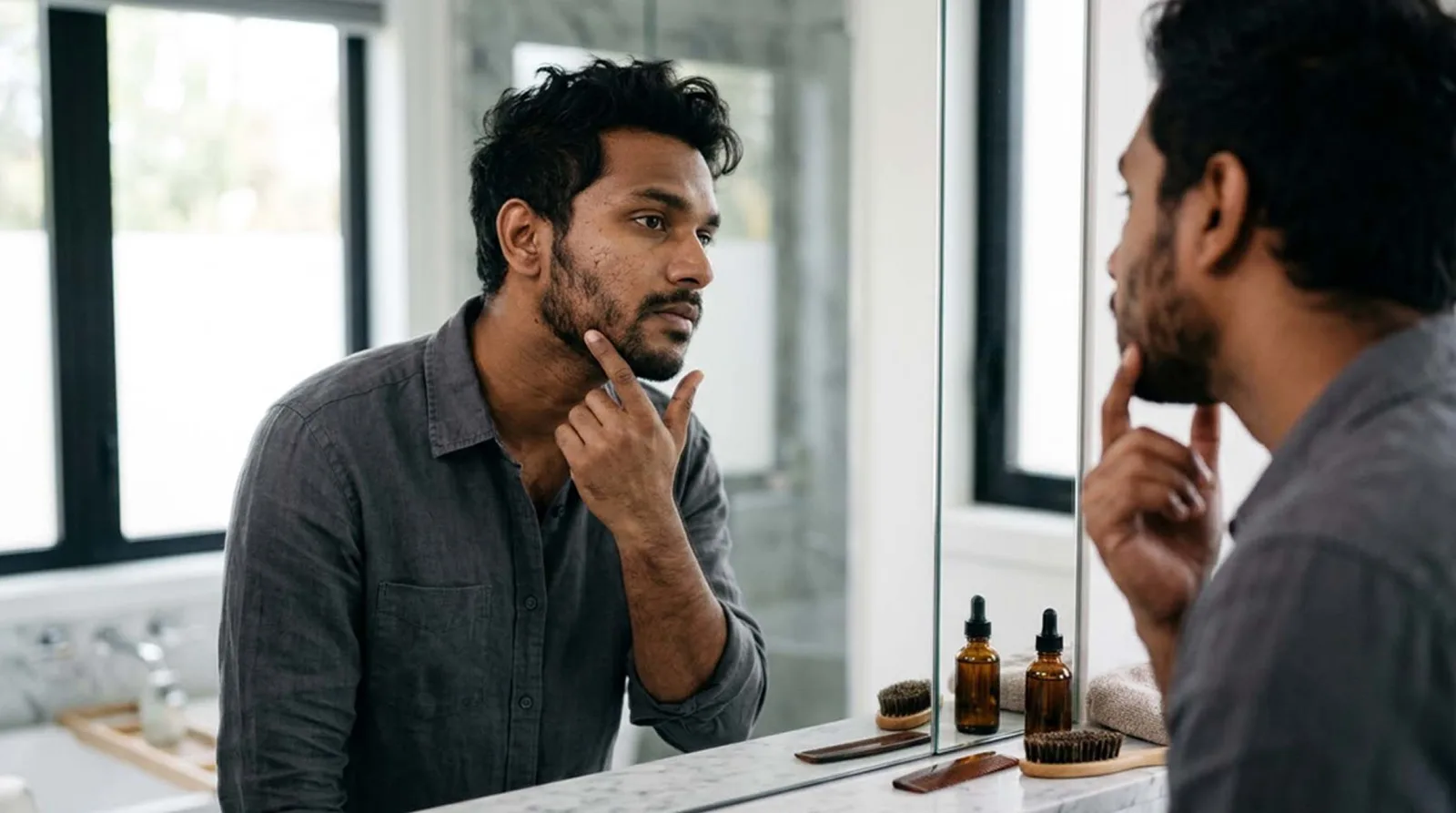
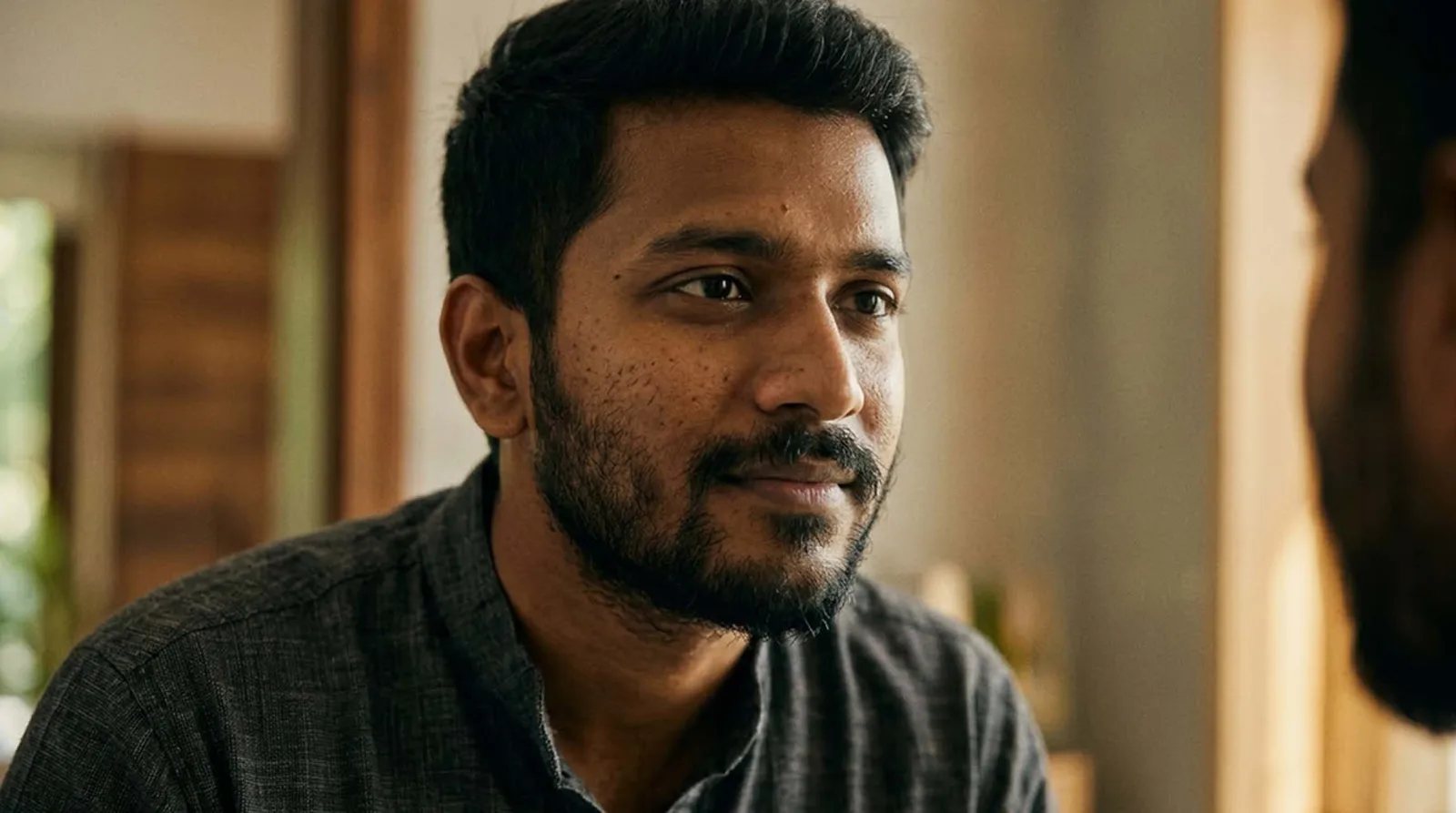
A moustache has been an important part of facial appearance, style, and personal identity for many men. However, not every individual naturally develops thick and even moustache growth.
Patchy moustache growth, uneven density, scars, or areas with limited facial hair can affect confidence and make it difficult to achieve the desired look.
While grooming products and temporary solutions can improve appearance, they cannot create new hair follicles in areas where natural growth is limited.
A Mustache Hair Transplant is an advanced facial hair restoration procedure that uses the individual's own healthy hair follicles to create natural-looking moustache growth.
At Hair & Shape Clinic, Malad West, Mumbai, moustache hair transplant procedures are planned according to facial structure, moustache pattern, donor hair quality, and individual aesthetic goals under the guidance of Dr. Umang Kothari, MBBS, MS (General Surgery), DNB (Plastic Surgery).
What Is Mustache Hair Transplant?
A moustache hair transplant is a cosmetic hair restoration procedure where healthy hair follicles are extracted from a donor area and implanted into the upper lip region to create or improve moustache growth.
The procedure commonly uses the Follicular Unit Extraction (FUE) technique, where individual hair follicles are carefully extracted and transplanted.
During the procedure:
Hair follicles are collected from the donor area
Grafts are prepared carefully
Recipient sites are created in the moustache region
Hair follicles are implanted according to natural growth direction
The goal is to create a moustache that looks natural, balanced, and suitable for the individual's facial features.
Why Do Men Consider Mustache Hair Transplant?
Moustache growth varies from person to person. Genetics, hormonal factors, age, and previous injuries can influence moustache density.
Common reasons men consider moustache transplantation include:
Patchy moustache growth
Uneven moustache density
Thin upper lip hair
Desire for a fuller moustache
Facial scars affecting hair growth
Need for better moustache shape and definition
A moustache transplant can help restore hair in areas where natural growth is insufficient.
How Does Mustache Hair Transplant Work?
A moustache hair transplant requires detailed planning because facial hair has a different growth pattern compared to scalp hair.
The procedure focuses on:
Natural hair direction
Correct follicle angle
Appropriate density
Facial symmetry
Desired moustache style
Consultation And Moustache Assessment
The first step is a detailed consultation where the surgeon evaluates:
Existing moustache growth
Facial structure
Desired moustache style
Donor hair availability
Hair characteristics
This assessment helps create a personalized treatment plan.
A natural-looking moustache requires understanding how hair grows naturally on the upper lip.
Donor Area Selection
The donor area is usually selected from the scalp, commonly the back or sides of the head.
The surgeon evaluates:
Hair thickness
Hair texture
Follicle quality
Available grafts
Choosing suitable donor follicles helps create a moustache that blends naturally with existing facial hair.
Extraction Of Hair Follicles
During the procedure, individual hair follicles are extracted using the FUE technique.
Small extraction points are created in the donor area to collect healthy follicles while minimizing trauma.
The extracted grafts are then prepared carefully before implantation.
Proper graft handling is important because facial hair requires precise placement and survival of each follicle.
Moustache Design And Graft Placement
Moustache design is one of the most important parts of the procedure.
The surgeon considers:
Natural moustache shape
Facial proportions
Hair growth direction
Density requirements
Symmetry
Each follicle is implanted at a specific angle to mimic natural moustache growth.
Correct placement helps ensure that the moustache looks natural when grown, trimmed, or styled.
Areas Covered In Mustache Hair Transplant
A moustache transplant can be customized according to individual requirements.
Common areas include:
Upper Lip Enhancement
Helps improve moustache density across the upper lip area.
Moustache Corners
Can improve density near the edges where growth may appear weak.
Scar Correction
Hair transplantation may help camouflage certain scars affecting moustache growth.
Moustache Shape Improvement
Can help create a more defined moustache appearance according to personal preferences.
Importance Of Natural Moustache Design
A successful moustache transplant is not only about increasing hair quantity.
The direction, angle, and placement of each follicle determine how natural the final result appears.
An experienced surgeon considers:
Facial shape
Existing facial hair pattern
Hair thickness
Desired style
The objective is to create a moustache that complements the individual's overall appearance.
Benefits Of Mustache Hair Transplant
Permanent Hair Restoration
Since the procedure uses the individual's own hair follicles, transplanted moustache hair can provide long-lasting growth.
Natural-Looking Results
Precise graft placement helps recreate natural moustache density and direction.
Customizable Appearance
The procedure can be planned according to desired moustache thickness, shape, and coverage.
Improved Facial Aesthetics
A fuller moustache can help enhance facial balance and overall appearance.
Uses Your Own Hair
The procedure uses the individual's own follicles, making the result feel and appear more natural.
Mustache Hair Transplant Recovery Process
Recovery after a moustache hair transplant is an important stage where the transplanted follicles settle and begin their natural growth cycle.
Immediately after the procedure, patients may experience:
Mild redness around the implanted area
Small scabs around transplanted follicles
Slight swelling
Temporary sensitivity in the upper lip area
These effects are usually temporary and gradually improve as the skin heals.
Following the surgeon's post-procedure instructions regarding facial care, washing, and daily activities helps protect the newly transplanted follicles.
Mustache Hair Growth Timeline After Transplant
Moustache hair growth after transplantation takes time because transplanted follicles need to adapt and follow their natural growth cycle.
First Few Weeks After Procedure
The transplanted moustache hair may shed during the initial phase.
This is a normal part of the growth process. The follicles remain healthy beneath the skin and prepare for new hair growth.
3 To 4 Months After Mustache Transplant
New moustache growth usually begins to appear.
Initially, the hair may look thin, but the thickness and density gradually improve over time.
6 To 9 Months After Mustache Transplant
Patients generally start noticing visible improvement in:
Moustache density
Upper lip coverage
Overall facial appearance
The transplanted hair continues to mature.
12 To 18 Months For Final Results
The final moustache appearance becomes more noticeable as the transplanted follicles fully mature.
The timeline may vary depending on:
Individual healing response
Hair characteristics
Graft quality
Post-procedure care
Is Mustache Hair Transplant Permanent?
A moustache hair transplant uses the individual's own hair follicles, usually taken from the scalp donor area.
These transplanted follicles are expected to continue growing naturally after successful transplantation.
Once fully healed, transplanted moustache hair can generally be trimmed, shaved, and styled like natural facial hair.
Proper planning is important to ensure the moustache design matches the individual's facial structure and expectations.
Mustache Hair Transplant Vs Temporary Moustache Growth Solutions
Many men try temporary methods to improve moustache appearance, but these approaches work differently from hair transplantation.
Moustache Growth Products
May support existing hair growth in some individuals
Cannot create new hair follicles
Results vary from person to person
Mustache Hair Transplant
Uses actual hair follicles
Creates new moustache coverage in selected areas
Provides a long-term restoration option
The right approach depends on the reason behind limited moustache growth and individual goals.
Who Is A Good Candidate For Mustache Hair Transplant?
A moustache hair transplant may be suitable for individuals who:
Have patchy moustache growth
Have thin or uneven upper lip hair
Want a fuller moustache appearance
Have scars affecting moustache growth
Have a healthy donor hair area
Have realistic expectations
A detailed consultation helps determine whether the procedure is suitable based on facial features, donor hair availability, and desired results.
Why Choose Hair & Shape Clinic For Mustache Hair Transplant In Mumbai?
Choosing the right clinic and surgeon is an important step when considering facial hair restoration.
Hair & Shape Clinic, Malad West, Mumbai, provides personalized moustache restoration plans designed according to each individual's facial structure, hair characteristics, and aesthetic goals.
The clinic is led by:
Dr. Umang Kothari
MBBS, MS (General Surgery), DNB (Plastic Surgery)
The treatment approach focuses on:
Detailed facial hair assessment
Customized moustache design
Natural hair direction planning
Precise graft placement
Post-procedure guidance
For more information about Mustache Hair Transplant, visit:
Frequently Asked Questions About Mustache Hair Transplant
How long does a moustache hair transplant procedure take?
The procedure duration depends on the number of grafts required and the area being treated. A consultation helps estimate the expected treatment time.
Does a moustache transplant look natural?
Yes, when performed with proper planning and correct graft placement, a moustache transplant can create natural-looking results.
Can transplanted moustache hair be trimmed and styled?
Yes, after complete healing, transplanted moustache hair can generally be trimmed, shaved, and styled like natural facial hair.
Where is hair taken from for a moustache transplant?
Hair is commonly taken from the scalp donor area, usually the back or sides of the head, depending on suitability.
How many grafts are needed for a moustache transplant?
The number of grafts depends on the existing moustache density, desired thickness, facial structure, and areas requiring enhancement.
Conclusion
Mustache Hair Transplant is an advanced facial hair restoration procedure that can help individuals achieve fuller and more defined moustache growth.
The success of the procedure depends on proper moustache design, donor area evaluation, precise graft placement, and following appropriate aftercare instructions.
If you are considering Mustache Hair Transplant in Mumbai, consulting an experienced plastic surgeon can help you understand your options and create a personalized treatment plan based on your moustache restoration goals.
Keep reading
PRP Vs Hair Transplant: When Each One Actually Works?
PRP and hair transplant work differently for hair loss. PRP supports weak but existing follicles, while hair transplant restores areas where follicles are permanently lost. This guide explains when PRP works, when transplant is needed, expected results, limitations and how to choose the right hair restoration approach.

BIG FUE Hair Transplant: Restoring Hair Density For Advanced Baldness
BIG FUE Hair Transplant is an advanced FUE-based hair restoration technique designed for individuals experiencing extensive hair loss and requiring a larger number of grafts. The procedure focuses on restoring coverage, creating a natural hairline, and achieving balanced density through detailed donor
Beard Hair Transplant: Complete Guide To Procedure, Recovery & Results
Beard Hair Transplant is an advanced facial hair restoration procedure that helps improve patchy or uneven beard growth using the individual's own hair follicles. This guide explains the beard transplant procedure, graft extraction, beard design, recovery timeline, benefits, candidate suitability, and factors that influence natural-looking long-term results at Hair & Shape Clinic, Mumbai.