Why Does Some Transferred Fat Disappear After Fat Grafting?
Introduction
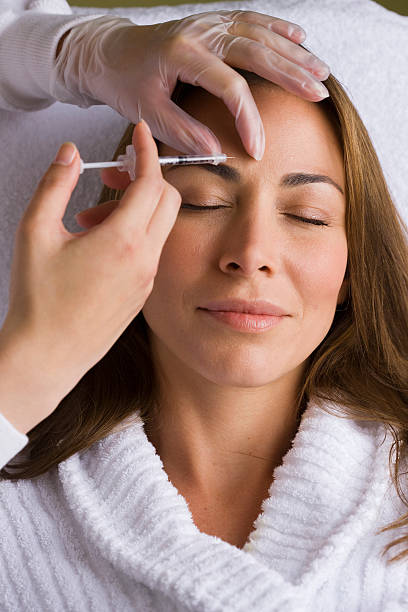
Fat grafting uses a patient’s own fat to restore volume, improve body contours or soften areas that appear hollow or uneven. The fat may be collected from the abdomen, thighs, waist or another suitable region before being carefully processed and transferred to the face, breasts, buttocks or selected contour irregularities.
Because the procedure uses living tissue, the transferred volume does not behave like a permanent solid implant from the first day.
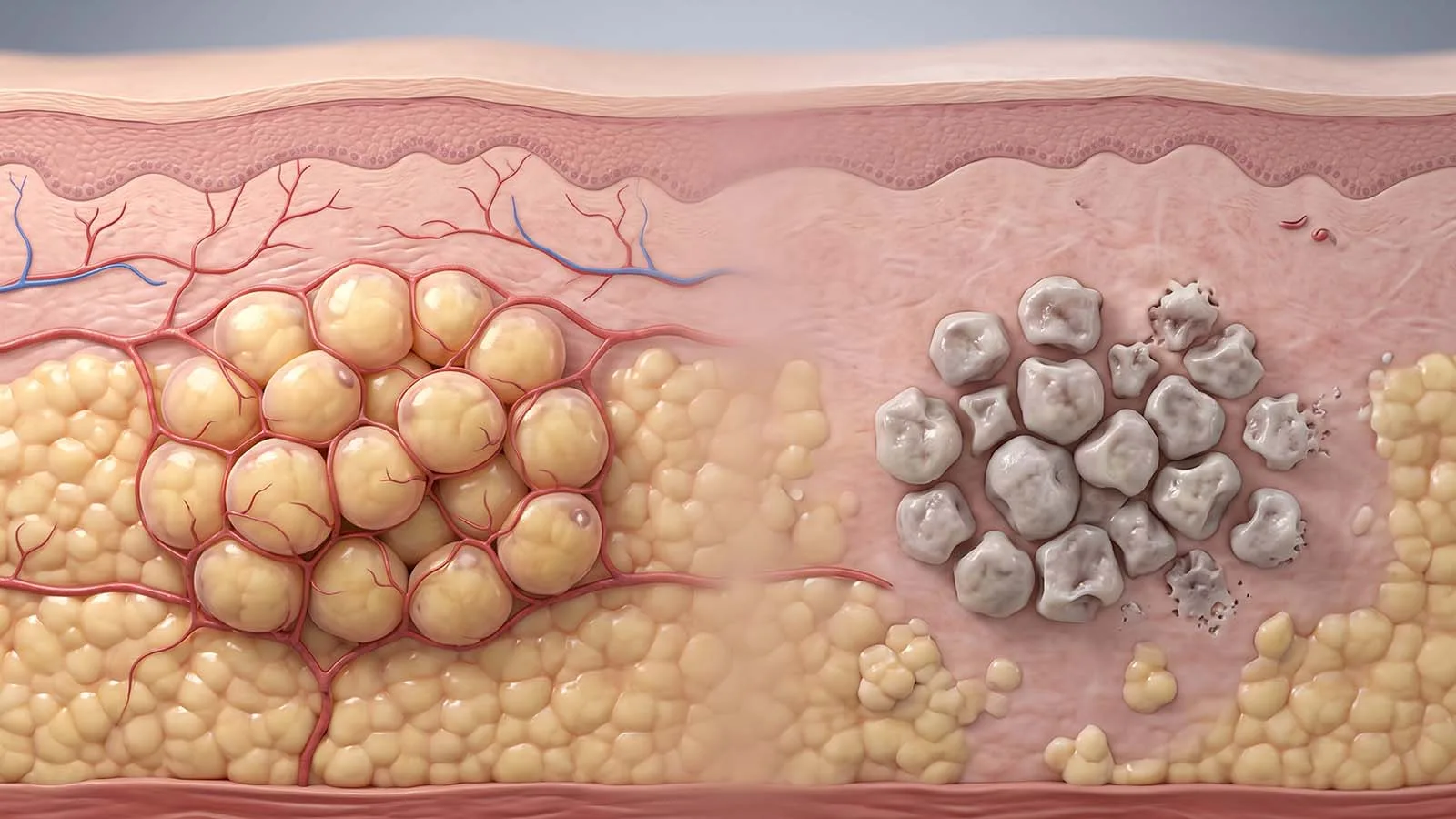
Some transferred fat cells successfully establish a new blood supply and remain within the treated area. Others do not receive enough oxygen and nutrients during the early healing period and are gradually absorbed by the body.
The direct answer is that some volume reduction after fat grafting is expected because not every transferred fat cell survives the transplantation process.
The amount retained can vary according to:
The area being treated
The quality of the harvested fat
How the fat is processed
Injection technique
Blood supply within the recipient area
The amount transferred at one time
Pressure placed on the treated region
Smoking and general health
Postoperative swelling
Weight changes after surgery
This is why the fullness seen immediately after fat transfer should not be considered the final result. The tissues need time to recover, swelling must settle, and the surviving fat must become integrated into its new location.
Understanding this biological process can help patients develop realistic expectations and avoid assuming that every early change represents a failed procedure.
What Is Autologous Fat Grafting?
Autologous fat grafting means transferring fat from one area of the patient’s own body to another.
The procedure generally involves three main stages:
Fat Harvesting
Fat is removed from a suitable donor region through a controlled liposuction technique.
Common donor areas may include:
Abdomen
Waist
Flanks
Inner thighs
Outer thighs
Hips
The donor area must contain enough accessible fat to support the planned transfer without creating an undesirable contour.
Fat Processing
The collected material contains more than healthy fat cells. It may also include fluid, oil, blood and damaged tissue.
The harvested fat is therefore processed to prepare suitable graft material for transfer. The method may vary according to the volume required, treatment area and surgical technique.
Fat Placement
The prepared fat is placed into the recipient area using small cannulas. Rather than depositing one large mass, the fat is generally distributed in multiple small amounts across different tissue planes.
This distribution is important because transferred fat initially has no independent blood supply. Each small deposit must remain close enough to healthy surrounding tissue to receive oxygen and nutrients while new circulation develops.
What Happens To Fat Immediately After It Is Transferred?
The transferred fat experiences a temporary period without its original blood supply.
Before removal, each fat cell is supported by tiny blood vessels in the donor area. Harvesting separates the tissue from that circulation.
Once the fat is placed in its new location, it must survive initially through the movement of oxygen and nutrients from nearby recipient tissues.
During the early healing period:
The transferred cells depend on surrounding tissue for nourishment.
Inflammation develops as part of the healing response.
Small blood vessels begin growing toward the grafted tissue.
Some fat cells successfully reconnect with the local circulation.
Some damaged or poorly nourished cells do not survive.
Oil from non-surviving cells may be gradually cleared.
The remaining tissue begins stabilising within the new area.
Fat cells located close to healthy, well-perfused tissue have a better opportunity to survive than cells placed too far from a blood supply.
This is why fat cannot simply be injected as one large collection and expected to remain completely unchanged.
The early biological environment determines which portions become living, integrated tissue and which portions are absorbed or replaced by scar-like tissue.
Why Is A New Blood Supply Essential For Fat Survival?
Fat is living tissue. Like other tissues in the body, it requires oxygen and nutrients delivered through blood vessels.
After transfer, the graft does not instantly reconnect with the circulation. New microscopic vessels must develop from the surrounding recipient tissue.
This process is known as revascularisation.
Successful integration depends on:
Healthy recipient tissue
Adequate local circulation
Small, well-distributed fat deposits
Limited physical damage to the graft
Minimal excessive pressure
Stable early healing
Cells near the outside of each small fat deposit are closer to the surrounding blood supply and may receive nourishment more easily.
Cells located deep within a large cluster may remain too far from healthy vessels. Without adequate oxygen, these cells may become damaged or die before new circulation reaches them.
The body may then:
Absorb the non-surviving cells
Clear released oil
Form a small oil cyst
Replace part of the area with fibrous tissue
Develop an area of fat necrosis
Small areas may cause no obvious symptoms and may settle without intervention. Larger or symptomatic areas can sometimes produce firmness, tenderness, irregularity or a palpable lump and may require assessment.
Why Can Injecting Too Much Fat At Once Reduce Survival?
It may seem logical that transferring more fat will create a larger and longer-lasting result. However, the recipient area has a limited capacity to support newly transferred tissue at one time.
When excessive fat is placed within a restricted space:
Deposits may merge into larger clusters.
Cells in the centre may remain far from blood vessels.
Tissue pressure may increase.
Local circulation may become less efficient.
The fat may be distributed unevenly.
The possibility of fat necrosis may increase.
For this reason, larger volume does not automatically mean greater retained volume.
A carefully distributed transfer may produce better integration than placing as much fat as physically possible during one session.
In areas requiring significant enlargement, a staged approach may sometimes be considered. This allows one layer of transferred fat to heal and establish circulation before additional volume is introduced later.
The appropriate volume depends on:
Recipient-area size
Tissue flexibility
Existing blood supply
Skin quality
The purpose of the procedure
The patient’s anatomy
The safety requirements of the treatment area
The goal is not to transfer the highest possible number of millilitres. It is to place a volume that the recipient tissues can realistically support.
Does The Treatment Area Affect How Much Fat Survives?
Yes. Fat retention can differ between the face, breasts, buttocks and smaller contour irregularities because each area has different tissue characteristics.
Facial Fat Grafting
Facial fat transfer usually involves smaller volumes placed across carefully selected tissue planes. It may be used to soften hollow temples, restore cheek volume or improve selected contour deficiencies.
The facial blood supply can support graft integration, but precision is important because small differences in volume may be visible.
Breast Fat Transfer
The breasts may accept a larger volume than the face, but the fat must still be distributed throughout suitable tissue rather than collected in one area.
The existing breast tissue, skin envelope, previous surgery, scarring and desired enlargement all influence how much can be transferred safely.
Buttock Fat Transfer
This procedure involves unique safety considerations because fat placement must respect the anatomy and major blood vessels of the gluteal region.
The objective is not only fat survival but also safe placement within the correct tissue plane. Large-volume gluteal fat transfer should never be discussed only as a cosmetic volume decision.
Correction Of Contour Irregularities
Smaller fat grafts may be used to soften depressions, scars or uneven areas after surgery or injury. Tissue quality and previous scarring can influence circulation and predictability.
The same harvesting and injection plan should therefore not be applied identically to every part of the body.
Why Does The Result Look Fuller Immediately After Fat Transfer?
The treated area often appears fuller immediately after surgery than it will several weeks or months later.
The early volume may include:
Transferred fat
Surgical swelling
Inflammatory fluid
Fluid used during the procedure
Temporary tissue firmness
Mild bruising
As this swelling settles, the treated area naturally becomes smaller.
At the same time, a proportion of the transferred cells that did not establish adequate circulation may be absorbed. These two processes can occur together, making the change appear more dramatic.
This does not necessarily mean that all the transferred fat has disappeared.
Patients should avoid judging the outcome based on:
The first postoperative day
Early swelling
One side settling faster than the other
Temporary firmness
Photographs taken under different lighting
Changes seen from one week to the next
The tissues require time to stabilise before the retained volume can be evaluated meaningfully.
Repeatedly pressing, massaging or comparing the area without instruction may also irritate healing tissues. Postoperative massage is appropriate for some procedures and unsuitable for others, so it should only be performed when specifically advised.
How Much Transferred Fat Usually Survives?
There is no single survival percentage that applies to every patient or every treatment area.
Fat retention varies because the procedure involves living tissue rather than a fixed-volume implant. Even when the technique is carefully performed, some cells will integrate successfully while others will be absorbed during healing.
Retention may be influenced by:
Fat-harvesting technique
Degree of tissue trauma
Fat-processing method
Time between harvesting and placement
Size of each deposited fat parcel
Recipient-area blood supply
Volume transferred
Smoking or nicotine exposure
Pressure on the treated area
Postoperative weight changes
Individual healing response
For this reason, percentages quoted online should not be treated as guarantees.
The more useful question is whether the procedure has been planned to maximise healthy integration while avoiding excessive volume, unsafe placement or unrealistic expectations.
When Can The Final Fat-Transfer Result Be Assessed?
The early appearance changes repeatedly as swelling settles and the transferred tissue stabilises.
During The First Few Days
The treated area may appear significantly fuller because of swelling, fluid and inflammation.
Bruising, tenderness and temporary asymmetry may also be present.
During The First Few Weeks
Swelling gradually reduces, and the transferred area may begin feeling softer. Some of the initial fullness naturally decreases.
This phase can make patients worry that the transferred fat is disappearing too quickly, even though much of the change may simply be swelling reduction.
Over The Following Months
The surviving fat becomes more stable within the recipient tissues. Residual swelling continues to settle, and the contour becomes easier to evaluate.
Small differences between the two sides may also become less noticeable as healing progresses.
The final assessment should therefore occur only after sufficient time has passed for:
Swelling to settle
Fat integration to stabilise
Tissue firmness to soften
Bruising to resolve
Weight to remain consistent
The contour to become more predictable
The exact timeline depends on the area treated and whether fat grafting was combined with another procedure.
Can Smoking Or Nicotine Reduce Fat Survival?
Nicotine can narrow blood vessels and reduce circulation within healing tissues.
Because newly transferred fat depends on developing a blood supply, reduced circulation may negatively affect integration and wound healing.
Nicotine exposure may come from:
Cigarettes
Vaping products
Nicotine gum
Nicotine patches
Certain tobacco products
Patients should disclose all nicotine use before surgery rather than mentioning cigarettes alone.
Smoking may also increase the possibility of:
Delayed healing
Skin complications
Infection
Poor scar quality
Reduced tissue oxygenation
Less predictable fat retention
The required nicotine-free period should be discussed during consultation and followed both before and after surgery.
Stopping only on the day of the procedure may not provide enough time for the body’s circulation and healing response to improve.
Does Pressure On The Treated Area Affect Fat Retention?
During the early healing period, prolonged or excessive pressure may interfere with comfort and potentially compromise the environment required for fat integration.
The practical restrictions depend on where the fat was placed.
Facial Fat Transfer
Patients may be advised to avoid forceful massage, tight facial devices or repeatedly sleeping with direct pressure on the treated side.
Breast Fat Transfer
Heavy compression directly over the transferred tissue may not be appropriate unless specifically prescribed as part of the surgical plan.
A supportive garment should not automatically be assumed to require maximum tightness.
Buttock Fat Transfer
Sitting and sleeping instructions are especially important because direct pressure may affect the grafted region.
Patients may need modified positioning, carefully planned breaks and specific guidance about when normal sitting can resume.
The principle is not that the treated area must never be touched. It is that unnecessary sustained pressure should be avoided while the transferred tissue is establishing circulation.
Patients should follow the instructions designed for their procedure rather than copying positioning advice from another type of fat transfer.
Can Weight Loss Make Transferred Fat Disappear?
Once transferred fat cells successfully survive and integrate, they generally respond to weight changes like fat elsewhere in the body.
This means they may:
Shrink with significant weight loss
Enlarge with weight gain
Change proportionately with the surrounding tissues
A patient who loses substantial weight after surgery may notice reduced fullness in the treated area.
Similarly, significant weight gain can make the transferred region larger and may alter the intended contour.
Fat grafting should ideally be planned when the patient is close to a weight they can maintain comfortably.
Minor everyday fluctuations are not usually the main concern. Larger or repeated weight changes are more likely to affect the appearance.
Fat transfer should not be treated as protection against future body-weight variation.
Why Can One Side Retain More Fat Than The Other?
Perfectly equal retention cannot always be guaranteed.
The two sides of the body may differ naturally in:
Blood supply
Tissue thickness
Skin elasticity
Existing volume
Scar tissue
Pressure during sleep
Swelling
Baseline anatomy
Even when equal volumes are transferred, the final appearance may not become completely symmetrical.
Early asymmetry may also be caused by uneven swelling rather than a true difference in fat survival.
The treated area should be given enough time to settle before revision is considered.
Where a meaningful difference remains after healing, possible options may include:
Observation
A smaller secondary fat transfer
Adjustment of the surrounding contour
Treatment of scar-related irregularity
Accepting mild natural asymmetry
The objective is usually improved balance rather than exact mirror-image symmetry.
What Are Fat Necrosis And Oil Cysts?
When transferred fat cells do not survive, the body usually clears them gradually. In some cases, a small collection of oil or firm tissue may remain.
Fat Necrosis
Fat necrosis refers to non-surviving fat tissue that may become firm or form a palpable area beneath the skin.
Oil Cyst
An oil cyst may develop when oil released from damaged fat cells collects within a small space.
Possible symptoms include:
A firm lump
Localised tenderness
A small area of hardness
Contour irregularity
Skin changes in uncommon cases
Many small areas settle or remain harmless, but a new lump should still be assessed—particularly after breast fat transfer, where appropriate imaging or clinical examination may be required.
Patients should not attempt forceful massage or repeated pressure to break down a lump unless specifically advised.
The correct management depends on its size, location, symptoms and appearance.
Can A Second Fat-Grafting Session Be Required?
Yes. Fat grafting may sometimes be planned as a staged procedure.
A second session does not automatically mean that the first procedure failed.
Additional treatment may be considered when:
A larger volume increase is desired
The recipient tissues could not safely support more fat initially
Some transferred volume was absorbed
Mild asymmetry remains
Scarred tissue requires gradual correction
The patient wants further refinement
More donor fat becomes available after healing
Staging can be particularly useful when the objective requires more volume than the tissues can reliably accept in one procedure.
Before another session, the treated area should be allowed to stabilise. The donor areas, retained volume, tissue quality and patient’s expectations should then be reassessed.
How Can You Support Fat Survival During Recovery?
Patients cannot control every biological aspect of graft survival, but they can avoid several preventable problems.
Important measures may include:
Avoiding smoking and nicotine
Following pressure and positioning instructions
Wearing only prescribed garments
Keeping incisions clean
Avoiding unapproved massage
Staying adequately hydrated
Eating sufficient protein and balanced meals
Avoiding extreme dieting
Maintaining stable body weight
Attending follow-up appointments
Reporting unusual swelling, redness or lumps
Resuming exercise gradually
Supplements, oils or home remedies cannot guarantee that transferred fat will survive.
Successful integration depends primarily on surgical planning, healthy recipient tissues, careful technique and appropriate healing.
Common Myths About Fat Transfer
“All The Injected Fat Becomes Permanent Immediately”
Transferred fat must first survive the early period without its original circulation and establish a new blood supply.
“More Fat Injected Means More Fat Will Remain”
Excessive volume within a limited space may reduce survival and increase the risk of irregularity or fat necrosis.
“The Fullness Seen On The First Day Is The Final Result”
Early volume includes swelling, fluid and inflammation as well as transferred fat.
“If The Area Becomes Smaller, The Procedure Has Failed”
Some reduction is expected as swelling resolves and non-surviving cells are absorbed.
“Fat Transfer Cannot Produce Lumps Because It Uses Your Own Tissue”
Living fat can undergo necrosis or form oil cysts when part of the graft does not receive adequate circulation.
“Transferred Fat Is Unaffected By Future Weight Changes”
Surviving fat cells may shrink or enlarge when the patient loses or gains significant weight.
“One Session Can Always Create Any Desired Volume”
The recipient tissue has a limited capacity. Larger changes may require a staged approach.
Why Surgical Planning Matters In Fat Grafting
Successful fat transfer depends on more than removing fat from one area and injecting it into another.
Planning must consider:
Availability of suitable donor fat
Desired correction
Recipient-area capacity
Local blood supply
Skin and tissue quality
Previous scars or surgery
Safe anatomical placement
Expected swelling
Likelihood of future weight changes
Whether staged treatment may be preferable
The fat must be harvested gently, prepared appropriately and distributed in small amounts across suitable tissue planes.
The objective is not to maximise the volume injected. It is to maximise the opportunity for healthy fat integration while protecting the surrounding tissues.
Why Choose Hair & Shape For Fat-Grafting Planning In Mumbai?
At Hair & Shape Clinic, fat grafting is planned according to the donor area, recipient tissues and the degree of volume change that can be achieved safely.
The assessment may include:
Availability and quality of donor fat
Skin elasticity
Existing asymmetry
Recipient-area blood supply
Previous surgery or scar tissue
Desired contour and projection
Safe fat-placement planes
Expected volume retention
Possibility of staged treatment
Postoperative pressure and positioning requirements
Patients receive realistic guidance about early swelling, expected volume reduction and the time required before the retained result can be assessed.
The goal is to achieve natural, proportionate improvement while recognising that transferred fat is living tissue and cannot be treated as a fixed implant volume.
Final Thoughts
Some transferred fat disappears after fat grafting because not every transplanted cell successfully develops a new blood supply.
The initial fullness includes transferred fat, swelling and surgical fluid. As swelling settles and non-surviving cells are absorbed, the treated area naturally becomes smaller.
The amount retained depends on fat quality, recipient-area circulation, injection technique, transferred volume, smoking, pressure, postoperative care and weight stability.
Injecting more fat does not automatically produce greater permanent volume. The recipient tissues can support only a limited amount at one time, and excessive placement may increase the possibility of poor survival, lumps or fat necrosis.
Patients should allow the result to stabilise before judging volume or symmetry. In selected cases, a second session may be used to build volume gradually or refine the contour.
Fat grafting is most predictable when it is approached as a biological tissue-transfer procedure—not simply as filling an area with a measured quantity of fat.
Keep reading
Breast Surgery: Complete Guide To Procedures, Recovery & Results
Breast surgery includes personalized procedures designed to enhance, restore, or improve breast size, shape, and symmetry. This guide explains different breast procedures such as augmentation, reduction, breast lift, recovery timeline, benefits, candidate suitability, and the importance of choosing an experienced plastic surgeon at Hair & Shape Clinic, Mumbai.

Gender Reassignment Surgery in Mumbai: A Complete Patient Guide
Gender affirmation surgery is a personalised medical journey that helps align physical characteristics with gender identity. This guide covers different procedures, preparation, recovery, safety considerations, costs in Mumbai, expected outcomes and important factors to consider before choosing gender-affirming care.

Plastic & Aesthetic Surgery: A Complete Guide To Procedures, Recovery & Natural Results
Plastic and aesthetic surgery includes personalized procedures designed to enhance or restore facial and body appearance while maintaining natural balance. This guide covers facial surgery, body contouring, breast procedures, recovery, candidate considerations, and the importance of choosing an experienced plastic surgeon at Hair & Shape Clinic, Mumbai.