When Is It Safe To Travel By Mumbai Local After Plastic Surgery?
Introduction
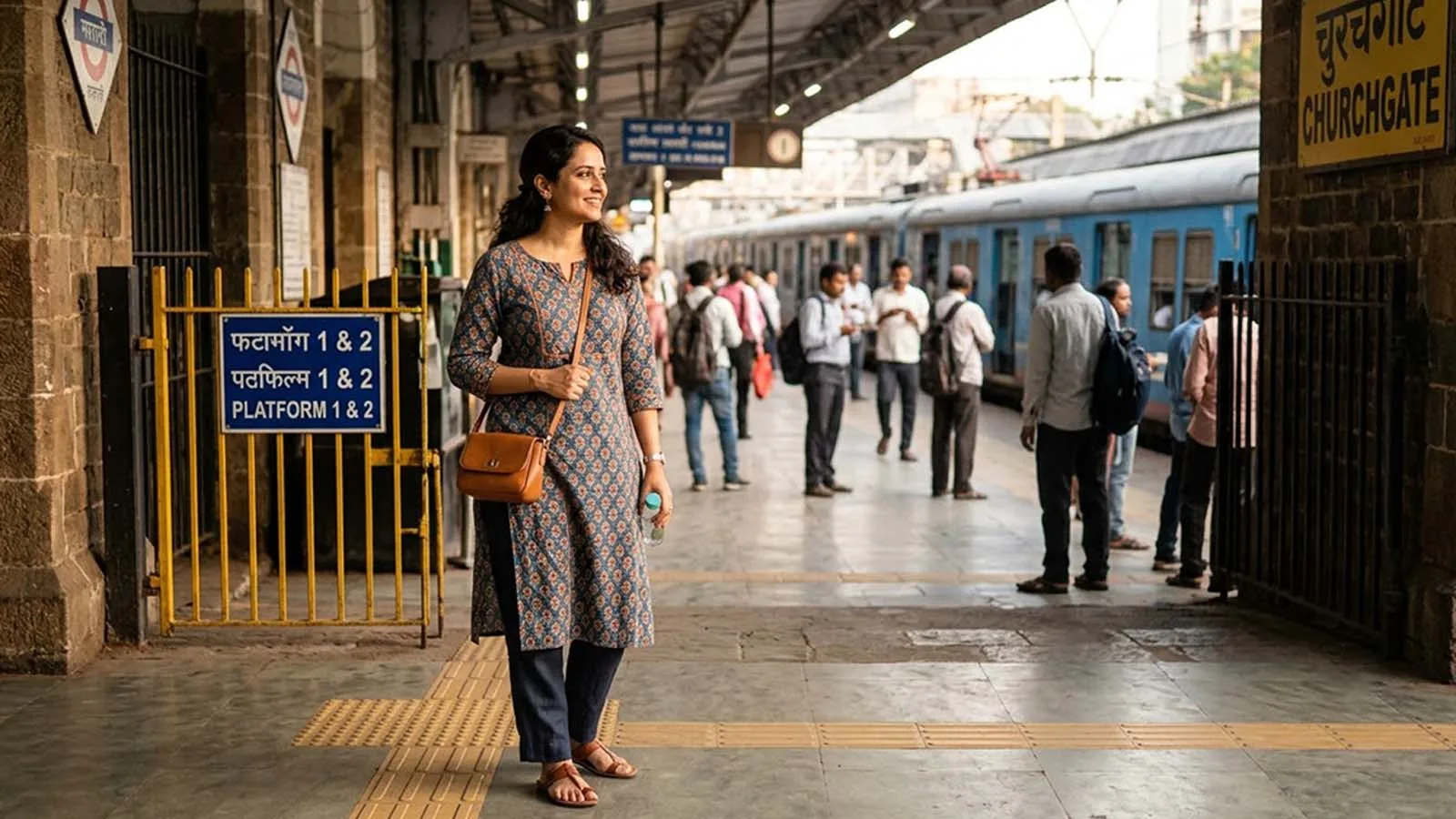
For many people in Mumbai, returning to work also means returning to local-train travel. A journey may involve walking to the station, climbing a footbridge, standing in a crowded compartment, protecting the operated area from accidental contact and completing another commute at the end of the day.
This makes returning to a Mumbai local very different from taking a brief, comfortable walk at home.
The direct answer is that local-train travel should usually be avoided during the early recovery period after plastic surgery. Even when a patient can walk independently, they may not yet be ready for long station corridors, stairs, crowd pressure, sudden train movements or prolonged standing.
There is no single safe day that applies to every procedure. Readiness depends on:
The surgery performed
The body area treated
The type of anaesthesia used
Pain, swelling and fatigue
Incisions, dressings or drains
Mobility and balance
Medication being taken
Length and timing of the commute
Whether a seat is reliably available
The patient’s individual risk of blood clots
The surgeon’s postoperative instructions
A person recovering from a limited facial procedure may return sooner than someone recovering from a tummy tuck, extensive liposuction, breast surgery or a combined body-contouring procedure.
The safest decision should therefore be based on whether the patient can complete the entire journey safely, not simply whether they can walk a few steps without assistance.
Why Is Mumbai Local-Train Travel Different From Normal Walking?
Gentle walking is commonly encouraged after many operations because it supports circulation and prevents excessive stiffness.
However, a local-train commute involves more than walking.
A typical journey may require the patient to:
Walk from home or parking to the station
Climb stairs or a footbridge
Pass through ticket barriers
Stand while waiting
Enter the train quickly
Maintain balance during sudden movement
Protect the surgical area in a crowd
Carry a phone, handbag or work bag
Remain seated or standing for an extended period
Repeat the journey later in the day
Each activity may be manageable individually but exhausting when combined.
The patient must also account for delays, platform changes, unavailable lifts, wet monsoon surfaces and the possibility that no seat will be available.
Being able to walk around the home does not necessarily mean the body is ready for a full commute.
Why Is The Early Recovery Period Physically Demanding?
Plastic surgery may involve small external incisions but wider healing beneath the skin.
During early recovery, the body may be managing:
Inflammation
Swelling
Bruising
Tissue tightness
Temporary numbness
Reduced movement
Incision healing
Effects of anaesthesia
Changes in sleep
Medication-related drowsiness
General fatigue
Energy is being directed toward tissue repair. Activities that previously felt routine may therefore become unexpectedly tiring.
Patients may feel reasonably comfortable while resting but experience increased swelling, throbbing or exhaustion after walking and standing for longer periods.
The challenge is greater after procedures involving the abdomen, breasts, thighs, arms or multiple body areas because ordinary commuter movements may pull on healing tissues.
Returning too quickly can leave the patient unable to complete the journey comfortably or safely.
Does The Type Of Plastic Surgery Affect When You Can Travel?
Yes. Different procedures affect mobility, balance, clothing, swelling and physical endurance in different ways.
Liposuction
Patients may experience swelling, tenderness, bruising and tightness beneath a compression garment. Long periods of standing or sitting can feel uncomfortable, particularly when several body areas have been treated.
Tummy Tuck
An abdominal procedure may make it difficult to stand fully upright, climb stairs, move quickly or tolerate sudden pressure against the abdomen. Some patients may also have drains during the early recovery period.
Breast Surgery
Reaching for overhead handles, carrying a bag, protecting the chest in a crowd and controlling sudden upper-body movement may be uncomfortable after breast augmentation, reduction or lift surgery.
Gynecomastia Surgery
Arm movement, chest pressure and carrying a backpack may irritate the treated area. A compression vest can also feel warm during a crowded commute.
Facial Plastic Surgery
The patient may be physically mobile but still have visible swelling, nasal support, facial tenderness or instructions to avoid pressure and accidental impact.
Combined Procedures
Recovery is generally more demanding when several operations are performed together. Mobility may be limited across more than one body region, and fatigue may last longer.
The return-to-travel decision must therefore reflect the actual procedure rather than a generic cosmetic-surgery timeline.
Why Can Crowding Be Risky After Plastic Surgery?
Crowded compartments create unpredictable physical contact.
A recovering patient may be:
Pushed while entering
Compressed between passengers
Struck by a shoulder or bag
Forced to twist suddenly
Unable to protect an incision
Unable to sit when discomfort increases
Required to move quickly while exiting
Accidental contact may be especially uncomfortable after surgery involving the:
Abdomen
Breasts
Chest
Face
Nose
Arms
Hips
Thighs
Even when the wound is covered by clothing, pressure can affect swollen and tender tissues beneath the skin.
Crowding can also disturb dressings, fold compression garments or place direct pressure over a healing incision.
A patient may technically be able to travel during a quieter period but not be ready for peak-hour conditions. The timing and crowd level of the journey should therefore be considered separately.
Can Sudden Train Movement Affect Recovery?
Mumbai local trains may start, stop or change speed while passengers are standing.
Maintaining balance often requires:
Tightening the abdominal muscles
Reaching for an overhead handle
Gripping a support bar
Shifting weight rapidly
Twisting the torso
Taking an abrupt step
These movements can be uncomfortable after surgery.
A patient recovering from abdominal surgery may feel pulling or tightness when the core contracts suddenly. Someone recovering from breast or arm surgery may not be ready to hold an overhead support. A patient taking pain medication may also react more slowly or feel unsteady.
The concern is not that one train movement will automatically damage a surgical result. The concern is that unexpected movement may cause:
Loss of balance
A fall
Direct impact
Sudden strain
Increased pain
Pulling around the incision
Pressure against swollen tissue
Before returning to local-train travel, the patient should be able to stand, turn and respond to normal movement without instability or significant discomfort.
Why Do Station Stairs And Footbridges Matter?
The train journey itself may be only one part of the commute.
Many stations require passengers to:
Climb multiple flights of stairs
Cross a footbridge
Walk between platforms
Use long connecting passages
Stand in queues
Navigate uneven or wet surfaces
Climbing stairs places greater demand on the legs, heart and lungs than walking on a flat indoor surface.
It may also increase tightness or pulling after:
Abdominal liposuction
Tummy tuck
Thigh liposuction
Lower-body lift
Combined body contouring
Fat-transfer procedures
Patients who are still walking slowly or in a slightly bent posture may find station stairs particularly difficult.
Lifts and escalators cannot always be assumed to be available. The patient should therefore evaluate the journey based on the most physically demanding part of the route, not the easiest part.
Why Does Prolonged Sitting Or Standing Matter After Surgery?
Remaining in one position for a long time can increase stiffness and make postoperative swelling feel more noticeable.
Prolonged sitting may create pressure around treated areas such as the:
Abdomen
Waist
Hips
Thighs
Buttocks
Prolonged standing may increase heaviness, fatigue and lower-body swelling.
The patient may also be unable to adjust a compression garment or change position comfortably inside a crowded compartment.
Short, frequent movement during recovery is different from remaining upright throughout a long commute. A patient who tolerates several five-minute walks at home may still struggle with a forty-minute journey followed by more walking and standing.
The complete duration from leaving home to reaching the workplace should be considered.
Why Is Blood-Clot Prevention Important After Surgery?
Surgery and reduced mobility can temporarily increase the risk of developing a blood clot in a deep vein, usually in the leg.
This condition is known as deep vein thrombosis. Part of a clot can occasionally travel to the lungs and cause a pulmonary embolism, which is a medical emergency.
The individual risk varies according to factors such as:
Type and duration of surgery
Previous blood clot
Reduced mobility
Obesity
Smoking
Pregnancy or recent childbirth
Hormonal medication
Certain medical conditions
Cancer history
Age
Lengthy travel
Gentle walking may be encouraged to support circulation, but this does not mean a patient should immediately undertake a demanding commute.
Local-train travel can involve prolonged sitting or standing with limited opportunity to move comfortably. The patient’s blood-clot prevention plan may also include compression stockings or medication, depending on their individual risk.
Any prevention instructions should be followed exactly rather than changed because the patient has returned to work.
What Symptoms Of A Blood Clot Require Urgent Attention?
Patients should seek prompt medical advice if they develop symptoms such as:
New swelling in one leg
Calf pain or tenderness
Unusual warmth
Redness or skin discolouration
Sudden shortness of breath
Chest pain
Coughing up blood
Faintness
An unusually rapid heartbeat
Sudden breathing difficulty, chest pain or collapse requires emergency medical attention.
These symptoms should not be attributed to tiredness, Mumbai heat, dehydration or a long commute without appropriate assessment.
Can Postoperative Medication Affect Travel Safety?
Pain medicines and other postoperative medications can influence:
Alertness
Balance
Reaction time
Blood pressure
Nausea
Bowel habits
Hydration
Concentration
Some patients feel dizzy or light-headed when standing, particularly during the first few days after anaesthesia or while taking stronger pain medication.
Travelling alone may be unsafe when the patient:
Feels drowsy
Has difficulty concentrating
Becomes dizzy when standing
Requires regular medication
Is experiencing nausea
Cannot walk confidently
Needs help managing drains or dressings
Patients should not assume that over-the-counter medication is automatically free from side effects.
The treating team should confirm when the patient is ready to travel independently and whether any prescribed medicines may affect alertness or balance.
When Is It Usually Safe To Resume Mumbai Local-Train Travel?
There is no universal number of days after which every plastic-surgery patient can safely use a local train.
A person may be ready only when they can manage the complete journey without significant pain, weakness, dizziness or risk to the operated area.
Recovery may take longer after:
Tummy tuck
Extensive liposuction
Breast reduction
Multiple procedures performed together
Surgery involving drains
Operations that restrict arm or abdominal movement
Procedures requiring prolonged compression
A limited procedure may allow an earlier return, but the decision should still account for station access, crowding and travel duration.
The safest timeline is based on functional recovery rather than the calendar alone.
What Signs Suggest That You May Be Ready To Commute?
Before attempting local-train travel, the patient should ideally be able to:
Walk comfortably for the expected distance
Climb the required stairs without significant strain
Stand safely during normal movement
Sit down and rise without assistance
Turn the body without sudden pain
Protect the operated area from accidental contact
Manage compression garments and dressings
Remain alert without medication-related drowsiness
Complete routine personal care independently
Tolerate activity without a major increase in swelling
Carry only essential lightweight belongings
Contact someone if assistance is needed
The incisions should also be progressing appropriately, with no increasing redness, unusual discharge, active bleeding or separation.
Being ready to work at a desk does not automatically mean being ready for the commute required to reach that desk.
Should Your First Journey Be During Off-Peak Hours?
Whenever possible, the first few journeys should be planned outside peak commuting hours.
Off-peak travel may reduce:
Crowd pressure
Accidental impact
Rushing while boarding
Prolonged standing
Competition for seating
Sudden twisting
Difficulty exiting the compartment
Anxiety about protecting the surgical area
The patient may also consider travelling from a station or platform with easier access, even when it creates a slightly longer route by car.
A shorter train journey with difficult station stairs may be less suitable than a longer route with a lift, escalator or more reliable seating.
The entire journey should therefore be planned according to physical demands rather than distance alone.
Should You Travel Alone After Plastic Surgery?
Travelling alone may not be appropriate during the earliest return to public transport.
A companion can help with:
Maintaining balance
Carrying essential belongings
Navigating stairs
Finding a seat
Protecting the patient in a crowd
Responding if dizziness or pain occurs
Arranging alternative transport if necessary
Assistance is particularly useful when the patient:
Still feels weak or fatigued
Has restricted arm movement
Cannot stand fully upright
Is wearing extensive compression
Has a drain
Experiences occasional dizziness
Is unfamiliar with their postoperative limits
Once the patient has completed a short journey comfortably, independent travel may be considered according to the recovery plan.
Can You Carry A Handbag, Laptop Bag Or Backpack?
A work commute often requires carrying more than expected.
A laptop, water bottle, charger, documents and personal items may create significant weight when combined.
Carrying a heavy bag may:
Pull on the shoulders after breast surgery
Increase chest discomfort after gynecomastia surgery
Strain the abdomen after a tummy tuck
Press against liposuction areas
Require sudden lifting onto a rack
Affect balance on stairs
Cause friction over compression garments
Backpacks may place pressure across healing breast, chest, back or arm areas. Cross-body bags may compress the abdomen or chest.
During the initial return, it is safer to carry only essential lightweight items. Work equipment may be sent ahead, kept at the workplace or carried by someone else.
A patient should also avoid placing heavy luggage on an overhead rack if reaching or lifting remains restricted.
How Should You Plan Your First Local-Train Commute?
The first journey should ideally be shorter and less demanding than the patient’s usual workday commute.
Review The Complete Route
Consider walking distance, stairs, platform changes, crowd levels and the availability of lifts or escalators.
Travel Outside Peak Hours
Choose a quieter period when possible so that boarding and exiting do not require rushing.
Arrange A Backup Option
Keep a taxi or family contact available in case pain, weakness or swelling increases.
Wear Suitable Clothing
Choose loose, breathable clothing that does not roll, compress or disturb the postoperative garment.
Carry Only Essentials
Avoid heavy bags, backpacks and unnecessary items.
Protect The Operated Area
Do not depend on strangers recognising that you are recovering. Position yourself away from doorways and heavily crowded sections.
Keep Necessary Medication Available
Carry only prescribed or approved medicines in their original packaging and follow the recommended schedule.
Avoid Testing Your Maximum Endurance
The purpose of the first journey is to confirm comfortable mobility, not to prove that the body can tolerate a full workday immediately.
What If Pain Or Swelling Increases During The Journey?
A mild increase in tightness or swelling may occur after greater activity, particularly during the early stages of recovery.
The patient should stop and reassess when experiencing:
Increasing pain
Throbbing
Dizziness
Nausea
Weakness
Shortness of breath
Sudden pressure around the incision
A feeling that the garment has folded
New drainage
Significant one-sided swelling
When symptoms are mild, the patient may need to rest, return home and discuss whether the activity level should be reduced.
Severe pain, faintness, breathing difficulty, chest pain or sudden leg swelling requires urgent medical attention.
The journey should not be continued merely because the patient has already reached the station or boarded the train.
Can You Use A Compression Garment During The Commute?
Patients who have been prescribed compression should normally continue using it according to their individual instructions.
Before leaving home, confirm that the garment is:
Clean
Completely dry
Smooth against the skin
Not rolled at the waist
Not folded around the groin or underarms
Not pressing directly over an incision
Supportive without restricting breathing
Covered by comfortable outer clothing
Sitting, climbing stairs and entering a crowded train may cause the garment to shift. It should be checked privately after the journey if discomfort develops.
Patients should not loosen, remove or replace prescribed compression during travel unless this has been discussed with the surgical team.
Does Returning To The Office Mean You Are Ready For Daily Travel?
Not necessarily.
Office work and commuting place different demands on the body.
A desk-based job may allow the patient to:
Sit in a supportive chair
Take regular breaks
Adjust clothing privately
Keep water nearby
Avoid carrying weight
Control the room temperature
The local-train journey may provide none of these advantages.
The first return to work may therefore involve:
Working from home
Attending for fewer hours
Travelling by car
Using flexible office timings
Alternating office and remote days
Avoiding consecutive demanding commute days
The return should be gradual when possible, especially after extensive or combined surgery.
Common Myths About Travelling By Mumbai Local After Surgery
“If I Can Walk, I Can Use The Local Train”
Walking inside the home is different from managing station stairs, crowds, sudden movement and prolonged standing.
“A Reserved Seat Makes The Journey Completely Safe”
A seat reduces standing but does not remove the risks associated with boarding, crowd pressure, stairs or prolonged sitting.
“Small Incisions Mean The Body Has Fully Recovered”
Plastic surgery can involve extensive healing beneath the skin despite small external openings.
“Returning To Work Means Returning To My Usual Commute”
A patient may be medically ready for light work but not for a demanding public-transport journey.
“Painkillers Will Make The Commute Easier”
Some pain medicines can cause drowsiness, dizziness or slower reactions. Medication should not be used to push through activity beyond the advised level.
“More Walking Always Speeds Recovery”
Gentle movement is useful, but excessive activity can increase fatigue, discomfort and swelling. Activity should progress gradually.
“Mumbai Heat Is Responsible For Every Increase In Swelling”
Heat and prolonged standing may make swelling more noticeable, but sudden, severe or one-sided swelling should be medically assessed.
Why Personalised Travel Planning Matters
Two patients who undergo surgery on the same day may not be ready for local-train travel at the same time.
Readiness depends on:
The procedure performed
Duration of surgery
Body areas treated
Type of anaesthesia
Incisions and drains
Mobility
Medication
Medical history
Blood-clot risk
Work demands
Station accessibility
Length and timing of the commute
Discussing these details before surgery allows leave, work-from-home arrangements and alternative transport to be organised in advance.
The goal is not to delay normal life unnecessarily. It is to return without exposing the patient to avoidable strain, crowd pressure or medical risk.
Why Choose Hair & Shape For Plastic-Surgery Recovery Planning In Mumbai?
At Hair & Shape Clinic, recovery guidance considers the realities of each patient’s daily routine.
Postoperative planning may include:
Walking and stair use
Public-transport readiness
Compression-garment management
Work and commute requirements
Lifting restrictions
Medication-related precautions
Incision and drain care
Blood-clot prevention
Warning signs requiring review
Gradual return to normal activity
Patients are encouraged to discuss their station route, travel duration, working hours and available support before surgery.
The objective is to create a practical recovery plan that reflects both the procedure and the physical demands of living and working in Mumbai.
Final Thoughts
Returning to Mumbai local-train travel after plastic surgery requires more than being able to walk independently.
The patient must be capable of managing station stairs, crowd pressure, sudden train movement, prolonged sitting or standing and the complete journey without significant pain, fatigue or instability.
There is no single safe return date for every procedure. A patient recovering from limited surgery may resume travel earlier than someone recovering from a tummy tuck, extensive liposuction, breast surgery or combined body contouring.
The first journey should ideally be short, off-peak and completed with minimal luggage and a companion when necessary. Alternative transport should remain available if pain, dizziness or swelling increases.
A safe return is determined by the procedure, healing progress and demands of the route—not only by the number of days since surgery.
Keep reading
Tummy Tuck: Complete Guide To Abdominoplasty Procedure, Recovery & Results
Tummy Tuck, also known as abdominoplasty, is a body contouring procedure designed to remove excess abdominal skin, tighten weakened muscles, and improve abdominal shape. This guide explains tummy tuck types, procedure steps, recovery timeline, benefits, candidate suitability, and the importance of choosing an experienced plastic surgeon at Hair & Shape Clinic, Mumbai.

Gynecomastia Surgery: Complete Guide To Male Breast Reduction, Recovery & Results
Gynecomastia surgery is a male chest reduction procedure that helps remove excess glandular tissue and fat to create a flatter, more masculine chest contour. This guide explains the causes of gynecomastia, surgical techniques, recovery timeline, benefits, candidate suitability, and the importance of choosing an experienced plastic surgeon at Hair & Shape Clinic, Mumbai.

Rhinoplasty: Complete Guide To Nose Reshaping Procedure, Recovery & Results
Rhinoplasty is a personalized nose reshaping procedure that improves nasal appearance, facial balance, and in some cases breathing function. This guide explains different types of rhinoplasty, procedure steps, recovery timeline, benefits, candidate suitability, and the importance of choosing an experienced plastic surgeon at Hair & Shape Clinic, Mumbai.