PRP Treatment For Hair Loss: Complete Guide To Procedure, Benefits & Results

Introduction
Hair fall is one of the most common concerns affecting both men and women. While losing a few hairs every day is a normal part of the hair growth cycle, excessive hair shedding, thinning, and reduced hair density can become a concern over time.
Many people notice changes such as a widening hairline, visible scalp, thinning crown area, or reduced hair volume. In the early stages of hair loss, non-surgical treatments can help support existing hair follicles and improve scalp health.
PRP (Platelet-Rich Plasma) Treatment is an advanced non-surgical hair restoration procedure that uses the patient's own blood components to support hair growth and improve the condition of existing hair follicles.
At Hair & Shape Clinic, Malad West, Mumbai, PRP treatments are planned according to individual hair loss patterns, scalp condition, and hair restoration goals under the guidance of Dr. Umang Kothari, MBBS, MS (General Surgery), DNB (Plastic Surgery).
What Is PRP Treatment For Hair Loss?
PRP (Platelet-Rich Plasma) treatment is a non-surgical procedure that uses concentrated platelets from the patient's own blood to support hair follicle activity.
Platelets contain growth factors that play an important role in tissue repair and healing.
During PRP therapy:
A small amount of blood is collected from the patient
The blood is processed to separate platelet-rich plasma
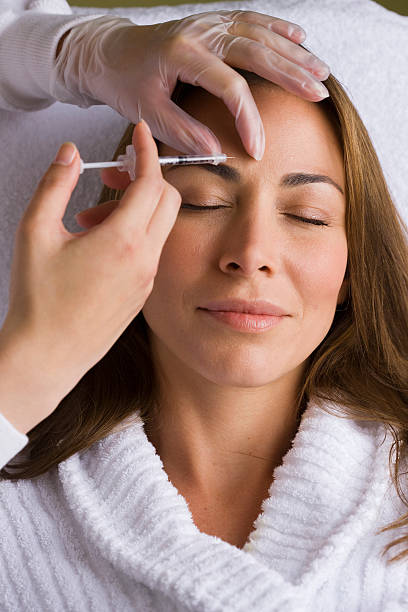
The concentrated plasma is injected into targeted areas of the scalp
The goal of PRP treatment is to create a supportive environment for existing hair follicles and help improve hair quality.
How Does PRP Treatment Work?
Hair growth depends on the health of individual hair follicles and the scalp environment.
PRP therapy works by delivering concentrated platelets containing growth factors directly to areas experiencing thinning.
These growth factors may help support:
Hair follicle nourishment
Scalp tissue repair
Follicle activity
Overall scalp health
PRP is generally considered a supportive treatment for individuals who still have active hair follicles but are experiencing thinning or reduced hair density.
Who Can Consider PRP Treatment?
PRP treatment may be considered for individuals experiencing early stages of hair loss or thinning.
It may be suitable for:
Male pattern hair loss
Female pattern hair thinning
Reduced hair density
Excessive hair shedding
Weak or thinning hair follicles
Early-stage hair loss
However, PRP is not suitable for every type of hair loss. A detailed consultation helps determine whether PRP is an appropriate treatment option.
PRP Treatment Procedure Explained
A PRP hair treatment session involves several carefully planned steps.
Consultation And Scalp Evaluation
Before starting treatment, the doctor evaluates:
Hair loss pattern
Scalp condition
Hair density
Existing follicle health
Medical history
This assessment helps create a personalized treatment plan.
Understanding the reason behind hair loss is important because different causes require different approaches.
Blood Collection
During the procedure, a small amount of blood is collected from the patient's arm.
The blood sample is then processed using specialized equipment to separate the platelet-rich plasma from other blood components.
Preparation Of Platelet-Rich Plasma
The collected blood is processed to concentrate platelets and growth factors.
This platelet-rich plasma is prepared for injection into targeted areas of the scalp.
Scalp Injections
The prepared PRP is carefully injected into areas experiencing hair thinning.
The treatment focuses on areas where hair follicles need additional support.
The procedure is performed with precision to ensure proper distribution across the affected scalp areas.
Benefits Of PRP Treatment For Hair Loss
Non-Surgical Hair Restoration Option
PRP treatment does not involve surgery or hair transplantation. It uses the patient's own blood components.
Uses Natural Growth Factors
Since PRP is prepared from the individual's own blood, it provides naturally occurring growth factors that support tissue healing.
Helps Improve Hair Quality
PRP may help improve the strength, thickness, and overall quality of existing hair in suitable candidates.
Minimal Downtime
Most individuals can return to their normal routine shortly after the procedure.
Can Be Combined With Other Hair Treatments
Depending on individual requirements, PRP may be used along with other hair restoration approaches for comprehensive management.
How Many PRP Sessions Are Required?
The number of PRP sessions depends on:
Severity of hair loss
Scalp condition
Individual response to treatment
Hair restoration goals
Many treatment plans involve multiple sessions scheduled at specific intervals.
A personalized consultation helps determine the appropriate treatment schedule.
PRP Treatment Recovery Process
One of the advantages of PRP treatment for hair loss is that it involves minimal downtime compared to surgical hair restoration procedures.
After a PRP session, some individuals may experience:
Mild redness on the scalp
Slight swelling
Temporary sensitivity
Mild discomfort at injection points
These effects are usually temporary and improve within a short period.
Patients are generally advised to follow post-treatment instructions, which may include avoiding certain hair products or activities for a specific duration after the session.
When Can You See Results After PRP Treatment?
PRP treatment does not provide overnight results because hair growth follows a natural cycle.
The improvement happens gradually as hair follicles respond to treatment.
First Few Weeks
The scalp begins the healing and recovery process after PRP injections.
Some patients may notice improvement in scalp condition and hair texture over time.
3 To 6 Months
Gradual improvements may become noticeable in:
Hair thickness
Hair strength
Reduced hair shedding
Overall hair quality
The response varies from person to person depending on follicle health and the cause of hair loss.
6 To 12 Months
With a suitable treatment plan, patients may continue to observe improvement in hair density and quality.
Maintenance sessions may be recommended depending on individual requirements.
Is PRP Treatment Permanent?
PRP treatment can help support existing hair follicles, but it does not permanently stop every cause of hair loss.
The results depend on factors such as:
Cause of hair loss
Age
Genetics
Hair follicle condition
Overall scalp health
For long-term hair management, some individuals may require maintenance treatments or a combination approach.
PRP Treatment Vs Hair Transplant
PRP and hair transplant are different approaches to managing hair loss.
PRP Treatment
Non-surgical procedure
Uses the patient's own platelet-rich plasma
Helps support existing hair follicles
Suitable for early-stage thinning in appropriate candidates
Hair Transplant
Surgical hair restoration procedure
Uses healthy hair follicles from the donor area
Creates new hair growth in areas with significant hair loss
The suitable option depends on the stage and cause of hair loss.
A detailed consultation helps determine the right approach.
Who Is A Good Candidate For PRP Hair Treatment?
PRP treatment may be suitable for individuals who:
Have early-stage hair thinning
Experience excessive hair shedding
Want a non-surgical hair restoration option
Have weakened but active hair follicles
Want to improve overall hair quality
Individuals with advanced baldness or areas without active follicles may require different treatment options.
Why Choose Hair & Shape Clinic For PRP Treatment In Mumbai?
Choosing the right clinic is important when considering hair restoration treatments.
Hair & Shape Clinic, Malad West, Mumbai, provides personalized hair loss solutions based on individual scalp condition, hair loss pattern, and restoration goals.
The clinic is led by:
Dr. Umang Kothari
MBBS, MS (General Surgery), DNB (Plastic Surgery)
The treatment approach focuses on:
Detailed scalp and hair assessment
Personalized PRP treatment planning
Understanding the cause of hair loss
Combination-based hair restoration approaches
Long-term hair care guidance
For more information about PRP Treatment, visit:
Frequently Asked Questions About PRP Treatment
What is PRP treatment for hair loss?
PRP treatment is a non-surgical hair restoration procedure that uses platelet-rich plasma from the patient's own blood to support existing hair follicles.
Is PRP treatment painful?
PRP involves small injections into the scalp. Most individuals experience minimal discomfort during the procedure.
How many PRP sessions are needed for hair growth?
The number of sessions depends on the individual's hair loss condition, scalp health, and treatment goals.
Can PRP regrow completely bald areas?
PRP works best when active hair follicles are present. Completely bald areas without functioning follicles may require other restoration options.
How long do PRP results last?
Results vary between individuals. Some patients may require maintenance sessions to continue supporting hair health.
Conclusion
PRP Treatment is a non-surgical hair restoration option that can help improve hair quality and support existing hair follicles in suitable candidates.
The effectiveness of PRP depends on proper evaluation, understanding the cause of hair loss, personalized treatment planning, and consistent follow-up.
If you are considering PRP Treatment in Mumbai, consulting an experienced hair restoration specialist can help you understand your options and create a treatment plan based on your hair goals.
Keep reading
Mounjaro vs Ozempic in India: Which Weight-Loss Injection Is Right for You?
Mounjaro and Ozempic are popular weight-management injections discussed in India, but they are not suitable for everyone. Understand the difference between tirzepatide and semaglutide, how they work, who may benefit, possible side effects, safety considerations and how to choose the right option with medical guidance.

How Does Mumbai’s Humid Weather Affect Recovery After Liposuction?
Mumbai’s hot and humid weather does not reverse liposuction results, but it can make recovery more uncomfortable by increasing sweating, garment dampness, skin friction and irritation. This guide explains how to manage compression, swelling, hygiene, movement and daily travel safely during recovery.

When Is It Safe To Travel By Mumbai Local After Plastic Surgery?
Returning to Mumbai local-train travel after plastic surgery requires more than being able to walk. This guide explains how crowds, stairs, sudden train movement, swelling, medication, luggage and blood-clot risk can affect a safe return to commuting.