How Does Mumbai’s Humid Weather Affect Recovery After Liposuction?
Introduction
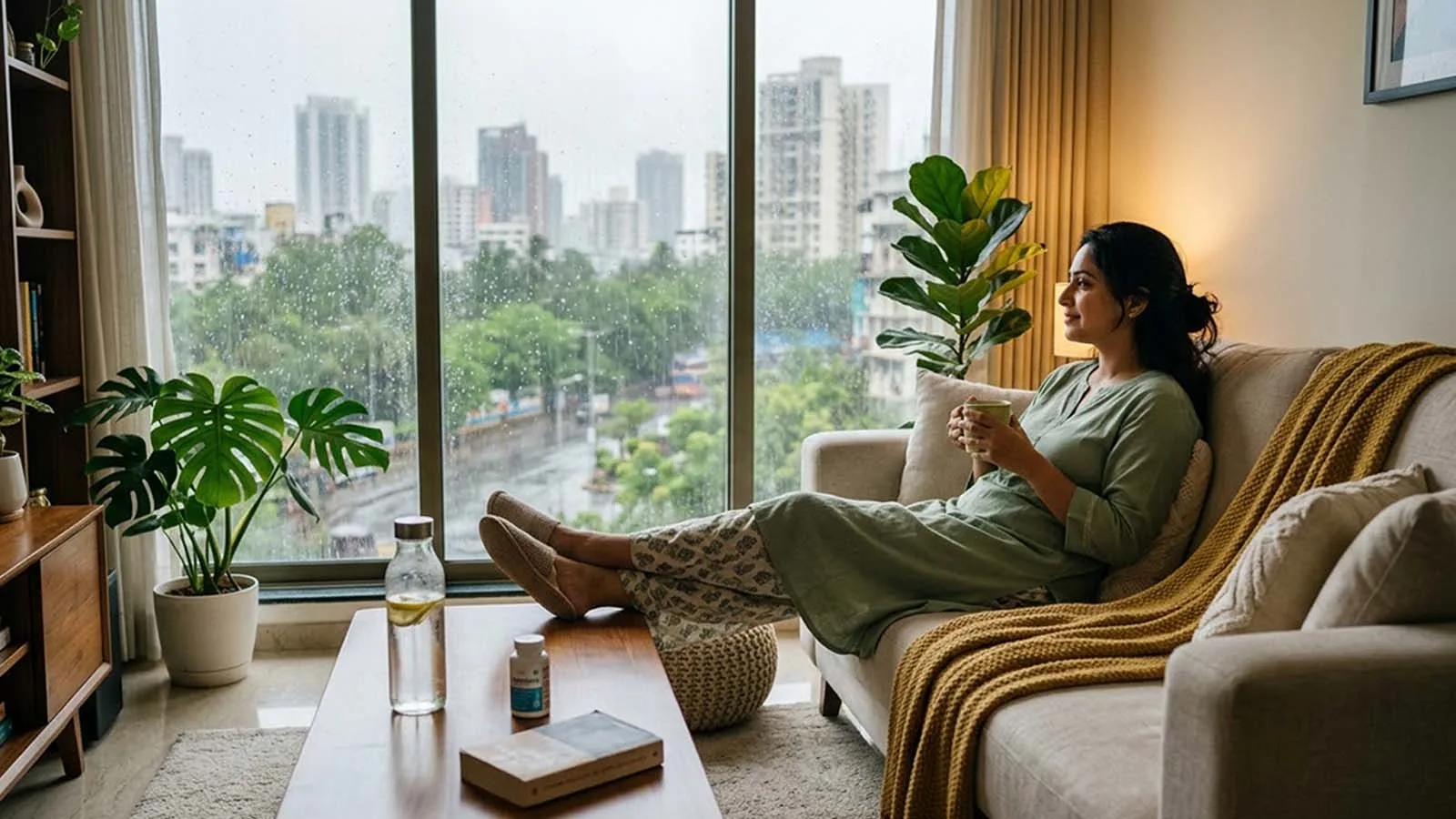
Recovering from liposuction in Mumbai can feel different from recovering in a cooler or drier climate. High temperatures, monsoon humidity, crowded commutes and prolonged sweating can make compression garments uncomfortable and may leave the treated skin feeling warm, damp or irritated.
This often leads patients to wonder whether Mumbai’s weather can increase swelling, slow healing or affect their final body-contouring result.
The direct answer is that humidity does not usually damage the fat-removal result itself. Once fat cells have been removed from the treated area, humid weather does not cause them to return or change the surgical contour.
However, hot and humid conditions can make the recovery process more difficult to manage. Sweat may remain trapped beneath compression garments, damp fabric may rub against sensitive skin, and prolonged heat can increase discomfort while swelling and bruising are still settling.
The effect depends on several factors, including:
The body areas treated
The extent of liposuction
Whether other procedures were performed
The type and fit of the compression garment
The condition of the small incision sites
The patient’s activity level
Daily travel requirements
Individual healing response
Understanding how humidity interacts with swelling, compression, skin care and daily movement can help patients plan a safer and more comfortable recovery in Mumbai.
What Happens To The Body After Liposuction?
Liposuction removes selected fat cells through a thin surgical tube called a cannula. Although the external openings are usually small, the tissues beneath the skin undergo a wider healing process.
During the early recovery period:
Swelling develops within the treated tissues.
Small blood vessels begin repairing.
Bruising may appear and gradually change colour.
Fluid may collect temporarily within the treated area.
The skin begins adapting to the new underlying contour.
Tenderness, tightness or numbness may occur.
The small access incisions begin closing.
Internal inflammation gradually reduces.
The body contour seen immediately after surgery is not the final result. Swelling can temporarily hide definition or create uneven firmness.
As recovery continues, the treated tissues gradually soften and settle. The time required varies according to the size of the treatment area, the amount of fat removed, the patient’s health and the specific surgical plan.
Hot or humid weather does not replace this biological process. It mainly affects how comfortable and manageable the recovery feels while healing takes place.
Does Humidity Directly Affect Liposuction Results?
Humidity does not reverse fat removal.
The long-term contour depends more strongly on:
The surgical plan
The quality of fat removal
Skin elasticity
Tissue healing
Weight stability
Postoperative care
Individual anatomy
Atmospheric moisture does not directly recreate removed fat cells or cause treated fat to shift around the body.
However, humidity can indirectly influence the early recovery experience by increasing:
Sweating
Skin moisture
Garment discomfort
Friction
The need for garment cleaning
Difficulty keeping dressings dry
Reluctance to walk or move because of heat
The temptation to stop compression without guidance
These practical difficulties matter because a patient who feels excessively hot may remove the garment for longer than advised, scratch irritated skin or postpone light movement.
Humidity should therefore be viewed as a recovery-management challenge, not as a direct cause of failed liposuction.
Why Is Swelling Expected After Liposuction?
Swelling is a normal response to surgical tissue manipulation.
During liposuction, the cannula passes through the fatty layer beneath the skin. The body responds by increasing fluid and inflammatory activity within the treated region.
Swelling may make the area appear:
Fuller than expected
Uneven
Firm
Puffy
Asymmetrical
Less defined
Temporarily larger at certain times of the day
This does not necessarily mean that fat was removed unevenly or that the procedure was unsuccessful.
Swelling can fluctuate according to:
Activity
Time spent standing
Hydration
Salt intake
The extent of surgery
Garment use
Individual healing
Associated procedures
Patients should avoid judging their final contour during the early recovery period.
Mumbai’s heat may make the treated area feel warmer, heavier or more swollen, especially after travel or prolonged standing. However, the sensation of increased swelling does not always mean that the surgical result has changed.
Sudden swelling, rapidly increasing pain, marked one-sided enlargement or swelling associated with breathing difficulty requires prompt medical attention rather than being attributed to the weather.
Can Mumbai’s Heat Make Swelling Feel Worse?
Heat can increase the sensation of warmth, heaviness and tightness within already swollen tissues.
Patients may notice more discomfort after:
Spending time outdoors
Travelling through traffic
Standing for long periods
Sitting in a hot vehicle
Wearing multiple layers
Walking in direct sunlight
Remaining in a damp compression garment
The treated area may also feel more swollen toward the end of an active day.
This does not automatically mean that heat has permanently increased postoperative swelling. Early swelling naturally fluctuates, and the feeling of tightness may become more noticeable when the skin is warm or sweaty.
Practical measures may include:
Recovering in a cool, well-ventilated environment
Avoiding unnecessary outdoor exposure
Taking short, gentle walks indoors
Staying adequately hydrated
Wearing the prescribed garment correctly
Avoiding excessive heat around the treated areas
Following personalised activity instructions
Ice packs, extreme cooling or direct application of frozen objects should not be used unless specifically advised. Areas of temporary numbness may not accurately sense temperature, increasing the risk of skin injury.
Why Are Compression Garments Used After Liposuction?
Compression garments are commonly prescribed after liposuction to provide controlled support around the treated tissues.
Depending on the procedure and the surgeon’s protocol, compression may help:
Support swollen tissues
Improve comfort during movement
Reduce uncontrolled tissue movement
Maintain gentle, even pressure
Help clothing feel more secure
Support the body as swelling settles
The garment should feel supportive rather than painfully tight.
An unsuitable garment may create:
Deep pressure marks
Skin folding
Numbness
Excessive pain
Restricted breathing
Uneven compression
Rolling or bunching
Irritation around the edges
Pressure over incision sites
Compression instructions vary considerably between patients. The correct garment, pressure level and duration depend on the treated area and the procedure performed.
Patients should not independently change to a smaller garment simply because swelling begins to reduce. Excessive compression does not guarantee a sharper result and may create unnecessary pressure on healing tissues.
Why Can Compression Garments Be Difficult To Wear In Mumbai?
Compression garments cover large areas of skin and fit closely against the body. In Mumbai’s hot and humid weather, this can reduce air circulation and trap perspiration.
Patients may experience:
Increased sweating
Dampness beneath the garment
Itching
Heat rash
Skin redness
Friction around seams
Discomfort near the waist or groin
Increased odour
Difficulty sleeping
A desire to remove the garment frequently
The problem may become more noticeable when the garment is worn beneath office clothing or during a long commute.
A garment should not remain persistently wet against the skin. Damp fabric can become heavier, create more friction and make sensitive areas uncomfortable.
Patients may be advised to keep an additional clean garment available so that one can be worn while the other is washed and dried. However, the garment should only be removed according to the instructions provided for that stage of recovery.
Garment care should include:
Gentle washing
Complete drying before reuse
Avoidance of harsh fragrances
Inspection for stretched or folded seams
Checking for rough fabric
Regular examination of the covered skin
A clean, dry and correctly fitted garment is generally easier to tolerate than one that has accumulated sweat and residue.
Can Sweat Irritate The Skin After Liposuction?
Sweat itself does not automatically cause a complication. The concern is prolonged moisture combined with heat, friction and recently treated skin.
Moisture may collect:
Beneath the compression garment
Within skin folds
Around garment seams
Near the groin
Beneath the breasts
Around the waist
Close to adhesive dressings
Near small access incisions
The skin may become soft, irritated or sore when it remains excessively wet. Repeated rubbing from damp fabric can further disturb the surrounding skin.
Possible warning signs include:
Increasing redness
Burning
Raw or peeling skin
Persistent rash
Unusual warmth
Blisters
Drainage
Worsening tenderness
Unpleasant odour
Patients should not apply talcum powder, perfume, deodorant, oils, antiseptics or home remedies around healing incisions unless specifically advised.
The appropriate response depends on whether the problem is simple friction, a heat rash, an adhesive reaction, skin maceration or an early wound complication.
The treating team should be contacted when irritation continues, spreads or affects an incision.
Does Humidity Increase The Risk Of Infection?
Humidity alone does not mean that a patient will develop an infection.
The more relevant concerns are persistent moisture, contaminated garments, poor incision care and delayed recognition of abnormal symptoms.
The small liposuction access sites should be cared for according to the postoperative instructions provided. Depending on the procedure, they may initially be covered with dressings or allowed to drain a small amount of fluid.
Patients should avoid:
Reusing a damp garment
Touching incisions with unwashed hands
Applying unapproved products
Wearing dirty clothing over the treated area
Ignoring wet or loosened dressings
Scratching irritated skin
Swimming before clearance
Remaining in heavily perspired clothing
Signs that require medical advice may include:
Increasing redness around an incision
Worsening pain rather than gradual improvement
Pus-like discharge
An unpleasant smell
Fever
Spreading warmth
Increasing swelling
Separation of an incision
Feeling generally unwell
These symptoms should not be dismissed as normal effects of Mumbai’s climate.
How Should You Keep The Compression Garment Dry And Comfortable?
In Mumbai’s humid weather, garment management becomes an important part of recovery.
Patients may benefit from keeping a second approved garment available so that one can be washed and dried while the other is being worn. The replacement garment should provide the same level of support and should not be tighter merely because swelling has reduced.
Practical garment-care measures include:
Wash the garment according to its care instructions.
Allow it to dry completely before reuse.
Avoid strong detergents, fabric softeners and fragrances.
Check that seams are not folded into the skin.
Smooth out bunching after sitting or walking.
Change the garment after heavy sweating when medically permitted.
Inspect the covered skin during approved removal periods.
Avoid placing tissue, cotton or thick fabric beneath the garment without guidance.
A thin, clean layer may occasionally be recommended beneath compression for comfort, but additional material can also create pressure folds or trap moisture. It should therefore be used only when suitable for the treated area.
Persistent pain, deep indentations, numbness or skin discolouration may indicate that the garment requires adjustment.
Can You Shower During Liposuction Recovery?
Showering instructions depend on the condition of the incision sites, dressings and any additional procedures performed.
Patients are usually advised when it is safe to begin showering and how to protect the treated areas. Early washing should be gentle and controlled.
Important precautions may include:
Use lukewarm rather than very hot water.
Avoid high-pressure water directly over healing incisions.
Do not scrub the treated skin.
Use only approved cleansing products.
Pat the skin dry with a clean towel.
Allow skin folds and incision areas to dry fully.
Replace dressings only as instructed.
Put the compression garment back on only after the skin and garment are dry.
Long hot showers may increase light-headedness, especially when the patient is still taking pain medication or recovering from anaesthesia.
Bathing in a tub, swimming pool, sea or natural water should be avoided until the incisions have healed and permission has been given.
Can You Use Air Conditioning During Recovery?
A cool, well-ventilated room can make recovery more comfortable and reduce excessive sweating.
Air conditioning does not harm liposuction results. However, the room should not be kept so cold that the patient shivers or becomes uncomfortable.
The airflow should also not be directed continuously onto exposed healing skin.
A comfortable indoor environment may help patients:
Sleep more easily
Keep garments drier
Walk indoors without overheating
Reduce scratching caused by sweat
Maintain better hygiene
Avoid prolonged outdoor heat exposure
Cooling the room is different from applying intense cold directly to the body.
Ice packs or frozen objects should not be placed over numb or recently treated areas unless specifically recommended, because reduced sensation can make it difficult to recognise cold injury.
How Much Water Should You Drink In Humid Weather?
Sweating can increase fluid loss, particularly during Mumbai’s warmer months.
Adequate hydration supports general recovery, but drinking excessive amounts of water does not force swelling to disappear faster.
Patients should follow individual guidance when they have conditions involving the:
Heart
Kidneys
Liver
Blood pressure
Fluid balance
Water intake should be combined with regular meals and appropriate nutrition rather than relying only on fluids.
Alcohol should generally be avoided during early recovery, particularly while taking pain medicines or antibiotics. Excessive caffeine may also contribute to dehydration or sleep disturbance in some patients.
A balanced recovery diet commonly includes:
Adequate protein
Fruits and vegetables
Fibre
Sufficient fluids
Moderated salt intake
Regular meals
Very salty meals may temporarily increase fluid retention and make postoperative puffiness feel more noticeable.
When Can You Resume Walking And Exercise?
Gentle movement is usually encouraged after liposuction because remaining completely inactive can increase stiffness and may raise the risk of circulation-related complications.
Short, controlled walks may begin according to the postoperative plan.
During Mumbai’s humid weather, it may be more comfortable to walk:
Indoors
In an air-conditioned corridor
During cooler morning hours
In short intervals
Away from direct sunlight
Strenuous exercise should not be resumed simply because the skin incisions appear small.
High-intensity activity may increase:
Sweating
Discomfort
Throbbing
Swelling
Friction beneath the garment
Pulling around healing tissues
The return to exercise should be gradual and based on:
The body area treated
The extent of liposuction
Whether muscle repair or skin removal was performed
Pain and swelling
The patient’s general health
Individual surgical instructions
Liposuction performed alone may have a different recovery timeline from liposuction combined with a tummy tuck, breast surgery or another procedure.
How Can Mumbai Commuters Plan Their Recovery?
Long commutes can be uncomfortable during the early recovery period.
Travelling may involve:
Prolonged sitting
Crowded trains
Sudden movements
Climbing stairs
Heat exposure
Road vibrations
Pressure from seat belts
Limited access to clean washrooms
Difficulty adjusting a garment privately
Patients should discuss work and travel requirements before surgery.
Helpful planning may include:
Working from home temporarily
Arranging car or taxi travel
Avoiding peak-hour public transport
Using a small cushion where approved
Wearing loose clothing over compression
Carrying a clean backup garment if necessary
Planning short standing or walking breaks
Avoiding heavy bags
Scheduling follow-up visits outside peak traffic
A patient should not drive while taking sedating pain medication or until movement is comfortable enough to control the vehicle safely.
Returning to work is not determined only by the number of days after surgery. The type of job, commute and treated area all influence readiness.
What Clothing Is Most Comfortable Over Compression Garments?
Loose, breathable clothing is usually more practical than tight jeans, structured waistbands or heavy synthetic fabrics.
Suitable options may include:
Loose cotton tops
Relaxed trousers
Front-opening garments
Soft dresses
Lightweight track pants
Clothing with adjustable waistbands
The outer clothing should not roll the compression garment, create deep folds or press against incision sites.
Dark or printed garments may also be practical during the earliest period if minor fluid drainage is expected, although dressings should still be managed exactly as instructed.
Patients should avoid using perfume, talcum powder or deodorising sprays directly beneath the garment to control sweat or odour.
Keeping the skin and garment clean is safer than masking dampness with fragranced products.
What Happens If You Stop Wearing Compression Too Early?
Compression instructions differ between surgical practices and procedures. Patients should therefore follow their individual plan rather than a general online schedule.
Removing the garment for longer than advised may lead to:
Reduced support
Increased discomfort during movement
More noticeable swelling
A feeling of heaviness
Uneven garment reapplication
Anxiety about temporary contour changes
However, wearing compression more tightly or for longer than instructed is not necessarily better.
Excessive pressure may cause:
Skin marks
Numbness
Folding
Pain
Restricted breathing
Pressure irritation
If the garment becomes intolerable because of heat, sweating or skin irritation, the appropriate step is to contact the treating team rather than independently abandoning it or changing to a smaller size.
When Should You Contact The Surgical Team?
Some swelling, bruising, soreness and temporary numbness are expected after liposuction. Patients should still know which changes require prompt advice.
Contact the treating team if you notice:
Rapidly increasing swelling
Severe or worsening pain
One side becoming significantly larger
Spreading redness
Pus-like discharge
Fever
Persistent vomiting
Skin blistering or dark discolouration
An incision opening
A compression garment causing severe pressure
Calf pain or unusual leg swelling
Chest pain
Difficulty breathing
Breathing difficulty, chest pain or sudden severe symptoms require urgent medical attention.
Weather should never be used to explain away symptoms that are worsening or significantly different from the expected recovery pattern.
Common Myths About Liposuction Recovery In Humid Weather
“Humidity Makes The Removed Fat Return”
Humidity does not recreate fat cells removed during liposuction. Long-term contour is influenced more by weight stability, anatomy and healing.
“More Sweating Means More Fat Is Being Lost”
Sweating mainly reflects temperature regulation and fluid loss. It does not increase surgical fat removal.
“A Tighter Garment Creates A Sharper Result”
Excessively tight compression can create pain, folds and pressure injury. The garment should provide controlled, even support.
“Compression Garments Should Never Be Removed”
Garments may need to be removed for approved showering, skin inspection and washing. The correct schedule should be personalised.
“Air Conditioning Slows Healing”
A comfortably cool environment does not interfere with fat removal and may make garment use easier.
“Talcum Powder Is The Best Way To Control Sweat”
Powder may collect in skin folds or around healing incisions. No product should be applied beneath compression without approval.
“All Swelling Is Caused By Mumbai’s Weather”
Postoperative swelling is part of tissue healing. Sudden or abnormal swelling should be medically assessed.
Why Personalised Recovery Planning Matters
Liposuction recovery is influenced by more than climate.
Two patients undergoing procedures during the same Mumbai season may have different instructions because one received limited-area liposuction while the other had extensive body contouring or combined surgery.
Personalised planning considers:
Areas treated
Amount of tissue manipulation
Incision locations
Skin quality
Garment type
Existing medical conditions
Work requirements
Travel time
Exercise routine
Home support
Individual healing progress
Discussing climate and commuting needs before surgery allows practical arrangements to be made in advance.
The aim is not to eliminate all swelling or discomfort immediately. It is to support safe healing while preventing avoidable problems related to moisture, friction, contamination and excessive activity.
Why Choose Hair & Shape For Liposuction Recovery Planning In Mumbai?
At Hair & Shape Clinic, postoperative planning considers both the procedure and the patient’s daily environment.
Recovery guidance may include:
Compression-garment use
Garment cleaning and drying
Incision care
Showering
Walking and exercise
Work arrangements
Mumbai travel conditions
Heat and sweat management
Warning signs requiring review
Scheduled follow-up assessments
Recommendations are adjusted according to the treated areas, healing progress and individual lifestyle requirements.
The objective is to help patients manage recovery comfortably without compromising surgical safety or relying on generic timelines.
Final Thoughts
Mumbai’s humidity does not directly reverse liposuction or cause removed fat to return. However, heat and moisture can make the early recovery period more uncomfortable by increasing sweating, garment dampness, skin friction and irritation.
A clean, dry and properly fitted compression garment is especially important in humid conditions. Patients should recover in a comfortable environment, maintain gentle movement, care for incision sites correctly and avoid applying unapproved products beneath compression.
Travel, work and exercise should be resumed gradually according to the extent of surgery and individual healing. Sudden swelling, worsening pain, spreading redness, discharge, breathing difficulty or other concerning symptoms should never be dismissed as weather-related.
With realistic planning and personalised postoperative guidance, liposuction recovery can be managed safely throughout Mumbai’s hot and humid seasons.
Keep reading
Tummy Tuck: Complete Guide To Abdominoplasty Procedure, Recovery & Results
Tummy Tuck, also known as abdominoplasty, is a body contouring procedure designed to remove excess abdominal skin, tighten weakened muscles, and improve abdominal shape. This guide explains tummy tuck types, procedure steps, recovery timeline, benefits, candidate suitability, and the importance of choosing an experienced plastic surgeon at Hair & Shape Clinic, Mumbai.

Gynecomastia Surgery: Complete Guide To Male Breast Reduction, Recovery & Results
Gynecomastia surgery is a male chest reduction procedure that helps remove excess glandular tissue and fat to create a flatter, more masculine chest contour. This guide explains the causes of gynecomastia, surgical techniques, recovery timeline, benefits, candidate suitability, and the importance of choosing an experienced plastic surgeon at Hair & Shape Clinic, Mumbai.

Rhinoplasty: Complete Guide To Nose Reshaping Procedure, Recovery & Results
Rhinoplasty is a personalized nose reshaping procedure that improves nasal appearance, facial balance, and in some cases breathing function. This guide explains different types of rhinoplasty, procedure steps, recovery timeline, benefits, candidate suitability, and the importance of choosing an experienced plastic surgeon at Hair & Shape Clinic, Mumbai.