Can Psoriasis Be Cured Permanently, Or Can It Only Be Controlled?
Introduction
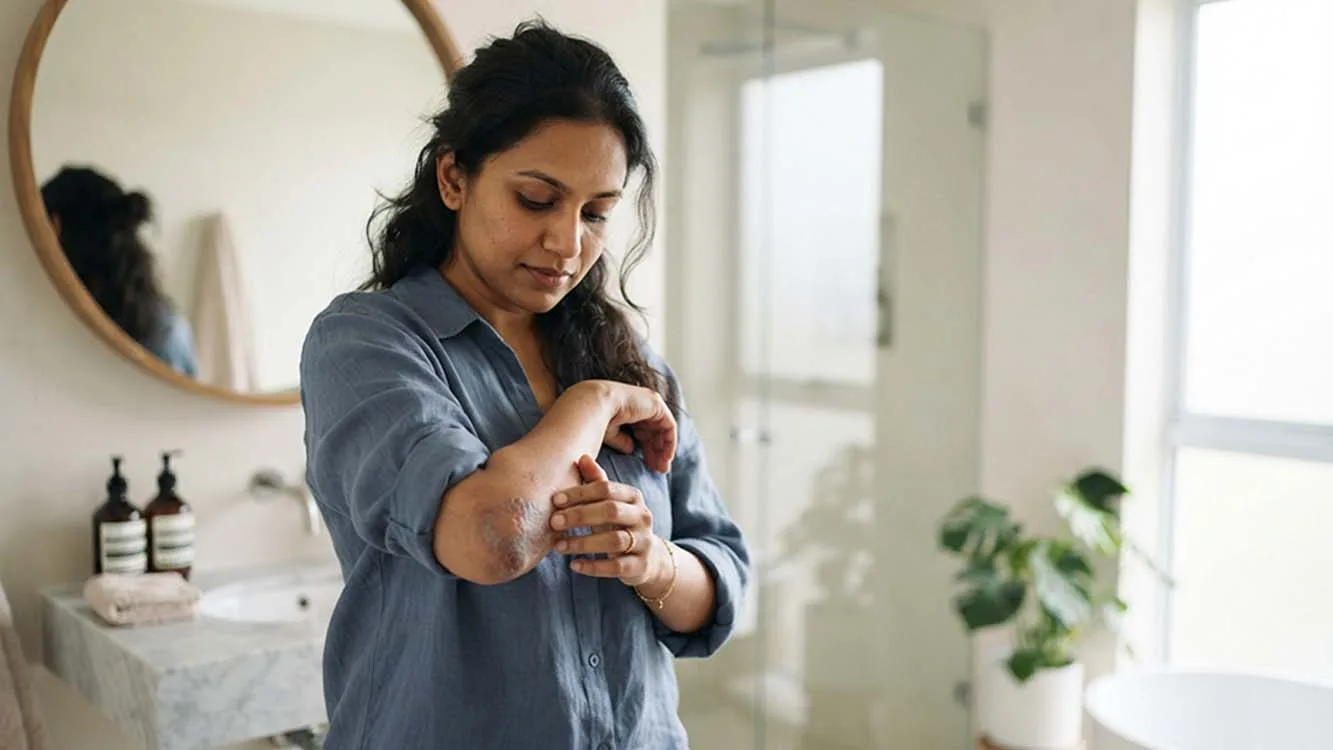
Psoriasis is more than just dry, flaky or irritated skin. It is a long-term inflammatory condition that can affect the skin, scalp, nails and, in some people, even the joints. At Hair & Shape Clinic, Mumbai, psoriasis treatment focuses not only on clearing visible plaques but also on achieving lasting control of symptoms and protecting overall quality of life.
Although psoriasis cannot currently be described as permanently cured, modern treatment can often control the condition very effectively, reducing redness, scaling, itching and inflammation while helping patients achieve long periods with minimal or no visible symptoms.
Because psoriasis behaves differently in every person, treatment should never follow a one-size-fits-all approach. The type and severity of psoriasis, areas involved, nail or joint symptoms, previous treatments, medical history and lifestyle all influence the treatment plan.
At Hair & Shape Clinic, the goal of psoriasis treatment in Mumbai is not simply clearer-looking skin. It is to control inflammation safely, reduce flare-ups, improve comfort and confidence, and identify complications such as psoriatic arthritis as early as possible.
The better question is not simply “Can psoriasis be cured?” but “How effectively can my psoriasis be controlled over the long term?”
What Is Psoriasis?
Psoriasis is a chronic immune-mediated inflammatory disease.
In healthy skin, new skin cells are formed and gradually move toward the surface over several weeks. In psoriasis, inflammatory signals accelerate this process.
New cells reach the skin surface before older cells have shed normally. This contributes to:
Thickened plaques
Scaling
Redness or darker discoloration
Itching
Cracking
Bleeding
Burning
Tenderness
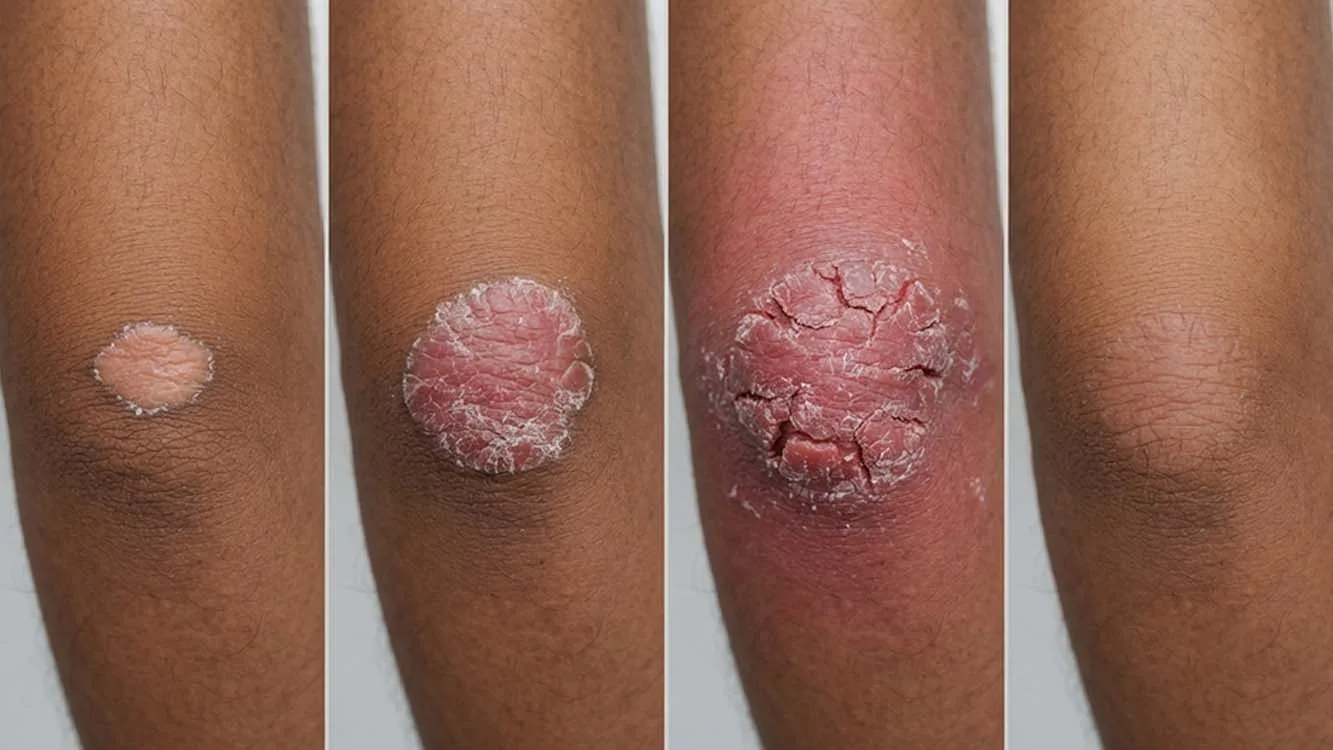
On lighter skin, plaques may appear red or pink with silvery-white scales.
On medium and deeper Indian skin tones, psoriasis may appear:
Deep red
Purple
Violet
Dark brown
Grey
Ashy
After inflammation settles, temporary light or dark marks may remain. These colour changes do not necessarily mean that active psoriasis is still present.
Is Psoriasis An Autoimmune Disease?
Psoriasis is commonly described as an immune-mediated disease.
The immune system becomes overactive and releases inflammatory signals that affect the skin and sometimes the joints.
This inflammation leads to:
Rapid skin-cell turnover
Thickening of the outer skin
Expansion of small blood vessels
Scaling
Itching
Joint inflammation in some patients
Psoriasis does not develop because the immune system is simply weak.
Attempts to “boost immunity” using unregulated supplements may not help and could interfere with treatment or other medical conditions.
The goal of psoriasis therapy is usually to control specific inflammatory pathways rather than suppress every part of the immune system equally.
Is Psoriasis Contagious?
No. Psoriasis cannot spread from one person to another through:
Touching
Hugging
Sharing food
Using the same bathroom
Swimming
Sexual contact
Sharing clothes
Sitting beside someone
Contact with scales
A family member cannot catch psoriasis from the affected person.
This misconception can create unnecessary embarrassment and social isolation.
Psoriasis may occur in several members of a family because genetic susceptibility can be inherited, but that is different from infection.
Is Psoriasis Caused By Poor Hygiene?
No.
Psoriasis is not caused by dirty skin, infrequent bathing or failure to clean the scalp.
Frequent scrubbing may actually worsen the condition by:
Injuring inflamed skin
Removing protective oils
Increasing dryness
Causing cracks
Triggering new plaques
Increasing post-inflammatory pigmentation
Scalp psoriasis may produce visible flakes, but these are caused by excessive skin-cell buildup rather than poor cleanliness.
Gentle cleansing is helpful. Aggressive exfoliation is not a cure.
What Causes Psoriasis?
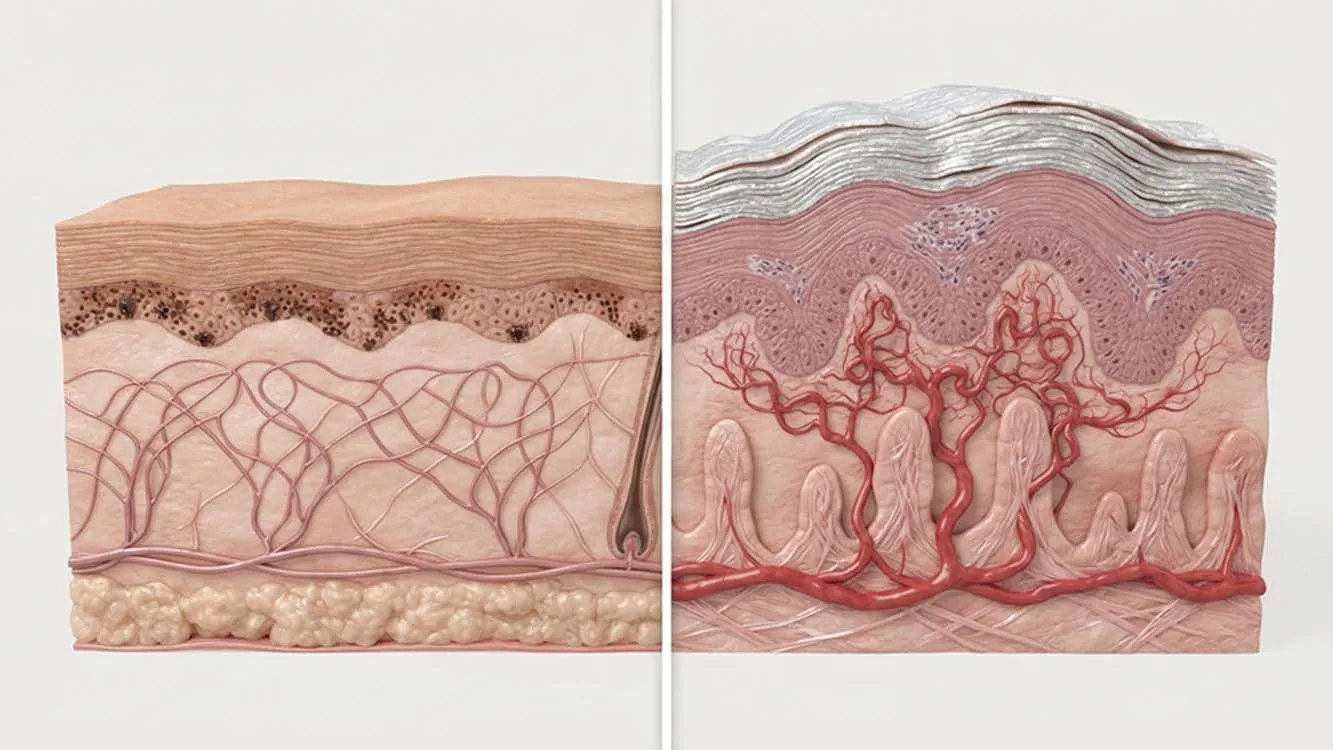
There is no single cause.
Psoriasis develops through a combination of:
Genetic susceptibility
Immune-system activity
Environmental triggers
Skin-barrier changes
Lifestyle and metabolic factors
A person may carry genetic susceptibility without developing obvious psoriasis until a trigger activates the condition.
Possible triggers include:
Throat or respiratory infection
Skin injury
Severe emotional stress
Cold or dry weather
Sunburn
Smoking
Heavy alcohol use
Weight gain
Hormonal changes
Certain medicines
Sudden withdrawal of some treatments
The trigger may differ between patients and may also change over time.
Can Psoriasis Run In Families?

Yes. Psoriasis can occur more frequently in people with an affected family member.
However, inheritance is not straightforward.
A person may:
Develop psoriasis without any known family history
Have an affected parent but never develop symptoms
Develop a different type or severity from relatives
First experience psoriasis in childhood or later adulthood
Genes create susceptibility, but they do not determine the exact age, body area or severity of disease.
At What Age Can Psoriasis Begin?
Psoriasis can begin at almost any age.
It may first appear during:
Childhood
Adolescence
Early adulthood
Pregnancy-related hormonal change
Middle age
Later adulthood
Some people experience a sudden widespread eruption after an infection. Others develop one small plaque that gradually expands or returns repeatedly.
Early diagnosis is useful because psoriasis can resemble fungal infection, eczema, dandruff and several other skin disorders.
What Does Psoriasis Look Like?
The appearance depends on the psoriasis type, body location, skin tone and whether treatment has already been used.
Common features include:
Clearly defined thick patches
Dry or silvery scaling
Itching
Cracking
Pinpoint bleeding after scale removal
Symmetrical involvement
Recurrent plaques in similar locations
Scalp flaking extending beyond the hairline
Nail pitting or separation
Smooth inflammation within skin folds
Not every patient develops thick plaques.
Some forms create tiny spots, pustules, widespread redness or almost scale-free patches in moist body folds.
What Is Plaque Psoriasis?
Plaque psoriasis is the most common form.
It usually creates raised, well-defined areas covered by scale.
Common locations include:
Elbows
Knees
Scalp
Lower back
Legs
Around the navel
Behind or inside the ears
Plaques may be:
Small and isolated
Large and connected
Mildly itchy
Intensely itchy
Painful and cracked
Thick enough to limit movement
The extent of visible skin involvement does not always reflect the complete impact. A small plaque on the palm, sole, face or genitals may interfere with daily life more than larger plaques hidden beneath clothing.
What Is Scalp Psoriasis?
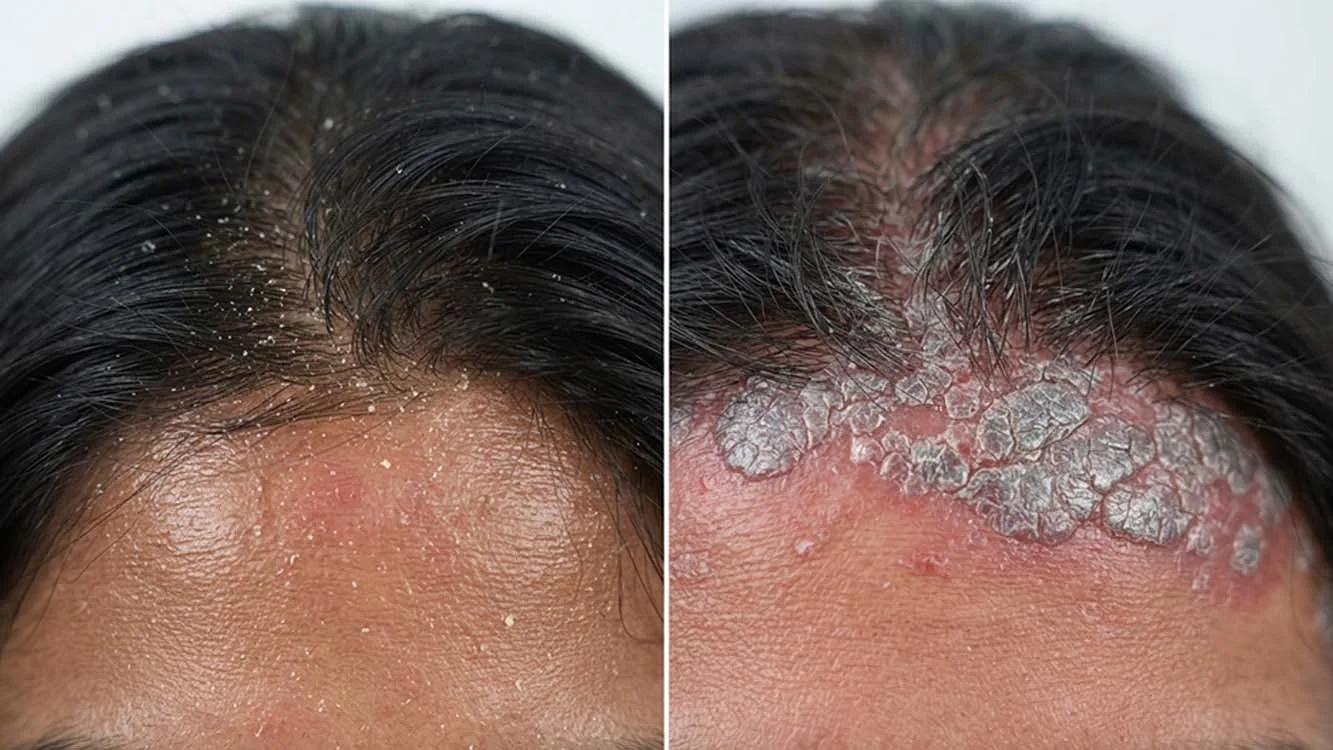
Scalp psoriasis causes inflammatory scaling on part or all of the scalp.
It may appear as:
Thick white or grey scale
Red, purple or dark plaques
Flaking
Itching
Burning
Cracks behind the ears
Scaling beyond the hairline
It may be confused with dandruff or seborrhoeic dermatitis.
Scalp psoriasis generally produces thicker, more sharply defined plaques, although both conditions can occur together.
Scratching and forcefully removing scale may cause:
Bleeding
Hair breakage
Temporary shedding
Infection
Increased inflammation
Treatment must reach the scalp skin rather than remaining only on the hair.
Can Scalp Psoriasis Cause Hair Loss?
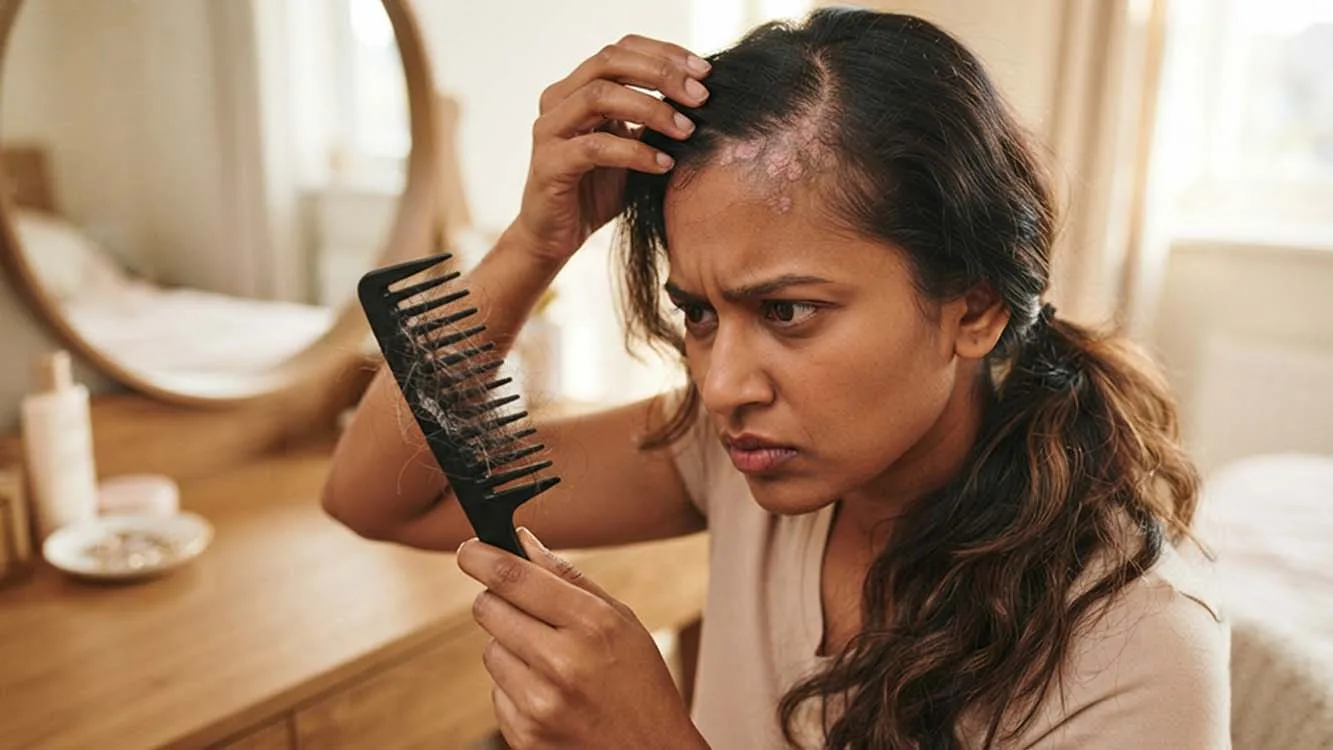
Psoriasis does not usually destroy hair follicles permanently.
Temporary hair shedding may occur because of:
Severe inflammation
Repeated scratching
Thick scale
Forceful scale removal
Tight hairstyles
Secondary infection
Stress
Harsh topical products
Hair generally has the potential to regrow once inflammation is controlled and trauma stops.
Permanent loss is less typical and should prompt assessment for another cause of hair loss or scarring.
What Is Guttate Psoriasis?
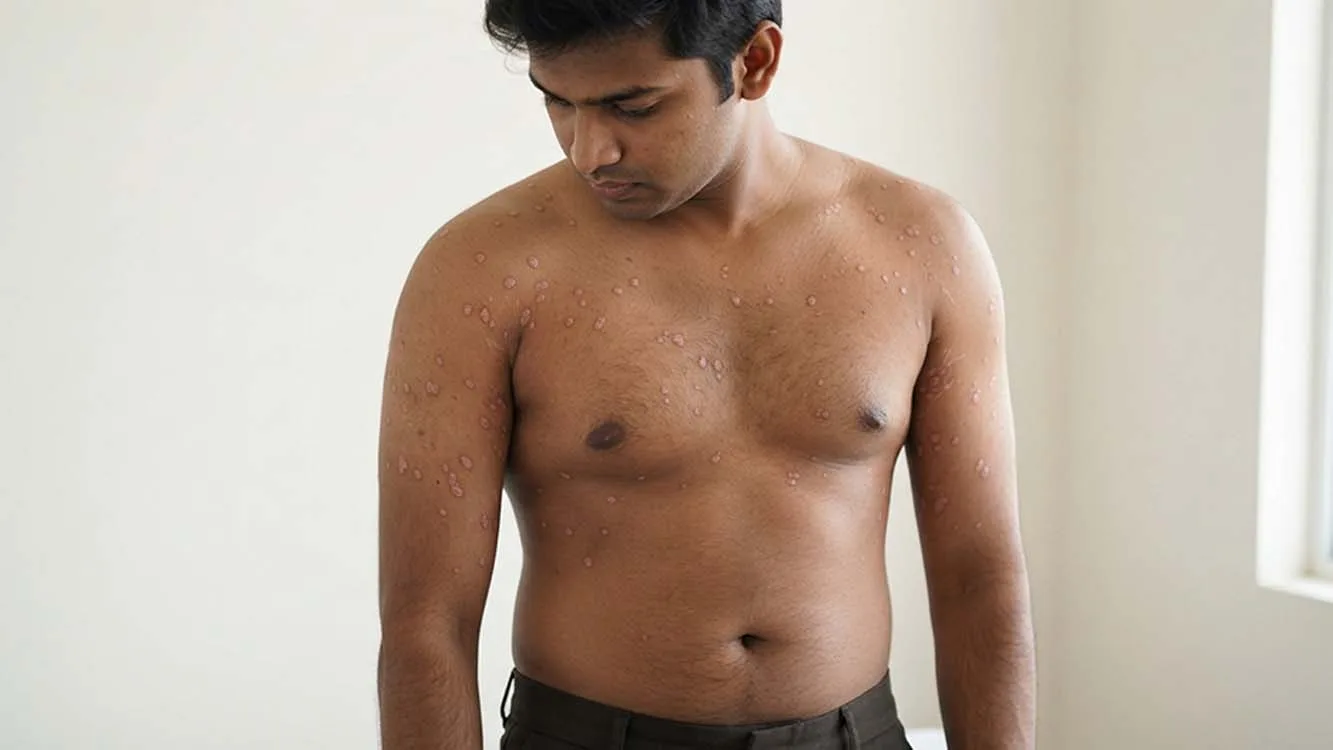
Guttate psoriasis produces many small, drop-like spots across the body.
It commonly affects the:
Chest
Back
Arms
Legs
It may develop after a throat infection, particularly in children, teenagers and young adults.
The spots may be thinner and less scaly than classic plaques.
Some cases settle after the trigger resolves, while others recur or later develop into chronic plaque psoriasis.
A sudden widespread rash should be examined rather than assumed to be an allergy or fungal infection.
What Is Inverse Psoriasis?
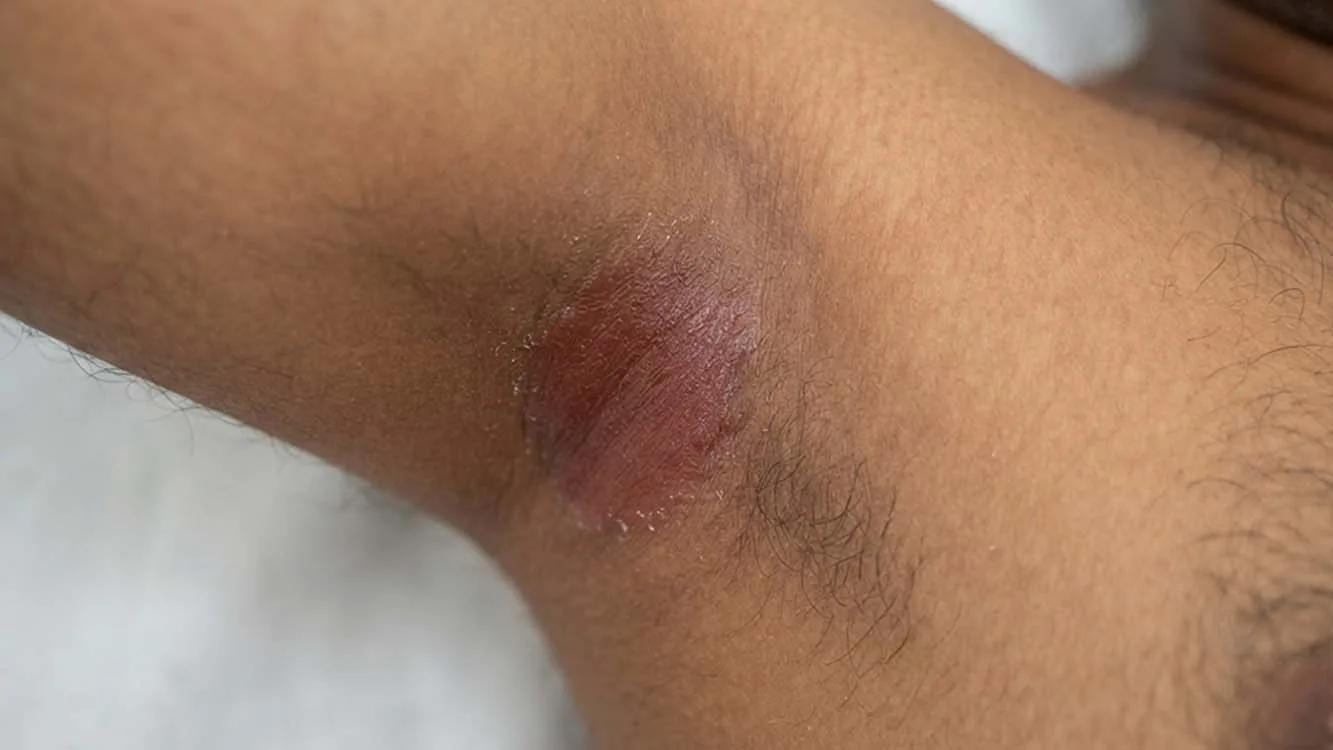
Inverse psoriasis affects body folds.
Common areas include:
Armpits
Groin
Beneath the breasts
Between the buttocks
Abdominal folds
Because these areas are moist, the plaques may appear smooth and shiny rather than thick and scaly.
Symptoms may include:
Redness or dark discoloration
Burning
Tenderness
Cracking
Irritation from sweat and friction
Inverse psoriasis can resemble:
Fungal infection
Intertrigo
Contact dermatitis
Bacterial infection
Using combination steroid and antifungal creams repeatedly without a diagnosis may temporarily alter the rash while causing thinning, stretch marks or recurrent infection.
What Is Pustular Psoriasis?
Pustular psoriasis creates sterile pus-filled bumps caused by inflammation rather than ordinary bacterial infection.
It may affect:
Palms and soles
Selected localised areas
Large portions of the body
Generalised pustular psoriasis can be serious and may be associated with:
Fever
Weakness
Widespread painful redness
Rapidly developing pustules
Dehydration
Disturbed body temperature
Systemic illness
A widespread pustular eruption requires urgent medical assessment.
It should not be managed as ordinary acne or heat rash.
What Is Erythrodermic Psoriasis?
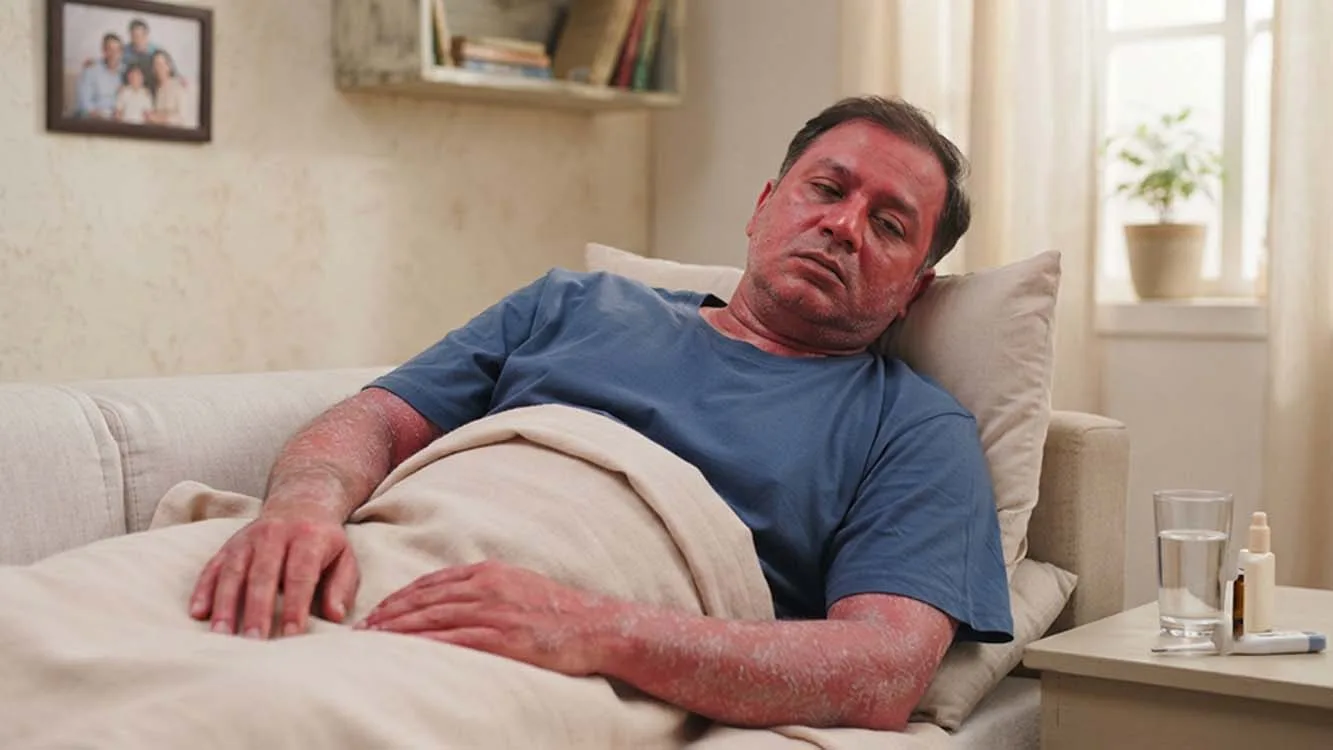
Erythrodermic psoriasis is an uncommon but potentially dangerous form involving widespread inflammation across most of the skin.
Symptoms may include:
Extensive redness or deep discoloration
Severe scaling
Intense pain or itching
Chills
Swelling
Weakness
Rapid heartbeat
Difficulty regulating body temperature
Because the skin plays an important role in fluid balance, temperature control and protection from infection, severe widespread inflammation may require hospital care.
Sudden withdrawal of certain psoriasis medicines can occasionally contribute to severe rebound disease. Treatment changes should therefore be medically planned.
Can Psoriasis Affect The Nails?
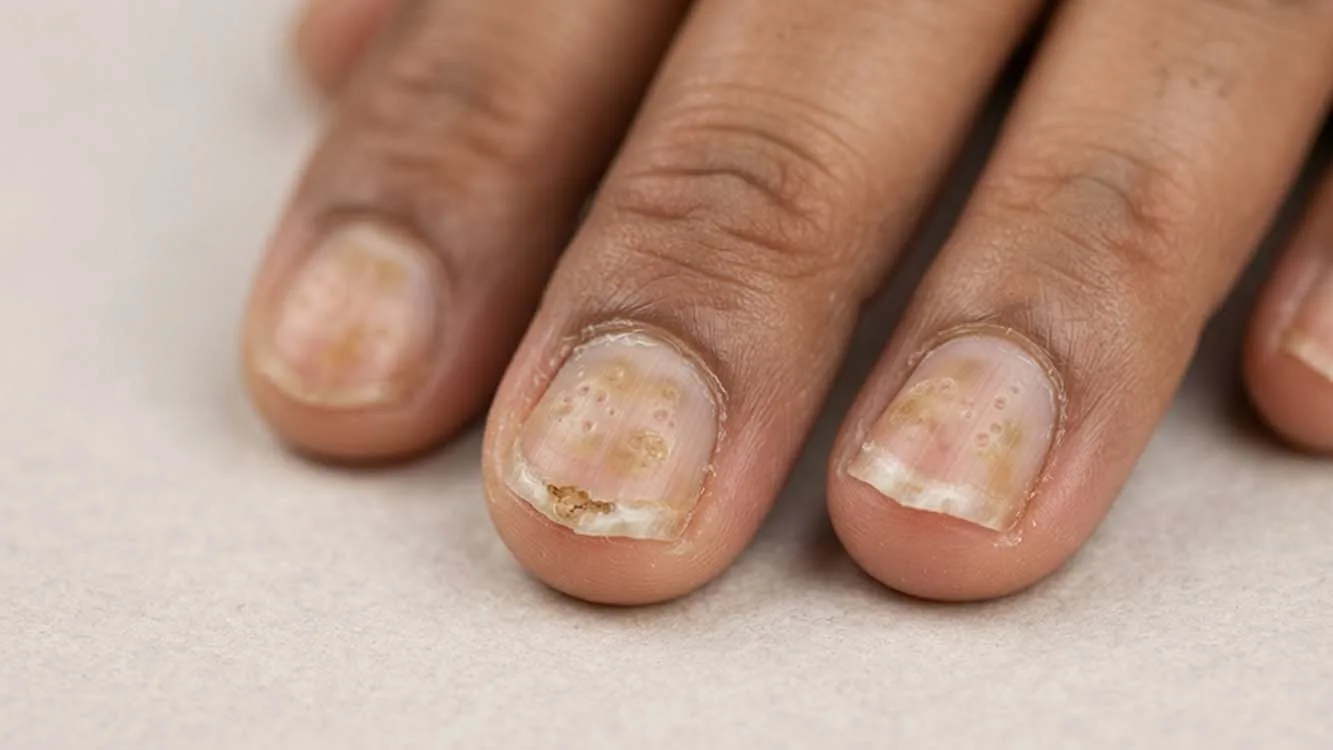
Yes.
Nail psoriasis may involve the fingernails, toenails or both.
Possible changes include:
Small pits
Yellow-brown patches
Thickening
Crumbling
Separation from the nail bed
Debris beneath the nail
Rough surface
Distorted growth
Nail psoriasis may resemble fungal infection.
Both conditions can also occur together, so treatment should not be selected only from appearance.
Nail involvement can be difficult to treat because nails grow slowly and topical medicines may not reach the affected structures easily.
It may also increase suspicion of psoriatic arthritis when joint symptoms are present.
Can Psoriasis Affect The Joints?
Yes. Some people with psoriasis develop psoriatic arthritis.
It can affect:
Fingers
Toes
Wrists
Knees
Ankles
Lower back
Sacroiliac joints
Tendon attachment sites
Possible symptoms include:
Morning stiffness
Swollen joints
Painful fingers or toes
An entire finger or toe becoming swollen
Heel pain
Lower-back stiffness
Reduced movement
Nail changes with joint pain
Joint symptoms can begin before, after or at the same time as skin psoriasis.
Untreated inflammation may lead to permanent joint damage. Early assessment is important rather than waiting for severe deformity.
Which Joint Symptoms Should Not Be Ignored?
Medical evaluation is particularly important for:
Persistent morning stiffness
A swollen finger or toe
Recurrent joint swelling
Heel pain without clear injury
Back stiffness improving with movement
Reduced grip strength
Difficulty climbing stairs
Joint pain with nail psoriasis
Increasing fatigue with stiffness
Ordinary pain from exercise or ageing may not be inflammatory, but repeated symptoms should not automatically be dismissed.
A person with psoriasis should mention joint symptoms during skin consultations even when the skin disease appears mild.
Can Psoriasis Affect More Than The Skin And Joints?
Yes.
Psoriasis is associated with inflammation beyond the visible plaques.
Some patients may have a higher likelihood of:
Obesity
High blood pressure
Abnormal cholesterol
Diabetes
Fatty liver disease
Cardiovascular disease
Inflammatory bowel disease
Anxiety
Depression
This does not mean that every person with psoriasis will develop these conditions.
It means that psoriasis care should consider general health rather than focusing only on the skin surface.
Blood pressure, weight, blood sugar and other risk factors may need monitoring according to the patient’s age and medical history.
Can Stress Cause Psoriasis?
Stress does not explain every case, but it can trigger or worsen psoriasis in some people.
Stress may influence:
Immune signalling
Sleep
Scratching
Treatment consistency
Alcohol use
Eating patterns
Perception of itching and pain
Psoriasis itself can also create stress through:
Visible plaques
Social misunderstanding
Sleep disruption
Clothing limitations
Fear of recurrence
Treatment costs
Concerns about intimacy
This can create a cycle in which the condition and emotional distress worsen each other.
Stress management can support treatment, but psoriasis should not be blamed on the patient’s attitude or personality.
Can Weather Affect Psoriasis?
Yes.
Cold, dry weather may worsen psoriasis because of:
Reduced humidity
Dry skin
Less natural sunlight
Hot indoor water
Heavy clothing friction
Reduced moisturiser use
Some people improve during periods of controlled sunlight exposure.
However, excessive ultraviolet exposure and sunburn can worsen psoriasis or trigger new lesions.
In Mumbai, heat and humidity may create different problems, including:
Sweating
Friction
Irritation within skin folds
Difficulty using greasy ointments
Secondary fungal infection
Reduced treatment adherence
The skincare plan should be practical for the local climate and the patient’s daily routine.
Can Skin Injury Trigger New Psoriasis Patches?
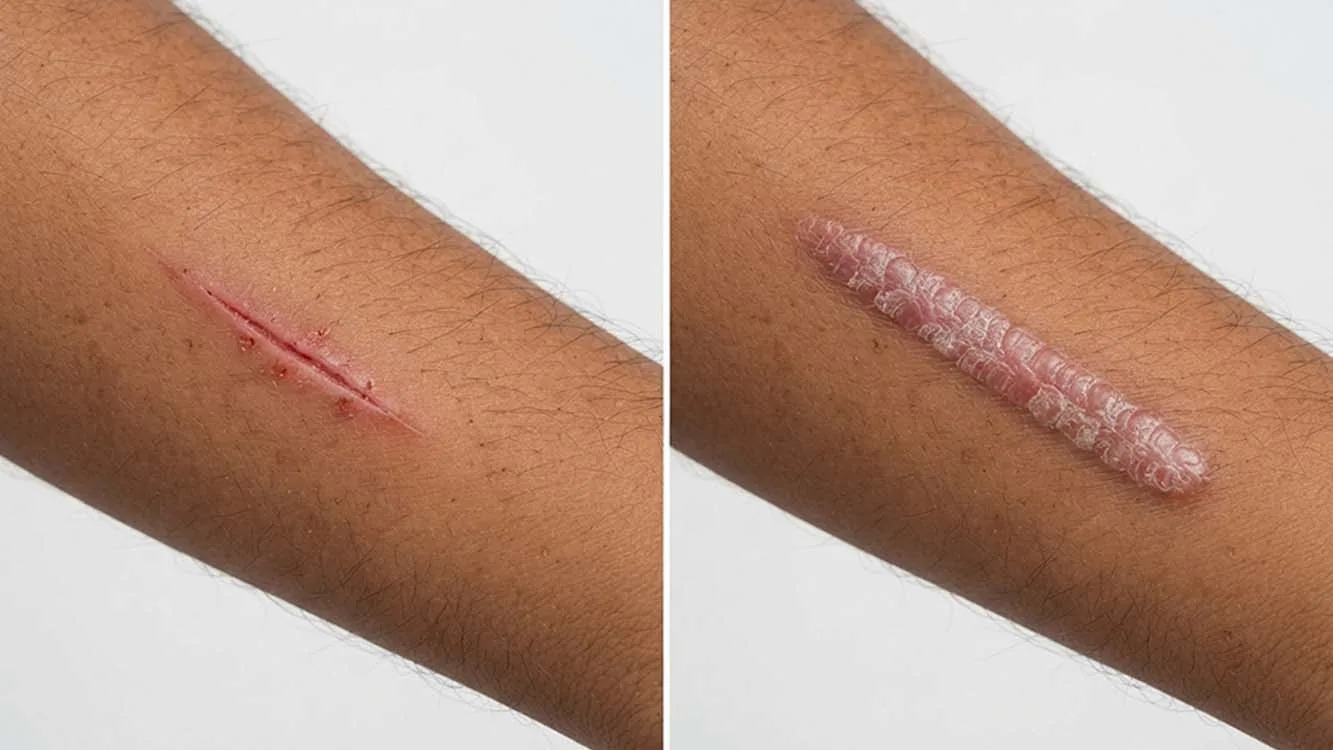
Yes. Some patients develop new psoriasis at sites of skin trauma. This is known as the Koebner phenomenon.
Potential triggers include:
Scratching
Cuts
Burns
Sunburn
Tattoos
Piercings
Surgical scars
Repeated friction
Tight clothing
Aggressive exfoliation
A new plaque may appear days or weeks after the injury.
This does not mean that every skin procedure is prohibited, but active psoriasis and individual history should be considered before elective treatments.
Can Tattoos Be Done Over Psoriasis?
Tattooing injured skin may trigger new plaques in susceptible patients.
Additional concerns include:
Infection
Allergic reactions to pigment
Difficulty distinguishing psoriasis from tattoo reactions
Reduced clarity of the tattoo
Flares during healing
Treatment difficulty over tattooed skin
Tattooing should not be performed over active plaques.
Even clear skin can potentially develop psoriasis after needle trauma.
The decision should consider disease stability and previous Koebner reactions.
Can Psoriasis Be Triggered By Medicines?
Some medicines may trigger or worsen psoriasis in susceptible individuals.
Potential examples include selected medicines used for:
Blood pressure
Heart rhythm
Mood disorders
Malaria
Inflammation
Immune treatment
Sudden withdrawal of systemic corticosteroids may also contribute to serious rebound psoriasis in some circumstances.
A suspected medicine should not be stopped without guidance, especially when it is prescribed for a heart, neurological or psychiatric condition.
The safer approach is to review:
When the medicine started
When the rash changed
Other possible triggers
Available alternatives
Risk of stopping treatment
Is Psoriasis The Same As Eczema?
No, although both can cause red, itchy and inflamed skin.
Psoriasis often produces:
Sharply defined plaques
Thicker scale
Symmetrical involvement
Scalp, elbow and knee plaques
Nail changes
Possible joint symptoms
Eczema more commonly produces:
Severe itching
Dryness
Oozing during acute flares
Flexural involvement
Strong association with allergies in some patients
Less sharply defined patches
A person can occasionally have features of both conditions.
Treatment differs, so repeated self-treatment based on appearance may delay improvement.
Is Psoriasis The Same As A Fungal Infection?
No.
Fungal infections are caused by organisms that can spread between people, animals or contaminated surfaces. Psoriasis is an inflammatory condition and is not contagious.
Fungal rashes may:
Form rings
Spread outward
Cause edge scaling
Affect the groin or feet
Involve nails
Worsen with inappropriate steroid use
Psoriasis may also form ring-like plaques or occur in the groin, making confusion possible.
Using steroid-containing combination creams on an undiagnosed fungal infection can suppress redness temporarily while allowing the infection to spread.
A correct diagnosis is essential before long-term treatment.
Can Psoriasis And Fungal Infection Occur Together?
Yes.
People with psoriasis may also develop fungal infection, especially in:
Groin folds
Beneath the breasts
Feet
Nails
Areas treated with strong topical steroids
Moist or sweaty skin
New itching, odour, discharge or a sudden change in appearance may require reassessment.
Not every worsening patch means the psoriasis medicine has stopped working.
Can Psoriasis Be Mistaken For Dandruff?
Yes, particularly when only the scalp is affected.
Dandruff usually produces:
Fine loose flakes
Greasy or dry scaling
Mild redness
Itching
Scalp psoriasis may produce:
Thicker adherent scale
Sharper borders
Cracking
Bleeding after scratching
Plaques extending beyond the hairline
Similar patches elsewhere on the body
Some people have overlapping seborrhoeic dermatitis and psoriasis, sometimes called sebopsoriasis.
Is Psoriasis Caused By Food Allergy?
Psoriasis is not usually caused by one specific food allergy.
No universal psoriasis diet works for every patient.
However, diet may influence general inflammation and associated health risks through:
Weight
Blood sugar
Cholesterol
Alcohol intake
Nutritional balance
A food diary may be useful when one consistent trigger is suspected, but eliminating many foods without evidence can lead to:
Nutritional deficiency
Anxiety around eating
Unnecessary expense
Poor adherence to effective treatment
A balanced eating plan is generally more useful than extreme detox diets.
Can Weight Affect Psoriasis?
Yes.
Excess body weight may contribute to:
Increased inflammatory activity
More severe skin disease
Greater involvement of body folds
Reduced treatment response
Higher medicine requirements
Greater risk of metabolic conditions
Increased psoriatic arthritis burden
Weight reduction may improve disease control in selected patients, but it should not be presented as a guaranteed cure.
Thin people can also develop severe psoriasis.
Psoriasis should never be treated as evidence that a patient has failed to manage their weight properly.
Can Smoking And Alcohol Worsen Psoriasis?
Smoking is associated with more difficult psoriasis patterns in some patients and also increases cardiovascular risk.
Heavy alcohol use may:
Worsen inflammation
Reduce treatment adherence
Interact with medicines
Affect the liver
Disturb sleep
Contribute to weight gain
Alcohol restrictions may be particularly important with medicines that can affect the liver.
Lifestyle changes support treatment but do not replace medical therapy when psoriasis is moderate or severe.
Can Psoriasis Be Permanently Cured?
At present, psoriasis is generally managed as a chronic condition rather than a permanently curable disease.
Treatment can sometimes produce:
Complete visible clearance
Minimal residual plaques
Long symptom-free periods
Improved nail growth
Reduced joint inflammation
Better sleep and quality of life
A period of clear skin is called remission or effective disease control. It does not guarantee that psoriasis will never return.
Patients should be cautious about treatments claiming to eliminate psoriasis permanently through:
Detoxification
Secret herbal mixtures
Extreme diets
Blood purification
One injection
Permanent immunity correction
Stopping proven treatment for an unregulated cure may allow the disease to worsen.
Can Psoriasis Go Away Without Treatment?
Some mild plaques may improve temporarily, especially when a trigger settles.
Guttate psoriasis may sometimes reduce after an infection has resolved.
However, untreated disease may also:
Persist
Spread
Become thicker
Crack or bleed
Affect sleep
Become infected
Involve nails
Be accompanied by joint inflammation
A mild case does not always require aggressive treatment, but it should still be diagnosed correctly and monitored.
Who Should Be Evaluated For Psoriasis?
Assessment is useful when a person has:
Recurrent thick scaly plaques
Persistent scalp scaling
Cracked elbows or knees
Symmetrical rashes
Nail pitting or separation
Rash not responding to antifungal treatment
Family history of psoriasis
Joint stiffness with skin changes
Recurrent rash after skin injury
Widespread small spots after throat infection
A skin examination may be enough for diagnosis in many cases. Additional testing may be considered when the appearance is unusual or infection needs to be excluded.
When Does Psoriasis Need Urgent Medical Care?
Urgent assessment is important when there is:
Widespread painful redness
Large areas of peeling
Numerous pustules
Fever
Chills
Weakness
Rapid heartbeat
Dehydration
Severe joint swelling
Inability to walk or use a limb
Eye pain or visual symptoms
Signs of serious infection
Rapid worsening after stopping medication
These symptoms may indicate severe psoriasis, infection or another urgent skin condition.
When Should Psoriasis Treatment Be Postponed Or Reassessed?
A planned treatment may need adjustment when there is:
Active infection
Pregnancy
Breastfeeding
Liver or kidney disease
Uncontrolled blood pressure
Recent vaccination
Upcoming surgery
Significant alcohol use
New medicine use
Possible tuberculosis exposure
Severe depression or suicidal thoughts
Unexplained joint symptoms
This does not mean that treatment must always stop. It means the safest option may change according to the patient’s health and the medicine being considered.
How Is Psoriasis Diagnosed?
Psoriasis is often diagnosed through medical history and examination of the skin, scalp and nails.
The assessment may include:
Shape and distribution of plaques
Scale thickness
Areas affected
Itching, pain or cracking
Nail changes
Family history
Recent infections
Medicine use
Joint symptoms
Previous treatment response
Possible fungal infection or eczema
A skin biopsy is not required for every patient. It may be considered when the appearance is unusual or when another inflammatory condition needs to be excluded.
Tests may also be needed when:
Nail fungus is suspected
Joint inflammation is present
Systemic treatment is being considered
Infection screening is required before immune-targeted therapy
Liver, kidney or blood health needs monitoring
The diagnosis should account for the complete pattern rather than one isolated patch.
How Is Psoriasis Severity Measured?
Severity is not determined only by the percentage of skin affected.
Assessment may consider:
Body surface area
Plaque thickness
Scaling
Redness or discoloration
Itching
Pain
Bleeding
Sleep disruption
Nail involvement
Joint symptoms
Effect on work or relationships
Location of the plaques
Small areas can still represent severe disease when they involve:
Palms
Soles
Face
Scalp
Genitals
Nails
Skin folds
A person whose palms are affected may struggle to write, cook or work even when the total involved area is limited.
Treatment should therefore be based on disease impact as well as visible extent.
What Are The Main Treatment Options For Psoriasis?
Psoriasis treatment may involve:
Moisturisers
Topical medicines
Medicated shampoos
Phototherapy
Oral medicines
Injectable biologic treatment
Joint-specific treatment
Lifestyle and trigger management
The most suitable option depends on:
Psoriasis type
Disease severity
Body location
Joint involvement
Previous response
Other medical conditions
Pregnancy plans
Treatment convenience
Monitoring requirements
Cost and access
Treatment is often adjusted over time because psoriasis activity can change.
How Do Moisturisers Help Psoriasis?
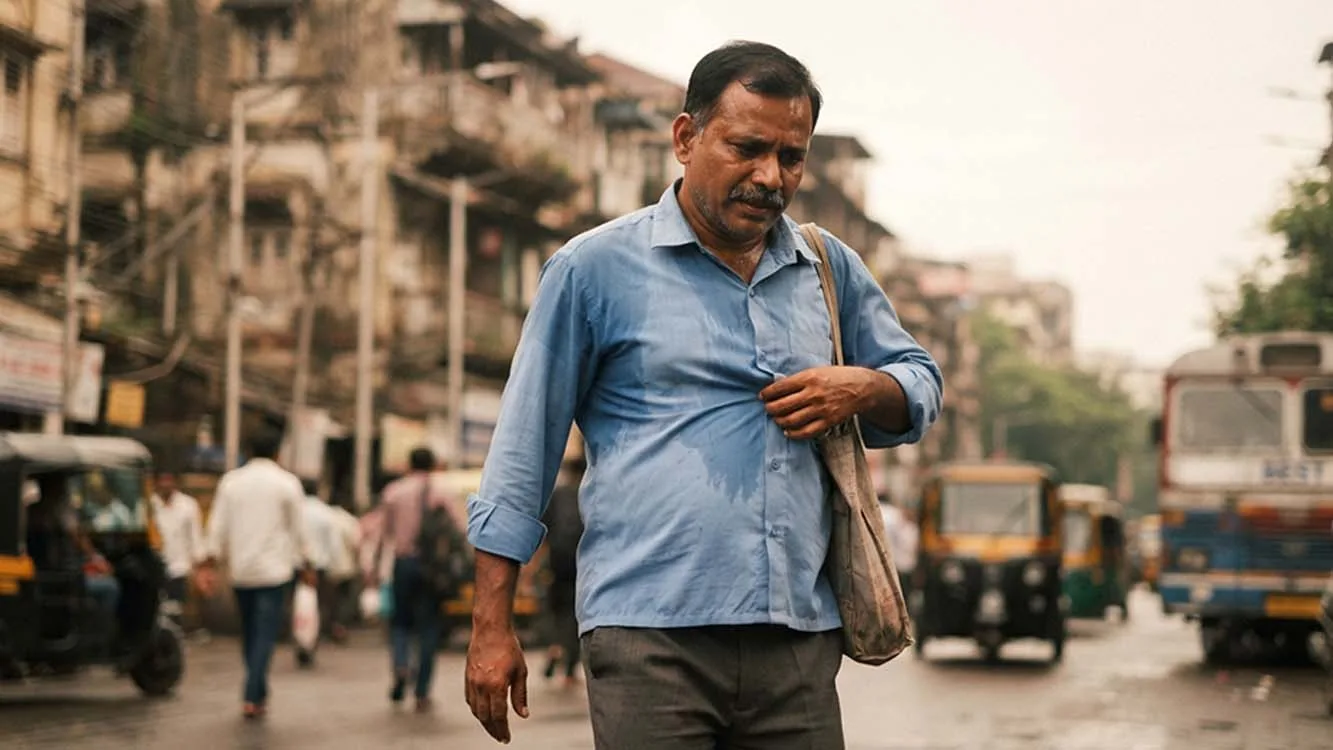
Moisturisers do not switch off the immune inflammation, but they can improve the skin barrier and reduce symptoms.
They may help with:
Dryness
Scaling
Cracking
Tightness
Itching
Discomfort
Flexibility of thick plaques
Useful formulations may include:
Thick creams
Ointments
Ceramide-based moisturisers
Urea-containing products in selected areas
Petroleum-based products
Fragrance-free emollients
A moisturiser should be applied regularly, particularly after bathing.
During hot and humid weather, a lighter cream may be more practical than a heavy greasy ointment during the day. Thicker products may still be useful at night or over very dry plaques.
Which Topical Medicines Are Used For Psoriasis?
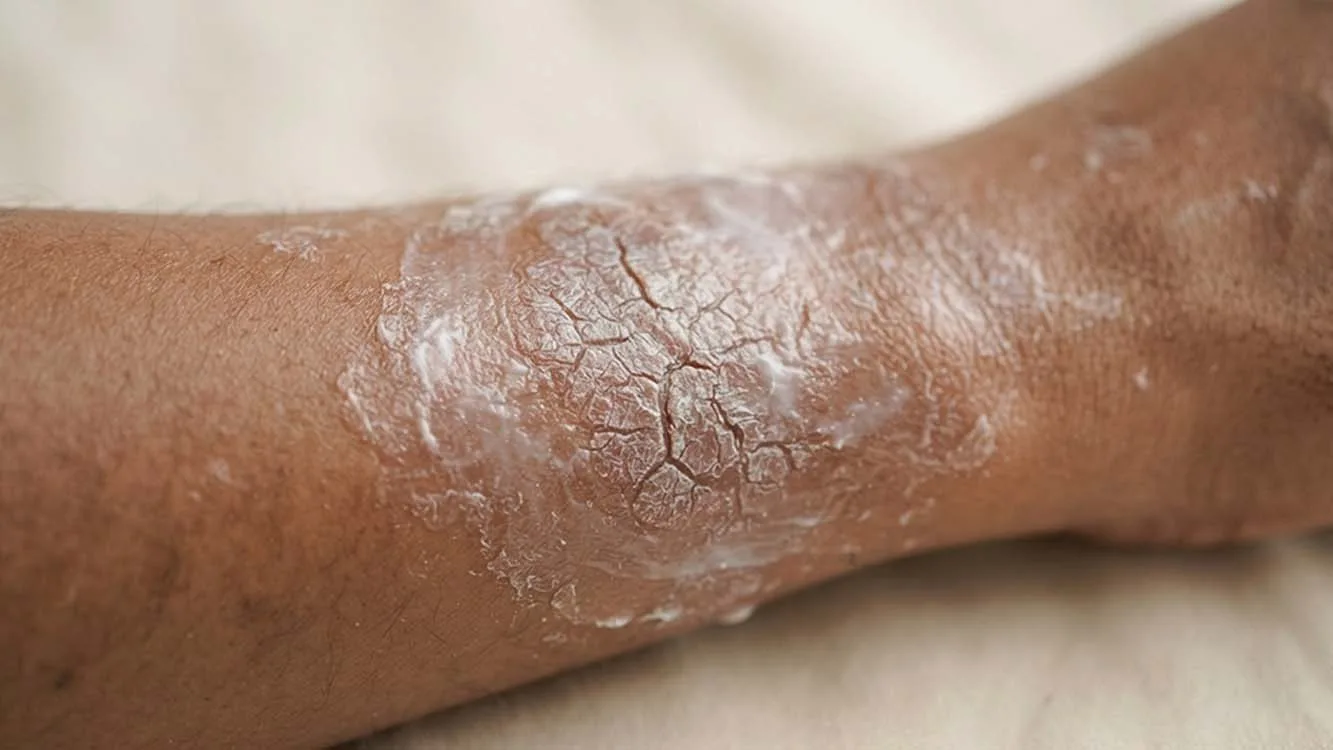
Topical treatment may be enough for mild or localised disease.
Options may include:
Corticosteroids
Vitamin D-related medicines
Combination steroid and vitamin D treatment
Calcineurin inhibitors for selected sensitive areas
Salicylic acid
Coal-tar preparations
Retinoid-based topical treatment
Keratolytic agents that reduce scale
The medicine selected depends on the body area and plaque thickness.
A strong steroid suitable for an elbow plaque may be unsafe for long-term use on the face, groin or beneath the breasts.
Patients should understand:
Where to apply the medicine
How much to use
How often to apply it
How long to continue
When to reduce or stop it
Which areas require a weaker product
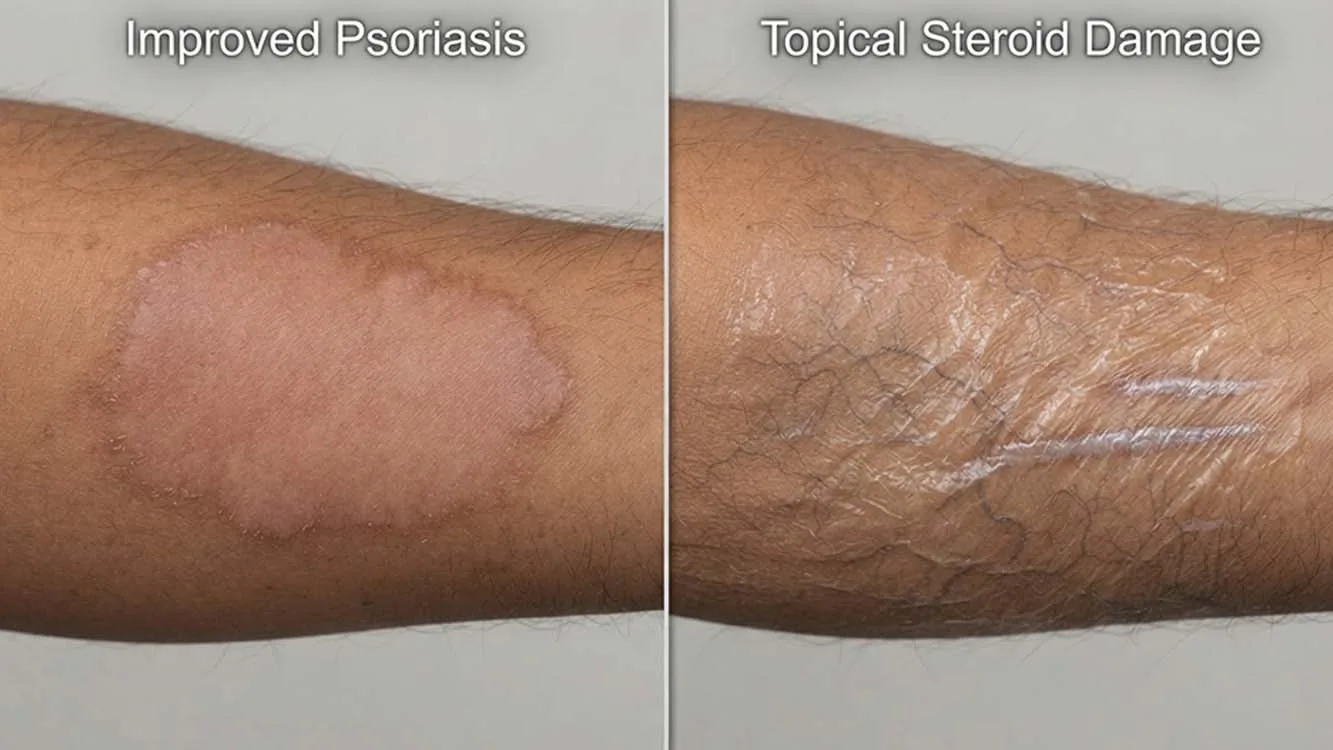
Are Topical Steroids Safe?
Topical corticosteroids can be effective when used appropriately.
They reduce inflammation, redness, scaling and itching.
Problems may occur when strong steroids are used:
For too long
Over large areas
On thin skin
Beneath tight coverings
Without follow-up
In combination fairness or antifungal creams
After the diagnosis has changed
Possible side effects include:
Skin thinning
Stretch marks
Visible small blood vessels
Easy bruising
Acne-like eruptions
Colour changes
Rebound inflammation
Worsening fungal infection
Steroid phobia can also prevent effective treatment. The goal is correct strength and duration, not complete avoidance.
Can Salicylic Acid Remove Psoriasis Scale?
Salicylic acid can soften and loosen thick scale.
It may be useful on:
Scalp plaques
Elbows
Knees
Thick palm or sole psoriasis
Removing excess scale can help other medicines reach the inflamed skin more effectively.
However, excessive use may cause:
Burning
Irritation
Dryness
Skin injury
Increased absorption over large areas
It should not be used aggressively on cracked, raw or highly inflamed skin.
Scale should be softened gradually rather than scraped or peeled forcefully.
How Is Scalp Psoriasis Treated?
Scalp treatment must reach the skin beneath the hair.
Options may include:
Medicated shampoos
Steroid lotions
Foams
Gels
Scalp solutions
Scale-softening oils
Salicylic-acid preparations
Vitamin D-related treatment
A shampoo alone may not control thick plaques.
Practical scalp care may involve:
Softening thick scale
Washing gently
Applying the prescribed medicine directly to the scalp
Avoiding scratching
Continuing maintenance after improvement
Hair oil may soften scale in some patients, but heavy oiling can become uncomfortable in humid weather and may worsen folliculitis in acne-prone scalps.
Can Psoriasis Be Treated On The Face And Skin Folds?
Yes, but treatment must be gentler because the skin is thinner and more sensitive.
Areas such as the:
Eyelids
Groin
Armpits
Beneath the breasts
Genitals
Buttock crease
may require lower-potency steroids or non-steroid anti-inflammatory medicines.
Long-term use of strong steroids in folds can cause:
Thinning
Stretch marks
Fungal infection
Colour changes
Increased fragility
The area should also be checked for overlapping fungal or bacterial infection when there is odour, discharge, sudden pain or worsening moisture-related irritation.
What Is Phototherapy For Psoriasis?
Phototherapy uses medically controlled ultraviolet light to reduce inflammation and slow excessive skin-cell production.
It may be considered for:
Widespread plaque psoriasis
Guttate psoriasis
Disease not controlled with topical treatment
Patients who cannot use selected systemic medicines
Phototherapy differs from ordinary sun exposure.
Medical treatment controls:
Wavelength
Dose
Exposure time
Frequency
Areas protected
Response to previous sessions
Unsupervised sunlight or tanning beds can cause burns and may trigger more psoriasis through skin injury.
How Many Phototherapy Sessions Are Needed?
Phototherapy usually requires repeated sessions over several weeks.
The number depends on:
Psoriasis type
Skin tone
Disease extent
Starting dose
Treatment response
Missed sessions
Previous ultraviolet exposure
Improvement is gradual rather than immediate.
Challenges may include:
Frequent travel
Work disruption
Cost
Temporary redness
Tanning
Itching
Long-term ultraviolet exposure
A person commuting repeatedly across Mumbai may find the schedule difficult, so practicality should be considered before choosing treatment.
When Are Oral Or Injectable Medicines Considered?

Systemic treatment may be considered when psoriasis is:
Moderate or severe
Widespread
Affecting high-impact areas
Associated with psoriatic arthritis
Not responding to topical treatment
Seriously affecting quality of life
Requiring unsafe amounts of topical steroid
These medicines work throughout the body rather than only on individual plaques.
They may include:
Traditional oral immune-modifying medicines
Oral retinoids
Targeted oral medicines
Injectable biologic therapies
The choice depends on disease pattern, medical history, monitoring needs and access.
What Are Biologic Medicines?
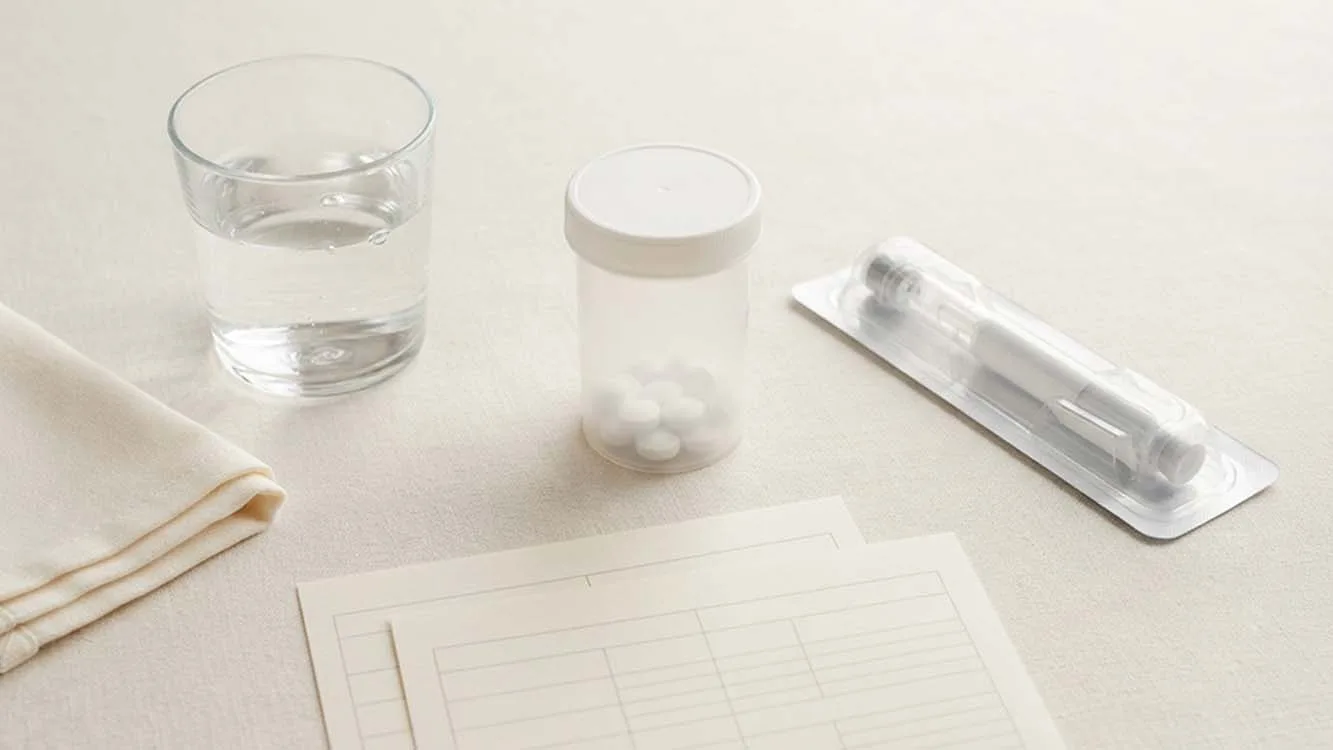
Biologics are targeted treatments designed to block specific inflammatory pathways involved in psoriasis.
They may be given by injection or infusion.
Biologics can produce substantial skin clearance in selected patients, but they are not permanent cures.
Before treatment, assessment may include:
Tuberculosis screening
Hepatitis screening
Infection history
Vaccination review
Pregnancy plans
Inflammatory bowel disease
Heart conditions
Neurological history
Previous cancer treatment
Other immune-modifying medicines
Patients should report fever, persistent cough, unexplained weight loss or recurrent infection during treatment.
Are Biologics Stronger And More Dangerous Than All Other Treatments?
Not necessarily.
Biologics are powerful, but they target specific inflammatory signals rather than suppressing the immune system uniformly.
Their risk profile differs from traditional oral medicines.
The safest treatment depends on the individual.
For one patient, a biologic may be more suitable than a medicine affecting the liver or kidneys. For another, a traditional treatment may be simpler and effective.
Treatment should not be selected only according to whether it is described as modern, natural, strong or weak.
Can Psoriasis Medicines Affect The Liver Or Kidneys?
Some systemic medicines require liver, kidney or blood monitoring.
Monitoring may include:
Blood count
Liver function
Kidney function
Blood pressure
Cholesterol
Pregnancy testing when relevant
Risk may increase with:
Alcohol use
Fatty liver disease
Diabetes
Obesity
Existing kidney disease
Medicine interactions
Long treatment duration
Monitoring helps identify problems early. It does not mean that every patient will develop organ damage.
Can Psoriasis Treatment Affect Pregnancy?
Yes. Some psoriasis medicines are unsuitable during pregnancy or require a waiting period after stopping.
Pregnancy planning should be discussed before starting:
Certain oral retinoids
Selected immune-modifying medicines
Some biologics
Treatments with uncertain pregnancy safety
The plan may need to consider both partners because selected medicines can affect reproductive planning differently.
Psoriasis may improve, worsen or remain unchanged during pregnancy.
Treatment should not be stopped suddenly without guidance because severe rebound disease can also affect health.
Can Psoriasis Be Treated During Breastfeeding?
Some topical treatments may be used cautiously during breastfeeding, while others require limitation or avoidance.
Considerations include:
Medicine type
Treated body area
Total amount used
Infant contact
Application near the breast
Systemic absorption
Maternal disease severity
Medication should not remain on skin that the infant may touch or ingest.
A treatment plan should balance disease control with infant safety rather than leaving severe psoriasis untreated automatically.
Can Children With Psoriasis Be Treated Safely?
Yes, but treatment should be adjusted for age, body size and skin sensitivity.
Children may require:
Gentle moisturisers
Carefully selected topical medicines
Limited treatment duration
Monitoring of growth and general health
Family support
School-related advice
Evaluation after throat infections
Joint-symptom screening
Children may be especially affected by:
Teasing
Avoidance of sports
Fear of contagion
Sleep loss
Difficulty applying treatment
Parents should avoid unregulated herbal or steroid-containing creams marketed as permanent cures.
What Is A Psoriasis Flare?
A flare is a period when psoriasis becomes more active.
It may involve:
New plaques
Thickening of existing patches
Increased itching
Cracking
Scalp worsening
Nail changes
Joint stiffness
Spread to new areas
Possible triggers include:
Infection
Stress
Missed treatment
Skin injury
Weather change
Medicine changes
Alcohol
Smoking
Weight gain
Poor sleep
Identifying patterns can help reduce future flares, but not every episode has an obvious trigger.
What Should Be Done During A Psoriasis Flare?
During a flare, patients should:
Resume or follow the prescribed treatment plan
Moisturise regularly
Avoid scratching
Reduce friction
Review recent medicines or illness
Monitor joint symptoms
Seek assessment if the pattern has changed
Avoid starting random combination creams
Urgent review is needed when the flare involves:
Widespread redness
Pustules
Fever
Severe pain
Rapid progression
Extensive peeling
Major joint swelling
A treatment that worked for a previous mild plaque may be inadequate for a new widespread eruption.
Can Psoriasis Return After Treatment Stops?
Yes.
Treatment controls active inflammation, but the underlying susceptibility remains.
Relapse may occur:
Gradually
In the same locations
After stopping treatment suddenly
Following infection
During stressful periods
After weight gain
Without a clear trigger
Maintenance treatment may reduce recurrence in commonly affected areas.
Stopping all treatment immediately after improvement can allow plaques to return quickly in some patients.
What Is Maintenance Treatment?
Maintenance treatment uses a reduced schedule after psoriasis has improved.
It may involve:
Moisturiser every day
Topical medicine on selected days
Scalp treatment intermittently
Continuing systemic treatment
Trigger management
Regular follow-up
The purpose is to maintain control while reducing unnecessary medicine exposure.
Maintenance plans differ according to the body area and treatment used.
Can Home Remedies Cure Psoriasis?
No home remedy has been proven to permanently cure psoriasis.
Some supportive measures may improve comfort, such as:
Gentle moisturising
Lukewarm bathing
Avoiding harsh soap
Reducing scratching
Maintaining healthy weight
Managing stress
Limiting smoking and heavy alcohol use
Potentially harmful approaches include:
Applying bleach
Undiluted vinegar
Strong essential oils
Harsh scrubs
Unknown herbal mixtures
Burning or scraping plaques
Extreme fasting
Stopping medical treatment suddenly
“Natural” does not automatically mean safe.
Can Ayurvedic Or Herbal Products Interact With Psoriasis Medicines?
Yes.
Unregulated products may contain:
Hidden corticosteroids
Heavy metals
Undeclared immune-modifying substances
Ingredients affecting the liver
Ingredients affecting the kidneys
Substances that alter blood clotting
Patients should disclose all powders, oils, tablets and supplements.
This allows possible interactions and organ risks to be considered without dismissing the patient’s preferences.
What Kind Of Bathing Routine Helps Psoriasis?
A practical bathing routine may include:
Lukewarm water
Short showers
Gentle fragrance-free cleanser
Avoidance of vigorous scrubbing
Patting rather than rubbing dry
Moisturiser immediately afterwards
Very hot water may worsen:
Dryness
Itching
Redness
Cracking
Bathing should remove sweat and residue without stripping the skin barrier.
What Clothing Is Better During A Flare?
Soft, breathable clothing can reduce friction.
Helpful choices may include:
Loose cotton fabrics
Smooth seams
Non-irritating waistbands
Moisture-managing clothing
Comfortable footwear for foot psoriasis
Rough wool, tight synthetic clothing and repeated rubbing may increase discomfort.
For skin-fold psoriasis in humid weather, reducing trapped moisture is important without over-drying the skin.
Can Exercise Help Psoriasis?
Exercise supports general health and may help manage:
Weight
Stress
Cardiovascular risk
Sleep
Joint mobility
Mood
During a flare, sweat and friction may irritate plaques.
Practical steps include:
Wearing breathable clothing
Showering gently after exercise
Moisturising
Avoiding repeated rubbing
Modifying activity when palms, soles or joints are painful
Exercise does not cure psoriasis, but it may support overall disease management.
What Diet Is Recommended For Psoriasis?
There is no single psoriasis diet.
A balanced eating pattern may support:
Healthy weight
Blood sugar
Cholesterol
Liver health
Cardiovascular health
A practical diet may emphasise:
Vegetables
Fruits
Whole grains
Adequate protein
Healthy fats
Reduced highly processed food
Limited heavy alcohol use
Patients with confirmed coeliac disease require a gluten-free diet. Removing gluten without evidence does not reliably improve psoriasis for everyone.
Should Dairy, Sugar Or Nightshade Vegetables Be Avoided?
Routine elimination of complete food groups is not required for every patient.
Some individuals may notice personal associations, but these should be assessed carefully.
Unnecessary restriction can cause:
Nutritional deficiency
Reduced protein intake
Anxiety
Social difficulty
Increased cost
Poor long-term adherence
A structured food diary is more useful than removing many foods simultaneously.
How Does Psoriasis Affect Mental Health?
Psoriasis may affect emotional wellbeing through:
Visible plaques
Fear of judgement
Misconceptions about contagion
Itching
Pain
Sleep loss
Sexual discomfort
Clothing restrictions
Treatment burden
Joint limitations
Patients may experience:
Anxiety
Low mood
Social withdrawal
Reduced confidence
Depression
Mental-health support may be part of psoriasis care.
Severe hopelessness or suicidal thoughts require urgent professional support.
Can Psoriasis Affect Intimacy?
Yes.
Psoriasis involving the genitals, buttocks, groin or breasts may cause:
Pain
Burning
Cracking
Embarrassment
Fear of rejection
Reduced sexual confidence
Genital psoriasis is not a sexually transmitted infection and cannot be passed to a partner.
Treatment should use medicines suitable for sensitive skin. Strong products intended for elbow plaques should not be applied to genital skin without guidance.
Can Psoriasis Affect Work And Daily Activities?
Psoriasis may interfere with:
Manual work
Standing
Walking
Wearing uniforms
Hair grooming
Sleep
Concentration
Customer-facing work
Household tasks
Palm psoriasis may make it difficult to grip tools. Sole psoriasis may make walking painful. Scalp plaques may affect confidence in professional settings.
Treatment decisions should consider function rather than judging severity only from photographs.
Can Nail Psoriasis Be Treated?
Yes, but improvement is slow because nails grow gradually.
Treatment may include:
Topical medicine
Injections around selected nails
Systemic treatment
Biologics
Management of overlapping fungal infection
Protection from trauma
Helpful nail care includes:
Keeping nails short
Avoiding picking
Wearing gloves for wet work
Avoiding aggressive manicures
Reducing repeated trauma
Results may take several months to become visible.
How Is Psoriatic Arthritis Treated?
Psoriatic arthritis treatment aims to control inflammation and prevent joint damage.
Management may involve:
Anti-inflammatory medicines
Disease-modifying medicines
Biologic treatment
Physiotherapy
Exercise
Weight management
Occupational support
Skin treatment alone may not adequately control joint inflammation.
Persistent swelling or morning stiffness should be evaluated rather than treated only with painkillers.
Can Psoriatic Arthritis Damage Joints Permanently?
Yes.
Ongoing inflammation can damage:
Cartilage
Bone
Tendons
Ligaments
Joint alignment
Early symptoms may be intermittent, but structural damage can become permanent.
Prompt diagnosis and effective inflammation control are important even when pain appears manageable.
How Often Should Psoriasis Be Reviewed?
Follow-up frequency depends on:
Disease severity
Treatment type
Side-effect monitoring
Joint symptoms
Pregnancy plans
Treatment response
Infection risk
A stable patient using moisturiser and limited topical treatment may need less frequent review than someone receiving systemic therapy.
Review should occur sooner when there is:
Sudden spread
New pustules
Severe redness
Joint swelling
Medicine side effects
Pregnancy
Infection
Poor treatment response
Which Symptoms Require Urgent Assessment?
Prompt or emergency assessment is important for:
Widespread painful redness
Extensive peeling
Numerous pustules
Fever or chills
Rapid heartbeat
Severe weakness
Dehydration
Difficulty regulating body temperature
Sudden major joint swelling
Inability to walk
Eye pain or visual changes
Signs of serious infection
Rapid worsening after medicine withdrawal
Severe psoriasis can affect the complete body rather than remaining a surface skin concern.
Common Myths About Psoriasis
“Psoriasis Is Contagious”
It cannot spread through touch, sharing food or close contact.
“It Is Caused By Poor Hygiene”
Psoriasis is an immune-mediated inflammatory disease.
“Every Scaly Rash Is Psoriasis”
Fungal infection, eczema and other conditions can look similar.
“Removing Every Scale Cures The Plaque”
Aggressive scraping can cause bleeding and trigger more psoriasis.
“Steroid Creams Are Always Dangerous”
Correctly selected topical steroids can be effective and safe when used for the prescribed duration.
“Clear Skin Means Psoriasis Is Permanently Cured”
The condition may return even after complete visible clearance.
“One Diet Works For Everyone”
No universal food-elimination plan cures psoriasis.
“Sunlight Is Always Helpful”
Controlled ultraviolet treatment may help, but sunburn can worsen psoriasis.
“Only Severe Skin Disease Causes Arthritis”
Psoriatic arthritis can occur even when skin involvement is limited.
“Biologic Treatment Is Needed Only As A Last Resort”
Treatment choice depends on disease impact, joint risk, medical history and suitability.
Why Personalised Psoriasis Treatment Matters
Psoriasis varies substantially between patients.
Personalised planning considers:
Psoriasis type
Skin tone
Body areas involved
Plaque thickness
Scalp and nail disease
Joint symptoms
Treatment history
Pregnancy plans
Liver and kidney health
Infection risk
Lifestyle
Work demands
Emotional wellbeing
The most appropriate recommendation may involve:
Moisturiser alone
Topical treatment
Scalp-specific medication
Phototherapy
Oral medicine
Biologic treatment
Joint assessment
Weight and metabolic-health support
Psychological support
Investigation for fungal infection
The aim is sustained disease control with a treatment the patient can use safely and consistently.
Why Choose Hair & Shape For Psoriasis Care In Mumbai?
At Hair & Shape Clinic, psoriasis care begins by confirming the diagnosis and assessing how the disease affects the patient’s skin, nails, joints and daily life.
The evaluation may include:
Psoriasis type
Extent and body location
Skin-tone-specific appearance
Scalp involvement
Nail changes
Joint pain or morning stiffness
Previous treatment
Infection risk
Current medicines
Pregnancy plans
Metabolic health
Lifestyle and work requirements
Patients should receive a clear explanation of:
Why psoriasis is not contagious
Which treatments control inflammation
Safe topical-steroid use
Limits of home remedies
Need for maintenance
Possible systemic-treatment monitoring
Warning signs of psoriatic arthritis
Symptoms requiring urgent care
Why long-term control differs from a permanent cure
The aim is practical, medically responsible care that reduces symptoms while protecting long-term skin, joint and general health.
Final Thoughts
Psoriasis is a chronic immune-mediated inflammatory condition that can affect the skin, scalp, nails and joints.
It cannot currently be promised as permanently curable, but modern treatment can often produce substantial clearance and long periods of remission.
Mild disease may respond to moisturisers and correctly selected topical medicines. Widespread, high-impact or joint-related psoriasis may require phototherapy, oral medication or biologic treatment.
Psoriasis is not contagious and is not caused by poor hygiene. Aggressive scrubbing, scraping scales and using unregulated combination creams can worsen inflammation or hide fungal infection.
Joint symptoms should never be ignored. Morning stiffness, swollen fingers or toes, heel pain and persistent back stiffness may indicate psoriatic arthritis, which can cause permanent damage without timely treatment.
Long-term management may include maintenance therapy, trigger awareness, healthy weight, smoking reduction, limited heavy alcohol use and monitoring for associated metabolic conditions.
The best treatment plan is not simply the strongest available medicine. It is the safest approach that controls inflammation, protects the joints and remains practical enough for the patient to follow consistently.
Keep reading
Tummy Tuck: Complete Guide To Abdominoplasty Procedure, Recovery & Results
Tummy Tuck, also known as abdominoplasty, is a body contouring procedure designed to remove excess abdominal skin, tighten weakened muscles, and improve abdominal shape. This guide explains tummy tuck types, procedure steps, recovery timeline, benefits, candidate suitability, and the importance of choosing an experienced plastic surgeon at Hair & Shape Clinic, Mumbai.

Gynecomastia Surgery: Complete Guide To Male Breast Reduction, Recovery & Results
Gynecomastia surgery is a male chest reduction procedure that helps remove excess glandular tissue and fat to create a flatter, more masculine chest contour. This guide explains the causes of gynecomastia, surgical techniques, recovery timeline, benefits, candidate suitability, and the importance of choosing an experienced plastic surgeon at Hair & Shape Clinic, Mumbai.

Rhinoplasty: Complete Guide To Nose Reshaping Procedure, Recovery & Results
Rhinoplasty is a personalized nose reshaping procedure that improves nasal appearance, facial balance, and in some cases breathing function. This guide explains different types of rhinoplasty, procedure steps, recovery timeline, benefits, candidate suitability, and the importance of choosing an experienced plastic surgeon at Hair & Shape Clinic, Mumbai.