Can A HydraFacial Improve Dull Skin, Blackheads And Uneven Texture In One Session?

Introduction
HydraFacial has become a popular choice for people looking for cleaner, smoother and more hydrated-looking skin with minimal downtime. At Hair & Shape Clinic, Mumbai, we approach HydraFacial as a targeted skin-refreshing treatment rather than a one-treatment solution for every skin concern.
By combining cleansing, controlled exfoliation, suction-based extraction and topical hydration, a HydraFacial may help improve surface dullness, mild congestion, blackheads, rough texture and temporary dehydration, often creating a noticeable fresh glow after a single session.
However, the outcome depends heavily on your skin type, sensitivity, acne activity, pigmentation tendency, treatment settings, products used and existing skincare routine. Concerns such as deep acne scars, severe pigmentation, active cystic acne or significant skin laxity usually require more specific medical or procedural treatments.
At Hair & Shape Clinic, HydraFacial treatment in Mumbai is customized according to the condition of your skin rather than performed with the same intensity and products for everyone. This is particularly important for acne-prone, sensitive and pigmentation-prone Indian skin.
The goal is not simply to create a temporary shine. It is to use HydraFacial appropriately to refresh the skin, improve superficial congestion and hydration, and support a broader skincare plan when needed.
How Does A HydraFacial Work?
HydraFacial works by combining mechanical and topical effects.
Cleansing
Surface oil, makeup residue, sunscreen and environmental debris are removed.
Exfoliation
Dead skin cells are loosened from the outermost skin layer.
Mild Chemical Resurfacing
A low-strength acid solution may help loosen compacted surface cells and material within pores.
Extraction
Controlled suction may remove some loosened oil, keratin and debris from congested pores.
Hydration
Serums containing humectants and supportive ingredients are applied to improve temporary skin hydration.
The treatment can make the skin reflect light more evenly, which contributes to the appearance of a glow.
It does not physically replace the complete skin barrier, rebuild deep collagen immediately or remove every blockage from every pore.
Is HydraFacial The Same As A Regular Facial?
No.
A traditional facial may rely on:
Manual cleansing
Scrubs
Steam
Massage
Manual blackhead extraction
Masks
Moisturiser
HydraFacial uses a device to deliver fluid, exfoliation and suction through a treatment tip.
Possible differences include:
More controlled exfoliation
Less aggressive manual squeezing
Simultaneous cleansing and fluid delivery
Adjustable suction
More consistent product application
Limited downtime in suitable patients
However, a device-based facial is not automatically safer or more effective than every traditional facial.
Incorrect suction, unsuitable acids or excessive treatment passes can still cause irritation, bruising and post-inflammatory pigmentation.
Can HydraFacial Make The Skin Glow Immediately?
Yes, many patients notice a brighter or fresher appearance soon after treatment.
The glow may result from:
Removal of superficial dead cells
Better temporary hydration
Reduced surface roughness
Cleansing of mild congestion
Smoother light reflection
Application of moisturising ingredients
This immediate glow is usually cosmetic and temporary.
Its duration depends on:
Skin type
Climate
Home skincare
Sun exposure
Makeup use
Oil production
Hydration
Frequency of exfoliation
Underlying skin conditions
In humid Mumbai weather, oily skin may become congested again quickly if sunscreen, sweat and pollution are not removed appropriately.
Can HydraFacial Remove Blackheads?
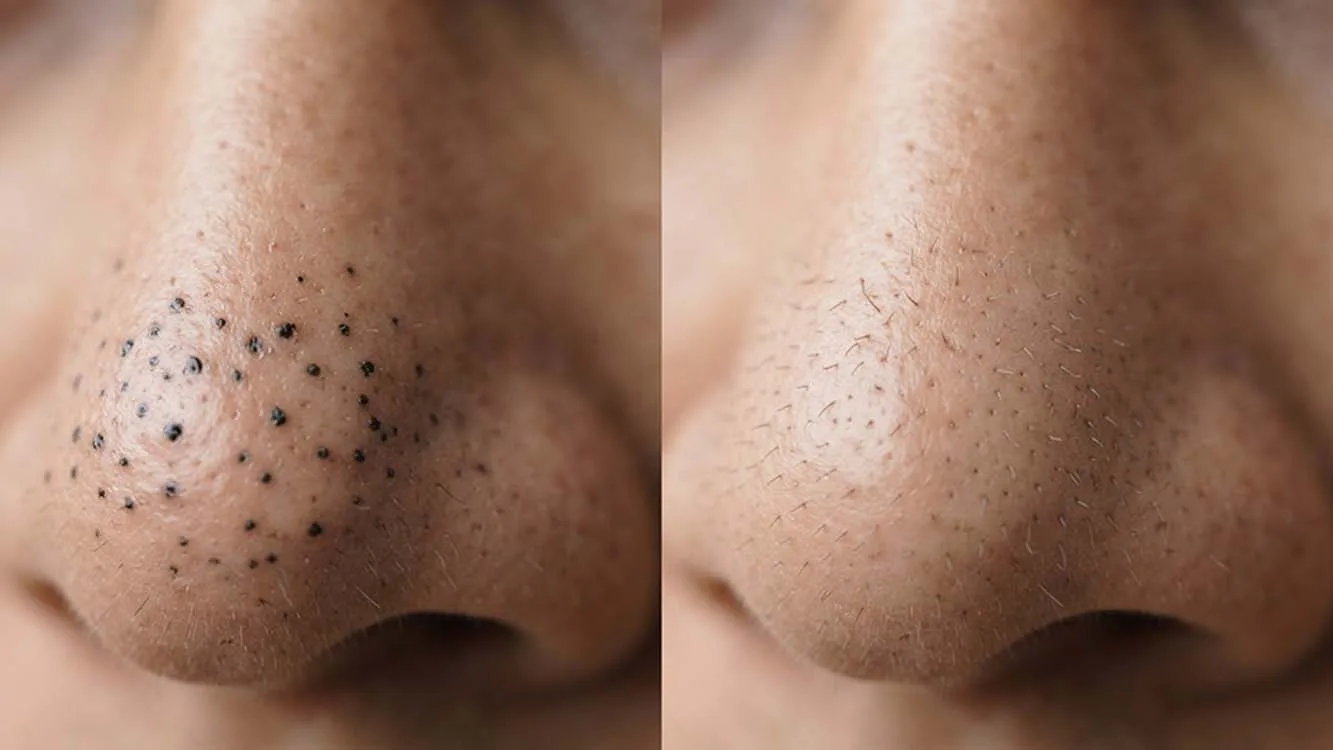
It may reduce some superficial blackheads and loosened pore debris.
The suction step may help extract material that has already been softened through cleansing and exfoliation.
It may work best for:
Mild nose congestion
Superficial blackheads
Oily T-zone buildup
Small visible comedones
Rough pore texture
It may be less effective for:
Deep compacted comedones
Large closed comedones
Inflamed acne
Cysts
Nodules
Long-standing hard plugs
Scarred pores
Not every dark dot on the nose is a blackhead.
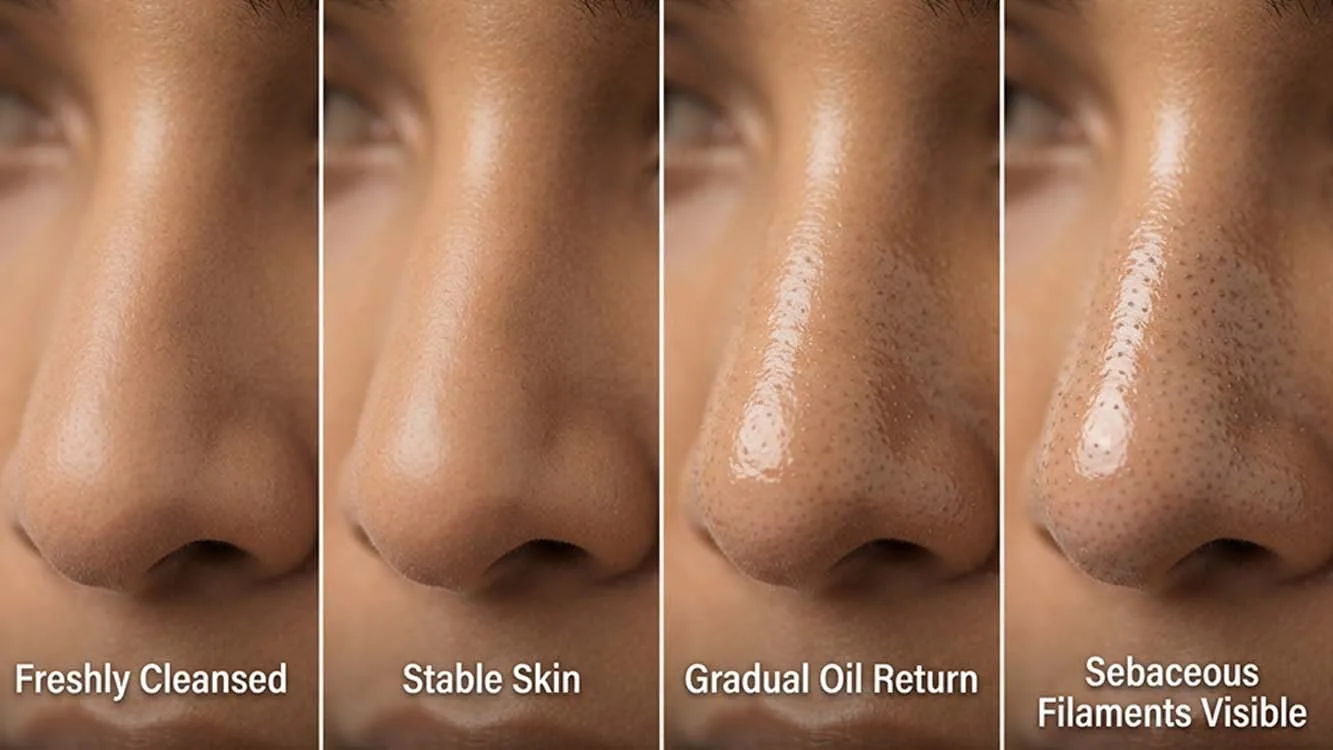
Sebaceous filaments are normal structures that help move oil to the skin surface. They can temporarily appear less visible after extraction but naturally refill.
HydraFacial cannot permanently eliminate sebaceous filaments.
What Is The Difference Between Blackheads And Sebaceous Filaments?
Blackheads are open comedones formed when oil and dead skin block a pore and the exposed material oxidises.
Sebaceous filaments are normal collections of oil and skin cells within pores.
They commonly appear as:
Small grey or beige dots
Uniformly distributed marks
Fine spots across the nose
Material that returns after extraction
Blackheads are often:
Darker
Larger
More irregular
Associated with acne-prone skin
Present in specific blocked pores
Repeated aggressive extraction of sebaceous filaments can irritate the nose without preventing them from returning.
A realistic HydraFacial goal is temporary reduction in visible congestion rather than permanently empty pores.
Can HydraFacial Reduce Pore Size?
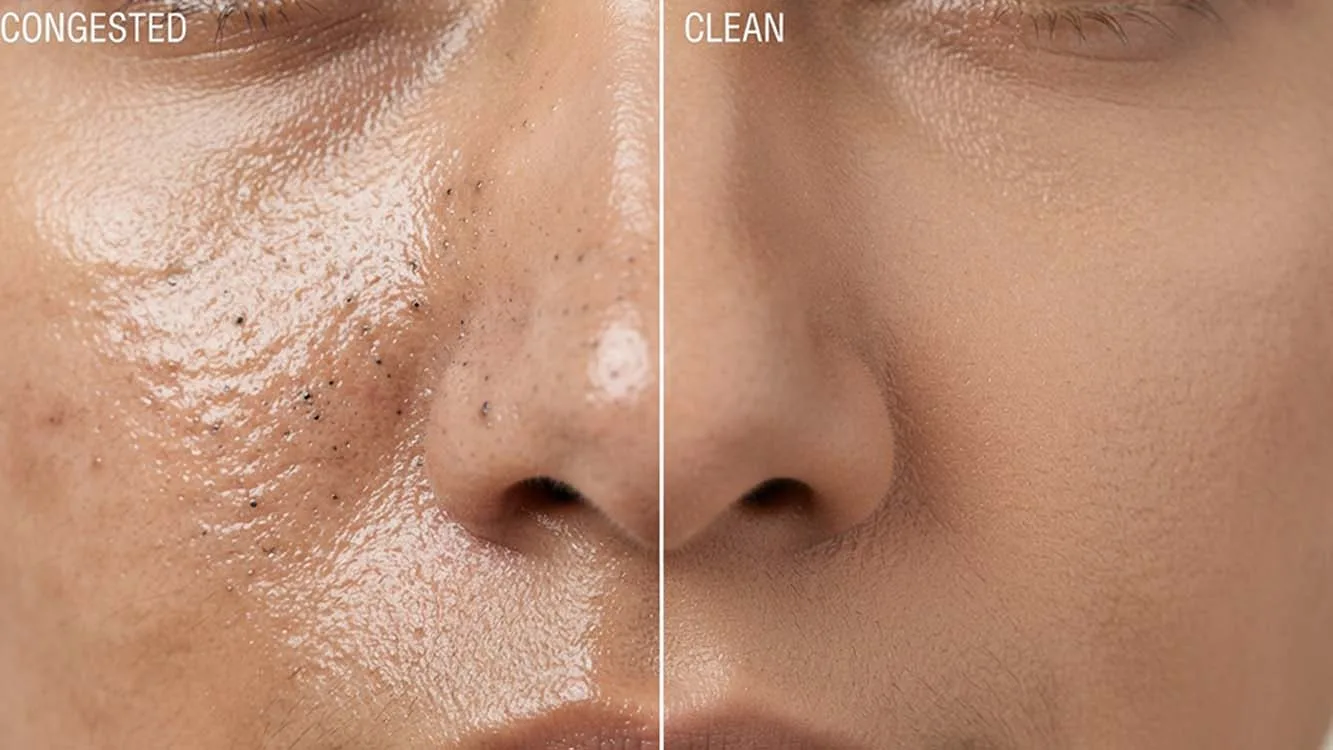
HydraFacial cannot permanently change the anatomical size of pores.
Pores may appear less noticeable temporarily when:
Surface oil is removed
Congestion is reduced
Skin becomes more hydrated
Rough dead cells are exfoliated
Light reflects more evenly
Pore visibility is influenced by:
Genetics
Oil production
Age
Sun damage
Skin elasticity
Acne history
Comedones
Scarring
Large pores caused by acne scarring or reduced collagen support require a different treatment plan.
Temporary improvement should not be described as permanent pore closure.
Can HydraFacial Improve Uneven Skin Texture?
It may improve mild superficial roughness.
HydraFacial can help when texture is related to:
Dead skin buildup
Dehydration
Mild congestion
Surface flaking
Excess oil
Inconsistent skincare
It cannot adequately correct deeper texture caused by:
Ice-pick acne scars
Boxcar scars
Rolling scars
Enlarged scarred pores
Deep wrinkles
Significant sun damage
Fibrosis
Raised scars
These concerns may require treatments such as:
Microneedling
Fractional resurfacing
Subcision
Chemical reconstruction techniques
Scar-specific procedures
Combination treatment
A smoother feel after HydraFacial does not mean deep scar tissue has been remodelled.
Can HydraFacial Treat Acne?
HydraFacial may support skincare in selected patients with mild comedonal acne, but it is not a complete acne treatment.
It may help with:
Surface oil
Mild blackheads
Some whiteheads
Dead skin buildup
Congestion
Temporary dryness caused by acne products
It should be used cautiously when acne is:
Red and inflamed
Painful
Cystic
Nodular
Infected
Excoriated
Associated with open wounds
Strong suction over inflamed lesions may cause:
Pain
Bleeding
Swelling
Rupture
More inflammation
Post-inflammatory pigmentation
Moderate or severe acne usually requires a medical plan addressing oil production, follicular blockage, inflammation and possible hormonal influences.
Can HydraFacial Cause An Acne Breakout?
Some patients may notice small bumps or breakouts after treatment.
Possible reasons include:
Irritation
Occlusive products
Excessive serum layers
Incomplete extraction
Follicular inflammation
Product sensitivity
Touching the face afterwards
Heavy makeup use
Existing acne activity
The idea that every breakout is a healthy “purge” should be treated cautiously.
A mild temporary flare may occur after exfoliation in acne-prone skin, but painful, widespread or persistent acne is not a desirable treatment response.
The treatment protocol may need adjustment if breakouts repeatedly follow each session.
Can HydraFacial Help Oily Skin?
It may temporarily reduce surface oil and remove some pore debris.
Oily skin may appear:
Cleaner
Less greasy
Smoother
Less congested
However, HydraFacial does not permanently switch off sebaceous glands.
Oil production is influenced by:
Genetics
Hormones
Climate
Stress
Skincare
Acne
Certain medicines
Over-exfoliating oily skin can damage the barrier and cause:
Irritation
Tightness
Increased sensitivity
Compensatory greasiness
Redness
Breakouts
The treatment should clean the skin without trying to remove every trace of natural oil.
Can HydraFacial Help Dry Or Dehydrated Skin?

Yes, it may temporarily improve dehydrated skin by applying humectant-rich serums and reducing flaky surface buildup.
Dehydrated skin lacks water and may appear:
Dull
Tight
Rough
Fine-lined
Less flexible
Uneven under makeup
Dry skin lacks sufficient oil and may require richer barrier support.
HydraFacial hydration can improve appearance, but lasting benefit depends on:
Gentle cleansing
Regular moisturiser use
Avoidance of over-exfoliation
Barrier-supportive ingredients
Adequate sun protection
Treatment of eczema or dermatitis when present
A one-time hydrating facial cannot compensate for an unsuitable daily skincare routine.
Is HydraFacial Suitable For Sensitive Skin?
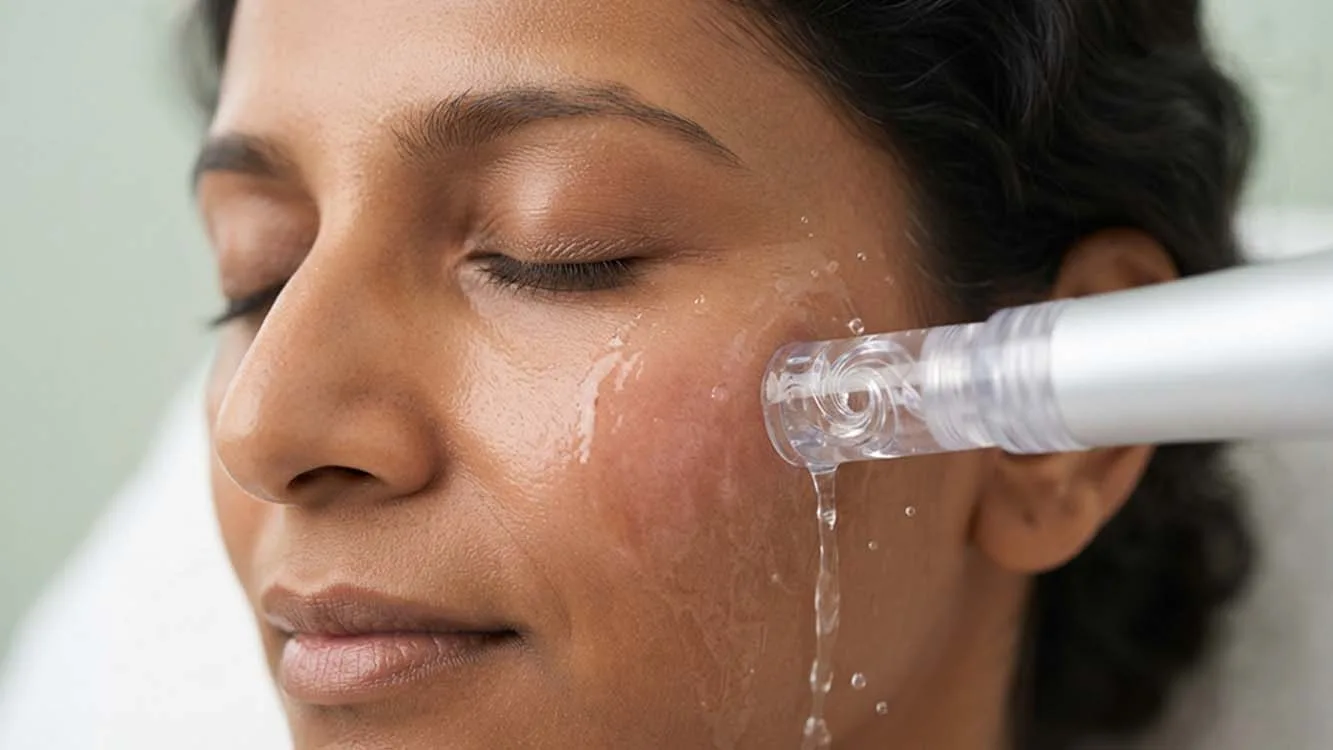
It may be suitable for selected sensitive skin when the protocol is modified.
Adjustments may include:
Lower suction
Fewer passes
Reduced acid strength
Avoidance of fragranced boosters
Minimal extraction
Gentle post-treatment products
Shorter treatment time
HydraFacial may be unsuitable during an active flare of:
Eczema
Rosacea
Irritant dermatitis
Allergic dermatitis
Sunburn
Skin infection
Severe barrier damage
Sensitive skin should not be treated with the standard strongest protocol simply because the device is described as gentle.
Can People With Rosacea Have A HydraFacial?
Some people with mild, stable rosacea may tolerate a carefully modified hydrating treatment.
However, rosacea-prone skin may react to:
Suction
Friction
Acids
Heat
Fragrances
Repeated passes
Strong massage
Active serums
Treatment should be postponed during a flare involving:
Marked redness
Burning
Pustules
Swelling
Significant sensitivity
Eye symptoms
HydraFacial does not treat the vascular and inflammatory causes of rosacea.
A temporary fresh appearance should not be confused with disease control.
Can HydraFacial Improve Pigmentation?
HydraFacial may create mild temporary brightness by exfoliating pigmented surface cells and improving hydration.
It may offer limited support for:
Mild tanning
Superficial dullness
Minor uneven tone
Surface pigment after inflammation
It is unlikely to meaningfully treat:
Deep melasma
Dermal pigmentation
Long-standing post-acne marks
Freckles
Lentigines
Pigmented birthmarks
Ochronosis
Some pigmentation concerns can worsen if the skin becomes inflamed.
In Indian skin, aggressive suction, acids or repeated exfoliation may trigger post-inflammatory hyperpigmentation.
The cause and depth of pigmentation should be identified before selecting a facial treatment.
Can HydraFacial Treat Melasma?
HydraFacial is not a primary treatment for melasma.
Melasma is influenced by:
Sunlight
Visible light
Hormones
Heat
Genetics
Skin inflammation
Pregnancy
Certain medicines
A mild exfoliating session may temporarily brighten the surface, but the pigment can persist or return.
Excessive treatment may worsen melasma by causing irritation.
A more appropriate plan may include:
Broad-spectrum sun protection
Visible-light protection
Medically selected topical treatment
Trigger management
Carefully chosen procedures
Long-term maintenance
No facial procedure should promise permanent melasma removal.
Can HydraFacial Remove A Tan?
It may reduce some superficial dullness and uneven surface tanning.
However, a tan represents increased melanin production within the skin, not just dirt sitting on the surface.
HydraFacial cannot safely erase a deep tan in one session.
Aggressive attempts to lighten the skin rapidly may cause:
Irritation
Patchy colour
Redness
Barrier damage
Rebound pigmentation
Sun protection remains essential because continued exposure can quickly recreate tanning.
Can HydraFacial Remove Post-Acne Marks?
It may slightly improve the brightness of very superficial marks, but it cannot remove all post-acne pigmentation.
Post-acne marks may be:
Red
Pink
Brown
Grey-brown
Deeply pigmented
Associated with scars
The treatment required depends on whether the concern is:
Post-inflammatory erythema
Epidermal pigmentation
Dermal pigmentation
Active acne
Textural scarring
HydraFacial may be used as a supportive treatment, but persistent marks usually require a targeted skincare and procedural plan.
Does HydraFacial Build Collagen?
HydraFacial is not primarily a collagen-remodelling procedure.
Mild exfoliation may support temporary surface renewal, but it does not create the controlled deeper injury typically used to stimulate meaningful collagen remodelling.
It cannot replace:
Microneedling
Fractional laser
Radiofrequency microneedling
Ultrasound-based tightening
Surgical lifting
Claims that one hydrating facial will significantly tighten loose skin or rebuild deep collagen should be viewed cautiously.
Can HydraFacial Reduce Fine Lines?
Temporary hydration can make very fine dehydration lines appear softer.
This effect may be noticeable around areas where the skin is dry and creased.
HydraFacial is unlikely to correct lines caused by:
Repeated facial movement
Significant collagen loss
Skin laxity
Deep sun damage
Structural ageing
Dynamic forehead or eye-area lines may require a different treatment approach.
Deep static lines may need a combination of skin care, resurfacing, injectables or surgery depending on their cause.
Can HydraFacial Tighten Loose Skin?
No significant skin lifting should be expected from HydraFacial alone.
The skin may appear temporarily plumper after hydration, but this is not the same as tightening loose tissue.
Loose skin may result from:
Ageing
Weight loss
Pregnancy
Sun damage
Collagen loss
Tissue descent
Meaningful tightening may require:
Energy-based procedures
Collagen-remodelling treatments
Surgical lifting
Combination planning
Adding more hydrating serum cannot reposition descended tissue.
Is HydraFacial Suitable Before A Wedding Or Important Event?

It may be useful before an event when the person has previously tolerated the treatment well.
Potential benefits include:
Smoother makeup application
Temporary glow
Reduced surface flaking
Mild pore cleansing
Improved hydration
A first HydraFacial should not be scheduled immediately before an important event because unpredictable reactions may include:
Redness
Swelling
Breakouts
Bruising
Irritation
Dryness
Allergy to a product
A trial session well in advance may help determine how the skin responds.
Can HydraFacial Be Done On The Same Day As Makeup?
Makeup may be applied after treatment in some cases, but allowing the skin time to settle may be preferable.
Heavy makeup immediately after extraction and exfoliation can:
Irritate the skin
Trap sweat and oil
Increase congestion
Cause stinging
Introduce contamination through brushes or sponges
When makeup is necessary, it should be:
Clean
Non-irritating
Applied with hygienic tools
Removed gently
Freshly treated skin should not be scrubbed during makeup removal.
Is HydraFacial Suitable For Men?
Yes.
Men may consider HydraFacial for concerns such as:
Oily skin
Blackheads
Rough texture
Shaving-related buildup
Dullness
Dehydration
Pollution exposure
Facial hair can affect treatment access.
Dense beard areas may be difficult to treat evenly, and suction should not repeatedly pull thick hair.
Men who shave should avoid aggressive shaving immediately before treatment if it causes cuts, razor burn or sensitivity.
Can HydraFacial Be Done Over A Beard?
The treatment can usually be performed on exposed facial skin around the beard.
Dense hair may limit contact between the device tip and the skin.
Treatment over thick beard growth may:
Pull hair
Feel uncomfortable
Reduce suction contact
Miss underlying skin
Irritate follicles
The plan may focus on the forehead, nose, upper cheeks and other accessible areas.
The skin beneath a dense beard may require a different cleansing and acne-management routine.
Is HydraFacial Suitable During Pregnancy?
A basic hydrating facial may be considered in pregnancy, but not every peel solution, booster or active ingredient is automatically appropriate.
The protocol should be reviewed for:
Acid type
Acid strength
Retinoid-related ingredients
Skin-lightening agents
Essential oils
Allergens
Additional devices
Pregnancy can also increase:
Skin sensitivity
Melasma
Flushing
Acne
Swelling
Elective treatment should remain conservative, and uncertain ingredients should be avoided.
Can HydraFacial Be Done While Breastfeeding?
Many gentle cleansing and hydrating steps may be compatible with breastfeeding, but the exact topical ingredients should still be reviewed.
Products should not be selected solely because the treatment is non-surgical.
The skin may remain hormonally sensitive after pregnancy, and melasma or acne may still be active.
A simple protocol may be more appropriate than multiple strong boosters.
Who May Be A Good Candidate For HydraFacial?
A suitable candidate may be an adult with:
Dull surface appearance
Mild dehydration
Superficial blackheads
Oily T-zone congestion
Mild rough texture
Flaky buildup
Realistic expectations
Intact skin barrier
No active infection
No severe inflammatory acne
The person should understand that results are usually temporary and supportive rather than curative.
HydraFacial may be particularly useful for someone seeking a low-downtime skin refresh rather than treatment of a deep medical or structural concern.
Who May Not Be Suitable For HydraFacial?
Treatment may be unsuitable or require postponement when there is:
Active cystic acne
Open acne lesions
Active herpes infection
Severe eczema
Rosacea flare
Sunburn
Broken skin
Active bacterial or fungal infection
Recent aggressive peel
Recent laser resurfacing
Significant skin sensitivity
Unexplained facial rash
Allergy to planned ingredients
The patient should disclose:
Current acne medicines
Recent isotretinoin use
Prescription retinoids
Bleaching creams
Recent waxing or threading
Previous reactions to acids
Cold-sore history
Pregnancy or breastfeeding
Recent injectables or facial procedures
Proceeding over irritated or recently resurfaced skin may worsen barrier damage and pigmentation.
When Should HydraFacial Be Postponed?
A session may need to be delayed when the skin has:
Active inflammation
Painful acne
Fresh cuts
Recent sunburn
Severe dryness
Peeling from retinoids
A new allergic rash
Cold sores
Recent waxing injury
Post-laser redness
Unexplained swelling
It may also be sensible to postpone treatment immediately before prolonged sun exposure, travel or an important event when the person has not previously tested the procedure.
The safest HydraFacial is performed on stable skin with a protocol matched to the actual concern.
How Is A HydraFacial Treatment Planned?
Planning begins by identifying whether the main concern is dehydration, congestion, oiliness, dullness or mild surface roughness.
The skin should be examined for:
Active acne
Blackheads and closed comedones
Sensitivity
Rosacea
Eczema
Pigmentation
Recent sun exposure
Barrier damage
Open wounds
Previous reactions to acids
Current prescription skincare
Recent laser, peel or injectable treatment
The treatment should then be adjusted rather than applying the same protocol to every patient.
A person with oily but sensitive skin may require gentle exfoliation with controlled extraction. Dry skin may need limited suction and stronger barrier support. Acne-prone skin may need selected areas avoided entirely.
The aim is to improve the surface without creating unnecessary inflammation.
What Happens During A HydraFacial Session?
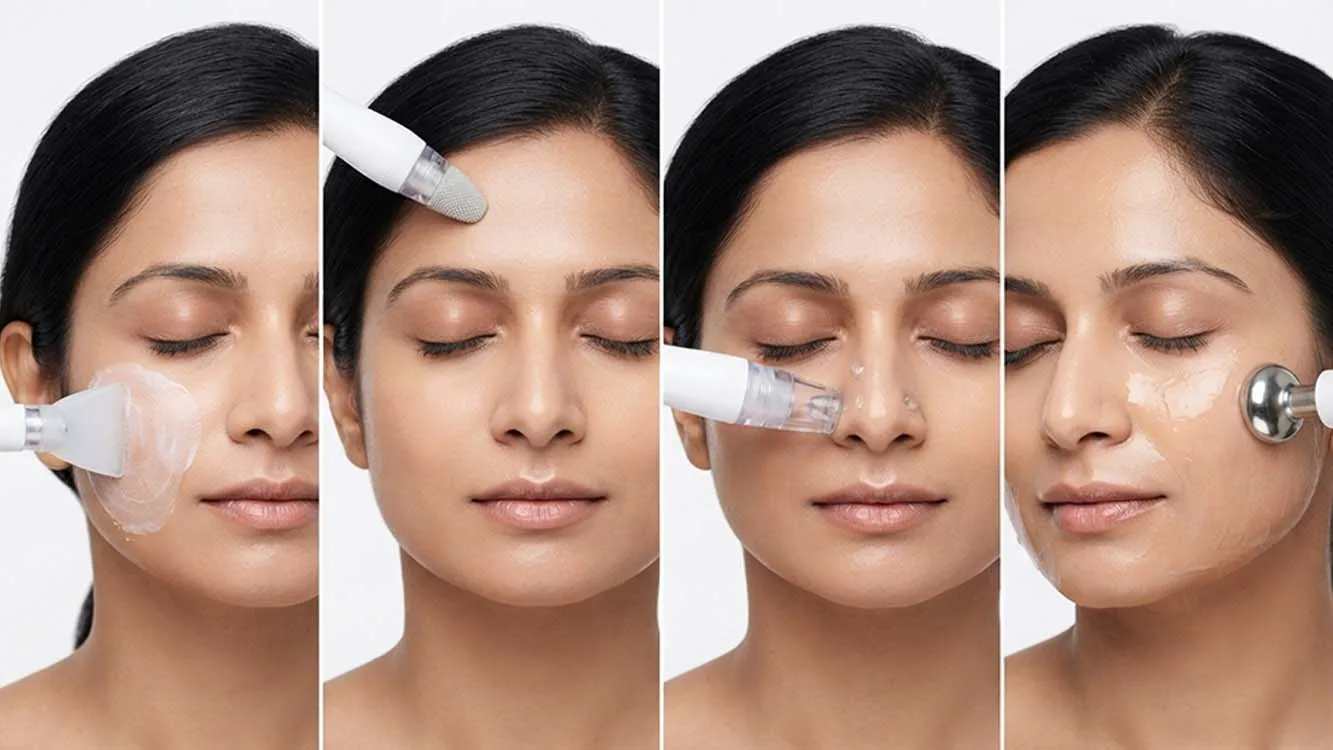
A session commonly follows several stages, although the exact order may vary.
Skin Cleansing
Makeup, sunscreen, sweat and surface oil are removed.
Controlled Exfoliation
The treatment tip loosens superficial dead cells while moving across the skin.
Mild Peel Application
A low-strength acid solution may be used to soften congestion and support exfoliation.
Suction-Based Extraction
The device removes selected loosened material from pores.
Hydrating Serum Delivery
Humectants and supportive topical ingredients are applied to the skin.
Finishing Protection
A moisturiser and broad-spectrum sunscreen may be used at the end.
Optional additions may include:
LED treatment
A calming mask
Lip or eye-area treatment
Selected antioxidant serums
Targeted boosters
More steps do not necessarily produce a better result. Every addition should have a clear purpose.
How Long Does A HydraFacial Take?
A standard treatment may take approximately thirty to sixty minutes, depending on:
Skin assessment
Degree of congestion
Number of extraction passes
Sensitivity
Areas treated
Added boosters
LED therapy
Calming steps
A longer session is not automatically more effective.
Repeated passes over the same area can increase:
Redness
Bruising
Barrier disruption
Tenderness
Post-inflammatory pigmentation
The procedure should stop when the skin has received an adequate treatment rather than continuing to fill a fixed appointment duration.
Is A HydraFacial Painful?
Most patients experience little discomfort.
Common sensations may include:
Cool fluid moving over the skin
Light suction
Gentle pulling
Mild tingling from acids
Temporary tightness
Slight sensitivity around the nose
The treatment should not cause intense burning, sharp pain or strong pinching.
Discomfort may increase when:
Suction is too high
The skin is inflamed
Strong acids are used
Too many passes are performed
The barrier is already damaged
The patient recently used retinoids or exfoliating acids
Pain should be reported immediately so that the settings or products can be adjusted.
What Does The Skin Look Like Immediately Afterwards?
The skin may initially appear:
Brighter
More hydrated
Slightly pink
Smoother
Less oily
Temporarily plumper
Cleaner around congested pores
Mild redness may occur around the nose, chin or heavily extracted areas.
Some patients may notice temporary:
Tightness
Sensitivity
Patchy redness
Small bumps
Mild swelling
Increased shine from finishing products
The early glow partly reflects hydration and recently applied serum. The final appearance should be judged after redness and product residue have settled.
Is There Downtime After A HydraFacial?
Most suitable patients can resume normal daily activity quickly.
However, minimal downtime does not mean that the skin has not been treated.
For the first day or two, the skin may be more vulnerable to:
Heat
Friction
Strong skincare
Sun exposure
Heavy makeup
Sweating
Harsh cleansing
A sensitive patient may experience redness or dryness for longer.
Anyone planning the procedure before an important event should first learn how their skin responds rather than assuming there will be no visible reaction.
What Should Be Avoided After A HydraFacial?
Aftercare may include temporarily avoiding:
Scrubs
Retinoids
Strong vitamin C formulas
Glycolic or salicylic acid
Benzoyl peroxide
Facial waxing
Threading
Chemical peels
Steam rooms
Saunas
Very hot showers
Heavy exercise
Prolonged direct sun
Aggressive facial massage
The exact restrictions depend on the strength of the session and the products used.
The skin should be cleansed gently and supported with moisturiser and sunscreen.
Why Is Sunscreen Important After Treatment?
Exfoliated skin may be more sensitive to ultraviolet exposure.
Without adequate protection, sun exposure may contribute to:
Redness
Burning
Tanning
Uneven pigmentation
Worsening melasma
Post-inflammatory darkening
Reduced duration of the visible glow
Broad-spectrum sunscreen should be applied in an adequate amount and reapplied during prolonged outdoor exposure.
In Mumbai, exposure can occur during daily commuting, driving and short outdoor walks—not only during beach visits.
Can You Use Retinol After A HydraFacial?
Retinoids may need to be paused temporarily before and after treatment.
Applying them too soon can increase:
Burning
Dryness
Peeling
Redness
Barrier damage
Pigmentation
The required pause depends on:
Retinoid strength
Frequency of use
Skin sensitivity
Treatment intensity
Whether the product is prescribed
Prescription acne treatment should not be stopped for a prolonged period without appropriate guidance.
Can You Use Vitamin C After HydraFacial?
A mild, previously tolerated vitamin C product may eventually be resumed, but strong or acidic formulas can sting freshly treated skin.
It may be better to begin with:
Gentle cleanser
Simple moisturiser
Sunscreen
Barrier-supportive products
Active ingredients can then be reintroduced gradually when the skin feels calm.
Can HydraFacial Cause Redness Or Bruising?
Yes.
Redness may result from:
Suction
Exfoliation
Acid exposure
Repeated treatment passes
Sensitive skin
Active rosacea
Recent retinoid use
Bruising may occur when suction is too strong, particularly over thin or delicate areas.
Areas that may bruise more easily include:
Under the eyes
Upper cheeks
Sides of the nose
Skin with visible capillaries
A person who bruises easily or uses blood-thinning medication should disclose this before treatment.
Prescribed medication should not be stopped without medical guidance.
Can HydraFacial Damage The Skin Barrier?
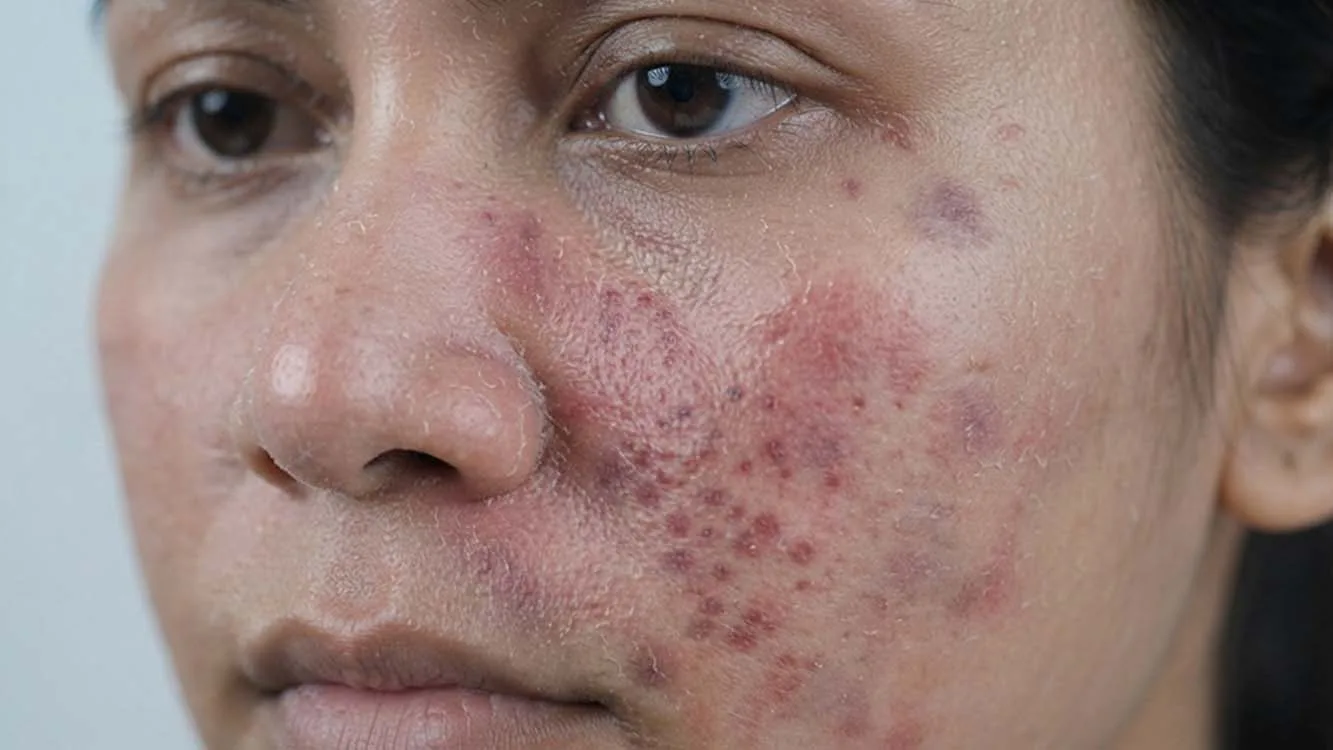
Yes, especially when the treatment is too aggressive or combined with several other exfoliating procedures.
Barrier damage may cause:
Burning
Tightness
Persistent redness
Peeling
Increased sensitivity
Breakouts
Excess oiliness
Worsening pigmentation
Risk may increase when the patient is already using:
Retinoids
Multiple acids
Benzoyl peroxide
Strong pigmentation creams
Frequent scrubs
Home peeling products
More exfoliation is not always better. The skin barrier needs time to recover between treatments.
Can HydraFacial Cause Post-Inflammatory Pigmentation?
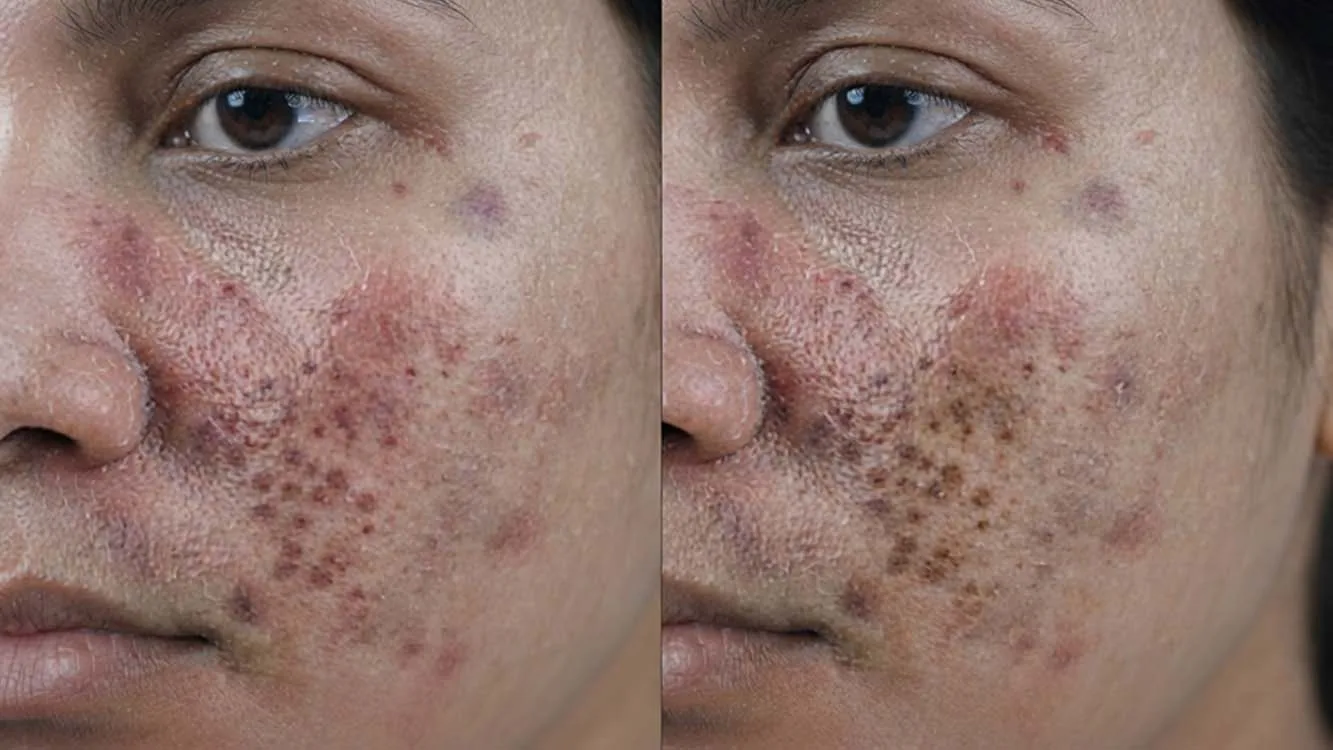
Yes, particularly in medium and deeper Indian skin tones if the treatment causes significant irritation.
Post-inflammatory hyperpigmentation may appear as:
Brown patches
Darkened extraction points
Uneven tone
Dark marks around irritated acne
Increased pigmentation after redness
Risk may increase with:
High suction
Strong acids
Repeated passes
Aggressive manual extraction
Sun exposure
Picking the skin
Existing melasma
The treatment should be adjusted to minimise inflammation rather than chasing immediate brightness through aggressive exfoliation.
Can HydraFacial Trigger Cold Sores?
Any facial procedure involving friction, exfoliation or stress may trigger a cold-sore outbreak in a susceptible person.
The risk may be greater when treatment is performed around the lips.
Patients should disclose:
Previous cold sores
Recent tingling or burning
An active blister
Current antiviral treatment
Treatment should be postponed during an active outbreak.
A prevention plan may be considered for patients with frequent recurrences.
Can HydraFacial Cause Infection?
Infection is uncommon when the device, tips and treatment environment are properly maintained.
Risk may increase with:
Reused disposable tips
Poorly cleaned equipment
Contaminated solutions
Treatment over open acne
Active cold sores
Broken skin
Touching the face repeatedly afterwards
Unclean makeup tools
Possible warning signs include:
Increasing redness
Heat
Pain
Pus
Crusting
Worsening swelling
Fever
Symptoms that become progressively worse should not be dismissed as normal purging.
Can HydraFacial Be Done After Chemical Peels Or Laser Treatment?
Not immediately.
Recently treated skin may be:
Inflamed
Thin
Dry
Peeling
More sensitive to suction
Vulnerable to pigmentation
Still healing beneath the surface
The appropriate interval depends on:
Type of peel
Laser depth
Recovery
Remaining redness
Skin barrier condition
Treating clinician’s plan
HydraFacial should not be used to remove peeling skin aggressively after another procedure.
Can HydraFacial Be Combined With Microneedling?
The treatments have different purposes.
HydraFacial mainly addresses the skin surface, while microneedling creates controlled micro-injury to stimulate deeper repair.
Performing both too closely may increase:
Irritation
Inflammation
Infection risk
Product sensitivity
Pigmentation
Recovery time
When combined within a broader plan, timing should allow the skin barrier to recover.
The procedures should not be stacked merely to create a more impressive package.
Can HydraFacial Be Combined With Injectables?
HydraFacial may sometimes be planned around neuromodulator or dermal-filler treatment, but timing matters.
Suction, massage and pressure should not be applied aggressively over recently injected areas.
Potential concerns include:
Increased swelling
Bruising
Tenderness
Pressure on treated tissue
Difficulty distinguishing reactions
The sequence should be decided before the appointments rather than combining procedures spontaneously.
How Often Can A HydraFacial Be Done?
Frequency depends on:
Skin type
Sensitivity
Congestion
Home skincare
Treatment strength
Budget
Clinical need
Some patients may schedule treatments periodically for surface maintenance. Others may require them only before selected events or during periods of congestion.
Very frequent treatment can lead to over-exfoliation.
Signs that sessions may be too frequent include:
Persistent tightness
Burning
Flaking
Redness
Increased oiliness
New sensitivity
Repeated breakouts
Darkening after treatment
The skin should guide the schedule rather than a fixed membership plan.
Are Monthly HydraFacials Necessary?
No.
Monthly sessions may suit some patients, but they are not medically required for everyone.
A person with stable skin and a good home routine may not need frequent device-based facials.
The decision should consider:
Whether benefits last
Whether congestion returns
Whether the skin becomes irritated
Financial value
Presence of a more important untreated condition
Whether basic skincare could provide similar maintenance
Regular treatment should continue only when it offers a clear benefit without damaging the barrier.
How Long Do HydraFacial Results Last?
The visible glow and smoothness are usually temporary.
Results may last from several days to a few weeks depending on:
Oil production
Climate
Hydration
Skin barrier
Makeup use
Sun exposure
Pollution
Skincare
Acne activity
Frequency of cleansing
Blackheads and sebaceous filaments may gradually become visible again as pores refill naturally.
HydraFacial should not be marketed as a permanent pore-cleaning procedure.
Why Do Blackheads Return After Treatment?
Blackheads and pore congestion develop through an ongoing process involving:
Sebum
Dead skin cells
Follicular blockage
Hormonal activity
Skincare products
Sweat
Pollution
Makeup
Genetics
Extraction removes existing material but does not stop new oil or cells from entering the pore.
Long-term control may require:
Gentle cleansing
Appropriate salicylic acid
Retinoids when suitable
Non-comedogenic products
Acne treatment
Consistent sunscreen
A facial cannot replace an effective daily routine.
Does The Dirty-Looking Extraction Container Prove The Treatment Worked?
Not necessarily.
The waste container may contain a mixture of:
Treatment fluid
Cleansing solution
Serum
Surface oil
Makeup residue
Dead cells
Small amounts of pore debris
Its cloudy or dark appearance does not measure how many toxins were removed.
The skin does not detoxify through suction.
Treatment quality should be judged by appropriate skin improvement and safety—not by the colour of collected fluid.
Does HydraFacial Detoxify The Skin?

No medical detoxification occurs.
The liver, kidneys and other organs manage metabolic waste within the body.
HydraFacial can remove surface material such as:
Oil
Dead skin
Makeup residue
Sunscreen buildup
Some pore debris
This is cleansing and exfoliation, not toxin removal from the bloodstream or internal organs.
Do HydraFacial Boosters Work?
Boosters may contain ingredients intended to address hydration, dullness, antioxidants or fine surface lines.
Their benefit depends on:
Ingredient quality
Concentration
Skin penetration
Stability
Treatment goal
Sensitivity
Existing skincare
A booster may temporarily support hydration or brightness, but it should not be expected to correct deep pigmentation, scars or laxity.
Multiple boosters increase cost and may increase irritation without producing proportionally greater benefit.
Is LED Therapy Necessary After HydraFacial?
LED treatment may be added for selected goals, but it is not essential for every session.
Different wavelengths may be used to support:
Calming
Acne management
Inflammation reduction
Recovery
The effect depends on:
Wavelength
Energy
Treatment duration
Device quality
Frequency
Skin condition
A brief decorative light step should not be assumed to provide the same benefit as a properly dosed medical LED protocol.
Can HydraFacial Replace A Daily Skincare Routine?
No.
A consistent home routine usually has a greater long-term effect on skin health than an occasional facial.
A basic routine may include:
Gentle cleanser
Suitable moisturiser
Broad-spectrum sunscreen
Targeted acne or pigmentation treatment when needed
HydraFacial may complement this routine by providing periodic exfoliation and hydration.
It cannot compensate for:
Sleeping in makeup
Inconsistent sunscreen
Overusing active products
Poor acne control
Frequent skin picking
Using unsuitable cosmetics
Can HydraFacial Be Done At Home?
Home suction devices are not equivalent to a professionally adjusted treatment.
Unsupervised devices may cause:
Bruising
Broken capillaries
Skin tears
Excessive redness
Pigmentation
Worsened acne
Infection
Applying acids before home suction may increase injury.
Household tools should not be used to imitate clinical extraction aggressively.
Can HydraFacial Results Become Less Noticeable Over Time?
Yes.
The first session may appear especially impressive when the skin is significantly dehydrated or congested.
With regular treatment and improved home care, later changes may seem more subtle because:
The baseline skin is already smoother
Congestion is reduced
Hydration is more stable
Expectations have increased
This does not necessarily mean that stronger suction or acids are needed.
Escalating treatment to recreate a dramatic first-session effect may damage the skin.
What Are The Main Risks Of HydraFacial?
Possible risks include:
Redness
Burning
Dryness
Peeling
Tightness
Bruising
Breakouts
Folliculitis
Allergic reaction
Irritant dermatitis
Cold-sore reactivation
Infection
Post-inflammatory pigmentation
Worsened rosacea
Barrier damage
Temporary swelling
Eye irritation from product exposure
Most problems are minor and temporary, but an unsuitable or aggressive protocol can create longer-lasting sensitivity or pigmentation.
Which Symptoms Require Medical Assessment?
Assessment is important when there is:
Severe burning
Persistent pain
Blistering
Rapid swelling
Eye irritation
Widespread rash
Pus
Increasing redness
Fever
Darkening patches
Painful acne flare
Cold-sore outbreak
Difficulty breathing or facial swelling suggesting allergy
Ordinary mild redness should gradually settle. Symptoms that intensify require review.
Common Myths About HydraFacial
“HydraFacial Permanently Closes Pores”
Pore size is influenced by genetics, oil production, age and skin structure. The treatment may only reduce their temporary visibility.
“The Extraction Container Shows Toxins”
It mainly contains treatment fluid, surface debris and oil—not toxins removed from the body.
“HydraFacial Cures Acne”
It may support mild congestion but does not replace medical treatment for inflammatory or cystic acne.
“A Stronger Suction Setting Gives Better Results”
High suction can cause bruising, irritation and pigmentation.
“Every Breakout After Treatment Is A Healthy Purge”
Persistent or painful breakouts may indicate irritation, occlusion or folliculitis.
“One Session Removes Melasma”
Melasma is a chronic pigment condition influenced by light, hormones, heat and inflammation.
“HydraFacial Rebuilds Deep Collagen”
It is mainly a surface cleansing, exfoliating and hydrating treatment.
“The Skin Can Never Be Over-Exfoliated With HydraFacial”
Frequent or aggressive sessions can damage the barrier.
“It Is Safe During Every Acne Or Rosacea Flare”
Active inflammation may worsen with acids, friction and suction.
“Monthly Treatment Is Necessary For Everyone”
Frequency should be based on skin needs and tolerance.
Why Personalised HydraFacial Planning Matters
A safe HydraFacial should be matched to the patient’s actual skin condition.
Personalised planning considers:
Oiliness
Dehydration
Blackheads
Active acne
Skin sensitivity
Rosacea
Pigmentation
Barrier strength
Recent procedures
Current skincare
Pregnancy or breastfeeding
Event timing
Risk of pigmentation
The most appropriate recommendation may involve:
A gentle hydrating session
Limited extraction
Reduced suction
Avoiding acids
Treating only selected facial areas
Postponing the session
Medical acne treatment
Pigmentation-focused skincare
Another procedure
No facial treatment
The objective is healthier-looking skin without creating inflammation simply to produce an immediate glow.
Why Choose Hair & Shape For HydraFacial Planning In Mumbai?
At Hair & Shape Clinic, HydraFacial planning begins with examining whether the concern is superficial dullness, congestion, dehydration or a condition requiring medical treatment.
The evaluation may include:
Skin type
Blackheads and comedones
Active acne
Sensitivity
Rosacea
Pigmentation
Previous reactions
Current skincare
Recent procedures
Event timeline
Expected result
Patients should receive a clear explanation of:
Which concerns may improve
Which concerns require another treatment
Expected redness or sensitivity
Temporary nature of the glow
Risk of breakouts and pigmentation
Importance of gentle aftercare
Appropriate treatment frequency
Why stronger suction is not always better
The aim is a controlled skin refresh rather than aggressive exfoliation or unrealistic claims of permanent pore removal and detoxification.
Final Thoughts

HydraFacial can temporarily improve dullness, mild blackheads, dehydration and superficial roughness through cleansing, exfoliation, controlled suction and serum application.
The visible glow is usually created by smoother surface cells, reduced debris and better hydration. It is not evidence of deep collagen rebuilding or toxin removal.
The treatment cannot permanently close pores, eliminate sebaceous filaments, cure severe acne, remove deep scars or tighten significant loose skin.
Results depend on appropriate settings and patient selection. Strong suction, excessive acids and repeated passes can cause bruising, irritation, barrier damage and post-inflammatory pigmentation, particularly in sensitive Indian skin.
HydraFacial may complement a consistent skincare routine, but it cannot replace sunscreen, moisturiser or targeted treatment for acne and pigmentation.
The most appropriate session should leave the skin calmer, cleaner and more hydrated—not sore, inflamed or aggressively stripped.
Keep reading
Lip Augmentation/Reduction: Complete Guide To Lip Surgery, Recovery & Results
Lip Augmentation and Lip Reduction are aesthetic procedures designed to improve lip volume, shape, symmetry, and facial balance. This guide explains lip enhancement and reduction techniques, procedure steps, recovery timeline, benefits, candidate suitability, and the importance of choosing an experienced plastic surgeon at Hair & Shape Clinic, Mumbai.

Buccal Fat Removal: Complete Guide To Cheek Contouring Procedure, Recovery & Results
Buccal Fat Removal is a facial contouring procedure designed to reduce cheek fullness and enhance facial definition by carefully removing a portion of the buccal fat pad. This guide explains the procedure, candidate suitability, recovery timeline, benefits, results, and the importance of choosing an experienced plastic surgeon at Hair & Shape Clinic, Mumbai.
Dimple Creation: Complete Guide To Dimpleplasty Procedure, Recovery & Results
Dimple Creation, also known as Dimpleplasty, is a minimally invasive facial aesthetic procedure designed to create natural-looking cheek dimples by modifying the connection between skin and cheek muscle. This guide explains the dimple creation procedure, types of dimples, recovery timeline, benefits, candidate suitability, and the importance of choosing an experienced plastic surgeon at Hair & Shape Clinic, Mumbai.